

Off the Pacific coast of South America, a monumental shift in ocean temperatures is well underway. The cyclical climate phenomenon known as El Niño has mutated into a weather anomaly of historic proportions, with sea surface temperatures climbing more than 3 degrees Celsius above the historical norm. This development marks the warmest El Niño recorded since the advent of satellite-based ocean monitoring half a century ago. According to climate projections, the event has not yet reached its zenith and is expected to intensify further, potentially reaching a staggering 4 degrees Celsius above normal by late autumn.
This record-shattering marine heatwave is not occurring in isolation. Across the globe, its atmospheric ripples are interacting with baseline climate change to create a deeply fractured global weather landscape. While the Pacific basin reels from the rapid intensification of catastrophic tropical cyclones, the Atlantic Ocean is experiencing a bizarre and unprecedented drought of hurricane activity. Climatologists, oceanographers, and emergency management officials are scrambling to analyze the cascading implications of these twin phenomena, which offer an alarming preview of Earth’s projected climate reality just decades into the future.
The Mechanics of a Super El Niño and the Pacific Threat
To comprehend the scale of the current Pacific anomaly, scientists emphasize the sheer thermal capacity of the world’s oceans. The ocean holds vastly more heat than the atmosphere—roughly one thousandth more ability to retain thermal energy—meaning that even fractional increases in sea surface temperatures can drastically alter global atmospheric circulation.
Art Miller, a climate scientist at the Scripps Institution of Oceanography, notes that the current 3-degree deviation represents a massive surge in ocean heat content. As this excess thermal energy radiates into the atmosphere, it fundamentally restructures weather patterns worldwide.
The immediate human and infrastructural costs of this energy transfer are already materializing on the Pacific side of the Americas. Earlier in the meteorological cycle, Hurricane Polo developed with terrifying speed, transforming from a modest tropical storm into a destructive Category 5 monster in less than twenty-four hours. This rapid intensification—defined by a sustained wind speed increase of at least 35 miles per hour within a single day—is fueled by exceptionally warm coastal waters further supercharged by the El Niño event. Climate models indicate that Polo is on a direct collision course with Baja California, Mexico, threatening severe coastal devastation. Simultaneously, another system, Tropical Storm Nolo, rapidly strengthened into a hurricane, threatening to unleash torrential downpours and several feet of rain across the Hawaiian Islands.
Beyond tropical cyclones, the sheer volume of heat injected into the atmosphere by this El Niño carries severe public health implications. Public health research groups project that the extreme heat generated during the initial nine months of the phenomenon could contribute to hundreds of thousands of excess fatalities globally.
The Great Atlantic Silence
While the Pacific faces an onslaught of hyper-powered storms, the Atlantic basin is telling a radically different story, defying decades of meteorological precedent. The Atlantic hurricane season, which officially commenced in June, is shattering records in the exact opposite direction.
Typically, by this point in the calendar year, climatologists anticipate the formation of at least four named hurricanes, including two major systems of Category 3 strength or higher. Yet, deep into the season, the Atlantic has failed to produce even a single hurricane. The historical benchmark for the latest date of the season’s first recorded hurricane had previously been September 11, a record that has now been left far behind.
Brian McNoldy, a senior research associate specializing in tropical storms at the University of Miami, explains that this meteorological void is directly tied to the very same El Niño suppressing activity on the other side of the continent. Hurricanes function as atmospheric heat engines, relying on three primary ingredients: warm ocean water for fuel, high atmospheric humidity, and consistent directional wind movement.
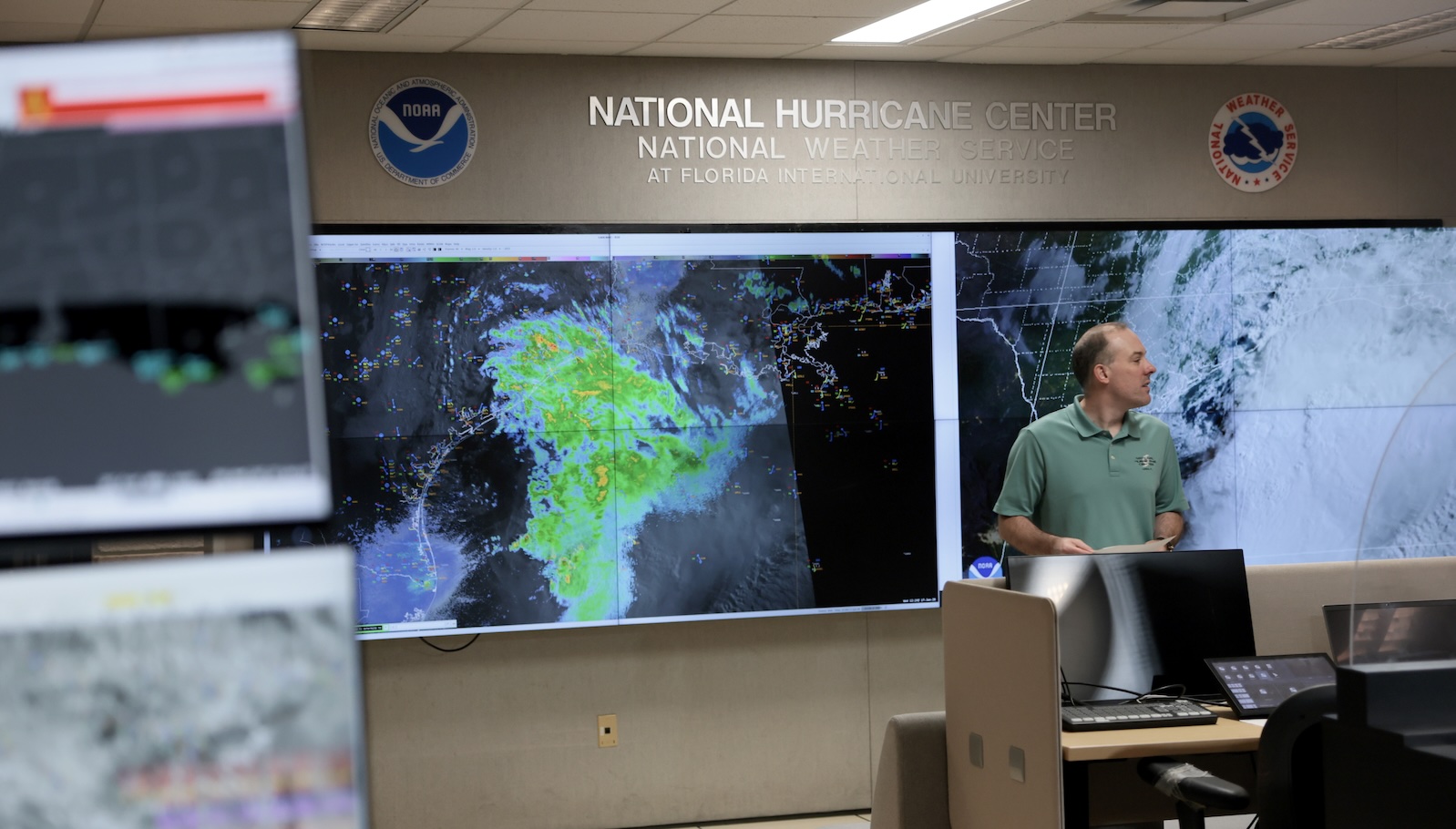
While the Atlantic boasts ample thermal fuel courtesy of elevated baseline ocean temperatures, El Niño introduces a hostile atmospheric environment overhead. Specifically, El Niño drastically increases wind shear across the Atlantic basin, causing winds at varying altitudes to blow at conflicting speeds and directions. "Hurricanes do not like that," McNoldy explains. Furthermore, El Niño generates plumes of dry, sinking air across the region, choking off the humidity that tropical systems require to organize and sustain themselves. The resulting gusty, arid environment has effectively placed a structural ceiling on Atlantic storm development, preventing even marginal tropical depressions from organizing in the deep tropics.
Global Disruptions: Droughts, Floods, and Economic Strain
The consequences of a Super El Niño extend far beyond coastal landfalls and suppressed storm seasons, fundamentally altering precipitation and agricultural yields across multiple continents. Historically, El Niño events trigger significant meteorological polarization: increasing heavy rainfall and flood risks in regions such as California and the American Southwest, while plunging Southeast Asia, the Amazon rainforest, and vast swathes of sub-Saharan Africa into severe, prolonged drought.
Zeke Hausfather, a climate scientist with the research group Berkeley Earth, warns that the secondary socioeconomic impacts of these hydrological disruptions could dwarf other immediate threats. "It’s crop failures in those regions that, at least historically, have driven the biggest economic and human impacts of these events," Hausfather notes.
Subsistence farmers, who rely entirely on predictable seasonal rainfall to feed their families and generate modest commercial income, face immediate devastation. When prolonged droughts ruin harvests, regional food systems collapse, triggering acute food insecurity, inflationary spikes in global agricultural commodities, and mass economic displacement.
A Glimpse Into Earth’s Future Climate
As climate scientists analyze the trajectory of this unprecedented weather anomaly, a broader consensus is emerging: the current Super El Niño is not merely a cyclical outlier, but a terrifying rehearsal for the future.
Earth’s global average baseline temperature has risen significantly over the past century due to anthropogenic greenhouse gas emissions. When a naturally occurring phenomenon like El Niño develops atop this elevated baseline, the resulting climatic extremes are magnified. "Everything’s happening on a baseline that’s much hotter than it was a century ago, which makes these impacts correspondingly more severe," Hausfather emphasizes. "It’s a little glimpse of what the planetary climate will look like all the time just twenty years from now."
This realization has forced governments, international bodies, and agricultural agencies to reevaluate emergency preparedness strategies. With structural shifts in weather becoming the norm, institutional responses must adapt to higher frequencies of concurrent climate shocks.
Policy and Institutional Preparation
Mitigating the catastrophic human and economic tolls of a Super El Niño requires proactive, large-scale intervention from international governments and local authorities. Experts have outlined several critical domains where policy must urgently adapt:
- Agricultural Resilience and Food Security: To combat projected crop failures, national governments must establish robust strategic food reserves and financial safety nets. Implementing direct financial transfer systems ensures that smallholder farmers whose harvests fail retain the purchasing power required to feed their families.
- Wildfire Mitigation and Management: As prolonged droughts transform vulnerable landscapes into tinderboxes, aggressive land management policies are essential. Governments are urged to expand controlled burn programs during cooler months to clear accumulated dead brush, thereby preventing localized blazes from escalating into catastrophic mega-fires that threaten populated areas. Furthermore, stricter enforcement against agricultural waste burning can eliminate a primary catalyst for accidental wildfires.
- Emergency Response Infrastructure: Municipalities must scale up investments in specialized firefighting hardware, preemptively deploy resources to high-risk zones, and expand comprehensive training regimens for emergency personnel to handle overlapping, multiregional disasters.
As the planet navigates the uncharted waters of this record-breaking El Niño, the event serves as a stark reminder of the fragile equilibrium governing global ecosystems. The juxtaposition of a silent Atlantic and a hyper-charged Pacific underscores the complex, interconnected nature of Earth’s climate system—and the urgent necessity for global society to prepare for an increasingly volatile meteorological future.








Leave a Reply