
As lawmakers prepare to leave Capitol Hill to campaign for the upcoming midterm elections, a bipartisan coalition of senators is engaged in last-minute negotiations over a high-stakes energy permitting reform bill. Proponents argue that overhauling the federal approval process for energy infrastructure is vital to meeting skyrocketing domestic electricity demand, bolstering national security, and maintaining economic competitiveness against global rivals. However, the legislative push faces severe political headwinds, caught between a fragmented Washington consensus, fierce environmental debates, and an acute public relations challenge surrounding the explosive growth of energy-hungry data centers.
The legislative effort represents one of the few areas of genuine, albeit fragile, bipartisan agreement in an otherwise deeply polarized Congress. Both Democrats and Republicans acknowledge that the current federal permitting regime—burdened by complex environmental impact studies, lengthy bureaucratic reviews across multiple federal agencies, and frequent litigation from environmental groups—is fundamentally broken. Yet, as negotiators hash out the final framework of the proposed legislation, lawmakers find themselves walking a delicate tightrope ahead of the November elections.
The Geopolitical Urgency and Surging Power Demand
The push for permitting reform is driven primarily by an unprecedented surge in American electricity consumption. For decades following the 2008 financial crisis, U.S. power demand remained relatively flat, kept in check by energy-efficient lighting, appliances, and building codes. That era has officially ended.
Today, the domestic power grid is experiencing an intense, multidimensional demand shock. Across the country, Americans are rapidly electrifying their daily lives by adopting heat pumps, electric vehicles (EVs), and advanced home appliances to reduce carbon footprints. Concurrently, a national push to reshore heavy manufacturing has created new industrial centers that require vast amounts of steady, reliable power.
Compounding these factors is the explosive expansion of the technology sector. The rapid deployment of artificial intelligence (AI) and cloud computing has triggered a massive build-up of massive data centers nationwide. These facilities consume staggering amounts of electricity, straining local grids and pushing power companies to their absolute limits.
Lawmakers in both parties view the modernization of the energy grid not just as an economic necessity, but as a critical national security imperative. Proponents argue that failing to expand energy capacity and harness the full potential of AI could cause the United States to cede technological and geopolitical dominance to strategic adversaries, chief among them China.
“While Communist China cuts corners to get ahead, a mountain of red tape has America fighting the energy war with one hand tied behind our backs,” Senator Rick Scott, a Republican, asserted in a policy statement.
Similarly, Senator Marsha Blackburn emphasized the domestic manufacturing and technological angles, stating in an August press release, “America’s energy demand is surging due to advanced technology and manufacturing, but our outdated federal permitting process remains a massive barrier to building the infrastructure we need to stay competitive.”
A Fragile Bipartisan Compromise and the White House Factor
The current legislative effort builds on years of failed attempts to streamline federal approvals, most notably the stalled Energy Permitting Reform Act of 2024, which cleared committee review but never received a full floor vote in the Senate. The urgency created by the current power crunch, however, has breathed new life into the debate. High-ranking members of both parties from the Senate’s primary energy-related committees have taken the lead, drafting compromise language behind closed doors.
The contents of the draft legislation remain officially unreleased, but energy sector stakeholders and congressional aides indicate the bill aims to accelerate project construction by narrowing the scope of environmental and social impacts that federal agencies must evaluate. It is also expected to loosen stringent requirements under the Clean Water Act and the Endangered Species Act that frequently stall the development of critical transmission lines and natural gas pipelines. Furthermore, the legislation would likely shield successfully issued permits from subsequent waves of environmental litigation.
A successful bill would ease the path to construction for both renewable energy installations and fossil fuel projects—most notably solar power and natural gas, which currently dominate the American energy landscape. According to data from the U.S. Energy Information Administration (EIA), solar power and battery storage account for nearly 80 percent of all new power generation capacity expected to come online in 2026. Meanwhile, natural gas remains the single largest source of electricity generation in the United States, serving as an essential baseload power source for data centers slated for construction over the next decade.
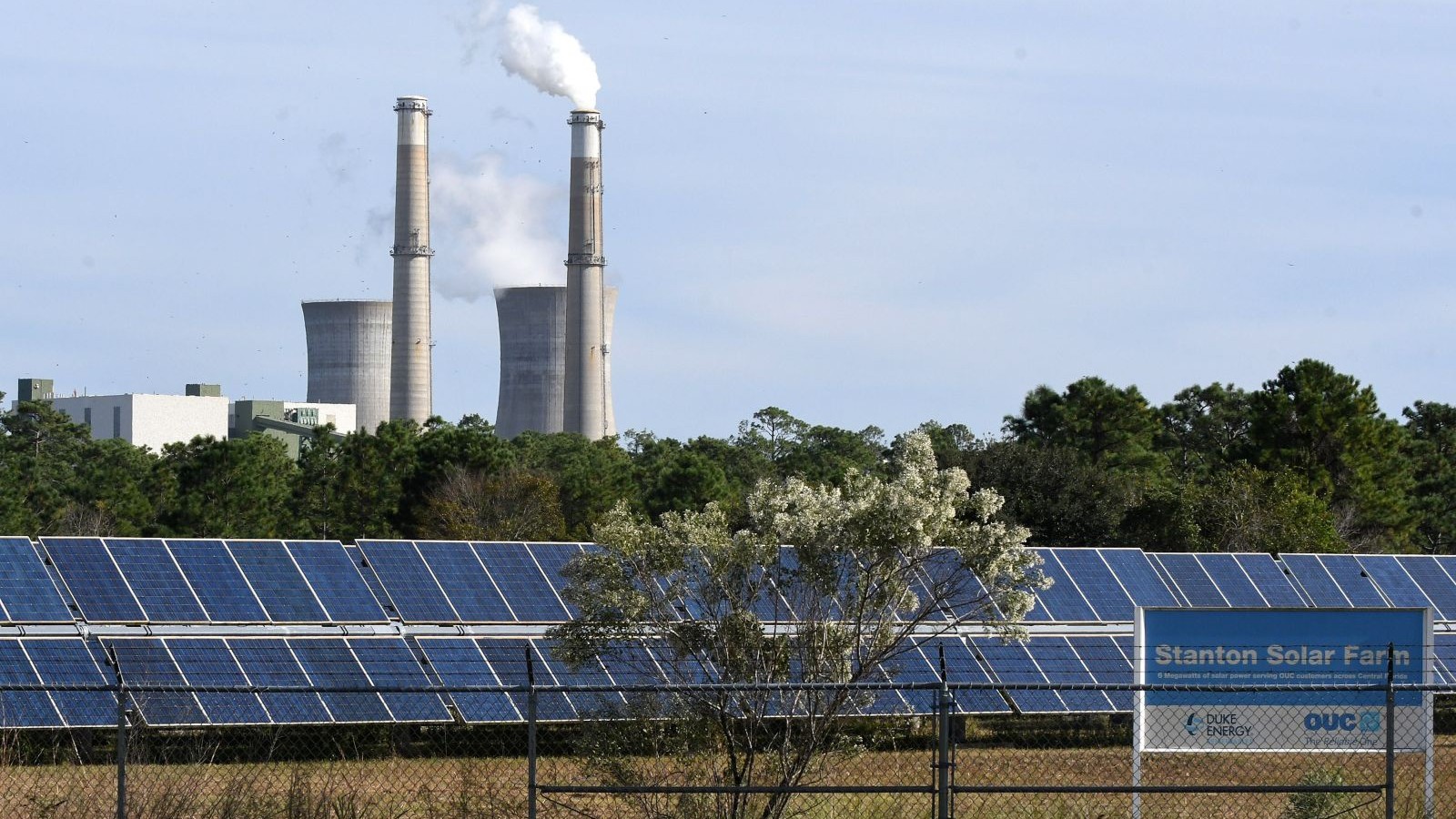
Despite broad agreement on the need for reform, negotiations have hit roadblocks over executive branch enforcement and environmental safeguards. President Donald Trump’s administration has signaled a willingness to greenlight renewable energy projects—such as wind and solar installations—as a concession to bring Democrats to the negotiating table. However, congressional Democrats remain skeptical, fearing that administrative foot-dragging could leave renewable projects vulnerable in practice even if streamlined in federal statute.
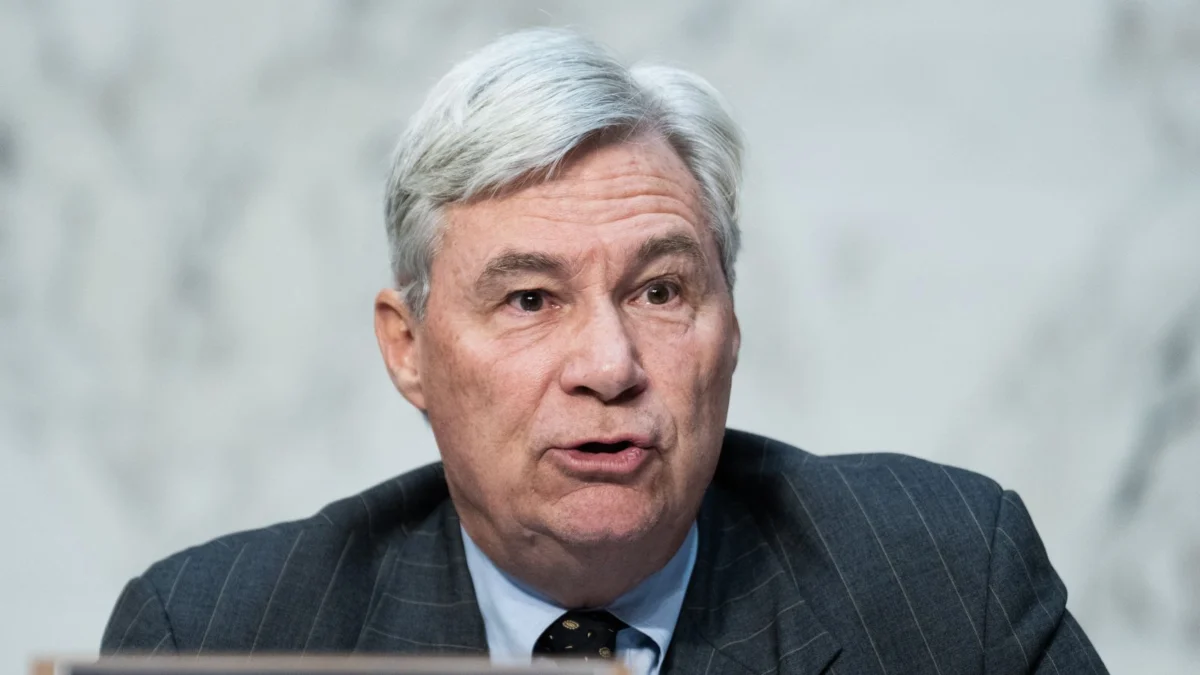
“I appreciate very much what the Trump administration has done to move in this direction, but in order to brief colleagues on what this really means, we need just a bit more clarity on exactly what return to regular order for wind and solar projects looks like,” Senator Sheldon Whitehouse, the top Democrat on the Senate Environment and Public Works Committee, told reporters. “So that’s still to be done, but that I think can happen in fairly short order.”
The Public Relations Problem: The Data Center Backlash
While industry leaders and lawmakers champion permitting reform as a vital economic engine, the legislative effort faces a severe public relations hurdle. Public opinion research indicates that data centers have become a toxic subject for average voters. Recent polling conducted by Redbud Consulting shows that strong majorities of Democrats, Republicans, and independents express deep skepticism and outright opposition to the construction of large data centers within their local communities.
“If you phrase permitting reform as serving data centers, the polling results get way worse,” explained Alex Lundry, president of Redbud Consulting. This dynamic places lawmakers—many of whom face competitive reelection bids in November—in a precarious political bind. While they recognize the urgent need to expand electrical infrastructure to power the economy, they are acutely aware that linking these measures to Big Tech data centers can alienate constituents.
Compounding voter anxiety is the soaring cost of living. Data from recent public opinion surveys indicate that roughly 70 percent of Americans have experienced noticeable increases in their household utility bills over the past year. Voters worry that the immense energy demands of commercial data centers will drive electricity prices even higher for residential ratepayers.
Recognizing these public anxieties, legislative action has emerged on both sides of Capitol Hill. Shortly before Senate negotiators neared completion of their permitting draft, the House of Representatives passed a separate bill designed to protect everyday consumers. The measure encourages states to compel data center developers to finance their own dedicated power generation facilities rather than drawing from public grids. Although that bill has currently stalled in the Senate—where some progressive Democrats argue the legislation does not go far enough to protect ratepayers—it underscores the growing political sensitivity surrounding energy consumption.
Rethinking the Narrative: Clean Energy and Economic Relief
Public opinion experts suggest that proponents of permitting reform must pivot their messaging if they hope to secure broader public backing. Lundry noted that traditional arguments centered on outcompeting China are losing resonance among everyday voters, who are increasingly focused on domestic economic pressures.
Instead, public opinion analysts recommend framing permitting reform primarily as a vehicle for expanding clean, renewable energy and lowering utility costs. Polling data from Redbud Consulting reveals that 71 percent of respondents view increasing the share of renewable energy in the national grid as the correct strategic direction. By emphasizing that streamlined permitting will help deploy affordable solar, wind, and storage projects more efficiently, lawmakers may be able to counter the negative perception surrounding data centers.
Broader Implications for American Infrastructure
As Capitol Hill prepares for the legislative recess ahead of the midterms, the timeline for passing the energy permitting bill remains uncertain. Reports indicate that key negotiators intend to resume intense discussions after the November elections. Depending on the outcome of the midterms and potential shifts in congressional control, the bill could face a crowded legislative calendar in the lame-duck session or be pushed into the next congressional term.
The stakes, however, could not be higher. The outcome of the Senate’s permitting reform negotiations will shape the trajectory of American energy independence, environmental protection, and technological innovation for decades to come. Whether Washington can successfully bridge the gap between industrial demands, environmental protection, and public skepticism will determine how the United States powers its economic future in an increasingly electrified world.










Leave a Reply