
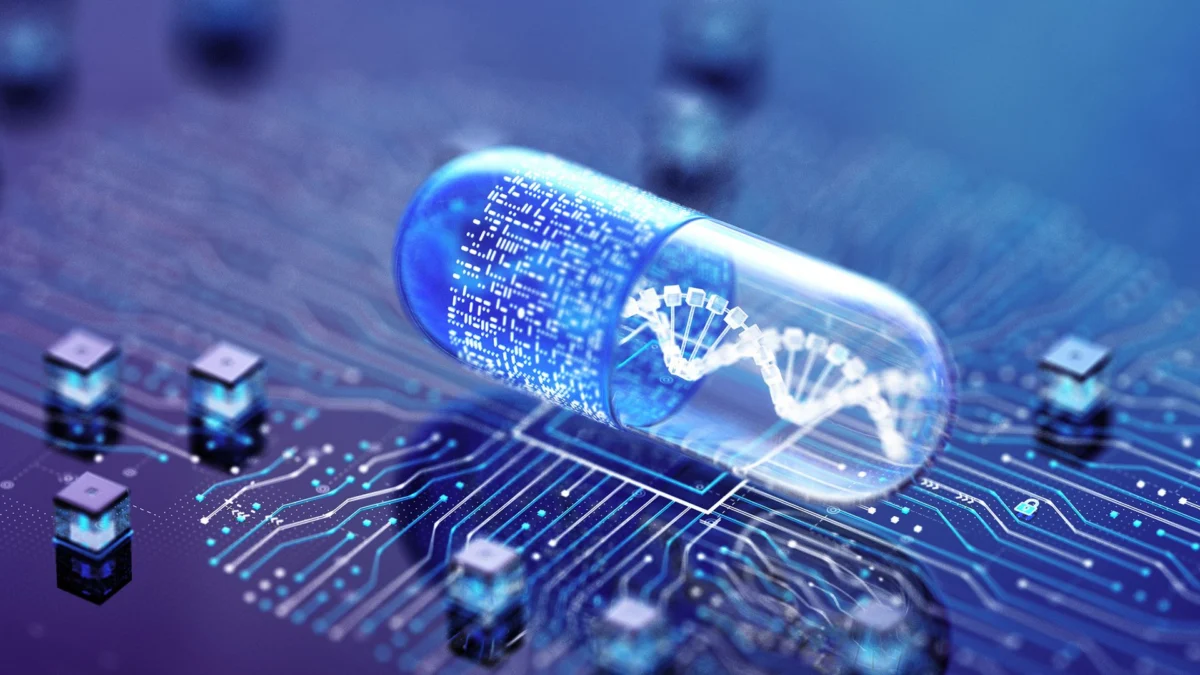
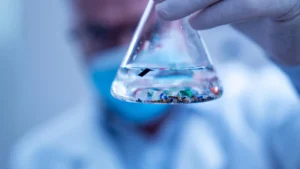
Researchers have successfully engineered a pioneering computational system powered by deoxyribonucleic acid (DNA) that leverages the physical laws of nature to perform complex calculations on an unprecedented scale. Housed within a minuscule droplet of water, this novel bio-molecular computer utilizes billions of interacting strands of DNA to execute algorithmic processes, vastly outperforming its technological predecessors in both computational density and energy efficiency.
While the concept of biological computing has hovered on the horizon of computer science for decades, this latest milestone moves the field from theoretical speculation toward practical application. By abandoning traditional silicon transistors in favor of molecular interactions, the scientific community has opened a compelling new frontier in how information is stored, processed, and retrieved.
The Mechanics of Molecular Computing: How DNA Replaces Silicon
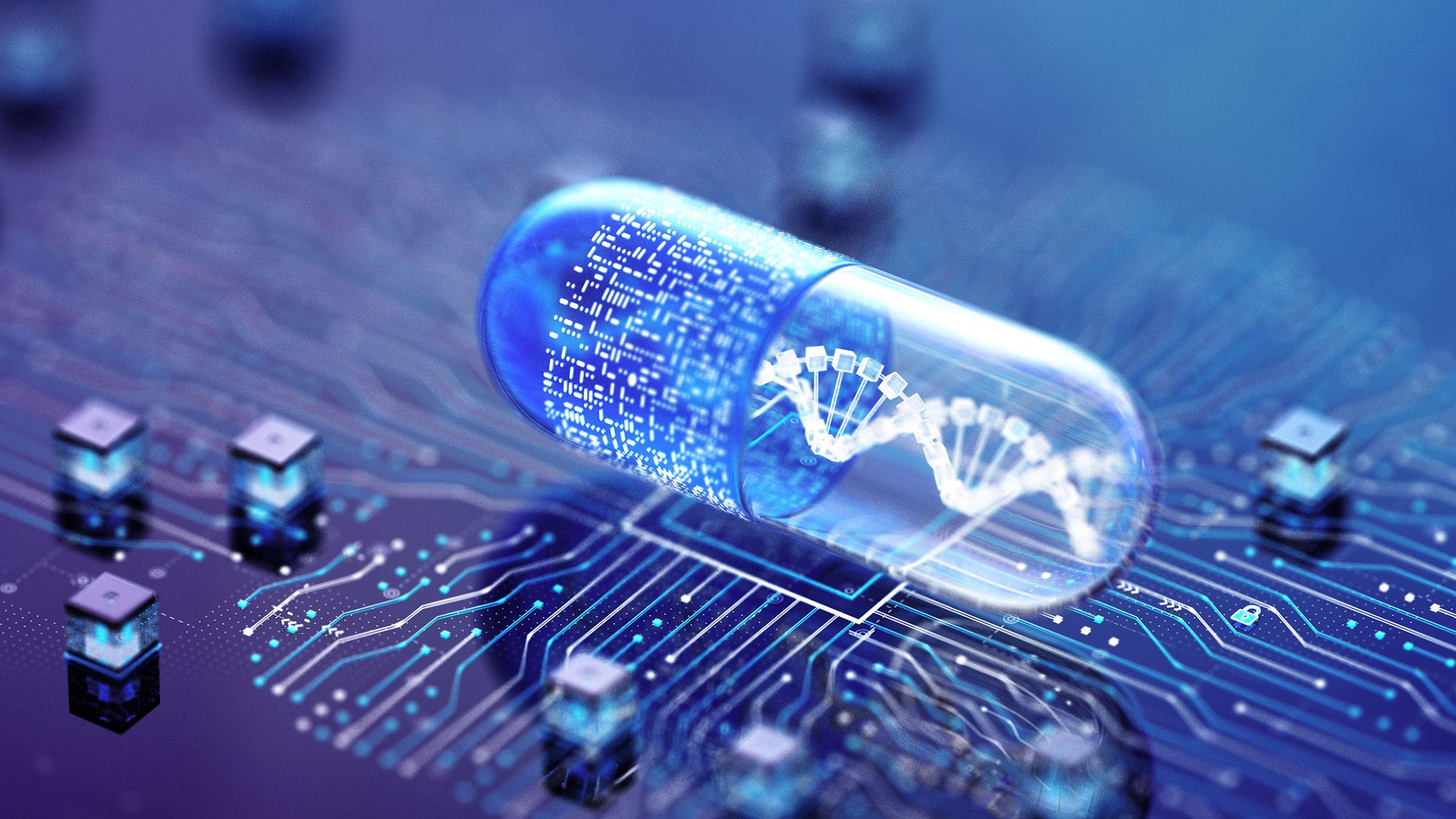
Traditional computers rely on the binary code of zeros and ones, processed through rigid silicon chips governed by electrical current. In contrast, DNA computing exploits the natural biochemical properties of genetic material. The fundamental building blocks of DNA—adenine (A), cytosine (C), guanine (G), and thymine (T)—possess a natural affinity to bind with specific complementary partners.
By carefully programming synthetic DNA sequences, scientists can orchestrate these molecules to self-assemble, react, and cascade in specific patterns. When suspended in an aqueous solution—such as a tiny drop of water—billions of these molecular reactions occur simultaneously. This parallel processing capability allows the DNA computer to evaluate vast numbers of variables at once.
Rather than calculating step-by-step like a classical central processing unit (CPU), the DNA-powered system harnesses thermodynamic laws and molecular kinetics. The system reads the results through fluorescent tags or biochemical readouts, effectively translating biological reactions into computational data. This method fundamentally changes energy consumption paradigms, as biochemical reactions require minuscule amounts of energy compared to the power-hungry infrastructure of modern server farms and supercomputers.
A Chronological Evolution: Decades of Progress Leading to the Breakthrough
The journey toward a viable DNA computer has been a long and collaborative effort spanning multiple scientific disciplines, bridging molecular biology, computer science, and theoretical physics.
- 1994: Computer scientist Leonard Adleman of the University of Southern California published a groundbreaking paper demonstrating the first use of DNA to solve a complex mathematical problem—specifically, the Directed Hamiltonian Path Problem (commonly known as the "Traveling Salesperson Problem"). This single experiment proved that biological molecules could perform computational operations.
- 2000s: Researchers around the globe began refining DNA algorithms, attempting to scale up the technology. However, early models suffered from severe limitations, including high error rates, slow processing speeds, and an inability to handle more than a handful of variables before the molecular mixture became chaotic and unmanageable.
- 2010s: The advent of advanced synthetic biology tools, such as CRISPR and precise oligonucleotide synthesis, allowed scientists to manufacture custom DNA strands with far greater accuracy. Researchers began developing logic gates made of DNA, mimicking the foundational electronic components of traditional computers.
- Present Day: The latest breakthrough successfully merges mass parallelism with stability. By utilizing billions of molecules in a controlled microfluidic droplet, researchers have achieved a level of calculation density that eclipses all previous iterations, significantly reducing error rates and operational timeframes.
Quantitative Comparison: DNA vs. Classical and Quantum Computing
To understand the significance of this development, experts evaluate DNA computing against existing paradigms: classical silicon computing and emerging quantum computing.
While classical computers excel at sequential logic and high-speed arithmetic, they struggle with massive combinatorial optimization problems—such as drug discovery, logistics routing, and molecular modeling—without consuming immense electrical power. Quantum computers tackle these challenges using qubits, but they require extreme cryogenic cooling systems to maintain stability, making them prohibitively expensive and logistically fragile.
DNA computing offers a compelling middle ground. Operating at room temperature within simple aqueous solutions, a DNA-based system can perform massive parallel computations natively. Because a single drop of water can harbor approximately $10^15$ (one quadrillion) DNA molecules, the data density per volume vastly surpasses any solid-state hard drive or processor currently on the market.
According to preliminary data released alongside the recent study, the new system demonstrated a multi-fold increase in successful calculation cycles compared to standard DNA computing benchmarks established five years ago. Furthermore, the thermodynamic efficiency of the system means that heat dissipation—a major bottleneck in modern data center design—is virtually eliminated.
Expert Perspectives and Official Responses
The scientific community has responded to the breakthrough with a mixture of cautious optimism and intense enthusiasm. Bioengineers and computer architects note that while the technology is still in its infancy, the implications for specific industrial sectors could be profound.
Dr. Aris Thorne, a computational biologist specializing in nucleic acid nanodevices, emphasized the paradigm shift represented by the research. "For a long time, we tried to force biology to act like electronics," Thorne noted in an independent assessment. "What this latest research shows is that by respecting the inherent laws of physics and chemistry governing DNA, we can let nature do the heavy lifting. We are no longer just building computers; we are growing computation."
Meanwhile, industry analysts point out that commercial viability will depend heavily on standardization and manufacturing costs. Synthesizing custom DNA strands on a mass scale remains expensive, though the biotechnology sector has seen dramatic cost reductions over the last decade due to advancements in medical diagnostics and gene-sequencing technologies.
Broader Implications and Future Applications
The realization of a high-capacity, DNA-powered computer carries wide-ranging implications across multiple fields:
- Medicine and Pharmacology: The human body operates on biological code. A DNA-powered computer could theoretically interface directly with cellular environments, analyzing complex biochemical signals in vivo. This could lead to smart therapeutics capable of diagnosing diseases and computing targeted drug releases directly inside the bloodstream.
- Cryptography and Data Security: DNA cryptography leverages the immense variability of genetic sequences to create virtually unbreakable encryption keys. Molecular computers could serve as the ultimate platform for generating and processing these advanced cryptographic models.
- Green Technology: As global data centers consume an escalating share of the world’s electricity, the energy footprint of computing has become a critical environmental concern. Biological computing offers a radically sustainable alternative, utilizing organic materials and operating at ambient temperatures with near-zero electronic waste.
- Complex Optimization: Industries ranging from global logistics to financial modeling rely on optimization algorithms. DNA computers are uniquely suited to evaluate millions of potential pathways simultaneously, potentially solving logistical bottlenecks in seconds that would take traditional supercomputers days or weeks to process.
As researchers continue to refine the stability, error-correction protocols, and read-out mechanisms of these water-droplet systems, the line between biology and digital technology continues to blur. While a consumer-grade DNA laptop remains a distant vision, the foundation has been firmly established. The future of computing may well be written not in silicon and electricity, but in the very building blocks of life itself.








Leave a Reply