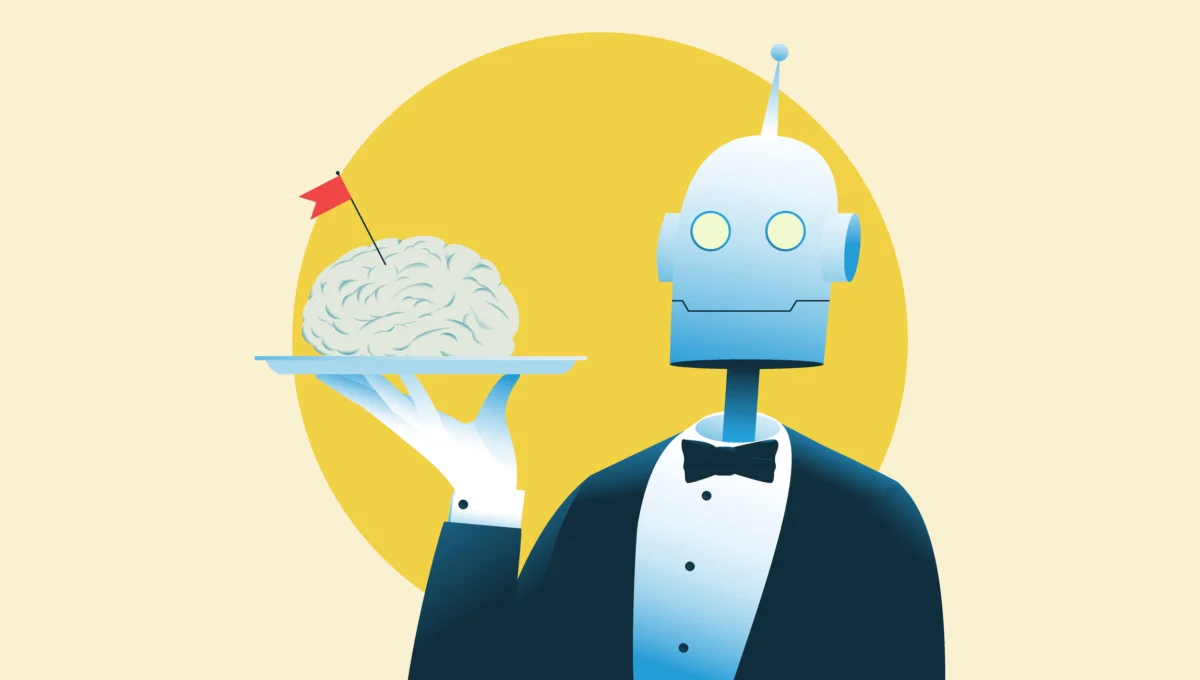
The recent controversy surrounding Dazzle AI CEO Marissa Mayer—who publicly detailed using generative AI to draft a school-assigned description of her daughter—is merely the latest in a string of high-profile incidents highlighting an increasing cultural friction between tech leadership and the average consumer. As industry titans like OpenAI’s Sam Altman and Meta’s Mark Zuckerberg continue to advocate for the delegation of fundamental human tasks to algorithms, a growing segment of the public and industry analysts are questioning whether these leaders have lost touch with the realities of daily life.
A Pattern of "Optimization" Concerns
The trend of AI-integrated parenting and socialization has become a flashpoint for critics who argue that the industry is pushing for the "optimization" of human existence at the expense of authentic connection. Sam Altman has frequently positioned ChatGPT as an indispensable tool for parents, suggesting in late 2025 that the software is essential for child-rearing and recommending that parents curate AI-generated podcasts to entertain their children during commutes. Similarly, Mark Zuckerberg has signaled that Meta’s roadmap includes the normalization of AI-mediated social and romantic interactions, where synthetic agents handle the nuances of relationship building.
These suggestions are being met with significant skepticism. Analysts argue that these recommendations treat the complexities of human development and emotional intimacy as "inefficiencies" to be solved by software. The core of the critique is not that the technology lacks utility, but that the industry’s vision for its application is fundamentally misaligned with what the general public values as essential to the human experience.
Chronology of the AI Integration Narrative
The shift toward total AI integration has accelerated rapidly over the last two years:
- Late 2025: OpenAI’s Sam Altman sparks debate by declaring he cannot envision modern parenting without the assistance of ChatGPT.
- August 2026: Altman doubles down on the narrative, suggesting that parents should replace traditional car-ride conversation with personalized AI-generated podcasts for their children.
- October 2026: Dazzle AI CEO Marissa Mayer draws fire for using an AI tool to complete a school-assigned project on behalf of her daughter, reigniting the "out-of-touch" discourse.
- October 2026: TechCrunch journalist Amanda Silberling publishes a critical analysis questioning whether AI executives are capable of building products that resonate with the average person.
- October 2026: Anthropic announces its intention to file for a public debut, placing the sustainability of the AI spending boom under increased scrutiny from Wall Street.
The Economic and Cultural Context
This debate occurs at a critical juncture for the artificial intelligence industry. While the sector has seen unprecedented capital investment, evidence is mounting that Wall Street’s appetite for endless AI spending is beginning to wane. As companies like Anthropic prepare for IPOs, the pressure to prove that AI products have genuine, widespread consumer utility is higher than ever.
Data from the past year suggests that while enterprise adoption of AI continues to climb—driven by productivity gains in coding, data analysis, and administrative workflows—consumer adoption remains uneven. Many users view AI as a "productivity multiplier" rather than a "lifestyle replacement." When executives frame these tools as replacements for parenting or dating, they risk alienating a user base that is increasingly wary of the "dystopian" implications of algorithmic intervention.
Product Development vs. Marketing Strategy
During a recent panel on the Equity podcast, industry observers debated whether this disconnect is a failure of marketing or a fundamental flaw in product philosophy. The consensus among critics is that it is a hybrid issue. Executives are often surrounded by peers with similar socioeconomic profiles—individuals who deal with high-frequency travel, scheduling, and logistical management. Consequently, the tools they prioritize are designed to solve "high-net-worth" problems, such as booking complex itineraries or managing social calendars, which are not the primary pain points for the general public.
"The marketing problem comes from when you have these high-up people at these massively valuable companies in a room together, talking about the pain points in their lives," noted Amanda Silberling. "Everybody does those things, but I’m not booking flights once a week. I’m not making dinner reservations all the time. The value that the average person is finding isn’t necessarily booking a flight."
The Rise of the "Anti-Optimization" Movement
The industry’s push for total optimization is inadvertently fueling a counter-cultural movement. A growing number of consumers are intentionally reverting to "dumb" technologies—such as the resurgence of flip phones, the purchasing of physical media like CDs, and a renewed emphasis on "unoptimized" offline hobbies.
This behavior suggests that while the convenience of AI is attractive for specific tasks, there is a clear boundary where users begin to feel that their humanity is being eroded. The cultural tension lies in the fact that technology companies are betting on a future where users want to outsource their decisions to an algorithm, whereas many consumers are signaling that they want to reclaim their autonomy.
Implications for the Future of AI
The failure to bridge this gap could have long-term consequences for AI companies. If the industry continues to market products as substitutes for human interaction, they may find themselves struggling to build a broad, loyal consumer base. History shows that successful tech products, such as those launched by Uber or early social media platforms, gained traction by solving clear, relatable pain points. In contrast, the current AI narrative often feels like it is searching for problems to solve that the public never asked to be addressed.
As Anthropic and other major players head toward public markets, the focus will likely shift from "visionary" promises to concrete, sustainable business models. If the primary selling point for consumer AI remains the automation of social and parental bonds, the industry may face an uphill battle in convincing investors—and the public—that they are building products for the real world rather than an isolated, tech-centric echo chamber.
Ultimately, the challenge for AI leadership is to pivot toward utility that enhances human capability without replacing the human element. Until that balance is struck, the perception that these companies are "out of touch" will likely persist, potentially creating a significant barrier to the mass-market adoption that the sector requires to justify its current multi-billion dollar valuations.