
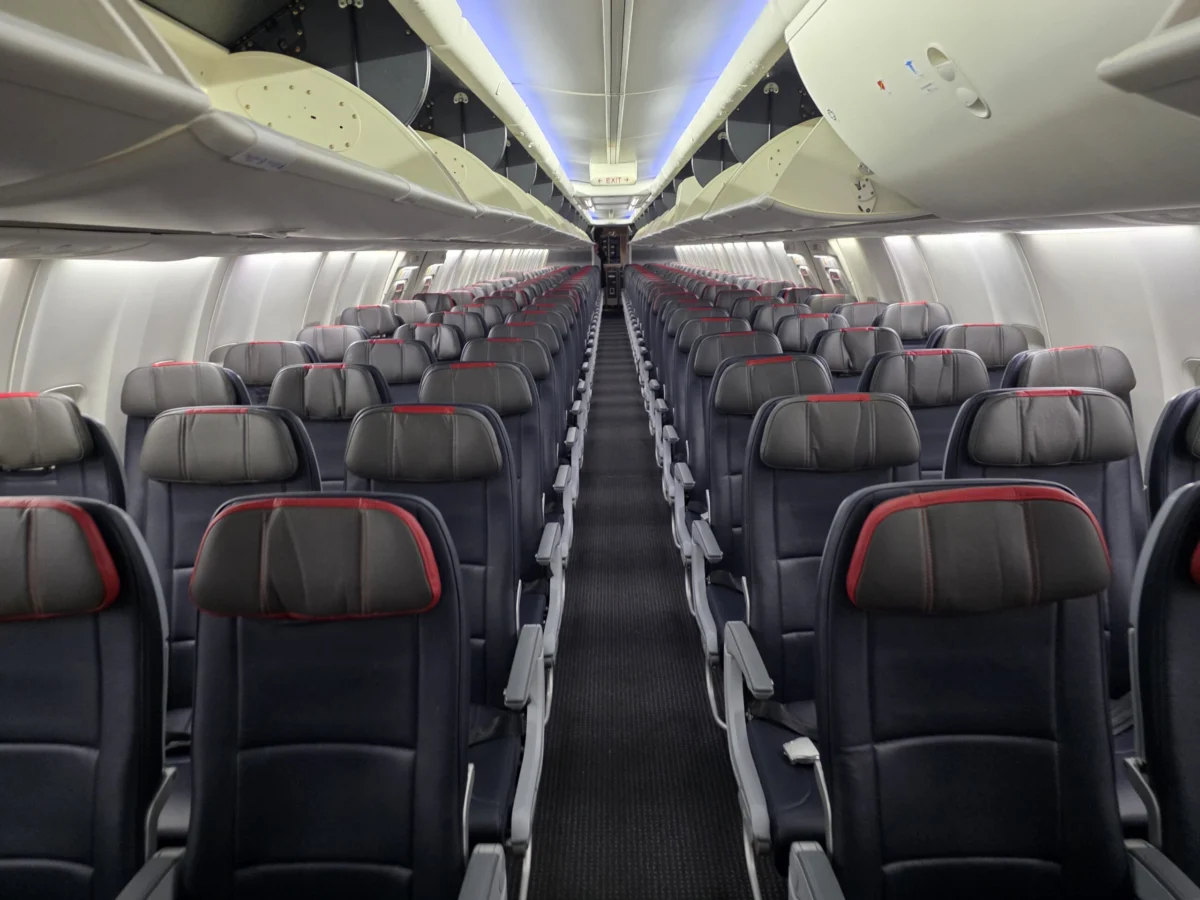
The airline industry’s strategic pivot toward loyalty-based revenue models was on full display at the recent oneworld Loyalty Summit held on September 8 in Fort Worth. As carriers grapple with shifting passenger demographics and a decline in traditional brand affinity, American Airlines has positioned its AAdvantage program at the center of its financial ecosystem. Nat Pieper, the Chief Commercial Officer of American Airlines, reported a 30% year-over-year surge in AAdvantage member acquisitions, framing the digital onboarding process as a critical funnel for its lucrative co-branded credit card portfolio.
The Financial Engine of Loyalty
For major U.S. carriers, co-branded credit cards have evolved from auxiliary revenue streams into primary profit drivers. American Airlines maintains a massive partnership with Citibank, which reportedly channels approximately $6 billion in annual revenue to the airline. Financial analysts note that the margins on loyalty-related revenue are exceptionally high, often exceeding 50%. This profitability relies on the airline’s ability to convert transient travelers—many of whom book through third-party platforms—into active, card-carrying members of the AAdvantage program.
The strategy hinges on data acquisition. By requiring an AAdvantage login for access to free onboard Wi-Fi, American Airlines effectively captures contact information and digital habits from passengers who might otherwise remain anonymous to the carrier. This mechanism is designed to transform the cabin into a lead-generation engine. The underlying hypothesis is simple: by growing the member base, the airline creates a larger pool of potential high-value credit card customers, with the airline’s marketing team aiming to convert at least one in eight new members into cardholders.
Shifting Sands: The Decline of Traditional Brand Loyalty
The push for digital growth comes at a time when consumer behavior is undergoing a fundamental shift. Henry Harteveldt, a noted industry analyst, presented data at the summit indicating that the percentage of passengers who characterize themselves as "loyal" to a specific airline has plummeted from 44% to just 13% over the course of his career. This decline suggests that price, convenience, and individual flight schedules now hold more sway than long-term brand affiliation.
Nat Pieper acknowledged this challenge, noting that while the market is fragmented, the airline industry retains a unique advantage: the allure of the destination. "Every credit card pitches the destination," Pieper noted, referencing the universal appeal of luxury locales like Bora Bora in travel marketing. However, the airline faces stiff competition from standalone bank rewards cards that often offer more flexible redemption options. To maintain market share, airlines are being forced to prove their value proposition beyond the flight itself.

The Hotel Industry Contrast
The summit provided a comparative look at loyalty strategies through a panel discussion featuring representatives from American Airlines, Capital One Travel, and the luxury hospitality sector. Parveen Chander Kumar of Taj Hotels offered a stark contrast to the airline industry’s data-centric approach. In the hospitality sector, loyalty is defined by granular, personalized service. Kumar described a culture where staff are expected to anticipate guest needs—such as replacing a specific brand of toothpaste before a guest even realizes they are running low.
This "human-centric" loyalty contrasts with the "transactional" approach common in aviation. While a hotel guest may remain loyal to a brand because they feel recognized and valued, airline passengers are often treated as anonymous data points. Industry observers point out that if airlines wish to reverse the decline in loyalty, they may need to move beyond simple data collection and focus on the qualitative aspects of the passenger experience.
Strategic Missteps and Missed Opportunities
While American Airlines has been successful in increasing its member acquisition numbers, critics point to a recent policy change that may undermine these efforts. As of December 17, 2025, American eliminated mileage-earning capabilities on basic economy tickets. Industry analysts suggest that this policy acts as a "self-inflicted wound," creating a barrier to entry for the very members the airline is trying to attract.
The consensus among industry experts is that the first flight taken by a new member should earn miles, regardless of the fare class. By failing to reward these initial trips, the airline misses a critical opportunity to incentivize further engagement. A robust database of members who have registered for Wi-Fi is only valuable if those members are incentivized to interact with the brand. If a member perceives the loyalty program as inaccessible or unrewarding, they are unlikely to convert into a credit card customer or a repeat flyer.
The Role of Smaller Carriers and Partnerships
The oneworld Loyalty Summit also highlighted the ambitions of smaller, regional carriers looking to expand their footprint in the U.S. market. Philippine Airlines, which already maintains codeshare agreements with American, Alaska Airlines, and Qatar Airways, was among the attendees exploring potential synergies. Discussions centered on the integration of these smaller carriers into the broader oneworld loyalty ecosystem.
Industry analysts predict that we may soon see these smaller airlines becoming points-transfer partners, which would broaden the utility of the AAdvantage program and provide more value to its members. The ability to leverage a global network of partners is one of the few remaining "moats" for legacy carriers, providing a distinct advantage over low-cost competitors that operate on a more limited basis.

Looking Ahead: The Future of Airline Loyalty
As the industry moves toward 2026, the focus will remain on whether these digital "leads" can be converted into long-term financial assets. The "optimistic case"—that a larger member base automatically translates into higher credit card revenue—is being tested. For this strategy to succeed, airlines must demonstrate that they are more than just a utility provider.
The successful implementation of digital connectivity, such as onboard Wi-Fi, provides a foundation for communication, but it is not a substitute for a genuine relationship. If American Airlines and its peers can successfully combine their massive data-collection capabilities with a more personalized, rewarding experience—starting from the very first flight—they may be able to stem the decline in brand affinity.
However, the risk remains that airlines will continue to focus on the quantity of their member files rather than the quality of their customer relationships. Programs that treat "joining" as a mere metric for success, without offering meaningful value to the consumer, run the risk of becoming digital silos that provide little long-term benefit to the airline’s bottom line. The path forward requires a delicate balance: maintaining the high-margin revenue provided by credit card partnerships while ensuring that the airline remains a preferred choice for travelers who have more options than ever before.
As the airline sector continues to integrate with financial institutions and global hospitality partners, the definition of a "loyal customer" will continue to evolve. The companies that succeed will be those that can transform a transient, Wi-Fi-seeking passenger into a long-term participant in an ecosystem that offers value at every step of the journey, from booking to boarding and beyond.







Leave a Reply