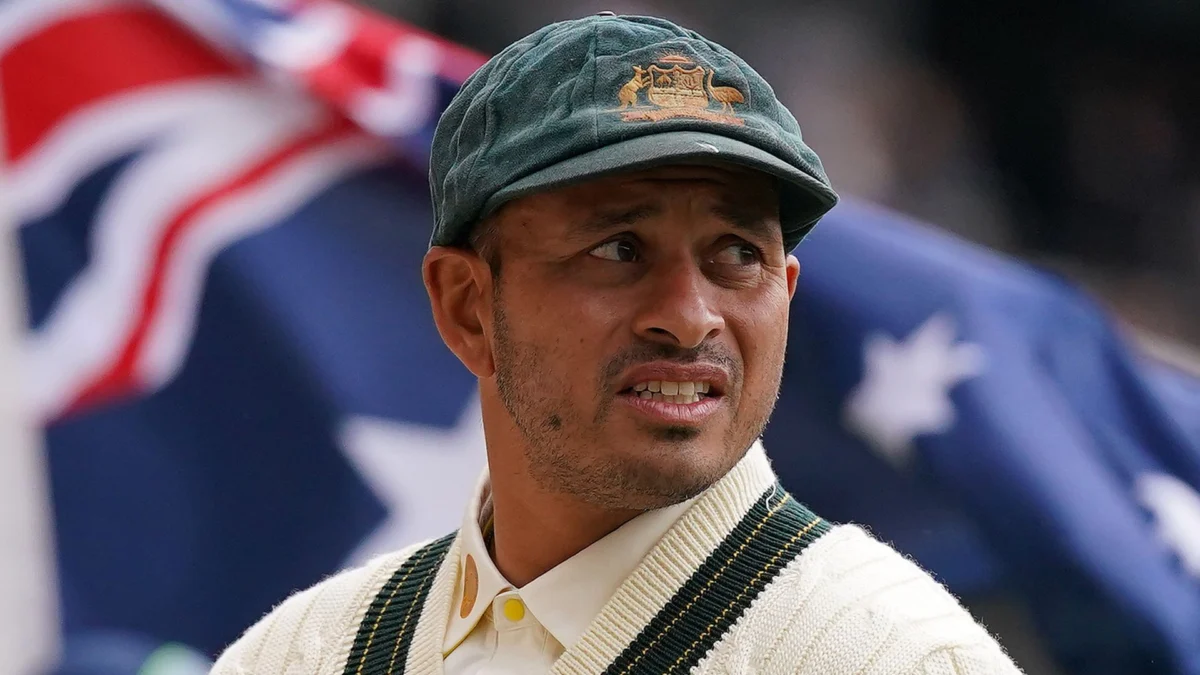
The explosive revelation comes from the former Australian opening batter’s new book, titled Sabr. His account directly contradicts the long-standing narrative maintained by Cricket Australia (CA) and several high-profile members of the 2018 squad. For eight years, the official stance has been that the orchestration and execution of the use of sandpaper to alter the condition of the ball involved only three individuals: captain Steve Smith, vice-captain David Warner, and opening batter Cameron Bancroft.
The Cape Town Catalyst: A Moment of Infamy
The scandal, which occurred in March 2018 during the third Test against South Africa at Newlands, remains one of the darkest chapters in the history of Australian cricket. The incident involved Bancroft being caught on television cameras attempting to use a piece of yellow sandpaper to manipulate the ball’s surface, aiming to induce reverse swing—a tactic strictly prohibited under the laws of cricket.
The fallout was swift and severe. Following an internal investigation, Cricket Australia imposed unprecedented sanctions. Smith and Warner were each suspended from international and domestic cricket for 12 months, while Bancroft received a nine-month ban. Furthermore, Smith was stripped of his captaincy, and Darren Lehmann eventually resigned as head coach, despite being cleared of direct involvement by the investigation.
Khawaja’s Claims: A Collective Responsibility
In his book, Khawaja argues that the isolation of the three penalized players was a failure of collective accountability. He asserts that the planning began earlier in the series, specifically during the second Test in Port Elizabeth.
"It was all of us," Khawaja writes. "Not the batters, not the bowlers, not the staff. All of us."

Khawaja recounts the immediate aftermath in the dressing room, stating that he urged his teammates to accept shared responsibility. "I said: ‘Take this as a team. We did this as a team. We knew what was going on. We have to take it as a team.’ I was always of that stance. Obviously, it didn’t work that way, and those three guys got crucified."
His decision to break his silence stems from a belief that the truth has been obfuscated for too long. He expresses surprise that more participants did not come forward in the intervening years, suggesting that a full admission would have provided the closure needed for the team to move on collectively.
The Timeline of Denial
The narrative of the "three culprits" was reinforced significantly in 2021. Following an interview in which Cameron Bancroft suggested it was "probably self-explanatory" that the bowling attack had been aware of the ball-tampering, the four primary bowlers involved in that Test—Pat Cummins, Mitchell Starc, Josh Hazlewood, and Nathan Lyon—issued a formal, joint statement.
The statement explicitly read: "We pride ourselves on our honesty. So it’s disappointing to see that our integrity is being questioned by journalists and pundits in what is now a third-hand account of the incident… We did not know a foreign substance was taken onto the field to alter the condition of the ball until we saw the images on the big screen at Newlands."
Khawaja’s latest intervention places this 2021 statement under significant scrutiny. It forces a re-evaluation of whether the Australian cricket hierarchy encouraged a policy of compartmentalization to protect the wider team and the reputation of the sport’s governing body.
Analyzing the Implications
The implications of Khawaja’s disclosure are profound for both the individuals involved and the governing body. For the players who have long maintained their ignorance, this creates a crisis of credibility. If the entire dressing room was aware, the narrative that three players acted in a vacuum—while the rest of the team remained oblivious—becomes increasingly difficult to sustain.
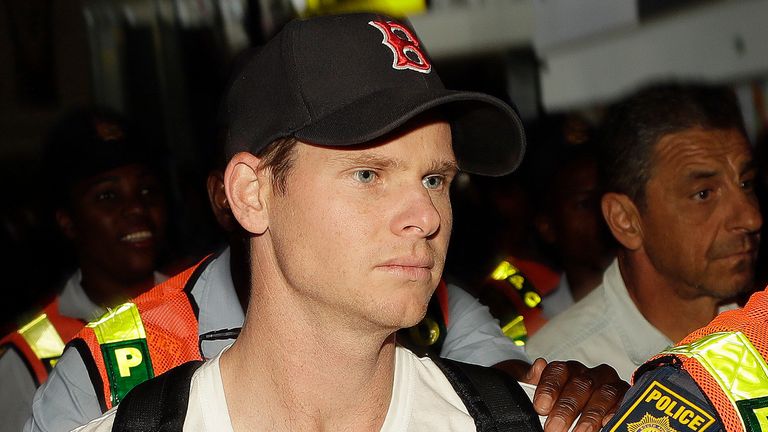
From a governance perspective, Cricket Australia faces questions regarding the depth and integrity of the 2018 investigation. If an entire squad was complicit, the decision to limit the sanctions to three individuals suggests a strategic effort to contain the scandal rather than address systemic issues within the team culture.
Historically, this revelation underscores the immense pressure that existed within the Australian setup under the leadership of that era. The "win at all costs" mentality, which had been criticized in the years leading up to 2018, appears to have fostered an environment where players felt compelled to participate in, or at least remain silent about, unethical practices to maintain their standing within the team.
The Sporting Context: Why It Still Matters
While eight years have passed, the "Sandpapergate" incident remains a touchstone for discussions regarding ethics in professional sports. The scale of the global condemnation at the time was unprecedented. Sponsors withdrew, the Australian Prime Minister intervened, and the team’s cultural reputation plummeted.
The fact that the truth is still being contested after nearly a decade suggests that the incident never truly reached a state of "resolution." For fans and critics, the lack of transparency has allowed the incident to fester. By bringing this to light, Khawaja is attempting to shift the burden of guilt from the three individuals who bore the brunt of the punishment back onto the team as a whole.
Official Reactions and Future Outlook
As of now, Cricket Australia has not issued a new, formal statement in response to the excerpts from Khawaja’s book. However, the pressure on those involved in the 2018 squad will likely intensify. The Australian cricket public, known for its high standards of conduct, is likely to demand further clarity.
Legal and ethical experts suggest that while no further sanctions are likely to be imposed—given the statute of limitations on such internal team matters—the moral weight of the scandal has been redistributed. The "three-man" theory, which served as a convenient explanation for a complex team-wide failure, has been effectively dismantled.

Conclusion: Seeking Closure
Usman Khawaja’s admission is, in many ways, an attempt to bring a sense of finality to a chapter of his career that has been defined by the shadows of Cape Town. Whether this leads to further confessions from other members of the 2018 side remains to be seen.
The broader lesson for sports organizations remains clear: when a culture of silence is prioritized over transparency, the truth rarely remains buried. The Australian team of 2018 now faces the reality that the "team-first" mentality they employed to protect one another in the immediate aftermath of the scandal may have been the very thing that prevented them from truly moving forward.
As the cricketing world reflects on these new revelations, the focus will likely shift from the specific act of ball-tampering to the institutional culture that allowed it to occur. The legacy of the 2018 Cape Town Test is no longer just about sandpaper; it is about the long-term cost of collective silence and the difficult, often painful, road toward genuine accountability. Whether this marks the final word on the matter or the beginning of a deeper reckoning, the sport of cricket remains profoundly shaped by the choices made by that Australian dressing room eight years ago.