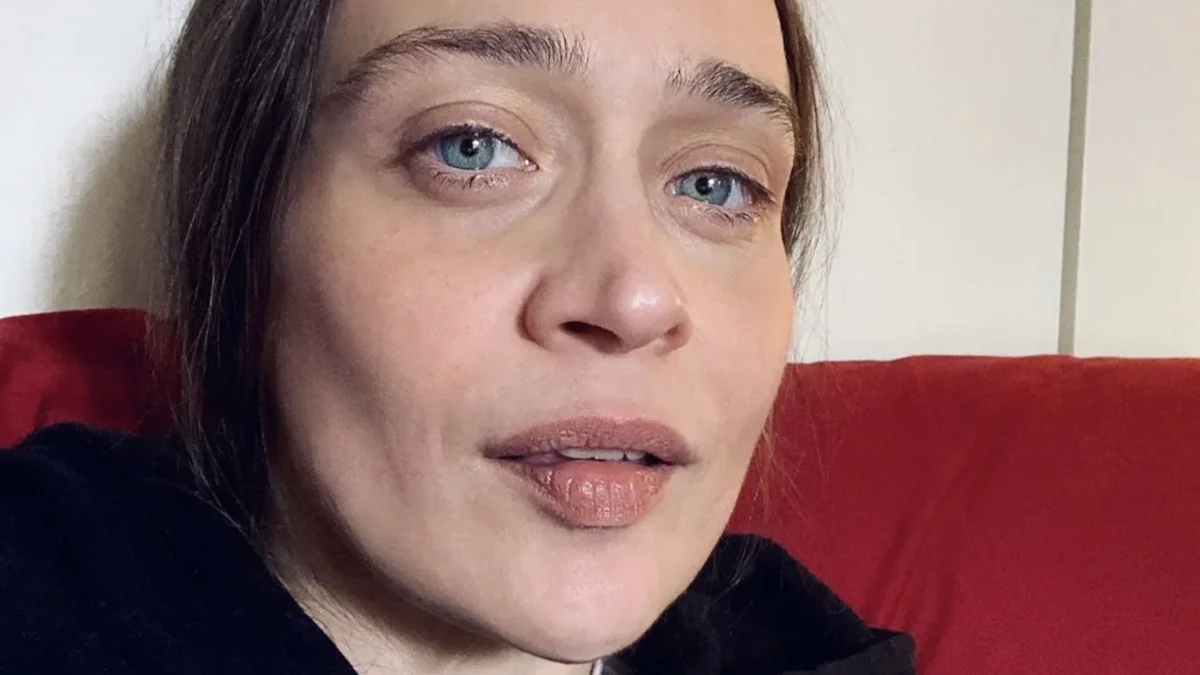
In a calculated response to the outcomes of Tuesday’s midterm elections, singer-songwriter Fiona Apple has unveiled a striking new interpretation of the 1968 protest anthem "Revolution," originally performed by the blues-rock band Mother Earth. The track, which serves as a thematic bookend to the political climate following the latest electoral cycle, features the collaborative efforts of her longtime creative partners David Garza, Sebastian Steinberg, and Amy Aileen Wood—a collective collectively referred to as The Bolt Cutters. This release serves as both a cultural commentary on the current political landscape and a philanthropic endeavor aimed at international humanitarian aid.
The song is set to be featured on Right Now, a forthcoming benefit compilation album curated and produced by the acclaimed drummer and producer Dougie Bowne. In alignment with the spirit of the original 1968 recording—a period defined by social unrest and political upheaval—the proceeds from the album are earmarked for Doctors Without Borders (Médecins Sans Frontières), the Nobel Prize-winning international medical humanitarian organization that provides emergency aid in conflict zones, epidemic-stricken areas, and regions suffering from natural disasters.
The Historical Context of Revolution
Mother Earth’s "Revolution," written by Tracy Nelson and released during the height of the late-1960s counterculture movement, remains a poignant artifact of American protest music. By choosing to record this specific track, Apple and her ensemble are tapping into a lineage of political expression that spans decades. The 1968 original emerged during a year of seismic shifts in the United States, marked by the assassinations of Martin Luther King Jr. and Robert F. Kennedy, as well as the escalating opposition to the Vietnam War.
Fiona Apple’s decision to revisit this material suggests a desire to bridge the gap between historical resistance and contemporary political frustrations. The Bolt Cutters, whose name is a nod to Apple’s critically lauded 2020 studio album Fetch the Bolt Cutters, bring a percussive, raw, and unvarnished aesthetic to the track that echoes the urgency of the original composition while updating the sonic palette for a 21st-century audience.
The Mechanics of the Benefit Compilation
Right Now, the album hosting this track, represents a growing trend in the music industry where artists utilize digital-first release strategies to generate immediate humanitarian support. By anchoring the release to the post-midterm news cycle, the project producers ensure maximum visibility, leveraging the heightened engagement of the public following electoral results.
The inclusion of "Revolution" on a compilation dedicated to Doctors Without Borders is particularly significant given the organization’s current operational challenges. As global geopolitical instability increases, the demand for non-partisan, independent medical care has surged. The choice of Doctors Without Borders as the beneficiary reflects a strategic alignment between the musicians’ intent to address global crises and the organization’s mission to operate in the most difficult environments on earth.
Chronology of the Recording and Release
The production of this track occurred in a compressed timeframe, designed to coincide with the conclusion of the midterm election cycle.
- Pre-Election Preparation: Throughout the autumn, producers and artists involved in the Right Now compilation began finalizing tracks, with Apple and The Bolt Cutters focusing on the Mother Earth arrangement.
- Tuesday, Election Day: As results began to filter in, the cultural conversation across the United States shifted toward the implications of the legislative shifts.
- Wednesday, Post-Election: The official announcement of the track’s release was synchronized with the public analysis of the midterm outcomes, ensuring the music was positioned as an immediate sonic response to the new political reality.
- Thursday and Beyond: The track was made available for streaming via digital platforms and social media integration, notably through Zelda Hallman’s Instagram account, facilitating a viral outreach model that prioritizes accessibility over traditional label-gatekeeping.
Artistic Collaboration and Musical Execution
The synergy between Fiona Apple and The Bolt Cutters—Garza on guitar, Steinberg on bass, and Wood on percussion—has been a cornerstone of Apple’s creative output since the recording of her fifth studio album. Their collaborative style is characterized by a "live-in-the-room" approach, often favoring spontaneity and emotional resonance over clinical production techniques.
In this cover of "Revolution," the ensemble maintains the driving, rhythmic foundation of the original while allowing Apple’s distinctive, emotive vocal delivery to provide a contemporary framing of the song’s lyrics. The track avoids the polished, high-gloss production typical of modern pop, instead leaning into the grit and distortion that defined the blues-rock era of the late 1960s. This choice reinforces the song’s identity as a protest piece, prioritizing message and authenticity over commercial radio-friendliness.
Broader Impact and Industry Implications
The release of this track highlights several ongoing trends in the music industry:
- Direct-to-Audience Philanthropy: Rather than relying on traditional chart-based revenue models, artists are increasingly turning to curated compilations to drive specific, measurable aid to non-profit organizations.
- The "Protest Song" Resurgence: Much like the mid-20th century, the current decade has seen a rise in the frequency of protest music. Artists are finding that covering classic anthems provides a familiar yet provocative lens through which to view current policy debates.
- Social Media as the New Distribution Hub: The reliance on influencers and personal social media feeds, such as the Zelda Hallman Instagram clip, to disseminate new music marks a departure from the traditional press-release-and-radio-plug model. This allows for a more intimate, immediate, and direct connection with a core fan base.
Analysis of the Midterm Context
While the song itself is a cover, its timing is not incidental. The midterm elections serve as a bellwether for the American political climate, often indicating the public’s sentiment toward incumbent leadership and the trajectory of national policy. By releasing a song centered on the theme of "Revolution" in the immediate aftermath of these elections, Apple and her collaborators are implicitly commenting on the state of democratic participation.
Analysts note that protest music serves as a necessary outlet during periods of intense political polarization. When the electoral process leaves significant portions of the population feeling unheard, art often fills the vacuum. "Revolution" acts as both a catalyst for reflection and a rallying point for those engaged in the social issues that the song addresses—namely, the push for institutional change and the rejection of the status quo.
Future Developments for the Project
As Right Now moves toward a full release, industry observers will be watching to see if this model of rapid-response benefit albums gains further traction. The success of the Apple track will likely depend on its streaming longevity and its ability to raise awareness for the medical humanitarian efforts of Doctors Without Borders.
For fans of Fiona Apple, the release provides a rare, albeit brief, glimpse into the singer’s current creative focus. Known for her deliberate and often lengthy intervals between studio albums, these collaborative one-offs serve as important touchstones for her audience, providing insight into the issues that animate her outside of the traditional album cycle.
Conclusion
Fiona Apple’s cover of "Revolution" is more than a mere tribute to a 1968 classic; it is a calculated artistic intervention in the contemporary political landscape. By aligning herself with The Bolt Cutters and the Right Now compilation project, Apple has effectively utilized her platform to facilitate a dialogue between the past and the present. As the proceeds move toward the urgent medical work performed by Doctors Without Borders, the track stands as a testament to the enduring power of music to act as a vehicle for both political expression and tangible humanitarian impact. In the coming weeks, as the full scope of the Right Now compilation becomes clear, it is expected that this track will remain a central point of discussion, underscoring the vital role that musicians play in the ongoing narrative of American civic life.