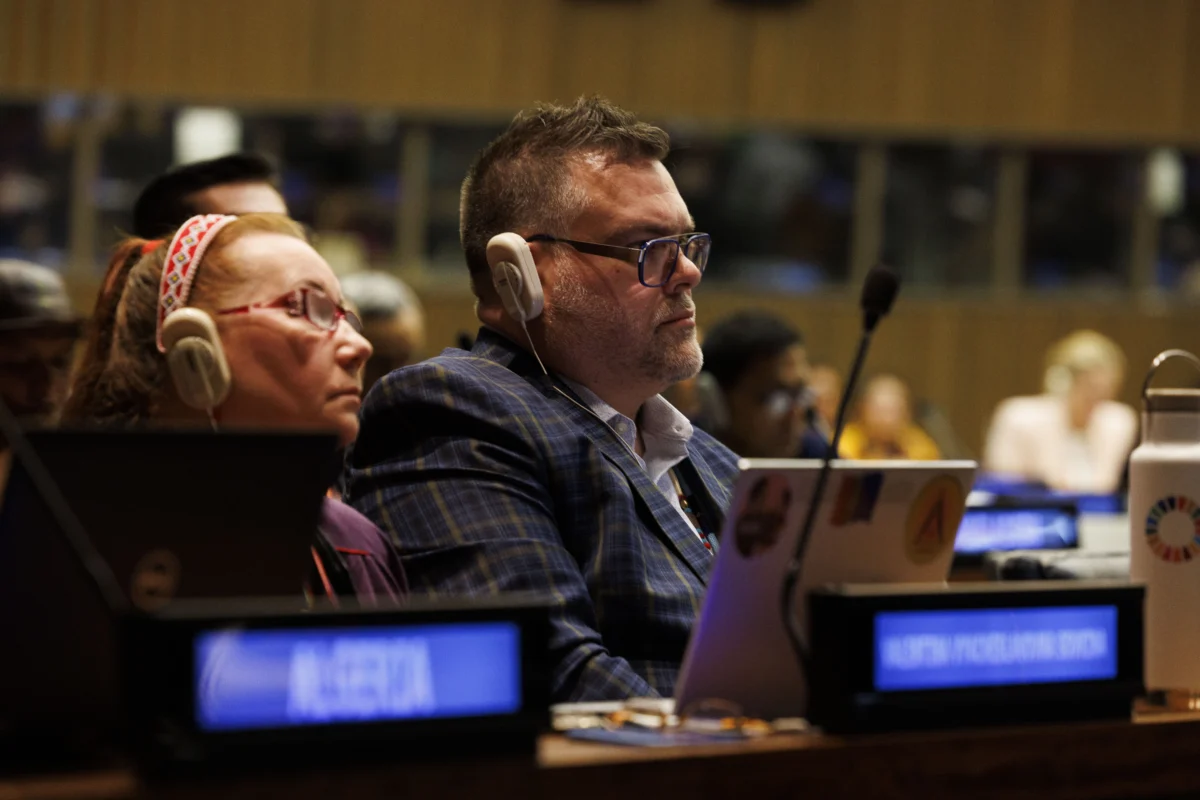
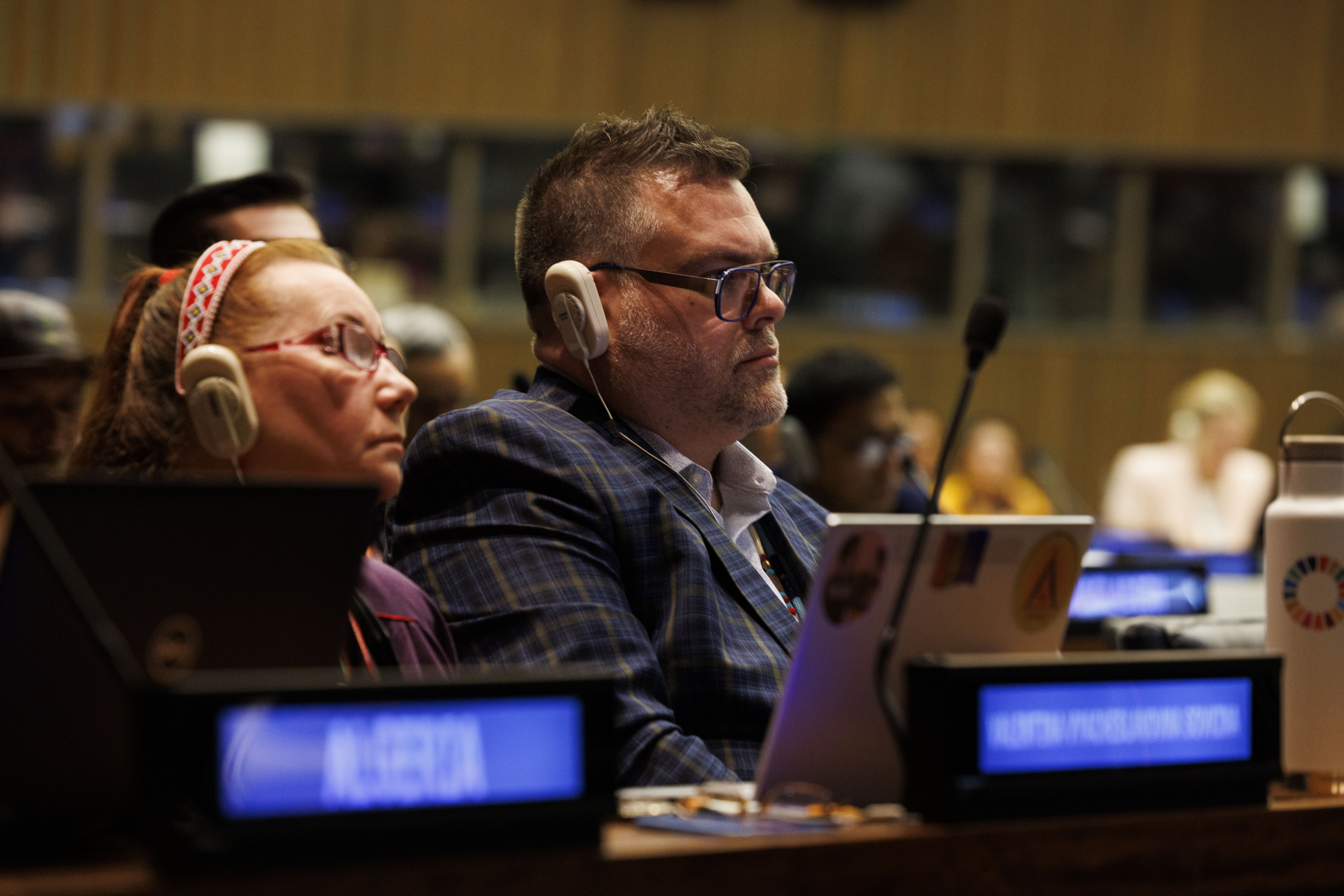
Hundreds of delegates representing Indigenous nations from every corner of the globe have converged at the United Nations Headquarters in New York for the 24th session of the United Nations Permanent Forum on Indigenous Issues (UNPFII). This gathering, recognized as the world’s largest and most significant assembly of Indigenous peoples, occurs at a pivotal moment in international relations. As participants convene, they find themselves navigating a global landscape defined by a rapid artificial intelligence boom, an accelerating transition to green energy, and a surge in geopolitical instability. This year’s forum is set against a backdrop of increasing hostility toward Indigenous sovereignty, characterized by restrictive visa policies in the United States and a growing trend of "digital extractivism" that threatens to commodify traditional knowledge.
The official theme for the 2025 session, "Ensuring Indigenous peoples’ health, including in the context of conflict," reflects a somber reality: many Indigenous communities are currently caught in the crossfire of armed warfare or are facing the systemic violence of displacement. Experts and advocates argue that the health of Indigenous peoples cannot be addressed through a narrow clinical lens. Instead, it must be understood as a holistic state of being inextricably linked to land rights, environmental integrity, and the preservation of cultural heritage. As the forum progresses, the primary focus remains on the survival of these communities amidst the twin pressures of climate change and modern militarization.
The Holistic Framework: Indigenous Determinants of Health
A cornerstone of this year’s discussions is a comprehensive report authored by Geoffrey Roth, a descendant of the Standing Rock Sioux and a former vice chair of the Permanent Forum. Roth’s report, submitted to the UNPFII, challenges conventional Western medical paradigms by introducing the "Indigenous determinants of health." This framework posits that the well-being of Indigenous individuals is dependent on collective factors such as land tenure, governance authority, and the ability to practice traditional ceremonies.
Roth argues that the fragmentation of Indigenous health by state governments and UN agencies—often siloing it into public health or medical categories—fails to address the root causes of Indigenous suffering. For instance, the report highlights how state-sanctioned language erasure contributes directly to mental health crises, while the loss of access to traditional food systems leads to chronic physical ailments. "Indigenous health is not just about healthcare; it’s about land, culture, food systems, and community," Roth stated.

The report also brings to light the issue of "obstetric violence" and the marginalization of Indigenous midwifery. For centuries, Indigenous women have relied on traditional birthing practices, yet many modern states have banned these methods in favor of Western institutionalized care. In these settings, Indigenous women frequently report facing systemic racism and undergoing medical procedures without informed consent. The forum is calling for a global recognition of traditional health practitioners as essential to the survival of Indigenous lineages.
Digital Extractivism and the AI Frontier
As the world experiences an unprecedented surge in artificial intelligence development, the UNPFII has turned its attention to the "double-edged sword" of digital technology. Hindou Oumarou Ibrahim, an Indigenous Mbororo leader from Chad and former chair of the forum, issued a stark warning regarding the rise of digital extractivism. While AI offers potential benefits for monitoring ancestral territories and revitalizing endangered languages, it also poses a significant threat to Indigenous intellectual property.
Generative AI systems are increasingly being used to scrape cultural content, including sacred medicinal knowledge, traditional stories, and even genetic data, often without the consent or knowledge of the originating communities. This "data mining" represents a new frontier of colonization, where the intangible assets of Indigenous peoples are harvested for corporate profit. Lydia Jennings, an assistant professor at Dartmouth College and a citizen of the Pascua Yaqui Tribe, shared a troubling instance where a mining corporation utilized Indigenous cultural data from an environmental impact statement to promote its commercial interests on its website.
Jennings and other advocates are championing the movement for Indigenous Data Sovereignty. This framework asserts that Indigenous nations must have the right to own, control, and govern data that pertains to their people, lands, and cultures. The forum is currently exploring how to implement international standards that prevent AI developers from exploiting Indigenous knowledge while ensuring that tribes have the infrastructure to host their own data centers if they choose to do so.
The Paradox of the Green Transition
The global shift toward renewable energy, intended to combat climate change, has ironically emerged as a major driver of Indigenous rights violations. The demand for critical minerals such as lithium, cobalt, and copper—essential for electric vehicle batteries and solar panels—has triggered a new wave of extraction on Indigenous lands. Delegates at the forum have pointed out that many "green" projects are being implemented without the Free, Prior, and Informed Consent (FPIC) required under the United Nations Declaration on the Rights of Indigenous Peoples (UNDRIP).
In response, Indigenous leaders are echoing a long-standing demand for direct access to climate financing. Currently, the majority of international climate funds are funneled through state governments or large NGOs, which often act as intermediaries and divert resources away from the grassroots level. Advocates argue that Indigenous communities, who protect an estimated 80% of the world’s remaining biodiversity, are the most effective stewards of the environment and should be funded directly to implement their own climate adaptation strategies.
Chronology of Barriers: From Visas to "Fortress Conservation"
The path to the United Nations has become increasingly difficult for many delegates, particularly those from the Global South. A significant portion of the forum’s preliminary discussions has focused on the practical barriers to participation. Many Indigenous representatives from Africa and South America have reported that their visa applications were denied by U.S. consular offices, citing restrictive policies that have persisted through multiple administrations.
Mariana Kiimi Ortiz Flores of Cultural Survival noted that the "general climate of insecurity and hate speech" has made Indigenous delegates feel targeted based on their appearance and origin. This exclusion limits the diversity of voices at the forum and undermines the UN’s mandate to serve as a platform for all peoples.
Beyond physical travel, Indigenous mobility is also being restricted on their own lands. A February report focusing on nomadic and pastoralist peoples warned that "fortress conservation"—a model that seeks to protect biodiversity by excluding human presence—is displacing hunter-gatherers and seafarers. In Kenya, the Maasai people have reported that their communal lands are being subdivided for carbon offset projects, which restrict the movement of livestock and threaten food security. "Mobility has everything to do with us adapting to climate change," said Samante Anne of the Mainyoito Pastoralists Integrated Development Organization.
The Technical Battle: Indigenous Peoples vs. "Local Communities"
A recurring point of contention within the UN system is the use of the acronym "IPLC," which stands for "Indigenous Peoples and Local Communities." While the term is frequently used in environmental treaties and by organizations like the World Health Organization (WHO), Indigenous leaders are calling for its immediate retirement.
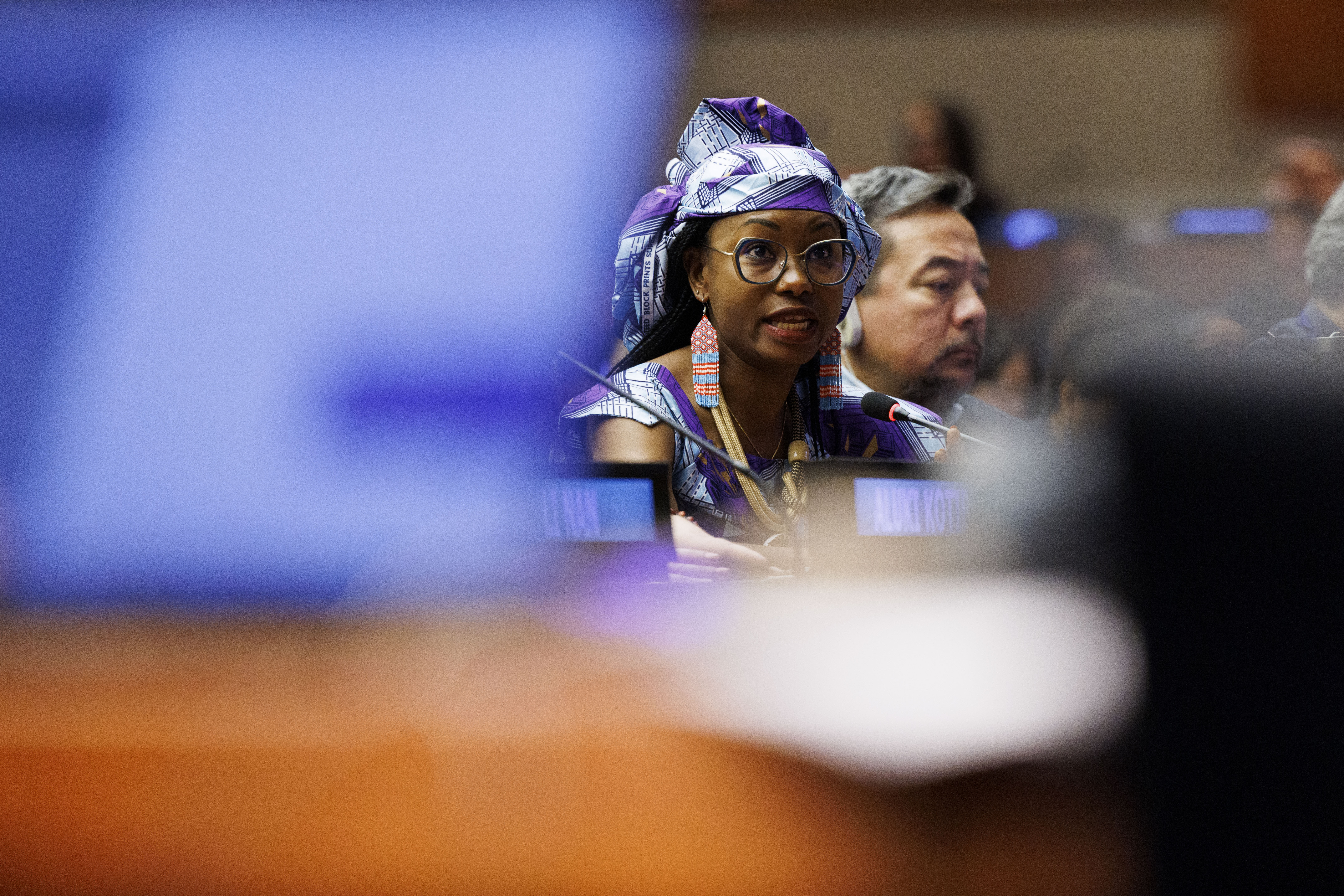
The distinction is more than semantic; it is a matter of international law. Indigenous peoples possess specific, recognized rights to self-determination and land tenure under UNDRIP, whereas "local communities" is a broad, ill-defined category that does not carry the same legal weight. Geoffrey Roth and other experts argue that lumping the two groups together dilutes the specific claims of Indigenous nations and allows states to sidestep their legal obligations. In 2023, the three top Indigenous rights bodies at the UN issued a joint statement demanding that environmental treaties stop using the acronym to ensure that Indigenous rights are not "submerged" within a larger, less-defined demographic.
Broader Implications and Analysis
The 2025 session of the Permanent Forum underscores a growing disillusionment with international institutions. Many delegates feel that while the UN provides a platform for dialogue, member states often disregard the recommendations and laws established within its halls. The "crisis of influence" facing the UN is particularly acute for Indigenous peoples, who remain among the most marginalized populations globally despite their central role in environmental conservation.
However, the continued high attendance at the forum suggests that Indigenous nations still view the UN as a vital space for visibility and international solidarity. The shift toward a rights-based approach to health, the demand for data sovereignty, and the push for direct climate financing represent a sophisticated evolution in Indigenous advocacy. These communities are no longer merely asking for protection; they are asserting their roles as sovereign actors in the global economy and the digital age.
As the forum concludes its two-week session, the international community faces a choice: to continue the extractive practices of the past under the guise of "green" progress and "AI" innovation, or to respect the legal and territorial boundaries of the world’s oldest cultures. For the delegates in New York, the struggle for health and survival is inseparable from the struggle for the land itself. As Mariana Kiimi Ortiz Flores summarized, "If we as Indigenous peoples don’t do it, no one else will speak for us and defend us."