Blue Origin, the aerospace company founded by Jeff Bezos, has officially announced a significant expansion to its heavy-lift launch vehicle, New Glenn. In a strategic move designed to bolster the rocket’s versatility for deep-space missions and complex satellite deployments, the company has unveiled the GS3 third stage. This development, coupled with the simultaneous announcement of the "Northstar" first-stage engine, marks a critical pivot for the company as it seeks to secure a more robust footprint in the competitive commercial and government launch sectors.
Enhancing Orbital Capabilities with GS3
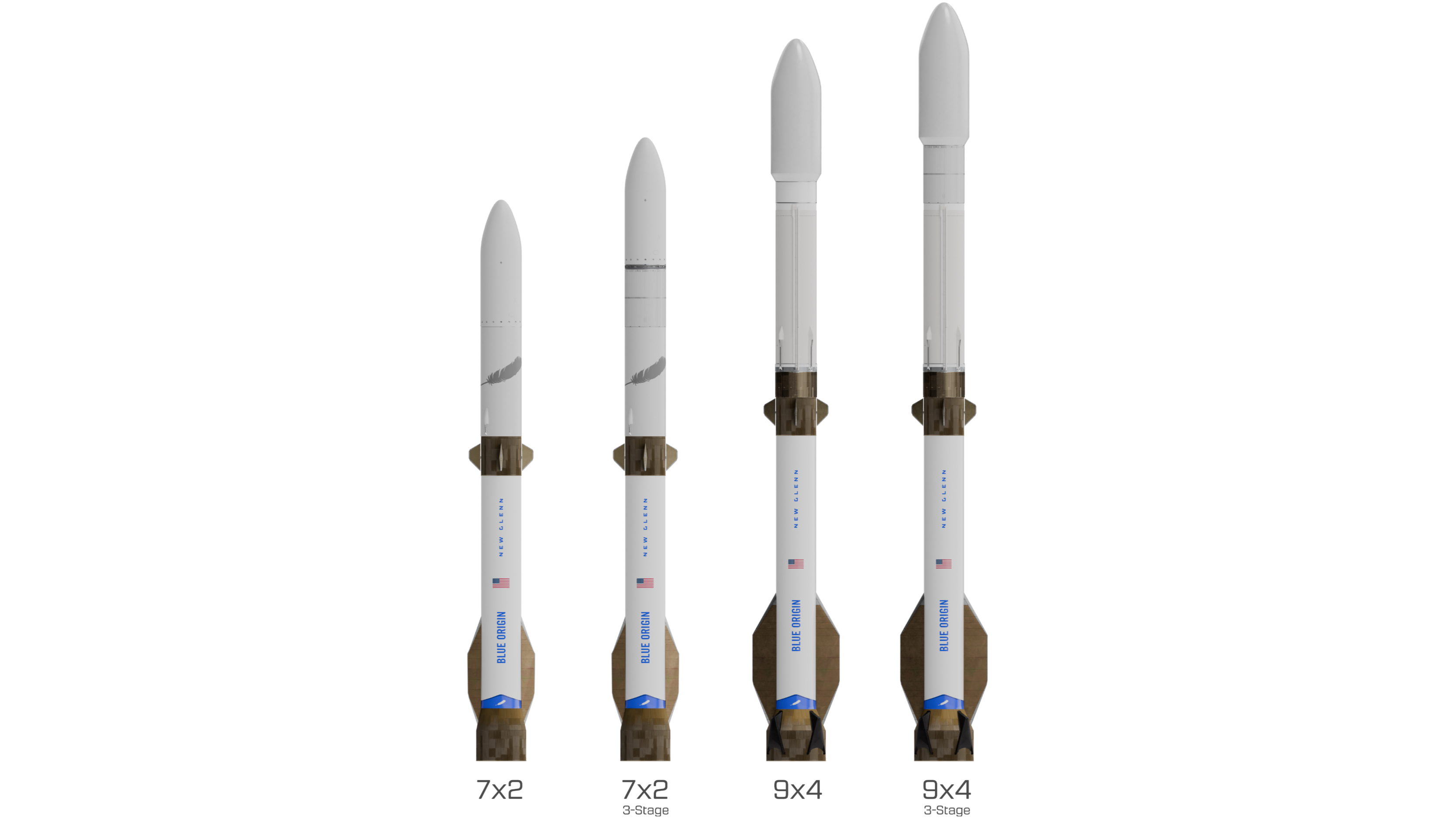
The GS3 third stage represents a fundamental shift in how the New Glenn rocket will handle high-energy orbital maneuvers. Historically, New Glenn has been categorized as a two-stage vehicle, with a reusable first stage powered by seven BE-4 engines and a second stage utilizing two BE-3U engines. While this configuration is highly efficient for low Earth orbit (LEO) and geostationary transfer orbit (GTO) missions, the introduction of a third stage allows for a more surgical approach to mission profiles.
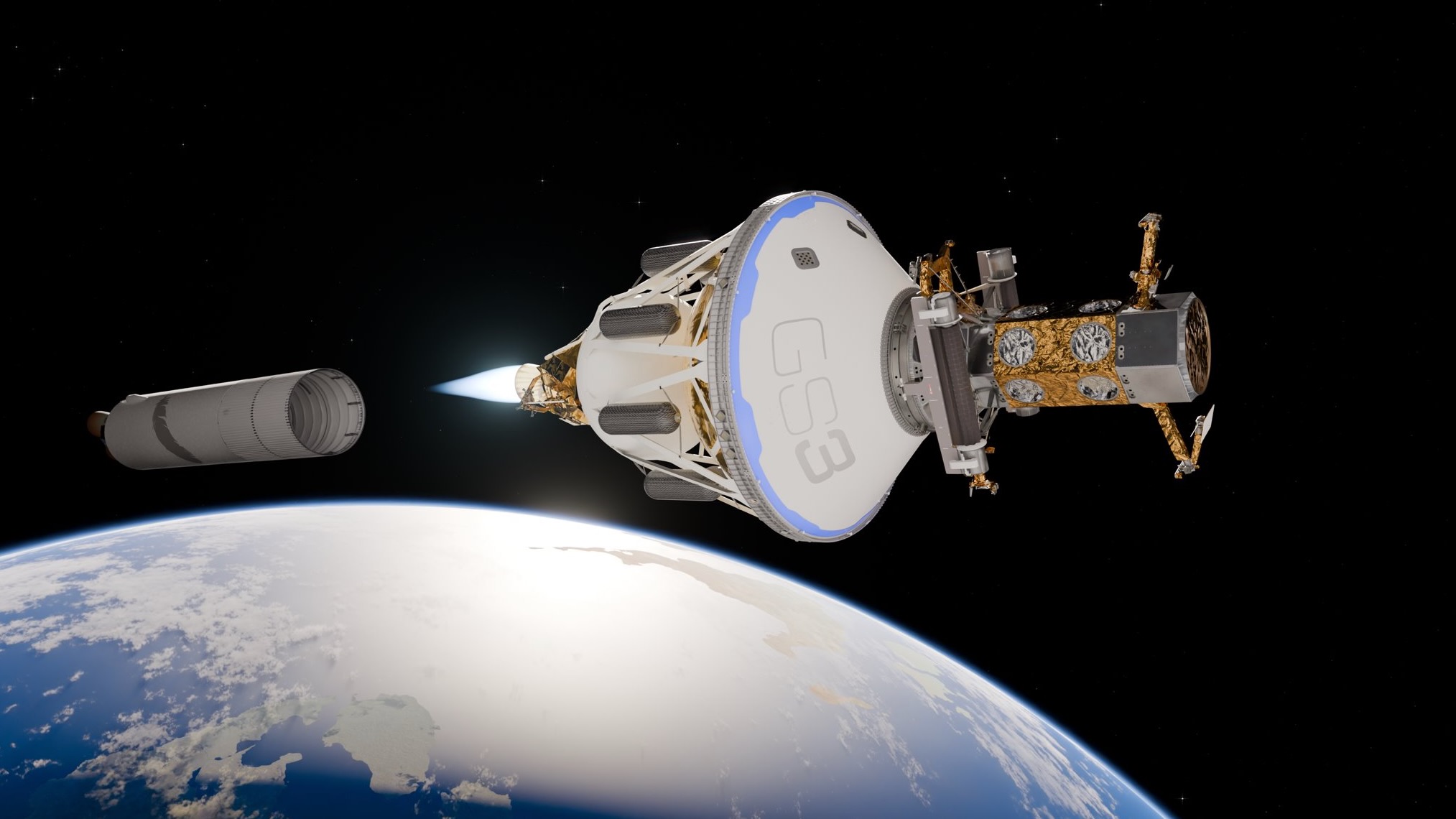
According to Blue Origin, the GS3 is designed to enable the direct deployment of satellite constellations into geostationary orbit (GEO). This is a vital capability for modern telecommunications and surveillance operators, as it eliminates the need for satellites to perform long, fuel-consuming maneuvers after deployment. By delivering payloads directly to their final destination, the GS3 maximizes the operational lifespan of expensive hardware.
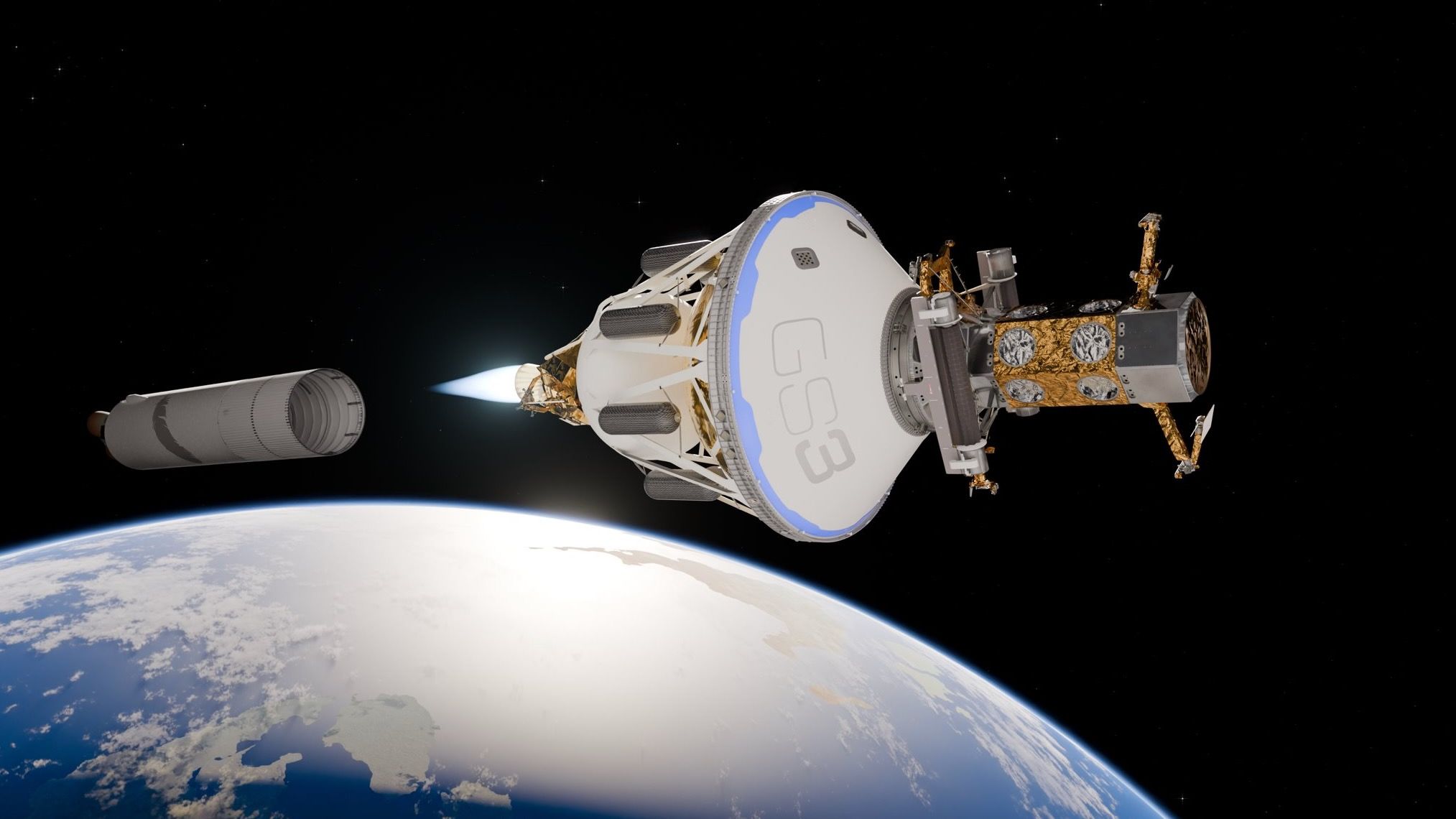
Furthermore, the third stage is optimized for heavy-lift science and exploration missions targeting the Moon and beyond. The GS3 is powered by a single BE-7 engine—the same powerplant utilized in Blue Origin’s Blue Moon lunar lander. This commonality suggests a highly integrated approach to the company’s lunar architecture. By utilizing the BE-7, which is designed for high-efficiency vacuum operations, the GS3 can effectively execute trans-lunar injection (TLI) maneuvers. This capability allows for faster transit times to the Moon, leaving more propellant in the spacecraft’s tanks for on-orbit maneuvers once the destination is reached.
A Chronology of New Glenn’s Development and Challenges
The introduction of the GS3 occurs against the backdrop of a rigorous and sometimes tumultuous development schedule for New Glenn. The rocket, which stands 322 feet (98 meters) tall in its standard "7×2" configuration, represents the cornerstone of Blue Origin’s orbital ambitions.
The vehicle made its highly anticipated debut in January 2025, successfully reaching orbit and marking a major milestone for the Kent, Washington-based company. A second flight followed in November 2025, which saw the company successfully land the massive first-stage booster for the first time following a mission for NASA. The third flight took place on April 19, 2026; however, the mission encountered a significant anomaly. While the rocket launched successfully, it failed to place the AST SpaceMobile BlueBird 7 communications satellite into the correct orbit, resulting in the total loss of the asset.
The setbacks were compounded just over a month later on May 28, when a New Glenn booster was destroyed in a massive explosion during a routine pre-launch engine test at Cape Canaveral Space Force Station. The incident caused significant damage to the launch pad infrastructure, forcing Blue Origin into an extensive recovery and rebuilding phase. Since the explosion, the company has been focused on upgrading its launch facilities to accommodate future flights, with the fourth mission of the New Glenn program expected to take place before the end of the year. The development of the GS3 and the Northstar engine has proceeded in parallel with these recovery efforts, signaling that Blue Origin’s long-term engineering roadmap remains largely on track.
Technical Specifications and the Super-Heavy Variant
To understand the impact of the GS3, one must consider the sheer scale of the New Glenn family. The standard 7×2 variant is already a formidable machine, capable of lofting 14.3 tons (13 metric tons) to GTO and 50 tons (45 metric tons) to LEO. However, Blue Origin has previously confirmed the development of a "super-heavy" variant known as the 9×4.
The 9×4 variant, as the nomenclature implies, will feature nine BE-4 engines on the first stage and four BE-3U engines on the second stage. Towering at nearly 400 feet (122 meters), this vehicle is intended to compete with the heaviest launchers in history. It is projected to carry 15.4 tons (14 metric tons) to GTO and an impressive 77 tons (70 metric tons) to LEO. The integration of the GS3 into these configurations provides the company with a modular "kit" that can be tailored to the specific energy requirements of a client’s payload, whether that payload is headed for a stationary orbital slot or the lunar surface.
Introducing Northstar: The Next Generation of Propulsion
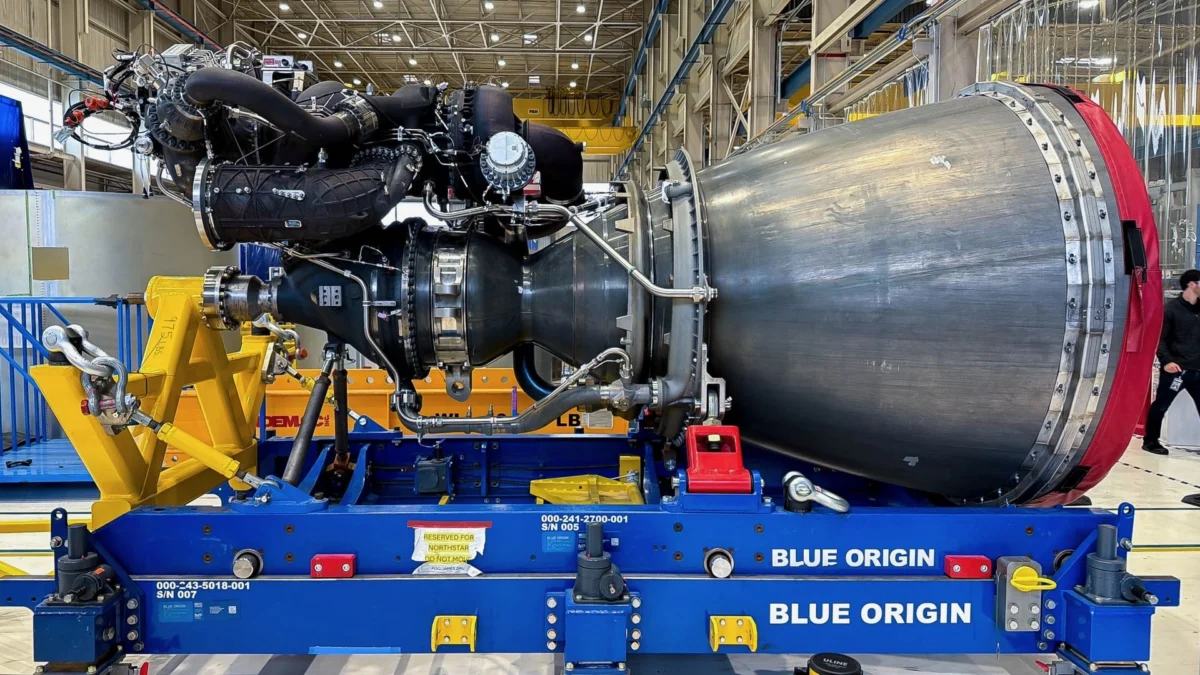
Perhaps as significant as the third stage is the announcement of the Northstar engine. As the aerospace industry moves toward more sustainable and cost-effective manufacturing, Blue Origin is positioning Northstar as a leaner, more powerful successor to the BE-4.
Both engines utilize "methalox"—a combination of liquid oxygen and liquid methane—which is increasingly favored in the industry for its efficiency and clean-burning properties, which are particularly advantageous for reusable rocket architectures. However, Northstar represents a substantial engineering leap. Blue Origin reports that the engine provides 715,000 pounds-force of thrust, a notable increase over the 640,000 pounds-force generated by the BE-4.
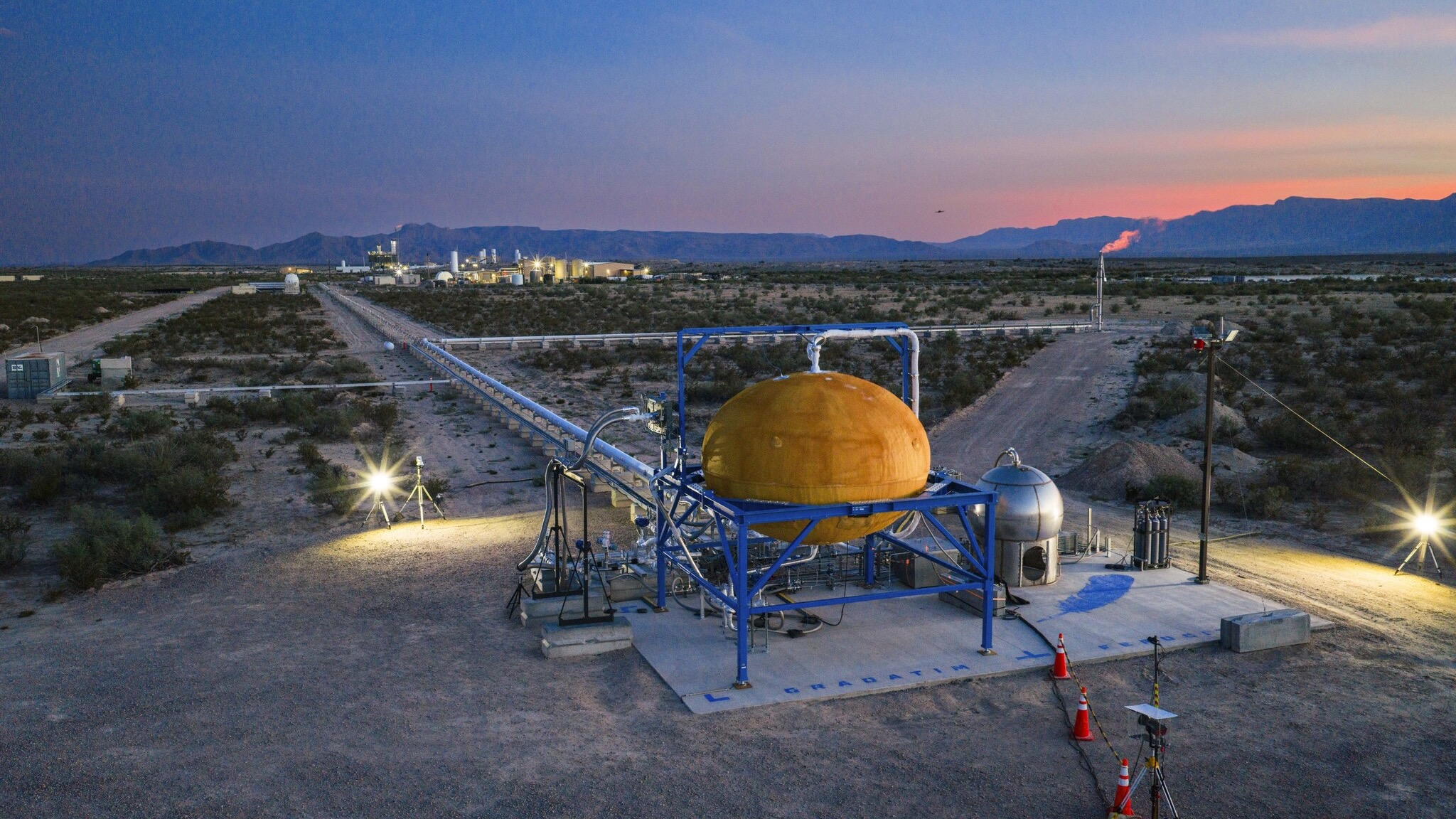
Crucially, the engineering team has achieved this performance boost while reducing the engine’s mass by 30% and decreasing the total parts count by 50%. In the world of aerospace manufacturing, a lower parts count is synonymous with higher reliability and lower production costs. Blue Origin has indicated that through advanced manufacturing techniques, including additive manufacturing and streamlined assembly processes, it can now produce a Northstar engine in less than a day. The speed at which the program moved from initial approval to development testing—just 11 months—is a testament to the company’s maturing manufacturing capabilities.
Strategic Implications and Industry Outlook
The announcement of these developments has not gone unnoticed by government and commercial partners. Blue Origin has already secured a contract for a GS3-equipped mission to cislunar space, scheduled for 2028, with an unnamed government customer. This booking serves as a validation of the company’s "Blue Moon" lunar program, suggesting that the industry sees New Glenn as a viable, long-term partner for the Artemis era of space exploration.
While Blue Moon missions are not strictly dependent on the GS3, the stage provides an essential bridge for logistics and support missions. The ability to deploy hardware directly to trans-lunar injection with significant payload mass is a capability that currently limits the frequency and scale of lunar surface operations.
From an analytical perspective, these announcements suggest that Blue Origin is transitioning from a developmental phase to a competitive operational phase. By expanding its engine portfolio and adding a high-energy third stage, the company is effectively broadening its addressable market. It is no longer just competing for LEO satellite launches; it is positioning itself to be a primary contractor for deep-space infrastructure.
The upcoming fourth flight of New Glenn will be a critical demonstration of the company’s recovery from the May 2026 explosion. If the vehicle performs reliably, the focus will quickly shift to the integration of the GS3 and the eventual flight-testing of the Northstar engine. As the competition between heavy-lift providers intensifies, Blue Origin’s focus on modularity, manufacturing speed, and deep-space efficiency appears to be its chosen path to securing a dominant position in the evolving space economy. The next few years will prove decisive in determining whether these technical advancements translate into the consistent, reliable launch cadence required to satisfy the growing demands of both NASA and the global commercial sector.