The intersection of archaeology, anthropology, and forensic science has long provided modern society with profound insights into the daily lives, rituals, and health conditions of ancient civilizations. Recently, a fascinating frontier in bioarchaeology has opened up, centering on the chemical analysis of preserved human remains—specifically, hair samples excavated from ancient burial sites—to detect the consumption of psychoactive substances, most notably cannabis. Led by dedicated researchers and bioarchaeologists, these scientific investigations are reshaping our understanding of how ancient cultures utilized mind-altering plants for medicinal, spiritual, and recreational purposes.
The deployment of advanced analytical chemistry in archaeological contexts marks a significant paradigm shift. While traditional archaeology has historically relied on grave goods, iconography, and textual evidence to reconstruct ancient behaviors, these methods often leave room for speculation. The presence of a smoking pipe or a residue-laden vessel suggests potential use, but it does not definitively prove ingestion by the individuals interred nearby. By testing keratinous tissues such as hair, scientists can now obtain direct, biochemical evidence of what ancient individuals ingested, inhaled, or absorbed into their systems during the final months or weeks of their lives.
Main Facts and the Scientific Methodology
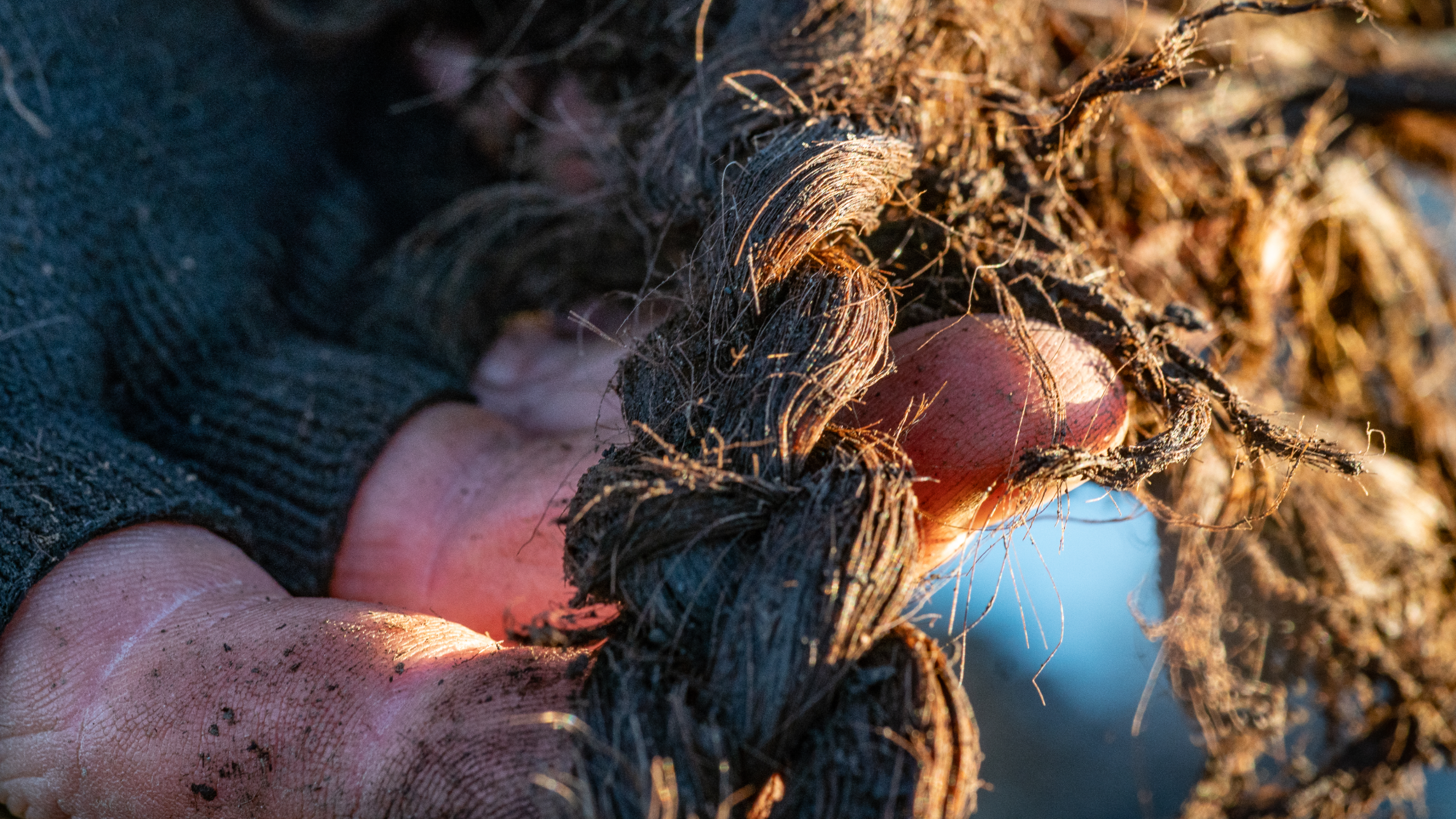
At the core of these recent archaeological breakthroughs is the ability of human hair to act as a long-term biochemical archive. As hair grows, it incorporates trace elements and chemical compounds from the bloodstream, preserving a chronological record of an individual’s diet, environment, drug use, and exposure to toxins. Unlike bones, which undergo continuous remodeling and primarily reflect long-term or cumulative exposure, hair retains a segmented timeline, making it an invaluable asset for forensic and anthropological research.
Researchers utilizing high-performance liquid chromatography coupled with tandem mass spectrometry (LC-MS/MS) can detect minute quantities of drug metabolites—such as delta-9-tetrahydrocannabinol (THC), cannabidiol (CBD), and cannabinol (CBN)—even millennia after an individual has passed away. Despite centuries of degradation, desiccation, or burial in varying soil conditions, naturally mummified or exceptionally well-preserved hair samples have yielded robust biochemical data.
The primary subjects of these studies often hail from regions with arid climates or permafrost conditions that naturally inhibit microbial decay, thereby protecting delicate organic tissues. Excavations in parts of Central Asia, Siberia, and the Mediterranean have provided researchers with the necessary biological material to conduct these delicate tests. The findings not only confirm the presence of cannabis but also hint at the frequency and context of its use within specific ancient populations.
Historical Chronology of Cannabis Use in Antiquity
To contextualize the laboratory findings, historians and archaeologists look to a broad chronology of early cannabis cultivation and consumption. Long before modern pharmaceutical industries and contemporary legal frameworks, cannabis (Cannabis sativa) was among the earliest plants cultivated by human societies.
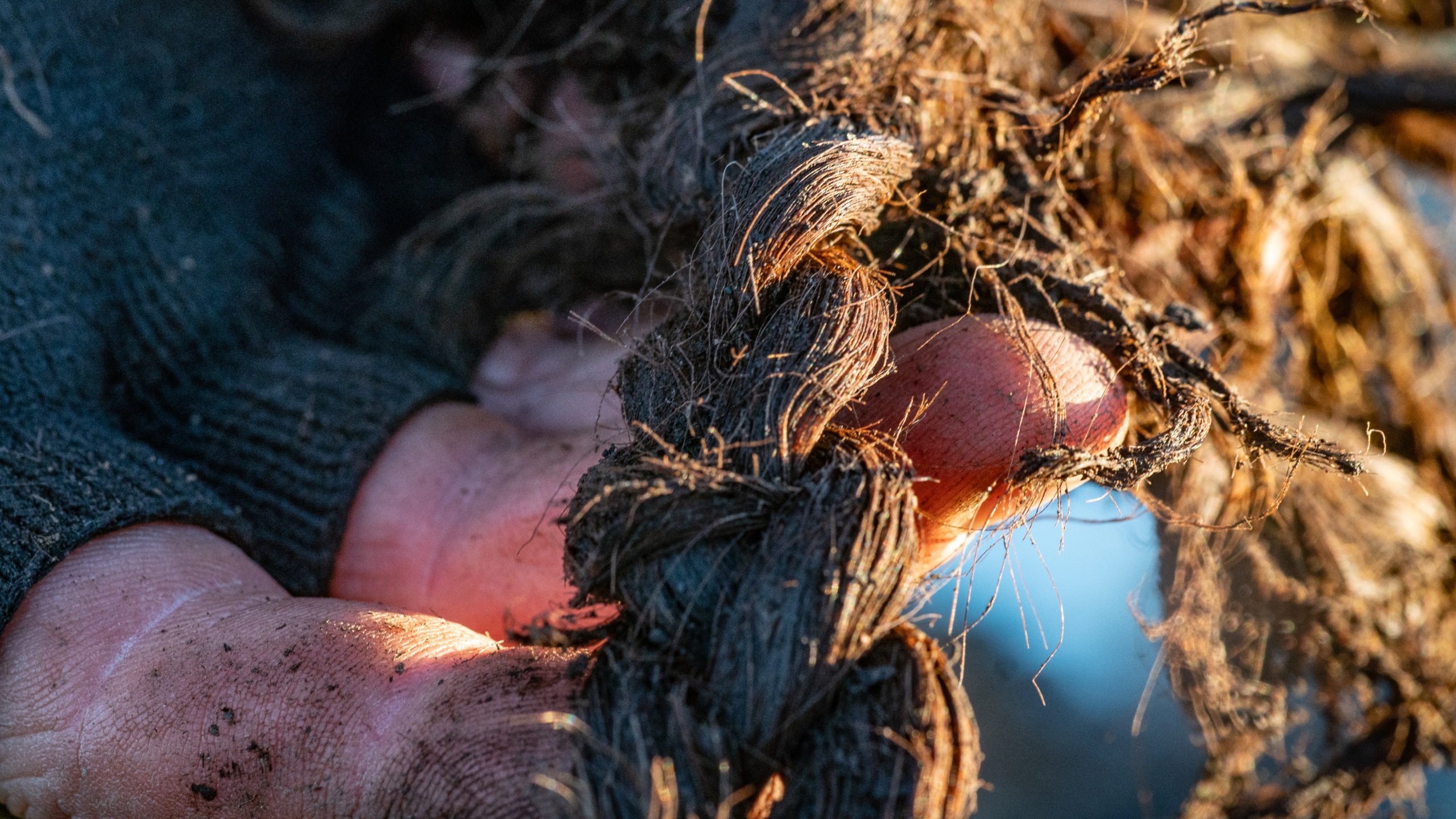
Archaeobotanical evidence indicates that cannabis was first domesticated in East Asia, primarily for its robust fibers used in textiles
and rope, as well as for its nutritious seeds, dating back to the early Neolithic period, around 12,000 years ago. However, the psychoactive properties of the plant—derived predominantly from the resin-producing glands of the female flowers—were discovered and harnessed relatively early in human history.
- Third to First Millennium BCE: Nomadic pastoralist groups, such as the Yamnaya and subsequent cultures inhabiting the Eurasian Steppe, integrated cannabis into various ritualistic and daily practices. Historical accounts, most notably those of the ancient Greek historian Herodotus writing in the fifth century BCE, described the Scythians—a confederation of nomadic equestrian tribes—throwing cannabis seeds onto hot stones inside enclosed tents to produce aromatic vapors, engaging in ritualistic inhalation.
- First Millennium BCE to First Millennium CE: Archaeological discoveries in the Pamir Mountains and western China, including the famous Jirzankal Cemetery, have previously revealed charred wooden brazers and stone residues containing high concentrations of cannabinol, pointing to funerary smoking rituals.
- Subsequent Bioarchaeological Revelations: By extending testing methods from inorganic residues on artifacts directly to human hair samples, contemporary researchers are bridging the gap between historical texts, material culture, and biological reality, confirming that cannabis consumption was widespread across diverse demographic groups rather than restricted solely to shamans or elite members of society.
Supporting Data and Biochemical Evidence
The integration of toxicology into bioarchaeology requires stringent controls to prevent contamination from the surrounding soil matrix or modern handling. Laboratories processing ancient hair samples employ rigorous decontamination protocols, washing the hair strands sequentially with organic solvents and water before pulverizing and chemically extracting the target compounds.
Data compiled from recent studies on preserved human remains indicate that cannabis use in antiquity was often integrated into holistic health practices. For instance, chemical profiling of hair strands has occasionally revealed the simultaneous presence of cannabis alongside other medicinal plants, suggesting compound remedies used for pain management, respiratory ailments, or ritual trances.
Furthermore, segmental analysis of individual hair strands—measuring several centimeters in length—allows scientists to reconstruct temporal patterns of consumption. Because human hair grows at an average rate of approximately one centimeter per month, testing distinct centimeter-long segments can reveal whether an individual consumed cannabis regularly over a prolonged period or ingested it episodically in connection with specific seasonal events, rituals, or therapeutic interventions.
Scholarly and Official Perspectives
The scientific community has met these technological advancements with immense enthusiasm, though researchers emphasize the need for cautious interpretation. Dr. Kristina Killgrove and other prominent bioarchaeologists note that while chemical detection confirms ingestion, determining the exact social intent behind the consumption remains a nuanced task.
"Finding biochemical traces of cannabis in ancient hair opens an unprecedented window into the lived experiences of past peoples," notes a leading anthropological researcher in the field. "However, we must avoid anachronistic assumptions. What modern society categorizes strictly as a recreational substance was frequently viewed in the ancient world as medicine, a sacred sacrament, or an ordinary component of botanical pharmacopeia."
Anthropologists and pharmacologists collaborating on these studies stress that ancient cannabis strains likely possessed vastly different cannabinoid profiles compared to the highly bred, potent THC-dominant strains cultivated commercially today. Wild and early domesticated landraces generally exhibited a more balanced ratio of THC to CBD, which may have produced milder psychoactive effects more aligned with therapeutic or ritualistic applications rather than intense intoxication.
Broader Implications for Anthropology and Modern Science
The ability to detect psychoactive substances in ancient human hair extends far beyond satisfying historical curiosity; it carries profound implications for multiple academic disciplines.
For anthropology and sociology, these findings challenge Eurocentric or modern biases regarding drug use, demonstrating that altered states of consciousness have played a fundamental, regulated role in human culture for millennia. By mapping where and when cannabis was consumed, researchers can better trace ancient trade routes, cultural diffusion, and the historical networks that spread agricultural knowledge across continents.
From a biomedical perspective, understanding the long-term historical relationship between humans and cannabinoid-producing plants contributes to modern ethnopharmacology. As contemporary medicine increasingly explores the therapeutic efficacy of cannabinoids for chronic pain, neurological disorders, and inflammatory conditions, knowing how ancient populations utilized these botanicals provides a valuable historical baseline for traditional medicine systems.
As analytical techniques continue to improve—becoming increasingly sensitive and non-destructive—bioarchaeologists anticipate analyzing a broader array of biological specimens from diverse global regions. Future research will likely shed light on the gender, age, and social status of individuals who consumed cannabis, offering a more inclusive and detailed portrait of human history written directly in the biological remnants of our ancestors.