
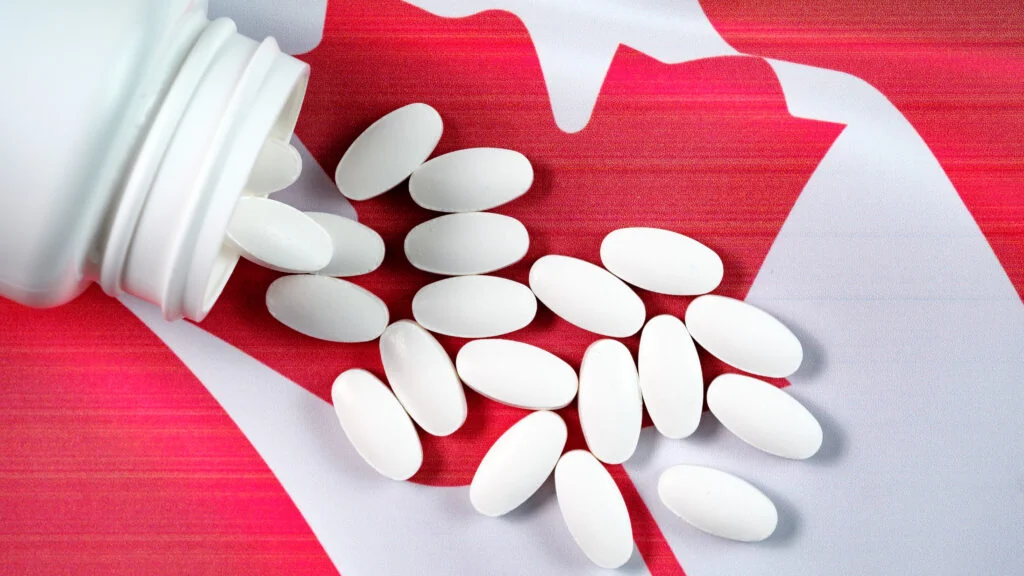
A bipartisan coalition of congressional lawmakers is mounting a final-hour effort to persuade the Trump administration to rescind a federal regulatory change slated to take effect next month, a move that critics argue will effectively shutter the pipeline for Americans seeking affordable prescription drugs from abroad. The new mandate, finalized in June 2026, imposes stringent customs requirements on personal mail-order medications, effectively ending the long-standing "de minimis" exemption that previously allowed individual patients to receive small quantities of medicine from licensed international pharmacies with minimal administrative friction.
Under the new regulatory framework, any pharmaceutical product entering the United States via international mail will be subject to formal entry requirements. This includes the mandatory engagement of a licensed customs broker and the procurement of an entry bond—a financial guarantee that is both costly and logistically prohibitive for the average consumer. For thousands of Americans who rely on Canadian, European, or Australian pharmacies to mitigate the high costs of insulin, inhalers, and specialized maintenance medications, the rule represents a significant barrier to health care access.
The Evolution of the Personal Importation Debate
The struggle over personal drug importation has been a fixture of American public policy for over two decades. The practice gained national prominence in the early 2000s, as rising domestic drug prices spurred "caravans" of patients who traveled across the northern border to purchase medications in Canada at a fraction of U.S. prices. While the U.S. Food and Drug Administration (FDA) has consistently maintained a stance of official prohibition—citing concerns over the lack of regulatory oversight and the potential for counterfeit products entering the domestic supply chain—the federal government has historically exercised "enforcement discretion."
For years, this discretion allowed customs officials to overlook small-quantity shipments intended for personal use, provided the medication was not a controlled substance and did not present an obvious public health risk. This de facto policy created a precarious but functional safety valve for patients struggling with the American pharmaceutical pricing model. By removing the de minimis exemption, the new rule transforms a grey area of policy into a rigid regulatory roadblock.

Chronology of the Regulatory Shift
The transition toward this more restrictive environment did not occur in a vacuum. The timeline of this policy shift highlights a calculated approach by federal regulators to align with domestic supply chain security goals:
- 2020-2022: The federal government begins exploring stricter oversight of international mail shipments, citing an increase in the volume of illicit fentanyl and other synthetic substances entering the U.S. through the postal system.
- June 2026: The Department of Homeland Security and Customs and Border Protection (CBP) formally announce the "Indefinite Suspension of the De Minimis Exemption for Mail Shipments and New Postal Informal Entry."
- July–August 2026: Public comment periods reflect deep concern from patient advocacy groups, who argue that the rule fails to distinguish between dangerous illicit drugs and life-saving, FDA-comparable maintenance medications.
- September 2026: Congressional lawmakers increase pressure on the executive branch, demanding a stay of the rule’s implementation, citing potential harm to elderly and low-income populations.
- October 2026 (Projected): The rule is scheduled to go into effect, marking the end of the de minimis era for pharmaceutical imports.
Data and Economic Context
The economic disparity that necessitates these imports remains stark. According to data from the Organization for Economic Cooperation and Development (OECD), the United States consistently ranks as the world’s most expensive market for pharmaceuticals, with prices for many brand-name drugs often three to five times higher than those found in Canada or the United Kingdom.
For a patient managing a chronic condition such as Type 1 diabetes or rheumatoid arthritis, the difference in annual out-of-pocket costs can reach into the thousands of dollars. While legislative efforts like the Inflation Reduction Act have attempted to address pricing through Medicare negotiation, the benefits of these policies have not yet reached the broader population of commercially insured or uninsured Americans who rely on international pharmacies to balance their household budgets.
Industry analysts note that while the CBP’s stated goal is to increase security against the influx of illicit substances, the cost of implementing formal entry procedures for low-value personal shipments will likely outweigh the revenue generated by such oversight. The requirement for a customs broker alone—which can cost between $50 and $200 per entry—effectively doubles or triples the cost of a standard prescription, rendering the importation of these drugs economically unviable.
Perspectives from Stakeholders
The pharmaceutical industry, historically wary of personal importation, has largely supported the move toward tighter border control. Representatives from trade groups like PhRMA have previously argued that the importation of drugs from foreign markets undermines the integrity of the U.S. pharmaceutical supply chain and introduces safety risks that cannot be effectively mitigated by individual consumers. They argue that patients should focus on domestic assistance programs rather than looking abroad for cheaper alternatives.

Conversely, patient advocacy groups and a growing number of bipartisan lawmakers are voicing sharp opposition. They argue that the safety record of medications imported from reputable, licensed pharmacies in peer nations like Canada is high. "To characterize a senior citizen receiving an inhaler from a licensed Canadian pharmacy as a security threat is a gross misrepresentation of reality," said one congressional aide familiar with the negotiations. "This is not a drug enforcement issue; this is a public health and affordability crisis."
Implications for the Future of Healthcare Access
The implementation of this rule carries significant implications for the broader political discourse on healthcare. If the administration proceeds as planned, the result will likely be an increase in the number of Americans forced to ration their medication or choose between essential health needs and other basic necessities.
Furthermore, the policy shift may force the issue of "legalized importation" to the forefront of the next legislative session. If the current pathway for individual imports is permanently closed, lawmakers may face increased pressure to pass formal legislation that creates a safe, government-regulated framework for importing cheaper drugs from abroad, rather than relying on the current, often precarious, informal system.
As the implementation date nears, the debate centers on the tension between border security and consumer welfare. The Trump administration faces a delicate balancing act: maintaining the integrity of the nation’s borders while addressing the domestic outcry over the high cost of medical care. Whether the administration will grant a stay, provide a carve-out for specific medications, or proceed with the full enforcement of the rule remains one of the most closely watched health policy developments of the year.
The administrative burden now placed on the consumer is unprecedented. By requiring a formal entry process, the federal government has effectively moved the gateposts of international trade to include the medicine cabinet of the individual patient. For those who have relied on these cross-border channels for years, the upcoming month represents a deadline for a critical reassessment of their healthcare strategy, as the era of easy, affordable international access draws to a close.








Leave a Reply