

The landscape of heavy-duty logistics is undergoing a fundamental transformation, underscored by the shifting economic realities of the global transport sector. While the United States remains embroiled in legislative friction between industry incumbents and environmental regulators, Europe has accelerated its transition toward zero-emission freight. As of mid-September 2026, the global spotlight in the commercial vehicle industry has shifted to Hannover, Germany, where the biennial IAA Transportation show has opened its doors. With over 700 exhibitors converging to showcase the latest in electric propulsion, the event serves as a bellwether for the future of international logistics, particularly as surging diesel prices—now exceeding $6.00 per gallon—force fleet operators to prioritize energy efficiency over traditional combustion reliability.
The European Context: A Regulatory and Market Shift
The disparity between the US and European commercial vehicle markets is rooted in both regulatory frameworks and market maturity. In the European Union, stringent CO2 emission standards for heavy-duty vehicles have effectively mandated a shift toward electrification, creating a predictable environment for manufacturers to invest in R&D. Conversely, the US market continues to see pushback from legacy manufacturers seeking to delay or dilute emissions standards.

The IAA Transportation show, held from September 15 to September 20, 2026, represents the culmination of years of engineering pivot toward battery-electric (BEV) and hydrogen fuel cell powertrains. According to industry data, the number of zero-emission commercial vehicle models showcased this year has surged by nearly 40% compared to the 2024 iteration of the event. This increase is driven not only by European stalwarts like Daimler, Volvo, and MAN but also by a significant influx of Chinese manufacturers, including Sany eTrucks, FAW, and Dongfeng, all vying for a foothold in the lucrative European logistics sector.
Heavy-Duty Innovation and the Tesla Factor
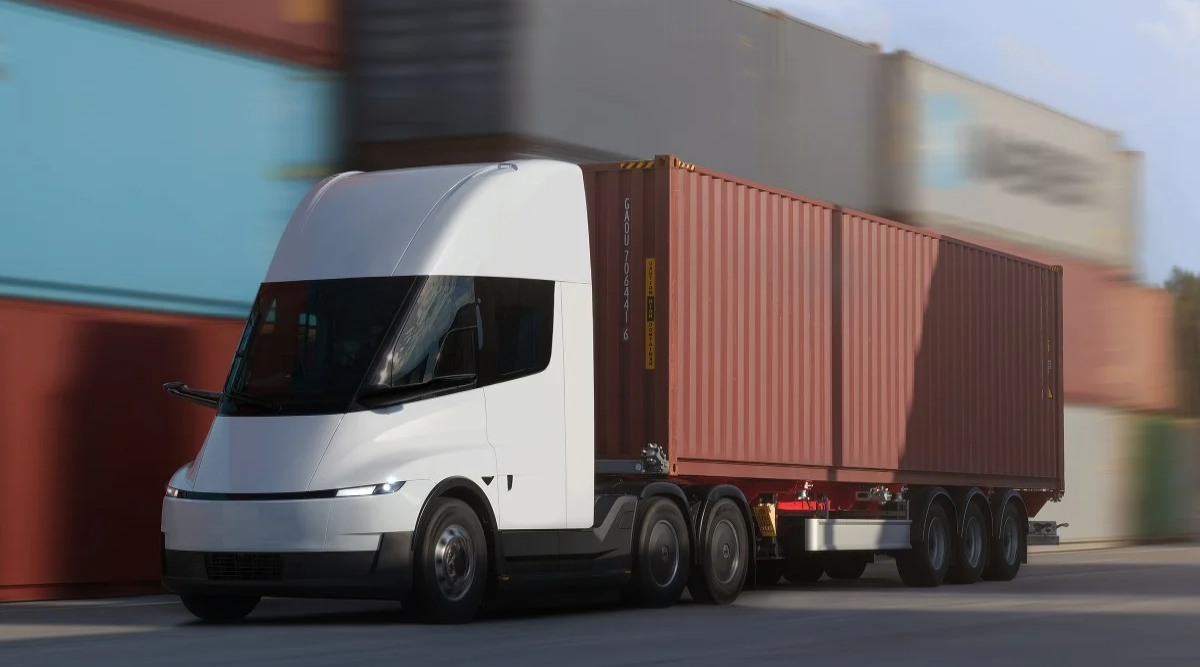
The primary point of interest at this year’s exhibition is the European debut of the Tesla Semi. Having already secured significant orders in North America, Tesla is positioning the Semi as a direct competitor to diesel-powered heavy-duty tractors. Unlike the North American model, the European version has been meticulously adapted to comply with regional weight restrictions and infrastructure standards.
Technical specifications released ahead of the event indicate that the European Semi maintains the high-performance 800-volt architecture and three-motor powertrain found in the US version, though it has been optimized for a 40-metric-ton Gross Vehicle Weight Rating (GVWR). Crucially, Tesla has adjusted the battery configuration to prioritize payload capacity over raw range, acknowledging that European logistics operators prioritize density and volume efficiency. By incorporating an electric power take-off (ePTO) rated at 25 kW, the vehicle is capable of supporting specialized refrigerated or hydraulic trailers, a necessity for the diverse European haulage market.

Furthermore, the introduction of the Tesla Megacharging network in Europe is a strategic move to address the "range anxiety" that has historically plagued electric logistics. By providing ultra-fast charging capabilities, Tesla aims to ensure that "down-time" for battery replenishment is minimized, aligning with the strict EU driving and rest-time regulations.
The Rise of Chinese Competition
The presence of Chinese manufacturers at the 2026 IAA Transportation show cannot be overstated. Companies such as Sany, Sinotruk, and SuperPanther have moved beyond the prototype phase and are actively integrating their supply chains into the European market. Notably, the partnership between Chinese manufacturers and Steyr Automotive in Austria highlights a trend toward "glocal" production—manufacturing vehicles in Europe to bypass import tariffs while utilizing the high-efficiency battery technology pioneered by Chinese firms like CATL.
CATL, in particular, is utilizing the IAA stage to unveil its latest commercial-grade battery packs, which feature increased energy density and longer cycle lives. These innovations are critical for the long-haul trucking sector, where battery degradation over a five-to-seven-year ownership cycle remains a significant barrier to total cost of ownership (TCO) parity with diesel engines.

Diversification in the Van and Delivery Segment
Beyond the heavy-duty sector, the delivery and "last-mile" logistics segment is witnessing a surge in electrification. Ford Pro is debuting the battery-electric Transit City, a vehicle engineered for the narrow, dense urban environments typical of European cities. Priced at a competitive €35,990, the model is designed to undercut the purchase price of many internal combustion engine (ICE) counterparts, a move that is expected to force smaller logistics firms to reconsider their fleet acquisition strategies.
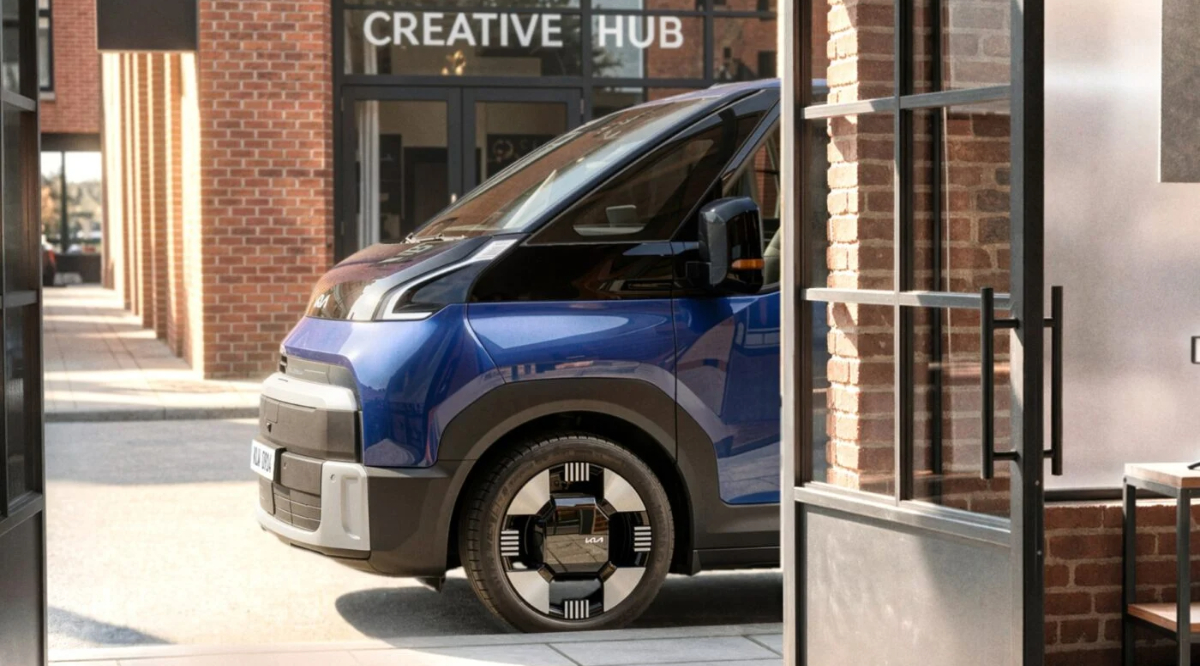
Kia is also making a significant impact with the unveiling of the PV7, a modular electric van platform. By utilizing a "platform-first" design, Kia allows businesses to swap out body configurations, effectively turning the vehicle from a cargo hauler into a mobile workshop or passenger shuttle. This modularity is becoming a standard expectation for modern fleet managers who require high asset utilization.
Similarly, Renault’s latest Trafic E-Tech, built on a dedicated 800-volt platform, demonstrates the industry’s push toward ultra-fast charging for light commercial vehicles. With the ability to charge from 15% to 80% in under 20 minutes, the van minimizes the logistical friction previously associated with electric fleets.
Economic Implications and Future Outlook
The shift toward electric commercial vehicles is no longer purely environmental; it is increasingly a survival tactic for logistics firms. The volatility of fossil fuel prices, coupled with the increasing adoption of "low-emission zones" in major European cities like London, Paris, and Berlin, has created a compelling economic case for electrification.
The TCO analysis for battery-electric trucks has reached an inflection point. When factoring in lower maintenance costs—attributed to fewer moving parts—and the rising cost of diesel, many fleet operators are finding that the premium for an electric truck is offset within three to four years of operation.
Hildegard Müller, President of the German Association of the Automotive Industry (VDA), noted during the event’s press conference that the industry is in a period of intense "innovation-led transition." However, she warned that the speed of this transition depends on the political commitment to infrastructure development. "The commercial vehicle industry is the engine of the economy," Müller stated. "We have the technology, but our success requires a commensurate investment in power grid expansion and charging infrastructure by the state."
Strategic Challenges Ahead
Despite the optimism on the exhibition floor, significant challenges remain. The primary concern for fleet managers is the lack of standardized, high-capacity charging infrastructure along major European transit corridors. While the Tesla Megacharger network is a strong start, a pan-European, multi-brand charging standard is required to achieve mass adoption.
Furthermore, the integration of autonomous driving technology, as seen in the Level 4-capable Volkswagen ID. Buzz and the Skyworth Z9, presents a regulatory and safety puzzle that the European Commission is only beginning to address. As these vehicles hit the road, the legal framework regarding liability, cybersecurity, and traffic management will need to evolve in tandem with the hardware.
The 2026 IAA Transportation show serves as a clear indicator that the era of the diesel-dominant logistics industry is drawing to a close. The breadth of technology on display, from autonomous delivery vans to high-payload electric tractors, demonstrates that the industry has moved beyond the "pilot project" phase and into an era of large-scale commercial deployment. For the global logistics market, the message from Hannover is unambiguous: the future of freight is electric, and those who delay the transition may find themselves unable to compete in an increasingly energy-conscious global economy. As diesel prices remain elevated and technological advancements continue to drive down costs, the economic inertia favoring electric vehicles is likely to become an unstoppable force in the years ahead.










Leave a Reply