
New filings from the United States Federal Election Commission (FEC) have brought into sharp focus the unprecedented scale of private capital flowing into the 2026 midterm election cycle. Elon Musk, the CEO of Tesla and SpaceX, has funneled at least $445 million into Republican-aligned political action committees (PACs) and associated entities since the start of last year. This staggering figure represents one of the largest individual financial interventions in modern American political history, signaling a strategic pivot by the billionaire to influence the legislative composition of the U.S. Congress.
The surge in spending comes at a critical juncture for the tech mogul. While Musk has historically positioned his enterprises at the intersection of government policy and private innovation—securing billions in federal contracts for SpaceX and navigating complex regulatory frameworks for Tesla—his recent political activism suggests a growing concern over the potential for increased oversight.
The Strategic Pivot to Political Spending
Musk’s current political posture marks a departure from his previous public engagements. Once viewed as an advocate for climate-conscious policy, his recent rhetoric and financial contributions have shifted decisively toward a platform emphasizing deregulation, border security, and a skeptical stance on current federal administrative practices. The America PAC, the primary vehicle for his recent donations, has poured significant resources into 43 competitive U.S. House and Senate races.
The stated objectives of the America PAC—which include "secure borders, safe cities, free speech, and sensible spending"—are bolstered by a sophisticated digital strategy. Musk has utilized his ownership of the social media platform X to amplify these messages to a global audience of over 200 million followers. This integration of a private communication platform with massive campaign financing has created a feedback loop that political analysts suggest is unprecedented in scale and reach.
Chronology of Influence and Regulatory Friction
The path to this moment of intense political involvement can be traced through a series of regulatory and personal milestones. In 2025, the introduction of the Department of Government Efficiency (DOGE) framework—spearheaded by Musk—aimed to drastically reduce the size and scope of federal agencies. Critics, including former Secretary of Labor Robert Reich, have argued that these initiatives served as a pretext to weaken the very regulatory bodies currently investigating Musk’s corporate interests.
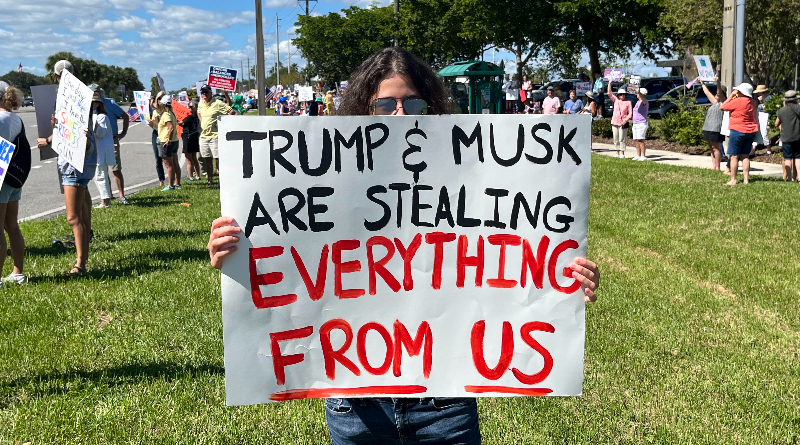
The relationship between Musk and the Republican Party has been characterized by volatility. Having been considered an outsider or even a persona non grata within GOP circles as recently as last year, Musk has successfully maneuvered himself into a position of central influence. This transition has been marked by his vocal support for candidates who align with his vision of a reduced federal footprint, often framing the stakes of the 2026 midterms as a binary choice for the future of American governance.
Financial Disparities and Campaign Dynamics
The infusion of $445 million has significantly altered the financial landscape for the targeted races. In Texas, for instance, the sheer volume of capital directed toward the Senate campaign of Ken Paxton has set a new record for spending in the region. Musk’s direct contribution, supplemented by an additional $168 million routed through the Senate Leadership Fund, has forced Democratic campaigns to reorient their strategies to address the influx of negative advertising.
Democratic nominee James Talarico has framed this spending as an attempt by a private entity to secure "personal" political representation, a narrative that has resonated with some segments of the electorate. Despite the financial disparity, polling data indicates that many of these races remain tight. The ability of Democratic candidates to maintain electoral parity in the face of such a massive capital advantage has sparked a broader debate about the influence of "dark money" and ultra-high-net-worth individuals in the American democratic process.
Analytical Perspective on Voter Behavior
Political scientists and media historians suggest that the effectiveness of these campaigns relies on a complex psychological interplay. Dr. Quinn Slobodian of Boston University has characterized Musk’s spending as a form of "power flexing," designed to preemptively mitigate the risks of a potential Democratic legislative majority. By investing heavily in a 51-seat Republican threshold in the Senate, Musk is effectively hedging against the possibility of a "regulatory wave" that could subject his companies to increased scrutiny, subpoenas, or legislative penalties.
Furthermore, the impact of these ads on the electorate is being analyzed through the lens of modern media consumption. Social historian Heather Cox Richardson notes that the deliberate creation of a narrative regarding "societal chaos" often encourages voters to seek out strongman figures. When faced with an overwhelming deluge of messaging, some voters may experience a sense of political exhaustion, which can lead to disengagement or an increased susceptibility to simplified, authoritarian-coded solutions.
Official Responses and Public Reaction
The backlash against Musk’s political tactics has been multifaceted. Former Secretary of Labor Robert Reich, a vocal critic, has publicly expressed concern regarding the implications of Musk’s rhetoric, specifically citing threats of imprisonment and the broader pattern of personal attacks. Reich argues that these behaviors are not merely interpersonal conflicts but are symptomatic of a broader disregard for democratic norms and the welfare of federal employees affected by DOGE-related service cuts.

Official responses from the campaigns themselves have been equally polarized. While Republican candidates have largely embraced the support of the America PAC, Democratic challengers are increasingly focusing their platforms on the "unaccountability" of corporate-backed political funding. This strategy serves as a rallying cry for local donors, with candidates like Talarico emphasizing the importance of small-dollar, individual contributions as a counter-measure to the influence of billionaire donors.
Broader Implications for Democracy and Regulation
The 2026 midterms represent a test case for the impact of concentrated private wealth on electoral outcomes. If the current trajectory of campaign spending continues, the ability of regulatory agencies to function independently may be permanently altered. The concern expressed by Musk—that a Democratic victory would lead to the "end of democracy"—is viewed by his critics as a projection, masking his desire to insulate his business empire from the checks and balances inherent in the American system.
The legislative landscape post-midterms will likely be defined by how the winners of these heavily funded races choose to govern. If a Republican majority is secured, it is expected that the legislative focus will shift toward the dismantling of administrative oversight, directly benefiting the industries Musk operates within. Conversely, if the Democratic party succeeds in holding the line, the stage is set for a protracted legal and legislative confrontation between the federal government and Musk’s enterprises.
Ultimately, the events of this cycle highlight a fundamental tension in modern politics: the degree to which a single individual can leverage immense wealth to bypass traditional democratic consensus. As the election approaches, the electorate remains divided, with the influence of Musk’s PAC acting as a powerful, polarizing force that will likely define the political discourse well beyond the final vote count. Whether the "reverse effect"—whereby massive spending triggers a grassroots backlash—holds true will remain the central question of the 2026 election results.
The situation remains fluid, with ongoing FEC investigations and public discourse continuing to shape the narrative. As voters head to the polls, the role of billionaire political donors has moved from a fringe concern to a central pillar of the national debate, illustrating the profound evolution of American campaign finance and its impact on the structural integrity of the nation’s political institutions.