The corporate history of American aviation is littered with boardroom power struggles, but few have had the long-term strategic impact of the 2016 ousting of Scott Kirby from American Airlines. In a series of candid revelations, the current CEO of United Airlines has detailed a profound breach of trust involving his former mentor, Doug Parker, a decision that ultimately reshaped the competitive landscape of the U.S. airline industry. What began as a private dinner in Dallas’s Design District, where a succession plan was ostensibly solidified, concluded months later with a summary dismissal, setting in motion a chain of events that fueled the resurgence of one carrier while leaving the other to grapple with the consequences of its leadership choices.
The Anatomy of a Broken Promise
According to Kirby, the turning point occurred in 2016. At the time, Kirby served as the President of American Airlines, working under the leadership of CEO Doug Parker. The relationship between the two was viewed by industry insiders as a partnership of equals, with Kirby being widely groomed as the inevitable successor to Parker.
In a recent interview, Kirby recalled a specific evening that served as the apex of their professional relationship. Over dinner, Parker reportedly outlined a clear timeline for his retirement, explicitly promising that Kirby would ascend to the CEO role upon his departure. However, the corporate landscape shifted with remarkable speed. Only three months later, the trajectory of both men’s careers diverged sharply. Kirby describes the moment Parker informed him of the change of heart as sudden and final, with Parker simply stating that he had reconsidered the succession and that the two could no longer work together.
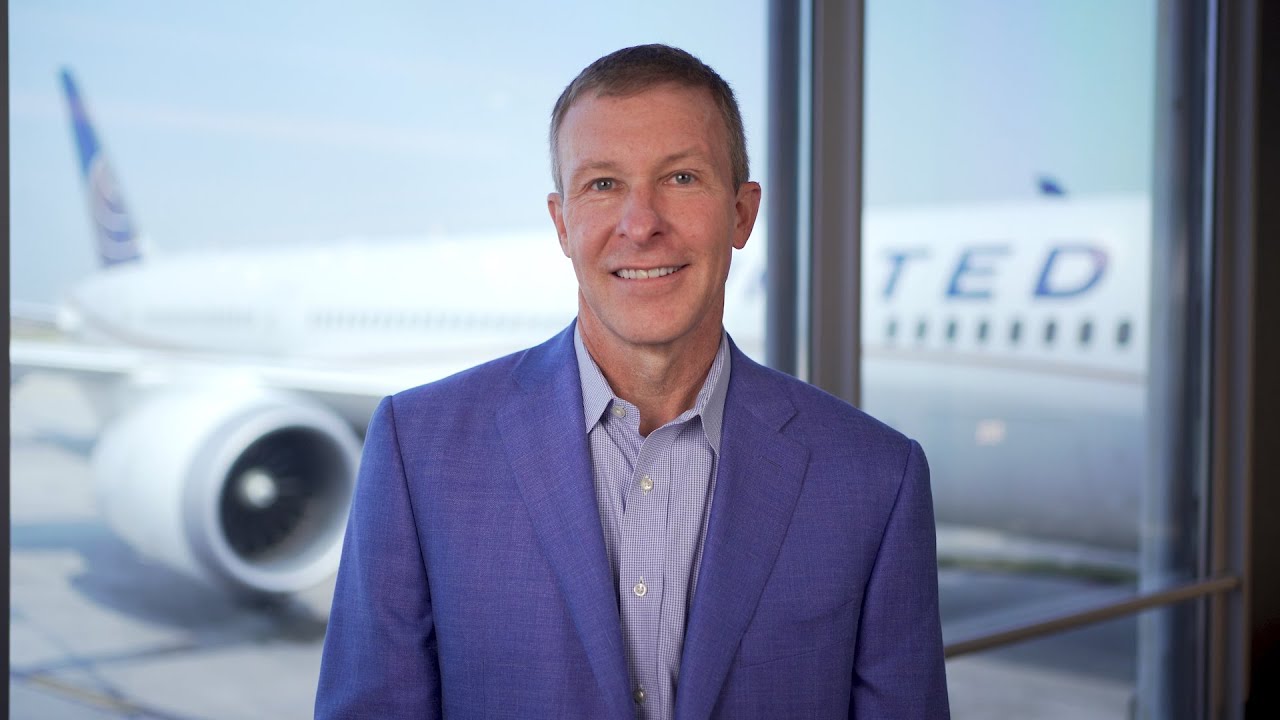
This abrupt pivot left the airline with a leadership vacuum at the top of the succession ladder and triggered a $13 million severance package for Kirby. Crucially, the separation agreement lacked a non-compete clause, an oversight that would soon haunt American Airlines as Kirby transitioned to United.
A Chronology of Strategic Realignment
The 2016 dismissal was not an isolated incident but rather the climax of a long-standing tension regarding the future direction of American Airlines. To understand the gravity of the move, one must examine the timeline of the post-merger era:
- 2013-2014: American Airlines completes its merger with US Airways. Kirby, a long-time lieutenant to Parker, plays a pivotal role in the integration process.
- 2016: The internal power struggle reaches a boiling point. Parker determines that he is not ready to relinquish control, leading to the decision to terminate Kirby. Robert Isom is positioned as the new President.
- 2017: Kirby joins United Airlines as President. His arrival is initially met with operational turbulence, most notably the fallout from the April 2017 incident involving the forced removal of a passenger from a United Express flight. This event, coupled with the slow transition of executive power from Oscar Munoz, temporarily delayed Kirby’s ascendancy.
- 2020: In May, amidst the onset of the global pandemic, Scott Kirby officially becomes the CEO of United Airlines.
- 2022: Robert Isom finally assumes the CEO role at American Airlines, fulfilling the path that had been redirected six years prior.
The Strategic Shift: Different Paths, Different Results
The divergence in the performance of the two airlines following the 2016 split is a subject of significant interest to market analysts. Under the stewardship of Parker and subsequently Isom, American Airlines pursued a strategy heavily focused on cost-cutting and aggressive domestic expansion, often characterized by the reduction of onboard amenities—such as the 2014 decision to remove first-class meals and the implementation of tighter seat pitch configurations.
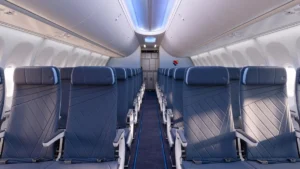
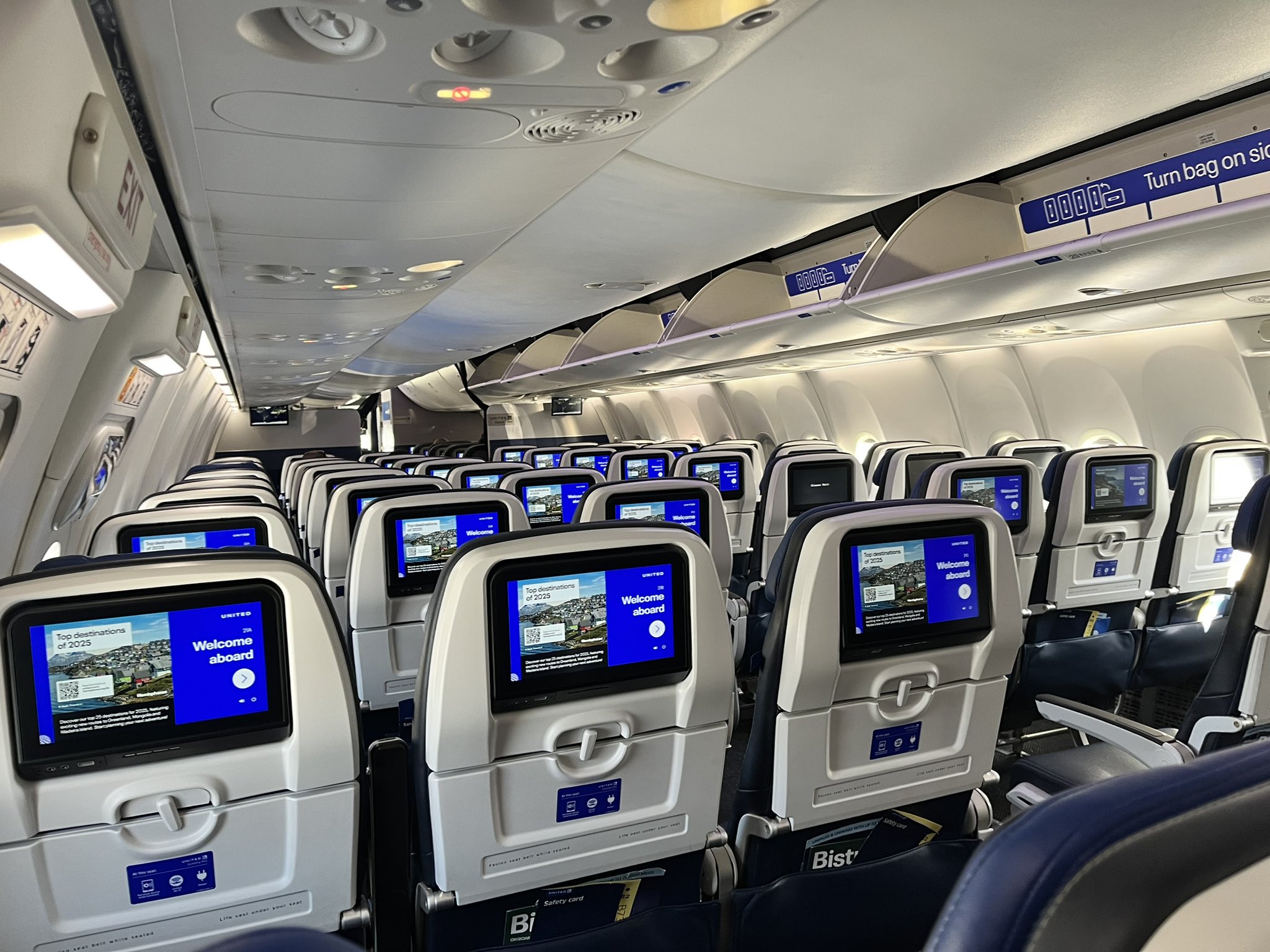
In contrast, Kirby’s tenure at United has been defined by a strategy of premium product investment and a focus on operational reliability. Under his leadership, United has aggressively modernized its fleet, invested in seat-back entertainment systems, and expanded its global reach. The financial implications have been stark: while American Airlines has struggled with a substantial debt load and operational inefficiencies, United has consistently positioned itself to capture the high-yield business traveler market, leading to improved margins and higher investor confidence.

Internal Culture and the Cost of Leadership Decisions
The decision to fire Kirby was not the only instance of internal turmoil during the Parker era. Reports have emerged detailing a 2020 incident in which American Airlines staff attempted to propose a shift in corporate governance in the wake of the George Floyd protests. The proposal suggested that Parker relinquish his role as Chairman of the Board—while remaining CEO—to allow for a more diverse leadership structure. The employees involved in the proposal were reportedly fired, an action that critics suggest indicated a defensive corporate culture resistant to shifts in executive authority.
Kirby himself has reflected on the lessons learned from his departure from American, noting that the experience fundamentally changed his leadership style. "I’m a better CEO of United than I would have been CEO of American," he remarked. "There were things, particularly about how to bring people along… I don’t know if I would have learned them [had I stayed]."
Financial Implications and Competitive Analysis
The financial burden of the 2016 dismissal was compounded by the fact that American Airlines effectively financed the training and expertise of its primary competitor’s future CEO. By providing a generous severance package without restrictive covenants, American allowed Kirby to take his deep institutional knowledge of the merger process, fleet management, and competitive pricing directly to a rival carrier.
Data from the past decade illustrates the result: United Airlines has consistently outperformed its legacy peers in terms of passenger satisfaction metrics and revenue per available seat mile (RASM). While industry cycles are influenced by numerous variables, including fuel costs and labor relations, the contrast between the two airlines’ recent performance suggests that the leadership transition at United provided a necessary catalyst for growth that American has struggled to replicate.
Broader Industry Implications
The saga of Kirby and Parker serves as a case study in the risks of poor succession planning. In the high-stakes world of commercial aviation, where margins are razor-thin and brand loyalty is fickle, the stability of the C-suite is paramount. When leadership is viewed as a zero-sum game rather than a long-term strategic investment, the organization often bears the cost.
Furthermore, the "betrayal" described by Kirby highlights the importance of transparency in executive transitions. The industry has seen a shift toward more formalized, board-led succession processes to avoid the type of personal conflict that defined the 2016 American Airlines executive shakeup. As investors and regulators demand higher levels of corporate governance, the narrative of the 2016 firing has become a cautionary tale for boards of directors across the Fortune 500.
Reconciling the Past
Despite the public nature of the fallout, there are indications that the personal animosity between the key players has subsided. Kirby has stated in recent interviews that he has reconciled with Parker and considers Robert Isom a friend. This personal resolution, however, does little to change the historical record. The strategic divergence between the two carriers remains a defining feature of the modern airline industry.
Ultimately, the story of Scott Kirby and American Airlines is one of unforeseen consequences. A decision intended to solidify one man’s grip on power resulted in the empowerment of a rival, providing United Airlines with the leadership necessary to navigate a decade of unprecedented industry challenges. Whether American Airlines will eventually recover the competitive ground lost during this period remains the central question for its shareholders, but the legacy of that 2016 dinner in the Dallas Design District is already written into the financial history of American aviation.