
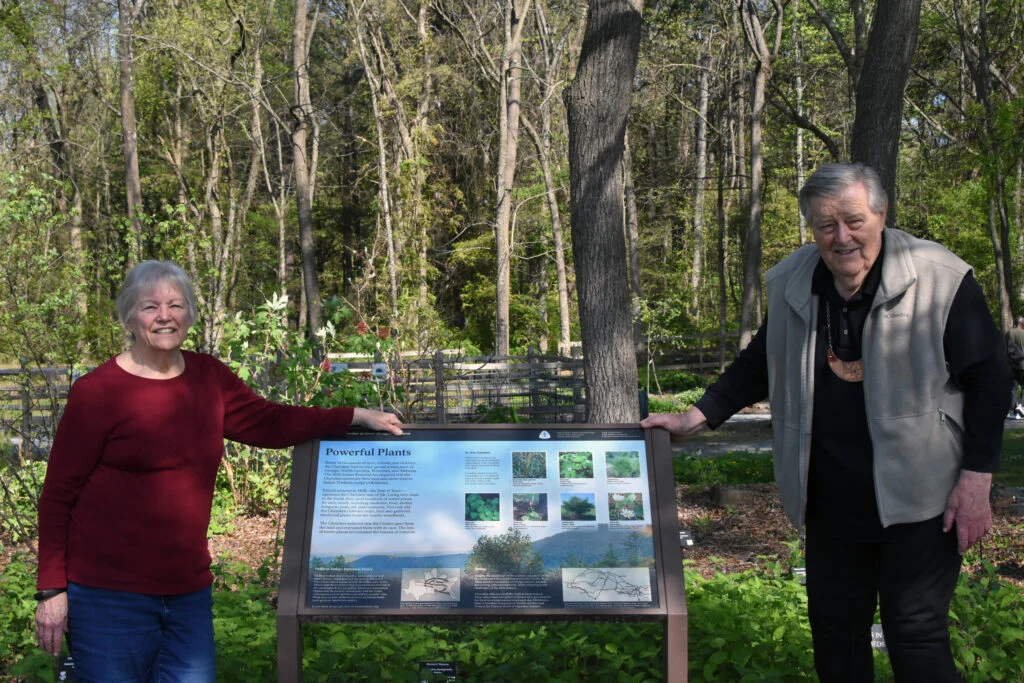
Amid the rolling hills of the Green Meadows Preserve near Atlanta, Tony Harris, a Cherokee elder and member of the Georgia Cherokee Community Alliance, tends to a landscape that serves as both a botanical sanctuary and a living history book. Among the hundreds of native species in the Cherokee Garden, one sapling holds particular significance in a growing movement to redefine Georgia’s official identity: the Sweetbay magnolia. This native tree, characterized by its fragrant, creamy white blooms and deep ancestral ties to the region, has become the centerpiece of a legislative and cultural effort to replace the Cherokee rose as the official state flower of Georgia. The push for change is driven by a realization that the current symbol, though deeply embedded in Southern lore, is an invasive species from East Asia with a history rooted more in colonial mythmaking than in Indigenous reality.
The Origin and Adoption of the Cherokee Rose
The Cherokee rose (Rosa laevigata) is a climbing shrub known for its waxy green leaves and snowy white petals surrounding a bright yellow center. Its journey into the official annals of Georgia history began in the late 18th century when French botanist André Michaux encountered the plant while exploring the American South. Michaux, observing the vine growing vigorously in the northern regions of the state, incorrectly assumed it was a native species. He documented it in western scientific literature, giving it the name "polished rose." Because the plant was frequently found on lands then occupied by the Cherokee Nation, it quickly acquired the common name "Cherokee rose."
By the early 20th century, the movement to adopt state symbols was sweeping the United States, as states sought to cultivate unique identities and foster regional pride. In 1916, with the support of the Georgia Federation of Women’s Clubs, the Georgia General Assembly formally designated the Cherokee rose as the state flower. The resolution passed by lawmakers at the time explicitly stated that the plant "had its origin among the aborigines of the northern portion of the State of Georgia" and was "indigenous to its soil." However, even at the time of its adoption, botanical evidence already suggested that these claims were factually incorrect.
The Legend of the Trail of Tears
The primary cultural justification for the Cherokee rose’s status is a poignant legend that has been taught to generations of Georgia schoolchildren. According to the story, during the forced removal of the Cherokee people from their ancestral homelands in the 1830s—an event known as the Trail of Tears—the elders of the tribe prayed for a sign to lift the spirits of the suffering women. In response, white roses began to bloom wherever the tears of the Cherokee mothers fell. The flower’s seven petals were said to represent the seven clans of the Cherokee, and the gold center symbolized the gold discovered on Cherokee land, which had triggered the settlers’ greed and the subsequent removal.
While the story is framed as an act of remembrance and honor, Indigenous scholars and elders like Harris point to it as an example of "romanticized fabrication." Harris notes that the historical record of the Cherokee removal, which saw more than 100,000 Indigenous people forcibly relocated and thousands perish due to exposure, disease, and starvation, contains no mention of the rose. "They didn’t have Cherokee roses with them during the Trail of Tears," Harris explained. "They were lucky to have the clothes on their backs and a few vegetable seeds from their gardens." Historians argue that the legend likely originated among white settlers in the decades following the Civil War as a way to "Indigenize" their own connection to the land while simultaneously distancing themselves from the brutal realities of ethnic cleansing.
Scientific Correction and the Plantation Legacy
The botanical truth of the Cherokee rose was suspected long before modern genetic testing confirmed it. As early as 1821, Stephen Elliott, a prominent Southern botanist and banker, expressed doubts about the plant’s origins, noting that while it was widely cultivated in Georgia gardens, its true source remained "obscure." In the mid-19th century, Asa Gray, the "Father of American Botany," identified the species as being identical to roses found in China and Taiwan. Modern DNA analysis has since solidified this finding, proving that Rosa laevigata was introduced to the American South via European trade routes in the mid-1700s.
Beyond its mistaken origin, the Cherokee rose is historically linked to the plantation economy of the Antebellum South. Due to its rapid growth and formidable thorns, the plant was favored by wealthy landowners as a "living fence." It was used to demarcate property lines and contain livestock on vast estates, where it was typically planted and maintained by enslaved laborers. By the time Georgia lawmakers were praising the flower as a symbol of the "Old South" in 1916, it had become a staple of the plantation landscape. This association creates a dual layer of historical tension: the flower represents a period of prosperity for white landowners that was built upon the twin tragedies of Indigenous removal and African chattel slavery.
Ecological Impact of an Invasive Symbol
From an environmental perspective, the continued celebration of the Cherokee rose presents a conflict with Georgia’s conservation goals. The plant is formally classified as an invasive species in the Southeast. Its aggressive, climbing nature allows it to form dense thickets that shade out native flora and disrupt local ecosystems. While it is currently listed as a "low-priority" invasive by some agencies, its ability to spread unchecked across pastures and forest edges makes it a persistent nuisance for land managers and ecologists.
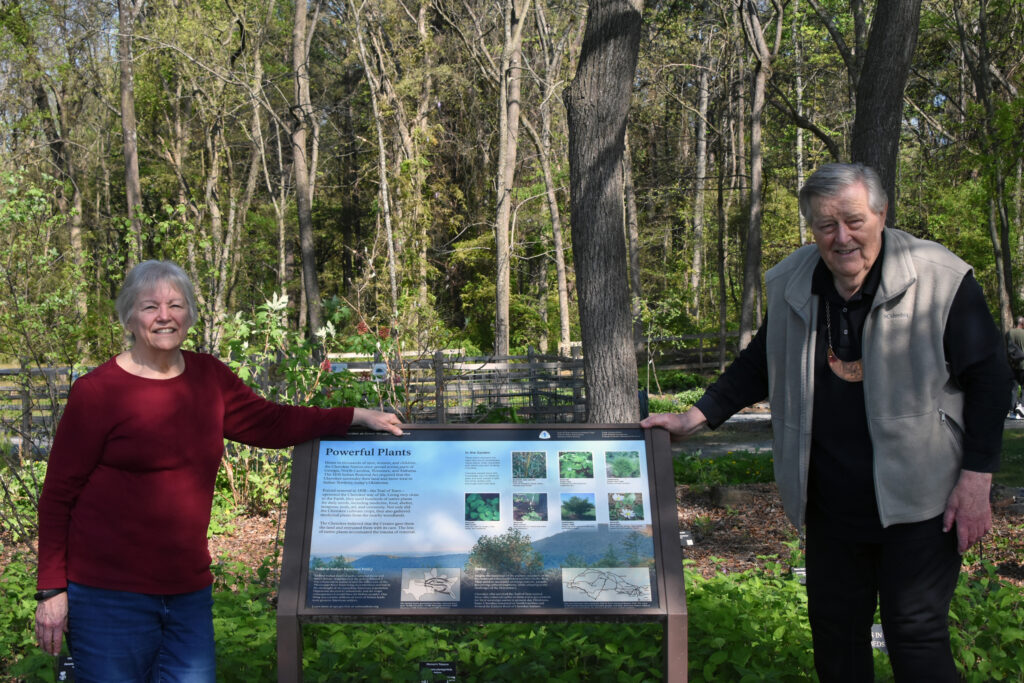
Georgia is recognized as one of the most biodiverse states in the nation, ranking sixth in the U.S. for its variety of plant and animal species. It is home to nearly 4,000 species of native plants. Critics of the state flower argue that maintaining a non-native, invasive species as a primary state symbol sends a contradictory message regarding the importance of preserving Georgia’s unique natural heritage.
The Case for the Sweetbay Magnolia
The Sweetbay magnolia (Magnolia virginiana) has emerged as the leading candidate to replace the Cherokee rose. Unlike the rose, the Sweetbay magnolia is indisputably native to Georgia and the broader Southeastern United States. It is a smaller, more graceful relative of the iconic Southern Magnolia, producing elegant, lemon-scented white flowers that bloom from late spring into summer.
For Tony Harris and other advocates, the Sweetbay magnolia offers a more authentic connection to Cherokee history. The plant has documented uses in Cherokee medicine and craftsmanship, and it exists within the actual cultural framework of the tribes that inhabited Georgia for centuries. "Every plant has a story and a lesson to tell," Harris said. "The Sweetbay magnolia tells a story of survival, of the actual landscape our ancestors walked, and of a genuine relationship with the Earth."
Legislative Efforts and Political Resistance
The movement to change the state flower has reached the floors of the Georgia State Capitol, led by Representative Deborah Silcox, a Republican from Sandy Springs. Silcox has sponsored legislation in consecutive sessions to designate the Sweetbay magnolia as the new state flower. Her arguments are rooted in both ecological accuracy and historical integrity. "Georgia is one of the most biodiverse regions in the world, with so many beautiful native flowers," Silcox stated during a committee hearing. "We deserve a state flower that is actually from Georgia."
Despite gaining traction and passing through certain committees, the legislation has faced hurdles in the General Assembly. Resistance often comes from a desire to maintain tradition and a reluctance to "cancel" long-standing symbols. Some lawmakers have expressed concern that changing the flower would diminish the sentiment of the Trail of Tears legend, regardless of its historical inaccuracy. For two years in a row, the bill has failed to reach a final vote before the end of the legislative session.
Broader Implications of Symbolic Change
The debate over the Cherokee rose is part of a larger, national conversation regarding how history is represented in public spaces and official symbols. Andrew Denson, a professor of Cherokee history at Western Carolina University, suggests that the use of such symbols often serves the needs of the majority culture rather than the people being represented. "Settlers and their descendants often engage with Native American history to deepen their sense of place," Denson said. "This can lead to romanticized stories that push Native people into the past rather than recognizing their ongoing presence and priorities."
Replacing the Cherokee rose with a native species like the Sweetbay magnolia would represent a shift toward what historians call "restorative accuracy." It would acknowledge the true botanical and cultural history of the region while moving away from myths that obscure the lived experiences of the Cherokee people.
Conclusion: Telling the Right Stories
As the sun sets over the Cherokee Garden at Green Meadows Preserve, the Sweetbay magnolia saplings stand as a testament to a history that is being reclaimed. For Tony Harris, the absence of the Cherokee rose in his garden is a deliberate act of truth-telling. He believes that symbols matter because they dictate which narratives are preserved for future generations.
While the legislative path remains uncertain, the cultural shift is already underway. Nurseries across Georgia report an increasing demand for native plants, including the Sweetbay magnolia, as gardeners and homeowners become more conscious of ecological health and historical authenticity. The push to change the state flower is more than a botanical correction; it is an effort to ensure that the stories Georgia tells about itself are rooted in the soil and the truth. As Harris noted while looking over his native plantings, "The question is whether we’re telling the right stories."









Leave a Reply