
A comprehensive international assessment has revealed that approximately 43% of all known large freshwater animal species, ranging from mega-fish and turtles to hippopotamuses and crocodilians, have been deliberately or accidentally introduced into ecosystems outside their native ranges. This phenomenon, which spans 142 countries and regions, highlights a massive anthropogenic reshuffling of global aquatic biodiversity. While many of these introductions were initially conceived as strategies to bolster food security, enhance local fisheries, or drive tourism revenue, the long-term ecological and social consequences have often proven to be far more complex and detrimental than originally anticipated.
The study, co-authored by Fengzhi He, a freshwater ecologist at the Chinese Academy of Sciences’ Northeast Institute of Geography and Agroecology, underscores the pervasive nature of "alien" freshwater megafauna. Defined as animals weighing more than 30 kilograms (66 pounds) that spend a significant portion of their lives in fresh or brackish water, these species play critical roles as apex predators or ecosystem engineers. Their relocation into new environments frequently triggers a cascade of biological and socio-economic shifts that can take decades to fully manifest.
The Scope and Scale of Megafauna Translocation
Of the 216 species identified globally as freshwater megafauna, the research team found that 93 have established populations outside their natural habitats. This represents a staggering proportion of the world’s largest aquatic animals. The study suggests that the primary drivers of these introductions are economic in nature, specifically targeting the expansion of aquaculture and recreational fishing.
According to the data, the common carp (Cyprinus carpio) stands as the most widely distributed introduced species, having been relocated to more than 100 countries. Originally native to Europe and Asia, the carp’s hardiness and rapid growth made it a favorite for food production, though it is now frequently categorized as an invasive species due to its habit of uprooting aquatic vegetation and increasing water turbidity. Similarly, the African catfish (Clarias gariepinus) has been introduced to more than 30 countries to support local protein needs.
Beyond food production, the study identifies several other major pathways for introduction:
- The Leather and Skin Trade: In China, species such as the Siamese crocodile (Crocodylus siamensis), Nile crocodile (Crocodylus niloticus), and spectacled caiman (Caiman crocodilus) were imported and bred for their skins. Over time, individuals from these populations have escaped or been released, establishing presence in non-native wetlands.
- The Exotic Pet Trade: Large turtles, river stingrays, and various crocodilians are frequently moved across borders to satisfy the demand for exotic pets. When these animals outgrow their enclosures, owners often release them into local waterways.
- Tourism and Aesthetic Appeal: The most famous example cited is the introduction of hippopotamuses to Colombia, an event that began with a private collection and has since evolved into a significant ecological and public safety challenge.
Historical Chronology of Introductions
The history of introducing large freshwater species can be divided into three distinct phases, each driven by different global priorities.
The Colonial and Early 20th Century Phase:
During this era, European colonial powers frequently introduced "familiar" species to new territories to provide sport for settlers or to "enrich" what they perceived as depauperate local ecosystems. This period saw the movement of trout and salmonids into high-altitude lakes in Africa, South America, and Oceania.
The Post-War Food Security Drive (1950s–1980s):
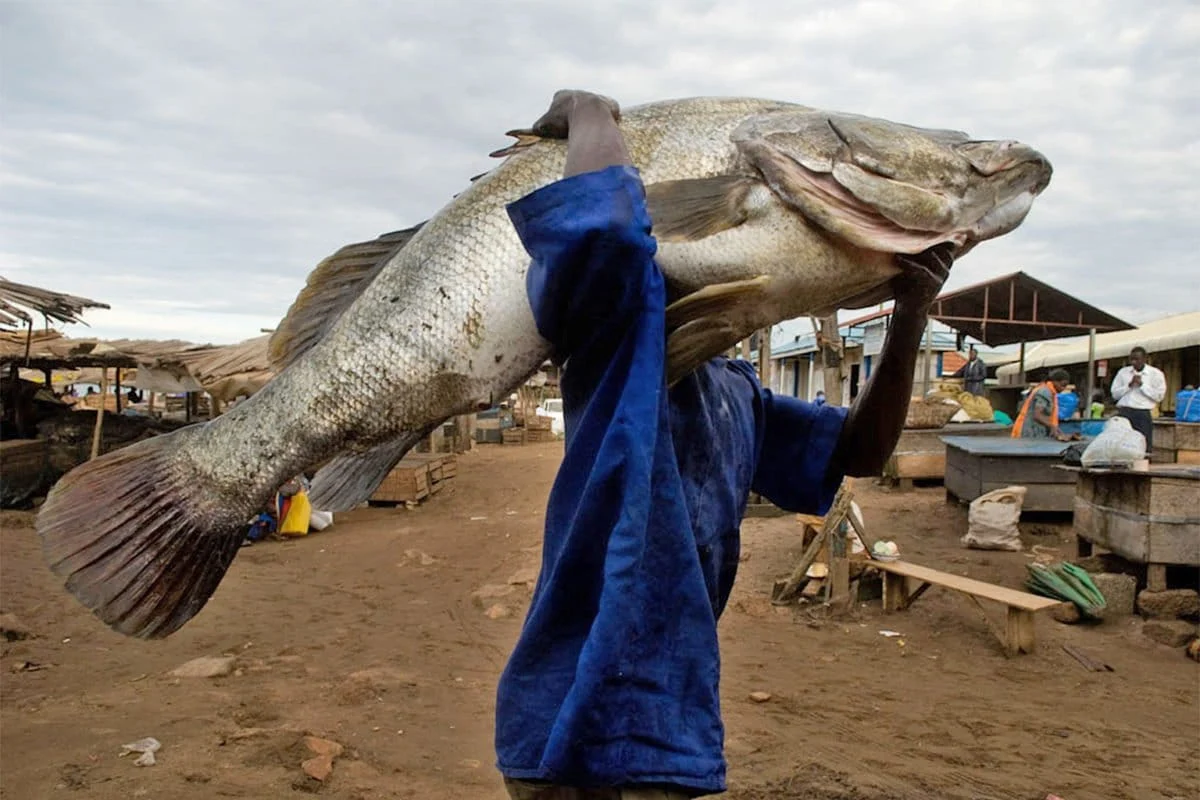
As global populations surged after World War II, international development agencies and national governments focused on "Blue Revolutions." The introduction of the Nile perch (Lates niloticus) into Lake Victoria in the 1950s is the definitive event of this era. Designed to modernize the local fishery, it transformed the lake’s ecology and economy but at a massive cost to indigenous biodiversity.
The Modern Era of Globalization (1990s–Present):
In the last three decades, the rise of the global pet trade and industrial-scale aquaculture has accelerated the movement of species. The expansion of Chinese leather farming and the global trade in ornamental stingrays represent the modern face of megafauna translocation. Additionally, climate change is beginning to allow these introduced species to migrate into areas that were previously too cold for their survival.

Case Studies in Ecological and Social Disruption
The study highlights that while the benefits of these introductions—such as increased fish yields—are immediate and measurable, the negative impacts are often delayed and hit the most vulnerable populations.
The Nile Perch and the Collapse of Cichlid Diversity
In Lake Victoria, the introduction of the Nile perch led to the extinction or near-extinction of hundreds of species of small cichlid fish. While the Nile perch created a multi-million dollar export industry, it fundamentally altered the social fabric of the region. Local fishers who relied on small-scale, diverse catches were often pushed out by large-scale commercial operations. Furthermore, because the Nile perch is an oily fish, it required wood-firing for preservation, leading to widespread deforestation around the lake’s shores.
Colombia’s "Cocaine Hippos"
The introduction of hippopotamuses to Colombia by drug lord Pablo Escobar in the 1980s has created a unique ecological crisis. Starting with just four individuals, the population has grown to over 150. These "megagardeners" alter the nutrient cycles of the Magdalena River through their waste, potentially causing toxic algae blooms. More pressingly, they pose a direct physical threat to local residents. Unlike in Africa, where hippos have natural predators or drought cycles to check their population, the Colombian environment offers an "endless summer" with no natural enemies, allowing the population to explode.
The "Silent" Impact on Non-Beneficiaries
A critical finding of the research is that the detrimental impacts of these species often fall on people who did not participate in the introduction and do not benefit from it. Small-scale subsistence fishers, local farmers, and indigenous communities often bear the brunt of habitat degradation or the loss of native species that held cultural or dietary significance. Fengzhi He noted that assessing the "human health and social interaction" impacts of these species requires long-term monitoring that is currently lacking in most regions.
The Imbalance of Data: Why We Overlook the Harms
One of the study’s most significant takeaways is the disparity in how we document the effects of introduced megafauna. The researchers found that the economic benefits are far better documented than the ecological or social harms.
"It is probably because benefits, including enhanced food supply, provision of materials, pet trade, and recreational fishing, can be relatively easy to observe and measure," He explained. Financial reports, trade data, and fishery yield statistics provide clear, quantifiable evidence of "success." Conversely, the loss of ecosystem services, the decline of non-commercial native species, and the erosion of local food sovereignty are much harder to quantify. These "indirect impacts" require intensive, long-term scientific study and sociological research, which are rarely funded at the same level as economic development projects.
Implications for Policy and Conservation
As aquaculture, the pet trade, and recreational fishing continue to expand globally, the researchers warn that the rate of megafauna introductions is likely to increase. This poses a significant challenge for the Kunming-Montreal Global Biodiversity Framework, which aims to reduce the rate of invasive species introductions by at least 50% by 2030.
The study suggests several paths forward for international policymakers:
- Stricter Biosecurity Protocols: Enhanced regulation of the pet trade and leather farming industries to prevent escapes and illegal releases.
- Comprehensive Impact Assessments: Before any new species is introduced for "food security," a holistic assessment must be conducted that includes potential long-term ecological shifts and the impact on local, small-scale stakeholders.
- Integrated Management: In areas where introduced species like the Colombian hippos have already established themselves, management strategies must balance ecological restoration with the safety and economic realities of local communities.
- Public Awareness: Educating the public about the risks of releasing large pets into local waterways is essential to curbing the "pet trade to wild population" pipeline.
The research serves as a stark reminder that while large animals are often the "charismatic megafauna" that drive conservation funding, they are also powerful agents of change when moved across the globe. The 43% of species currently living outside their native ranges represent a massive, ongoing experiment in global ecology—one where the full results have yet to be tallied. For the rivers, lakes, and wetlands of the world, the presence of these giants is a double-edged sword that requires a more nuanced and careful approach to management in the 21st century.









Leave a Reply