
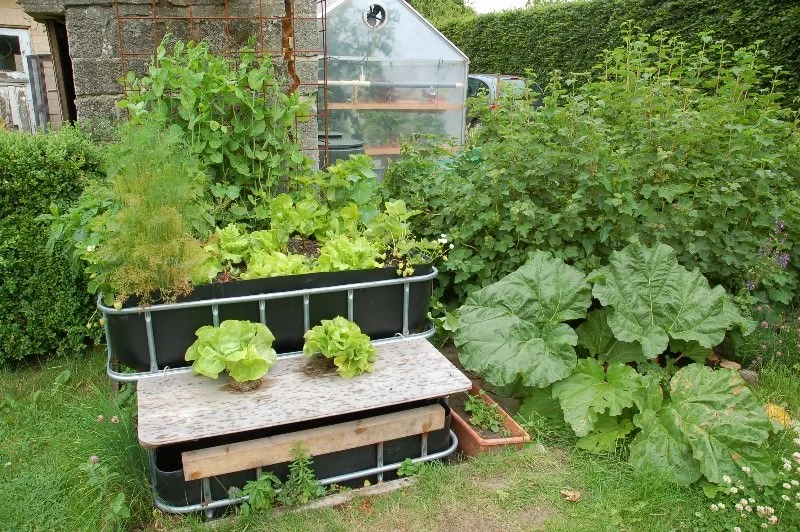
The global agricultural landscape is currently undergoing a radical transformation driven by the necessity for resource efficiency, and at the forefront of this shift is the rapid advancement of aquaponics. As of 2026, the integration of aquaculture—raising aquatic animals—and hydroponics—cultivating plants in water—has transitioned from a backyard novelty into a cornerstone of sustainable food production research. The core appeal of this closed-loop system lies in its staggering efficiency: a well-managed aquaponics system requires approximately one gallon of water to produce a single kilogram of leafy greens. In contrast, conventional soil-based farming requires 30 gallons or more to achieve the same yield, according to a landmark 2024 comparative greenhouse study. This 96% reduction in water usage has positioned aquaponics as a vital tool in the fight against global water scarcity and food insecurity.
The Biological Engine: Understanding the Nitrification Cycle
To understand the rise of aquaponics, one must first look at the biological process that sustains it: nitrification. This natural cycle serves as the engine of the system, turning potential waste into a valuable resource. In a traditional aquaculture setting, fish produce ammonia-rich waste which, if left to accumulate, becomes toxic to the fish. In an aquaponics setup, however, this waste is diverted through a bio-filter or a growth medium colonized by beneficial bacteria.
The process occurs in two primary stages. First, bacteria such as Nitrosomonas convert the ammonia into nitrites. While nitrites are still harmful to fish, a second group of bacteria, Nitrobacter, quickly converts these nitrites into nitrates. Nitrates are relatively harmless to fish but serve as a highly effective, nitrogen-rich fertilizer for plants. As the plants absorb these nutrients through their roots, they effectively "scrub" the water, which is then recirculated back into the fish tank, clean and oxygenated. This symbiotic relationship eliminates the need for chemical fertilizers and reduces the water discharge issues common in commercial fish farming.
A Chronology of Modern Advancements: 2021 to 2026
The journey of aquaponics from a specialized interest to a mainstream agricultural solution has been marked by several key technological milestones over the last five years. In 2021, the industry was primarily focused on DIY setups and small-scale kits. However, by 2024, the narrative shifted toward precision agriculture.
A pivotal 2025 review published in Sustainable Environment Research documented a surge in the integration of Artificial Intelligence (AI) and Internet of Things (IoT) sensors within these systems. These technologies allowed for real-time monitoring of critical variables such as pH levels, dissolved oxygen, ammonia concentration, and water temperature. By 2026, the barrier to entry for home gardeners reached an all-time low. Entry-level, all-in-one kits are now available for under $100, while sophisticated WiFi-enabled pH and electro-conductivity (EC) meters have dropped into the $60 to $120 range, making professional-grade monitoring accessible to the average consumer.
Architectural Innovations: Choosing the Right System
The diversity of aquaponic architectures has expanded to suit various environments, from urban apartments to large-scale commercial warehouses. Three primary configurations dominate the market in 2026, each offering distinct advantages.
Media Bed Systems remain the most recommended entry point for beginners. In this setup, plants grow in a bed of inert media, such as expanded clay pebbles, lava rock, or gravel. Research from Texas A&M has confirmed that media beds are the most "forgiving" systems because the media acts as both a mechanical filter and a biological surface for bacterial growth. Furthermore, a 2025 study highlighted that alternative media, such as carbonized rice husks and cocopeat, can yield up to five times more crop volume than traditional expanded clay, though they require more frequent replacement due to decomposition.
Nutrient Film Technique (NFT) utilizes a different approach, where a thin, continuous stream of nutrient-rich water flows through PVC tubes or gutters. The roots of the plants dangle into this "film," absorbing nutrients while maintaining high levels of oxygen exposure. NFT is particularly effective for vertical farming; research indicates that vertical aquaponic setups can increase productivity per unit of area by up to 160% compared to horizontal systems, making them ideal for high-density urban environments.
Deep Water Culture (DWC), or Raft Systems, involve floating plants on foam rafts with their roots submerged directly in a deep reservoir of water. While this method is highly productive for leafy greens and is a favorite among commercial operators, it requires more robust filtration systems to remove solid fish waste, as there is no media bed to trap debris.

The Emergence of Decoupled Systems
One of the most significant scientific breakthroughs discussed in the 2024 Journal of the World Aquaculture Society is the rise of "decoupled" aquaponics. In a traditional "coupled" system, the fish and plants share the exact same water chemistry. This often forces a compromise: fish generally prefer a slightly alkaline pH (7.5 to 8.0), while most plants thrive in slightly acidic conditions (5.5 to 6.5) for optimal nutrient uptake.
Decoupled systems solve this by separating the aquaculture unit from the hydroponic unit. Water flows from the fish to the plants, but it does not necessarily return directly. This allows operators to optimize the pH and nutrient levels in each section independently. For example, if a tomato crop requires higher potassium levels, growers can supplement the plant reservoir without risking the health of the fish. This advancement has led to significantly higher yields and has allowed for the cultivation of a wider variety of "heavy-feeding" crops, such as peppers and cucumbers, which were previously difficult to grow in standard setups.
Biological Diversity: Fish and Plant Selection
The success of an aquaponics system depends heavily on the compatibility of its inhabitants. In 2026, Tilapia remain the industry standard due to their hardiness, rapid growth rate, and tolerance for fluctuating water conditions. However, the market has diversified. Ornamental fish like Koi and Goldfish are popular for home "edible landscaping" systems where fish consumption is not the goal. For those interested in food production, species such as Channel Catfish, Perch, and Largemouth Bass are increasingly common.
On the botanical side, the options are nearly limitless. While leafy greens like lettuce, kale, and basil remain the easiest to grow, the advent of better nutrient management has enabled the successful cultivation of broccoli, celery, and even strawberries. Experts emphasize that the key to success lies in balancing the fish biomass with the plant surface area; too many fish can lead to toxic ammonia spikes, while too few will result in nutrient-deficient plants.
Future Frontiers: Algae and Automation
As the industry looks beyond 2026, two areas of research are showing immense promise: algae co-cultivation and AI-driven automation. Recent reports in Reviews in Aquaculture suggest that introducing macroalgae, such as Spirogyra, can nearly double plant yields by enhancing the nutrient profile of the water. Similarly, co-cultivating microalgae like Chlorella has been shown to control ammonia levels twice as effectively as traditional bacterial bio-filters.
Furthermore, the integration of AI is moving beyond simple monitoring. New systems are being developed that use machine learning to predict potential water quality crashes before they happen, adjusting aeration and feeding schedules automatically. This level of automation is expected to further reduce operational costs and minimize waste, making aquaponics a truly "set and forget" solution for food production in the near future.
Economic and Environmental Implications
The broader implications of aquaponics extend far beyond the individual gardener. As climate change continues to disrupt traditional weather patterns and soil quality, the ability to grow food in a controlled, water-efficient environment is a matter of national security for many regions. By reducing "food miles"—the distance food travels from farm to table—urban aquaponics facilities significantly lower the carbon footprint of the produce.
Moreover, the lack of synthetic pesticide and herbicide use in aquaponics—since these chemicals would kill the fish—ensures a cleaner, organic-adjacent product for consumers. Agricultural analysts suggest that as the technology continues to scale and costs continue to drop, aquaponics will play a central role in the circular economy, turning urban spaces into productive hubs of sustainable life.
In conclusion, the state of aquaponics in 2026 reflects a perfect intersection of biology and technology. By mimicking natural ecosystems and enhancing them with modern sensors and structural innovations, society has found a way to grow more food with less water, less space, and less environmental impact. Whether in a high-tech commercial facility or a small kitchen setup, aquaponics represents a viable, sustainable path forward for global agriculture.










Leave a Reply