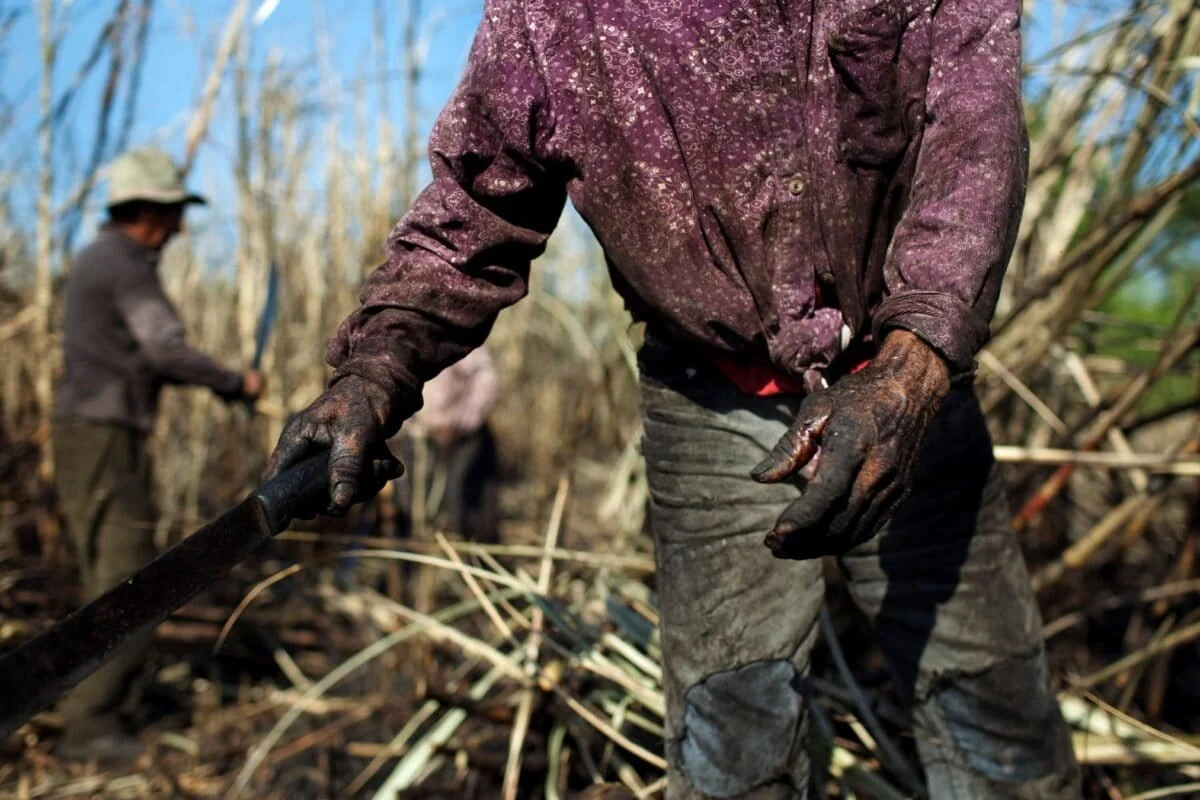
The pursuit of historical justice for Indigenous populations in Central America reached a significant legal milestone when the Inter-American Commission on Human Rights (IACHR) officially announced it had referred a complex, multi-layered land displacement case against the government of Guatemala to the Inter-American Court of Human Rights. The legal action centers on the plight of 14 Maya Q’eqchi’ communities located in the northern department of Alta Verapaz, who were systematically uprooted from their ancestral territories to clear the way for expansive, industrial-scale sugarcane plantations. This referral represents a pivotal moment in the ongoing struggle over land rights, corporate expansion, and state accountability in Guatemala, highlighting the systemic vulnerabilities faced by Indigenous populations when global agro-industrial interests clash with traditional ways of life.
The formal submission, lodged with the regional human rights tribunal, details a systematic failure by the Guatemalan state to protect the fundamental rights of its Indigenous citizens. According to the IACHR documentation, the displacement of the Maya Q’eqchi’ people was not merely an isolated administrative oversight, but the culmination of years of state-sanctioned land dispossession, institutional negligence, and a disproportionate deployment of state security forces. The Commission is now asking the Inter-American Court to hold the Guatemalan government internationally responsible for these violations and to mandate comprehensive, binding reparations that include the safe return of the displaced communities to their ancestral homelands, guaranteed access to basic necessities, and the establishment of secure, collective land titles.
A Historical Chronology of Land Dispossession
To fully understand the gravity of the case currently before the Inter-American Court, it is necessary to examine the chronological progression of the conflict, which spans nearly two decades of administrative failure, civil resistance, and legal battles.
The roots of the dispute trace back to at least 2005. During this period, private agro-industrial and corporate entities began aggressively acquiring tracts of land in Alta Verapaz—territories that the Maya Q’eqchi’ communities had inhabited, farmed, and cared for across generations. A central catalyst for the crisis was the historical failure of the Guatemalan state to issue formal, legally recognized land titles to these Indigenous groups. While the communities exercised de facto possession of the land through centuries of continuous habitation, the absence of official state documentation left a legal vacuum. Private corporations and landowners exploited this regulatory loophole, acquiring administrative titles from the government while completely bypassing the traditional inhabitants.
As private entities moved to claim the land and convert it into lucrative monoculture plantations, tensions escalated. By the late 2000s, the Maya Q’eqchi’ residents had organized widespread protests, demanding that the state recognize their historical occupancy rights and halt the encroachment of private commercial enterprises. Rather than mediating a peaceful, rights-based solution or investigating the historical land claims, the Guatemalan judicial and administrative apparatus sided with commercial interests.
In 2011, a Guatemalan court authorized the forced eviction of the 14 Indigenous communities after residents steadfastly refused to vacate the territories. At the time, the administration defended its aggressive posture through official statements, arguing that the government held a legal and moral obligation to curb what it termed illegal land occupations that posed a serious risk to national governance and public order. This framing criminalized the traditional inhabitants, painting Indigenous land defense as a threat to the rule of law while ignoring the structural inequities that enabled corporate land accumulation.
The Escalation of Violence and Environmental Degradation
The culmination of these legal orders led to deeply traumatic physical evictions characterized by severe human rights abuses. According to the findings of the IACHR, the state executed the court-ordered removals "violently and with a disproportionate use of force." State security forces deployed to the region routinely failed to adhere to international human rights standards regarding peaceful evictions, human safety, and the protection of vulnerable populations.
The most acute manifestation of this violence occurred in May 2013 during the brutal eviction of 95 families residing on the Río Polochic farm in the municipality of Panzós. During the operation, security forces and private actors clashed with residents, leaving at least five Indigenous individuals with severe gunshot wounds who required emergency hospital intervention. The Panzós eviction became a national and international symbol of the dangers faced by rural land defenders in Guatemala, drawing sharp rebukes from international observers and civil society organizations.
Beyond the immediate physical violence, the conversion of ancestral lands into industrial sugarcane operations triggered catastrophic environmental and social consequences. The IACHR noted that the massive expansion of sugarcane cultivation fundamentally disrupted local ecosystems. The traditional subsistence crops that formed the foundation of the Maya Q’eqchi’ diet—specifically rice, maize, and black beans—were systematically destroyed or rendered unviable due to changes in land use, soil degradation, and the diversion of water resources.
This environmental transformation had an immediate and devastating impact on the health and food security of the population. The state, by approving large-scale commercial agricultural projects without conducting prior environmental impact assessments or engaging in meaningful consultation with the communities, directly violated its obligations under international law. The IACHR emphasized that the government failed in its duty to guarantee the communities’ right to food, which encompasses not merely the absence of hunger, but access to adequate, culturally appropriate nutrition necessary for the preservation of health and well-being.

The Legal Framework of the Inter-American System
The transition of this case from the investigative body of the IACHR to the adjudicative realm of the Inter-American Court of Human Rights is a critical step within the inter-American human rights architecture. The IACHR, operating as an autonomous organ of the Organization of American States (OAS), investigates human rights petitions, issues precautionary measures, and decides whether cases merit referral to the Court for a binding legal judgment.
Having officially submitted the case on September 17, with public announcements following on October 28, the Commission has set the stage for a judicial review that could establish profound legal precedents regarding corporate accountability, Indigenous land rights, and state obligations in development projects. Because Guatemala is a state party that has formally accepted the contentious jurisdiction of the Inter-American Court, any final judgment rendered by the tribunal will be legally binding on the Guatemalan state.
While the Court has not yet announced a definitive timeline for oral hearings, preliminary proceedings, or the final verdict, human rights lawyers and legal scholars anticipate that the case will take several months—if not years—to reach its conclusion. However, the mere admission and referral of the case send a powerful signal to the Guatemalan judiciary and executive branches regarding international oversight of domestic human rights abuses.
Demands for Reparations and Structural Remediation
In its formal referral to the Court, the IACHR outlined a comprehensive set of remedies and reparations that the Guatemalan government must be ordered to implement. These demands go far beyond financial compensation, focusing instead on structural transformation and restitution to address the root causes of the displacement.
First and foremost, the Commission has urged the Court to order the immediate cessation of ongoing violations and to guarantee the safe, dignified return of the displaced Maya Q’eqchi’ communities to their ancestral territories. Return alone, however, is deemed insufficient without the accompanying infrastructure required for sustainable survival. Consequently, the IACHR has demanded that the state ensure comprehensive access to basic public goods and services, including reliable sources of drinking water, adequate housing, and food security initiatives.
Crucially, the Commission’s recommendations target the foundational regulatory failures that permitted the crisis to unfold in the first place. The IACHR is calling on the Court to mandate the precise demarcation, delimitation, and titling of the lands belonging to the 14 communities. Rather than issuing individual titles that could be easily alienated or manipulated, the state must grant collective land ownership rights to the communities, legally recognizing their ancestral tenure. Furthermore, the Commission has recommended that Guatemala develop and implement a robust domestic legal framework to formally guarantee ancestral land rights for all Indigenous populations nationwide, aligning national legislation with international human rights standards such as International Labour Organization (ILO) Convention 169.
Broader Implications and Socio-Political Context
The referral of the Alta Verapaz case arrives at a critical juncture for Guatemala, a country currently grappling with deep-seated institutional challenges, endemic corruption, and intense socio-economic inequality. Land conflicts remain one of the primary drivers of social unrest across the nation, particularly in rural departments where large-scale agro-export industries—primarily sugarcane, palm oil, and cattle ranching—compete directly with Indigenous and peasant farming communities for arable land and water.
The implications of this case extend well beyond the borders of Alta Verapaz. If the Inter-American Court rules in favor of the Maya Q’eqchi’ communities and adopts the sweeping reparations packages recommended by the IACHR, it will create a binding regional precedent. Such a ruling would compel the Guatemalan government—and potentially other nations within the OAS jurisdiction—to fundamentally reform how they handle large-scale agro-industrial projects, environmental permitting, and prior consultation processes with Indigenous populations.
International human rights organizations, environmental watchdogs, and Indigenous advocacy networks have lauded the IACHR’s decision, viewing it as a vital check against unchecked corporate power and state complicity. For decades, Indigenous land defenders in Guatemala have faced severe risks, including criminalization, harassment, and targeted violence, often operating with little recourse within a domestic legal system historically skewed toward economic elites.
As the case proceeds to the Inter-American Court of Human Rights, all eyes will be on the international tribunal to see whether it will deliver a historic verdict that not only restores justice to the 14 Maya Q’eqchi’ communities of Alta Verapaz, but also establishes an unyielding standard for Indigenous rights, corporate accountability, and environmental justice across the Americas.