For decades, conservationists and herpetologists have grappled with an ecological mystery that quietly devastated pristine sections of Brazil’s Atlantic Forest: the sudden, catastrophic disappearance of native frog populations during the late 1970s and 1980s. While various environmental stressors—ranging from severe, unseasonal cold snaps to localized acid rain—were hypothesized as potential drivers, definitive proof remained elusive. Now, a comprehensive new study published in the journal Molecular Ecology points decisively toward a familiar, highly destructive culprit: the amphibian chytrid fungus, Batrachochytrium dendrobatidis (Bd).
The breakthrough stems from an international collaboration between researchers from the United States and Brazil who turned to an unexpected biological archive: natural history museum specimens. By analyzing historical frog populations preserved decades prior to the formal scientific description of the pathogen, the research team successfully reconstructed the silent spread of an ecological crisis, offering vital lessons for modern wildlife disease management.
Unlocking Biological Time Capsules
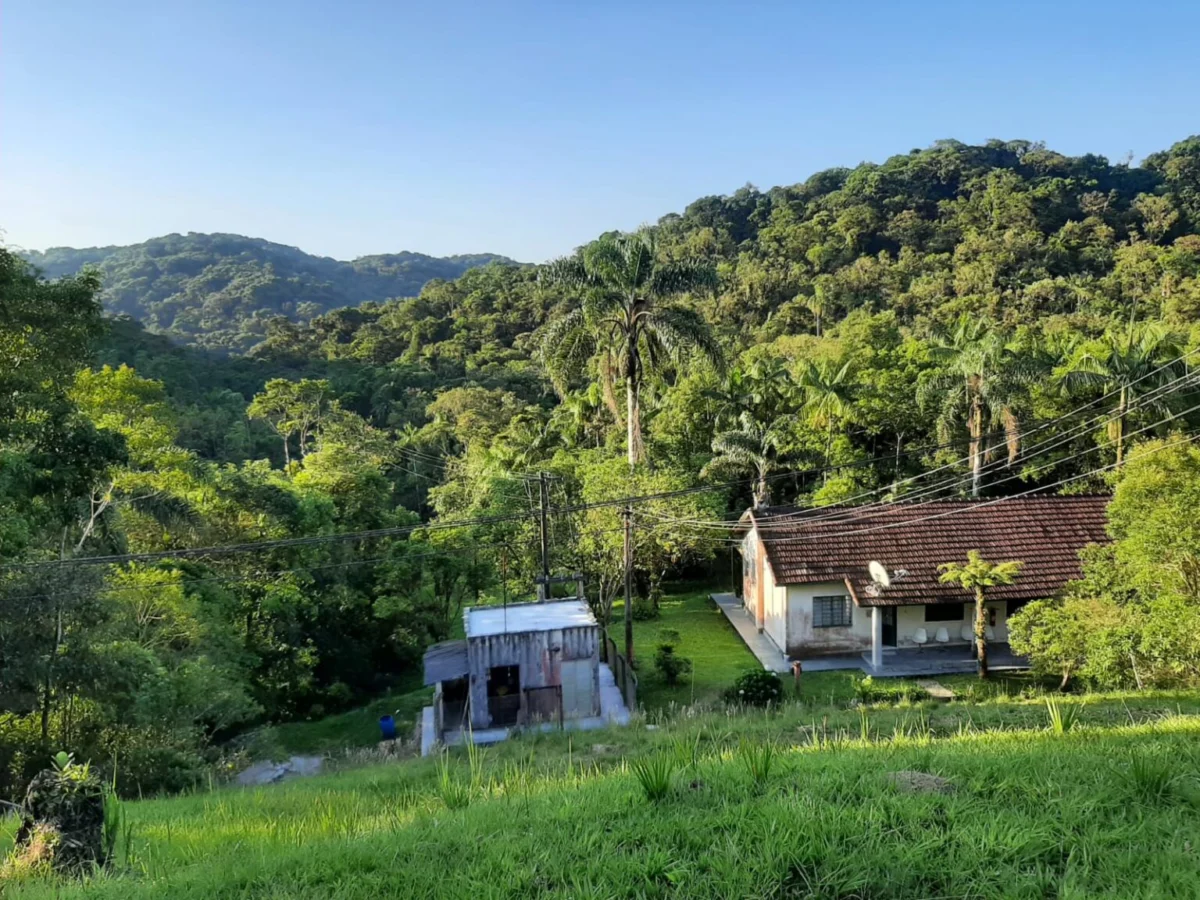
The investigation centered on the Boracéia research station, a protected area within Brazil’s ecologically rich Atlantic Forest. During the 1970s and 1980s, William Ronald Heyer, a former curator at the Smithsonian Institution, meticulously collected and preserved 370 frogs representing 17 distinct species for scientific study. Crucially, however, fieldwork and specimen collection at the station lapsed between 1979 and 1982—precisely the window during which field observers noted a drastic, alarming decline in local amphibian abundance.

"There’s a gap right when the decline happened," explained Jack Boyette, the study’s lead author, a Smithsonian graduate fellow, and a Ph.D. candidate at Pennsylvania State University. "So, we have this really amazing temporal collection before and after the decline."
Recognizing the value of these archives, Boyette and his colleagues treated the museum specimens as biological time capsules. To determine whether the chytrid fungus was present during the die-offs, the researchers deployed a rigorous suite of molecular diagnostic protocols. They utilized polymerase chain reaction (PCR) assays to scan skin samples for pathogen DNA, genotyped the fungal strains to trace their lineages, and examined microscopic tissue sections for the characteristic skin lesions and hyperkeratosis induced by chytridiomycosis.
To ensure the validity of their findings despite decades of chemical preservation in formalin and ethanol, the team executed stringent laboratory controls. They tested the DNA degradation rates of the specimens to confirm that preservation artifacts did not skew the results, and they swabbed the storage jars themselves to rule out environmental cross-contamination from free-floating fungal DNA.
A Rapid Expansion and the Detection Lag
The molecular analysis revealed a stark temporal shift. When the researchers tested frog specimens collected in 1978—just prior to the collection gap—they found no detectable trace of Batrachochytrium dendrobatidis. However, samples gathered from 1983 onward tested heavily positive for the pathogen, revealing a widespread and rapid invasion across the landscape.

This sequence exemplifies a phenomenon frequently observed in wildlife epidemiology: the "detection lag." Although the chytrid fungus was not formally identified and described by science until 1999, retrospective genomic studies have shown that it emerged globally from Asia decades earlier, silently devastating more than 500 amphibian species worldwide.
The pathogen attacks the keratinized layers of amphibian skin, critically disrupting the animals’ ability to regulate vital bodily functions, including oxygen intake, water balance, and electrolyte homeostasis. Infected individuals frequently exhibit severe physiological distress, characterized by skin reddening, excessive sloughing, and neurological or behavioral abnormalities that leave them vulnerable to secondary stressors.
"The appearance of Bd coincides with these declines, which is about as strong a link as we could possibly get in these inferential historical data sets," Boyette noted.
Amadeus Plewnia, a biogeographer and ecologist at Ghent University in Belgium who was not involved in the research, emphasized the enduring value of museum collections in conservation science. While noting that historical data sets cannot independently prove absolute causality in every instance, Plewnia stated that the empirical evidence uncovered by the team makes the causal link between Bd and the historical declines "extremely likely."

Nuances and Debate Within the Scientific Community
Despite the compelling genomic timeline, the study also yielded counterintuitive results that sparked debate among disease ecologists. Most notably, species that experienced the most severe population crashes at Boracéia often yielded no detectable Bd infections upon initial screening, whereas other species that weathered the period without apparent population declines showed high infection prevalence.
Researchers suggest this paradox may stem from selective survival bias: highly susceptible frogs may have succumbed to the disease and perished before they could be captured and preserved, while surviving populations may have possessed innate immunological resistance or microhabitat behaviors that mitigated the pathogen’s lethal effects.
Furthermore, some scientists maintain that attributing the historical extinctions solely to the fungus oversimplifies a complex ecological crisis. Lucas Ferrante, a researcher at the University of São Paulo who was not affiliated with the study, argued that while the PCR and genomic data successfully document the presence of Bd, they do not definitively prove that the pathogen was the primary driver of the historical die-offs.
Ferrante contends that Bd frequently operates as an opportunistic pathogen whose virulence is supercharged by broader climatic disturbances, such as regional shifts in temperature, altered precipitation patterns, and extreme weather anomalies linked to macro-climatic cycles like El Niño. From this perspective, detecting a pathogen in the wake of a population decline does not automatically confirm it as the root cause, underscoring the ongoing scientific discussion regarding multi-factorial pressures in tropical ecosystems.

Signs of Resilience and Broader Implications
Notwithstanding these debates, recent ecological surveys at the Boracéia research station offer a narrative of cautious optimism regarding ecosystem recovery. Fieldwork conducted by the research team in 2022 and 2024 revealed that several amphibian species decimated during the 1980s have rebounded significantly.
"If you go back to Boracéia today, a lot of those species [that declined] are again some of the most abundant species on the landscape," Boyette observed. "We know that a lot of these populations have demonstrated pretty remarkable resilience."
Nevertheless, the recovery is incomplete. Up to five of the 17 species originally documented by Heyer in the area appear to have vanished entirely, including the Rio spinythumb frog (Crossodactylus dispar) and the flattened waterfall frog (Cycloramphus boraceiensis). Furthermore, recent field surveys have documented occasional newly dead specimens of species historically affected by declines, prompting ongoing monitoring and diagnostic testing by local researchers like Renato Martins, an ecologist at São Paulo State University.
Beyond shedding light on the historical fate of Brazil’s Atlantic Forest, the methodology established by the research team provides a vital framework for anticipating future wildlife disease outbreaks. Conservationists are particularly concerned about Batrachochytrium salamandrivorans (Bsal), an emerging chytrid fungus that specifically targets salamanders and newts by digesting their skin. Often termed the "salamander plague," Bsal has already devastated populations across parts of Europe and poses an imminent threat to North American biodiversity should it cross international borders.

By harnessing historical DNA from natural history museums, scientists can better reconstruct the early, undetectable stages of pathogen emergence, mapping how fungal diseases spread and behave within complex ecological communities. The research team is already applying similar protocols to historical frog collections from Costa Rica to examine pre-decline dynamics in the Monteverde region.
"My hope is that together, these efforts will fill gaps in our understanding of Bd’s history, clarify its toll on biodiversity, and help us anticipate future impacts in a world where emerging fungal pathogens, like Bsal, remain a major threat," Boyette concluded.