Portable power technology has evolved from a niche camping accessory into a critical component of modern disaster preparedness and grid independence. As the frequency of extreme weather events continues to challenge utility infrastructure globally, the demand for reliable, scalable, and rapidly deployable energy storage has surged. Jackery, a pioneer in the consumer-grade portable power station market, has officially moved its Red Cross Edition HomePower 2000 Plus V2 into full production. This initiative represents more than a cosmetic update; it serves as a strategic partnership designed to funnel resources directly into disaster relief and the support of first responders.

The collaboration, which first surfaced during a series of industry field visits in mid-2026, marks a significant intersection between consumer technology and humanitarian aid. By committing 10% of the profits from this specific model to the provision of power units for emergency rescue organizations, Jackery is establishing a scalable model for corporate social responsibility within the energy sector.
A Chronology of the Partnership and Product Development
The genesis of the Red Cross Edition began in early 2026, as Jackery sought to align its product roadmap with the increasing necessity for mobile, off-grid power in disaster-stricken areas. During a comprehensive tour of the company’s headquarters and product testing laboratories in Shenzhen, China, in July 2026, observers noted the company’s focus on durability and rapid-charging capabilities—features essential for field-based operations.

By late June 2026, the partnership was formally announced. The subsequent months were dedicated to integrating the branding with the established technical specifications of the HomePower 2000 Plus V2, ensuring that the unit met the rigorous standards required for emergency usage. Following successful stress testing and field trials throughout the autumn, the unit has now entered the manufacturing phase, signaling a transition from conceptual collaboration to tangible support for disaster relief teams.
Technical Specifications and Performance Metrics
The HomePower 2000 Plus V2 is engineered for versatility, utilizing Lithium Iron Phosphate (LFP) battery chemistry. This chemistry is widely regarded as the industry standard for longevity and safety in power stations. According to technical data provided by the manufacturer, the unit is rated for approximately 6,000 charge cycles. Under a regime of daily use, this equates to a operational lifespan of roughly 16 years, significantly outperforming legacy lithium-ion chemistries.

The unit’s power delivery capabilities are characterized by a 2,400-watt continuous AC output, with the ability to handle surge loads up to 4,800 watts. This high-wattage capacity allows it to sustain high-draw appliances—such as refrigerators, medical equipment, and heating units—that are often essential during power outages. Weighing approximately 21 pounds, the device maintains a high energy-density-to-weight ratio, which is a critical factor for emergency responders who must move equipment quickly into difficult-to-access locations.
Charging efficiency is a primary focus of the V2 model. The system supports a multi-input charging architecture:

- AC Wall Charging: Capable of drawing 1,600 watts, allowing for a full recharge from zero to 100% in approximately 90 minutes.
- Solar Integration: The unit supports up to 800 watts of solar input. In optimal conditions, this enables a complete recharge in roughly 3.2 hours, providing a critical lifeline in scenarios where the electrical grid is non-functional.
- DC/Alternator Charging: For vehicular deployment, Jackery offers a dedicated DC-to-DC charger that draws power from a vehicle’s alternator at 600 watts, effectively turning a combustion engine vehicle into a mobile generator.
Scaling for Emergency Demand
A defining feature of the HomePower 2000 Plus V2 is its modularity. While the base unit provides 2 kWh of storage, the system is designed to interface with the Jackery Battery Plus expansion units. This allows users to scale total capacity up to 12 kWh. For first responders, this modularity is essential; it allows for the deployment of a lightweight, mobile base unit that can be augmented with additional battery packs depending on the duration and intensity of the mission.
This flexibility addresses a common critique of portable power stations: the inability to adapt to varying power requirements. By enabling a 6x increase in storage capacity, the system ensures that while it is capable of powering small electronics in the short term, it can also support larger, sustained loads over extended periods of time.

Broader Implications for the Energy Sector
The decision to donate 10% of profits to the Red Cross, coupled with the donation of physical units to rescue teams, suggests a shift in how consumer tech companies are addressing their role in societal resilience. Historically, portable power companies focused primarily on the outdoor recreation market. However, the alignment with a humanitarian organization like the Red Cross indicates a pivot toward the "preparedness" market, where equipment is evaluated on reliability and real-world utility rather than convenience alone.
Industry analysts observe that this move also serves to validate the utility of LFP technology in professional and volunteer emergency services. As governments and NGOs look for alternatives to gasoline-powered generators—which produce carbon emissions, noise, and require fuel logistics—the adoption of high-capacity, silent, and emission-free portable stations is likely to accelerate.

The Role of First Responders and Grid Resilience
The primary challenge for any emergency response effort is the "last mile" of power delivery. When traditional infrastructure fails, communications, lighting, and medical refrigeration are the first services to be lost. By placing these units directly into the hands of those managing disaster sites, Jackery is attempting to mitigate the delay inherent in waiting for grid restoration.
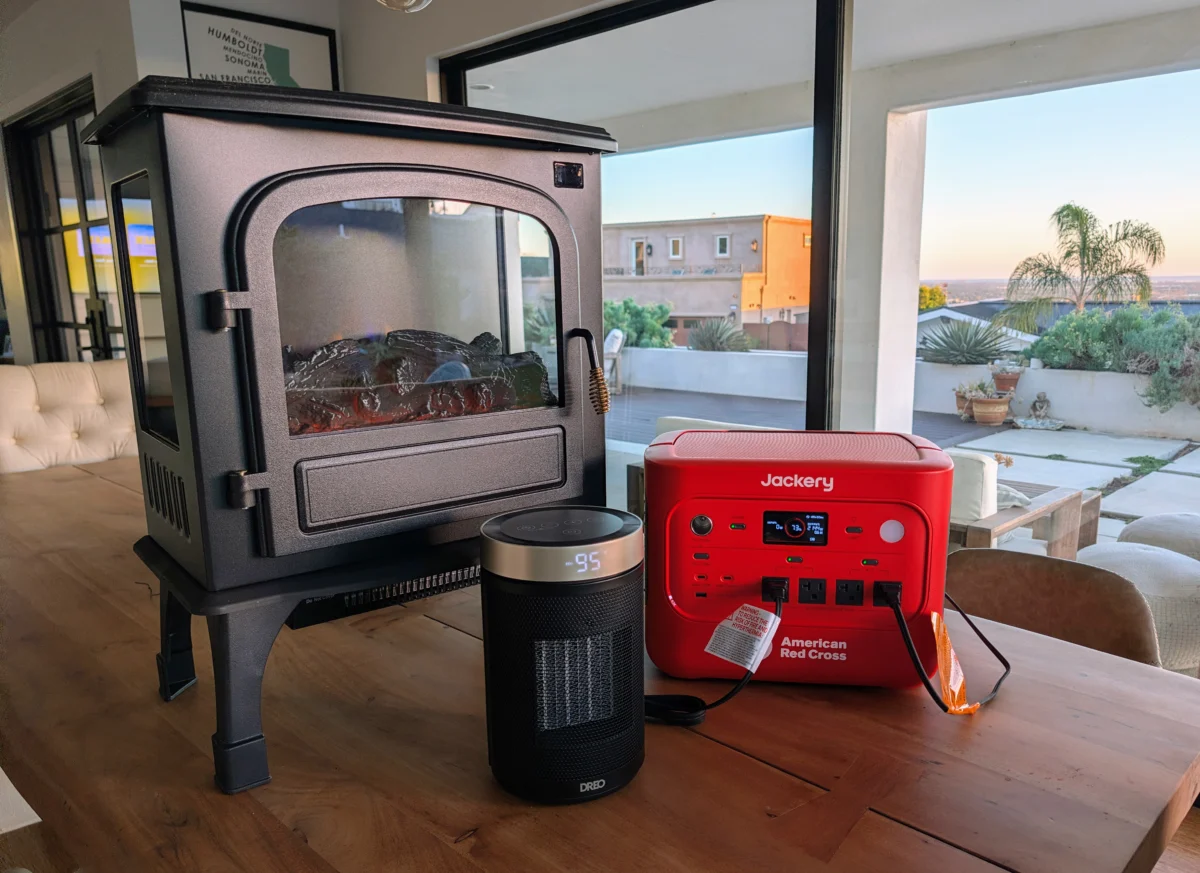
In recent field tests, the units have demonstrated the ability to maintain operations for several days of continuous, moderate-to-heavy use, including powering portable lighting, communications equipment, and refrigeration. Even when subjected to high-load "torture tests"—such as running multiple 1,500-watt heating elements simultaneously—the unit demonstrated robust thermal management and power management software that prevented premature system failure, even when pushing beyond its 2,400-watt continuous rating.

Conclusion and Future Outlook
The Red Cross Edition HomePower 2000 Plus V2 serves as a case study for how private sector entities can support public infrastructure resilience. While the product remains a consumer-grade device, its technical performance has been vetted for conditions that mirror those faced by emergency professionals.
Looking forward, the success of this model may influence the development of future iterations of portable power stations. As these devices become standard issue for emergency kits, the focus will likely remain on reducing charging times, improving the energy-to-weight ratio, and enhancing the modularity of storage systems. For now, the introduction of this edition provides both a resource for humanitarian efforts and a tangible option for consumers seeking to improve their own household emergency preparedness while contributing to a wider, established relief framework.

The integration of such technology into the toolkit of first responders represents a pragmatic approach to modern disaster management, where agility and autonomy are paramount. As production scales, the impact of these donated units on future field operations will be closely monitored, potentially setting a precedent for similar partnerships across the energy storage industry. For those interested in the technical specifics or the humanitarian program, information is available through official channels, where the product’s role in both personal and professional resilience is clearly defined.