
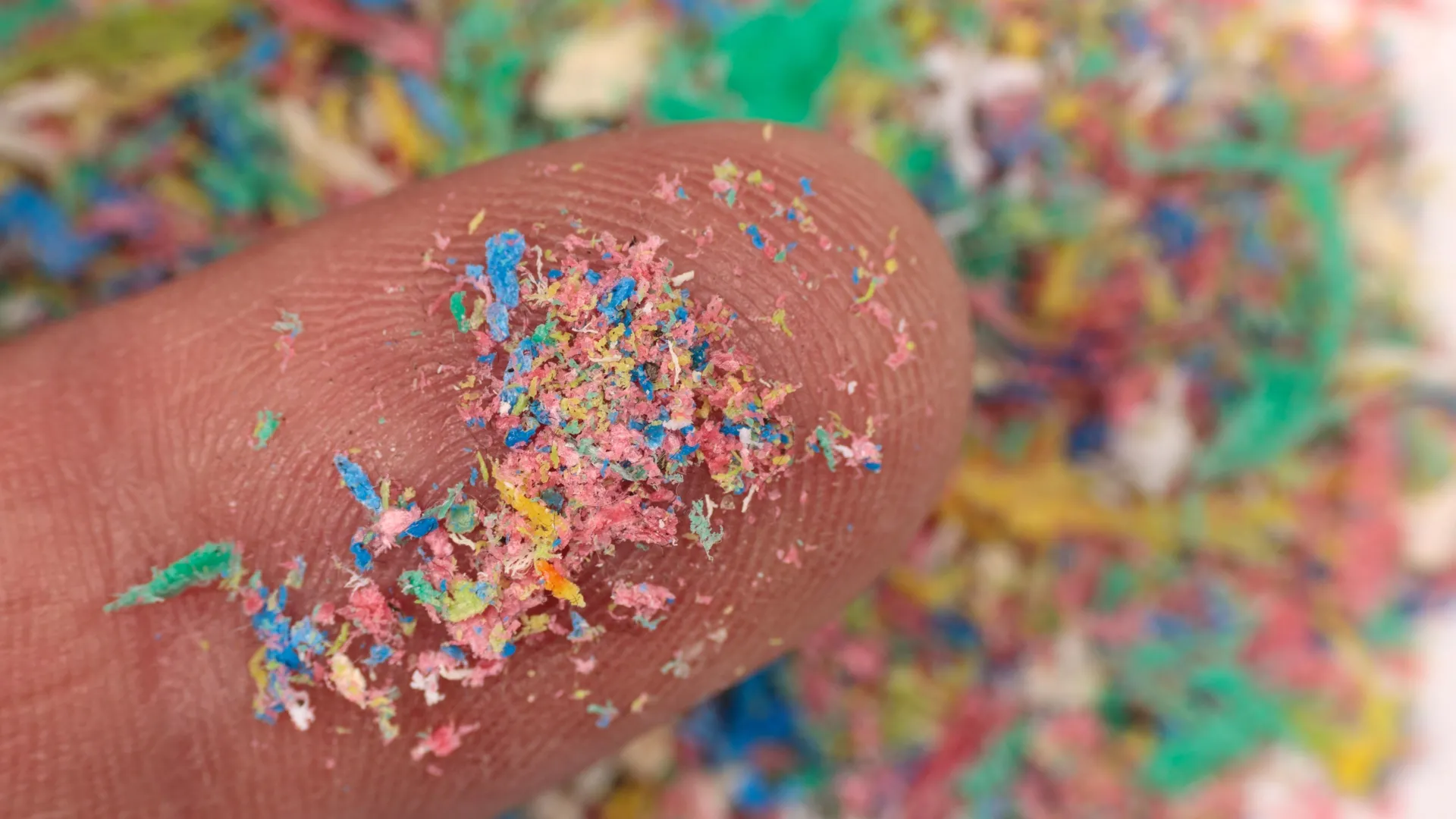
The World Institute of Kimchi (WiKim), a premier government-funded research organization operating under the Ministry of Science and ICT, has unveiled a significant scientific breakthrough that connects traditional dietary staples to the mitigation of modern environmental health risks. In a recent study, researchers identified that a specific strain of lactic acid bacterium, isolated from kimchi, possesses the unique ability to bind to nanoplastics within the human intestine, effectively promoting their excretion from the body. This discovery marks a pivotal intersection between food microbiology and environmental toxicology, offering a potential biological strategy to combat the accumulation of micro- and nanoplastic pollutants in human organs.
The Growing Crisis of Nanoplastic Contamination
Nanoplastics—defined as plastic particles measuring less than 1 micrometer (µm), or one-thousandth of a millimeter—have become an omnipresent feature of the global ecosystem. These particles are the byproduct of the gradual degradation of larger plastic debris, including single-use packaging, synthetic fibers, and industrial waste. Due to their infinitesimal size, nanoplastics are capable of infiltrating food chains, water supplies, and even the air we breathe.
Unlike larger microplastics, which the body can sometimes process or pass through the digestive system with relative ease, nanoplastics present a more insidious threat. Their small scale allows them to traverse the intestinal barrier, entering the bloodstream and potentially translocating into vital organs such as the kidneys, liver, and brain. While the full extent of the long-term health consequences remains a subject of ongoing clinical study, early indicators suggest that these particles may induce chronic inflammation, oxidative stress, and potential cellular disruption. Until now, scientific literature has remained thin on viable, non-invasive methods to reduce the bioaccumulation of these substances within the gastrointestinal tract.
Chronology of the Research Initiative
The research project, spearheaded by Drs. Se Hee Lee and Tae Woong Whon at the World Institute of Kimchi, was initiated to explore the functional properties of kimchi-derived microorganisms beyond their traditional roles in fermentation and gut microbiome health. The investigation spanned several stages, beginning with laboratory screening and culminating in in-vivo animal trials.
The initial phase focused on identifying strains capable of high-affinity adsorption to polystyrene nanoplastics (PS-NPs). The team evaluated several candidates before isolating Leuconostoc mesenteroides CBA3656. In the secondary phase, the researchers conducted comparative analyses between this kimchi-derived strain and a reference strain, Latilactobacillus sakei CBA3608, under both standard laboratory conditions and simulated gastrointestinal environments.
The final phase of the project involved a germ-free mouse model, designed to observe the interaction between the bacteria and nanoplastics in a living digestive system. This rigorous testing timeline allowed the researchers to establish a correlation between the presence of the probiotic strain and the increased excretion of plastic particles.
Comparative Efficacy and Biological Mechanisms
The core of the discovery lies in the resilience of the CBA3656 strain under the harsh chemical conditions of the human digestive tract. During initial bench testing, both the kimchi-derived strain and the reference strain demonstrated impressive adsorption capabilities. The CBA3656 strain exhibited an 87% adsorption efficiency, while the reference strain showed 85%.
However, the real-world utility of a probiotic is defined by its performance in the human gut, where pH levels, bile salts, and enzymatic activities can severely inhibit bacterial function. When subjected to simulated human intestinal conditions, the performance gap between the two strains became stark. The reference strain’s adsorption rate plummeted from 85% to a negligible 3%. In contrast, the Leuconostoc mesenteroides CBA3656 strain maintained a robust 57% adsorption rate. This finding indicates that the kimchi-derived bacteria possess a unique structural or biochemical affinity for nanoplastics that remains stable even in the presence of digestive inhibitors.
Empirical Evidence from Animal Models
To validate these laboratory findings, the research team employed a germ-free mouse model. By utilizing subjects with a controlled microbial environment, the scientists were able to isolate the effect of the CBA3656 probiotic on nanoplastic excretion.
The results were compelling: mice administered the CBA3656 strain exhibited more than a twofold increase in the concentration of nanoplastics found in their fecal matter compared to the control group, which received no probiotic treatment. This statistically significant increase confirms that the bacteria do not merely coexist with the plastic particles but actively bind to them, facilitating their transit through and subsequent removal from the digestive system. These findings provide a clear mechanism: the probiotic acts as a biological "sponge" or binding agent, neutralizing the potential for the particles to adhere to or cross the intestinal lining.
Institutional and Expert Perspectives
The leadership at the World Institute of Kimchi, headed by President Hae Choon Chang, has emphasized the importance of this research in the broader context of public health. By repositioning kimchi as a source of functional, high-value microbes, the institute is actively contributing to the diversification of the global health food market.
Dr. Se Hee Lee, the lead researcher, noted that the study reflects a fundamental shift in how we perceive environmental pollutants. "Plastic pollution is increasingly recognized not only as an environmental issue but also as a public health concern," Dr. Lee stated. "Our findings suggest that microorganisms derived from traditional fermented foods could represent a new biological approach to address this emerging challenge. We will continue to expand the scientific value of kimchi microbial resources to contribute to public health and environmental solutions."
Industry experts and environmental health advocates have responded with cautious optimism. While the study is currently limited to animal models, the potential for a dietary intervention to mitigate the systemic intake of plastics is significant. Public health organizations are likely to follow this development closely, as it offers a preventative strategy that is both accessible and culturally integrated.
Implications for Public Health and Future Research
The implications of this research are multi-faceted. First, it underscores the value of preserving traditional fermentation knowledge, which has yielded microbes with evolved survival mechanisms. As humans continue to be exposed to higher concentrations of nanoplastics, identifying natural, probiotic-based solutions provides a safer alternative to pharmaceutical or surgical interventions.
Second, the study opens the door for functional food development. There is potential for the commercialization of specific kimchi-derived probiotic supplements or functional dairy products designed to enhance gut health while concurrently acting as a defense against environmental micro-pollutants.
However, the research team cautions that this is only the beginning. Future studies will need to focus on human clinical trials to determine the optimal dosage, duration of use, and long-term safety profile of regular consumption of the CBA3656 strain. Furthermore, researchers aim to investigate whether this bacterial binding mechanism is effective against other types of plastic polymers, such as polyethylene or polypropylene, which are common in consumer waste streams.
As the scientific community continues to grapple with the ubiquity of plastics, the World Institute of Kimchi’s work serves as a reminder that nature often holds the keys to solving modern anthropogenic crises. By validating the functional utility of lactic acid bacteria, the institute has not only added to the body of knowledge surrounding kimchi but has also provided a potential roadmap for addressing one of the most pressing environmental challenges of the 21st century. The path from the laboratory to the dinner table may be shorter than previously thought, as the fight against plastic pollution moves from the ocean and into the human digestive tract.








Leave a Reply