A prominent South Korean content creator specializing in "mukbang"—the popular internet trend of consuming large quantities of food while broadcasting—has issued a formal public apology and removed a controversial video following a wave of criticism regarding his behavior on a recent international flight. The individual, known online as Yuno, who commands a following of approximately 780,000 subscribers, sparked a heated debate regarding social etiquette, the ethics of influencer culture, and the labor rights of airline cabin crews after documenting himself ordering food 20 times during a 15-hour journey.
The incident occurred aboard an Asiana Airlines flight, specifically within the carrier’s "Business Suite" on the Airbus A380. While Asiana discontinued its traditional First Class service in 2019, it repurposed the physical first-class seats into a "Business Suite" product, offering passengers premium space and an extensive on-demand dining menu. It was within this environment that Yuno attempted to film a high-engagement video, a decision that has now become a case study in the potential friction between digital content creation and real-world social boundaries.
Chronology of the In-Flight Incident
The controversy began when Yuno uploaded a video titled to attract viewers interested in "luxury" or "extreme" eating challenges. The video depicted him utilizing the "dine-on-demand" feature of the Business Suite to its absolute limit. According to the creator’s subsequent admission, he made approximately 20 separate requests for food items over the course of the 15-hour flight.
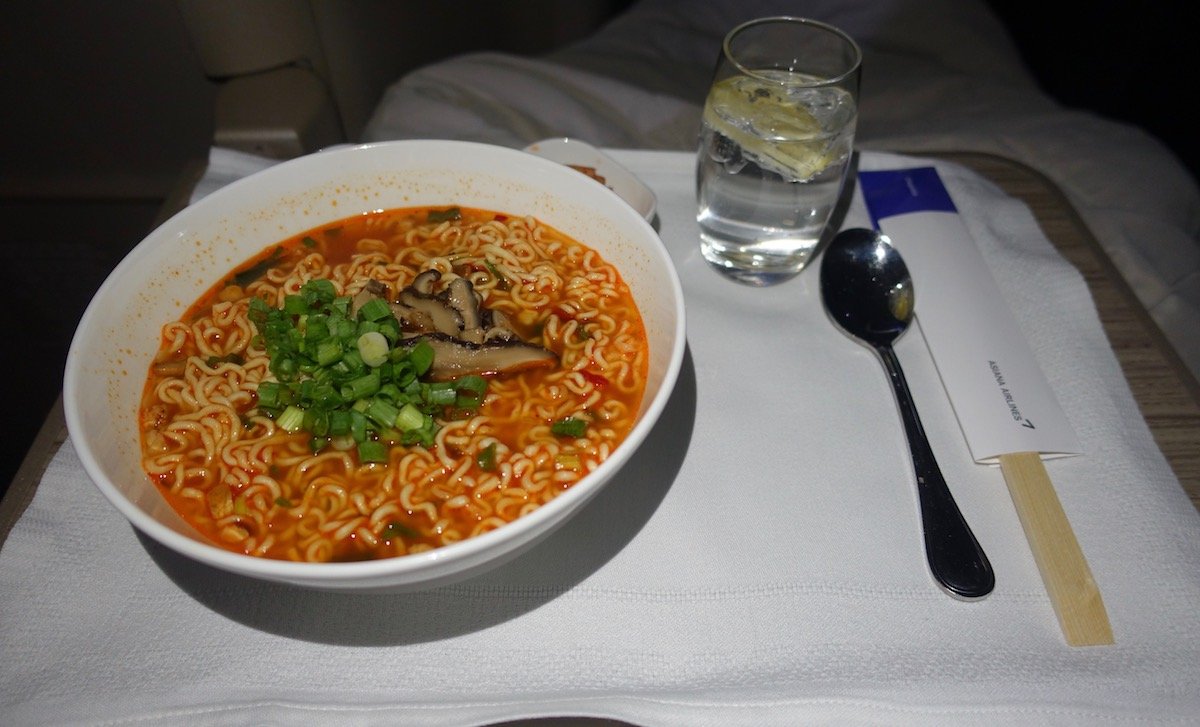
The timeline of the filming was later clarified by Yuno in response to accusations that he had harassed the crew for the entire duration of the trip. He stated that the filming was concentrated into three distinct sessions, totaling roughly two hours and ten minutes of active eating and recording. These sessions occurred during scheduled meal times and shortly after he woke from sleep. However, the sheer volume of the requests—ranging from full meals to snacks and ramen—meant that the cabin crew was required to prepare, plate, and serve items far more frequently than the average premium passenger.
The video initially gained traction among his fanbase, but the tone of the comments quickly shifted as the content reached a broader audience. Viewers pointed out that the frequent requests likely forced the flight attendants to prioritize one passenger’s "content" over the general service needs of the rest of the cabin. By the time the video was deleted, it had become a lightning rod for discussions on "Gapjil"—a Korean term referring to the abuse of power or arrogance by those in positions of perceived superiority, such as a customer over a service worker.
The Cultural Phenomenon of Mukbang and Content Pressure
To understand the context of this event, one must look at the evolution of the mukbang genre. Originating in South Korea in the late 2000s, mukbang (a portmanteau of the Korean words for "eating" and "broadcast") has grown into a multi-billion-dollar global industry. Top creators can earn significant revenue through sponsorships, ad views, and fan donations. However, the market has become increasingly saturated, leading creators to seek out more "extreme" or "unique" scenarios to maintain their viewership.
Transitioning from home-based eating videos to "luxury mukbangs"—such as eating in five-star hotels or first-class cabins—has become a popular sub-genre. These videos often serve as "aspirational content," allowing viewers to vicariously experience high-end services. In Yuno’s case, the attempt to combine the novelty of a 15-hour flight with the traditional "massive quantity" appeal of mukbang resulted in a logistical burden that many viewed as a step too far.
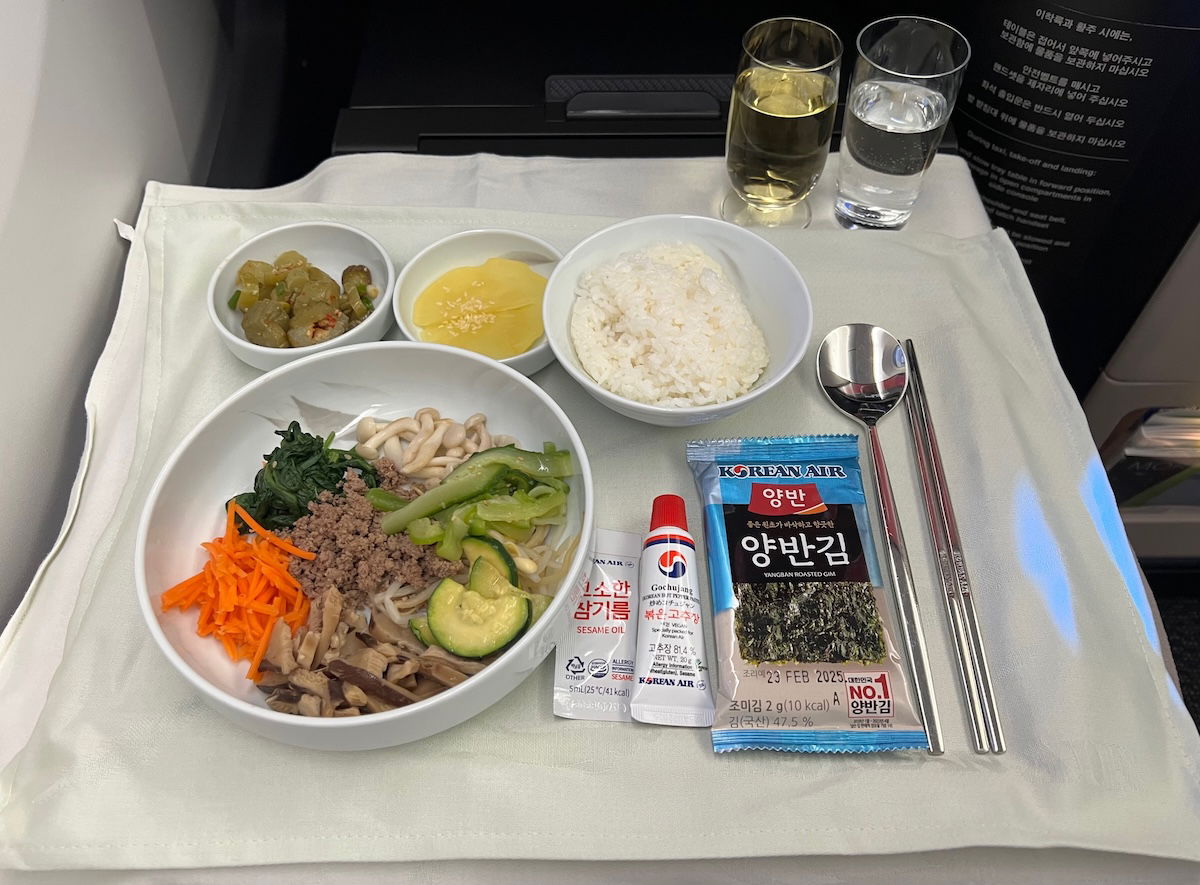
The pressure to produce "viral" content often leads influencers to overlook the practical implications of their actions. In a controlled studio environment, consuming 20 servings of food affects only the creator. In a pressurized aircraft cabin at 35,000 feet, where a limited number of crew members must manage the safety and comfort of hundreds of passengers, such a stunt takes on a different ethical dimension.
Public Backlash and the Ethics of Service
The primary criticism leveled against Yuno focused on the "burden of service." Aviation experts and frequent travelers noted that while premium cabins offer "unlimited" or "on-demand" dining, these terms are governed by unwritten rules of social decorum and the physical realities of airline catering.
Airline cabin crews on long-haul flights operate on strict rest rotations. On a 15-hour flight, the crew is divided so that some members can sleep while others remain on duty. By ordering food 20 times, Yuno effectively ensured that the galley remained active and that the flight attendants on duty were constantly occupied with his specific needs. Furthermore, the preparation of certain items, such as in-flight ramen or multi-course meals, involves significant cleanup and organization in a very cramped space.
Social media reactions highlighted a growing fatigue with influencer behavior. Many commenters expressed sympathy for the Asiana flight attendants, who, according to Yuno’s own account, remained professional and "smiling" throughout the ordeal. This professional "emotional labor" is a hallmark of high-end Asian carriers, but critics argued that it should not be exploited for the sake of a YouTube "stunt."
The Formal Apology and Statement Analysis
In the wake of the mounting criticism, Yuno took the rare step of deleting the video entirely and issuing a comprehensive written apology. His statement reflected a realization of his "lapse in judgment" and provided insight into the mindset of a creator focused solely on metrics.
"I was only focused on the idea of making new content," Yuno admitted in his statement. He explained that he had mistakenly believed that by asking for the crew’s "understanding" upon boarding, he had secured a green light for his actions. This highlights a common friction point in the service industry: a customer asking for permission for an unreasonable request, and a professional service worker feeling unable to say "no" due to corporate policy or cultural norms of hospitality.
Yuno’s apology further noted, "I did not think enough about how asking for so many in-flight meals could burden the flight attendants and inconvenience the other passengers in the same space." He expressed gratitude toward the crew for their unwavering kindness, admitting that he had "leaned too much on their kindness" and rationalized his behavior because it was his first time in a Business Suite seat.
While some critics remained skeptical, others noted that the apology was uncommonly sincere compared to the "doubling down" often seen among Western influencers facing similar controversies. The cultural emphasis on "Chemyeon" (saving face) and social harmony in South Korea likely played a role in the swiftness and tone of his retreat.
Impact on Airline Policy and the Creator Economy
The incident has raised questions about whether airlines should implement stricter "Fair Use" policies for their on-demand dining services. While carriers like Asiana, Emirates, and Qatar Airways pride themselves on high-touch service, the rise of "cabin-review" influencers presents a unique challenge.
From a data perspective, airline catering is meticulously planned. On a 15-hour flight, airlines typically load enough food for the scheduled meal services plus a percentage of extra snacks and "on-request" items. A single passenger consuming 20 portions could theoretically exhaust the supply of certain items, leaving other passengers without choices later in the flight. This logistical strain is rarely discussed in the glossy "First Class Review" videos that populate YouTube.
Moreover, there is the issue of "ambient disturbance." Filming in a cabin involves lighting, cameras, and the sound of constant interaction with the crew. In a premium cabin where passengers pay thousands of dollars for sleep and tranquility, the presence of a mukbang production can be seen as a significant infringement on the "space" of others.
Conclusion: A Turning Point for Influencer Etiquette
The case of Yuno and the 20-meal flight serves as a significant marker in the ongoing evolution of social media ethics. It underscores the reality that "on-demand" does not mean "without consequence." As the digital economy continues to drive creators toward more extravagant displays, the pushback from the public suggests a growing demand for "conscious content creation."
For the airline industry, this event may lead to more nuanced guidelines regarding filming on board. For content creators, it serves as a cautionary tale: the pursuit of views cannot exist in a vacuum, especially when that vacuum is a shared cabin 35,000 feet in the air. Yuno’s decision to pull the video and apologize may have saved his career from a more permanent "cancellation," but it has also sparked a much-needed conversation about where the "customer is always right" philosophy ends and human decency begins.
As of the latest reports, Asiana Airlines has not issued a formal statement regarding the specific incident, likely choosing to maintain their standard of passenger privacy. However, the discourse remains active among the traveling public, serving as a reminder that in the age of the influencer, the most valuable commodity is not a viral video, but rather a basic respect for the labor and environment of others.