The landscape of professional and personal development has shifted dramatically over the past decade, moving away from traditional institutional frameworks toward flexible, digital-first learning ecosystems. Online education platforms have capitalized on this demand by democratizing access to high-caliber instruction. Among these platforms, MasterClass has established a prominent position by offering video-based curricula taught by globally recognized leaders, artists, and innovators. In a move to capture audiences looking to acquire new skills or pivot careers amid shifting economic and educational calendars, the platform has rolled out a tiered pricing structure that brings the cost of a comprehensive subscription down to as low as $3.33 per month when shared among users.
This pricing strategy arrives at a time when consumers are increasingly selective about discretionary spending, forcing subscription-based services to demonstrate clear value. By structuring memberships across Standard, Plus, and Premium tiers—with the top-tier plan accommodating up to six simultaneous users—MasterClass is attempting to position continuous education as an accessible, communal household utility rather than an isolated luxury expense.
Understanding MasterClass: Evolution and Operating Model
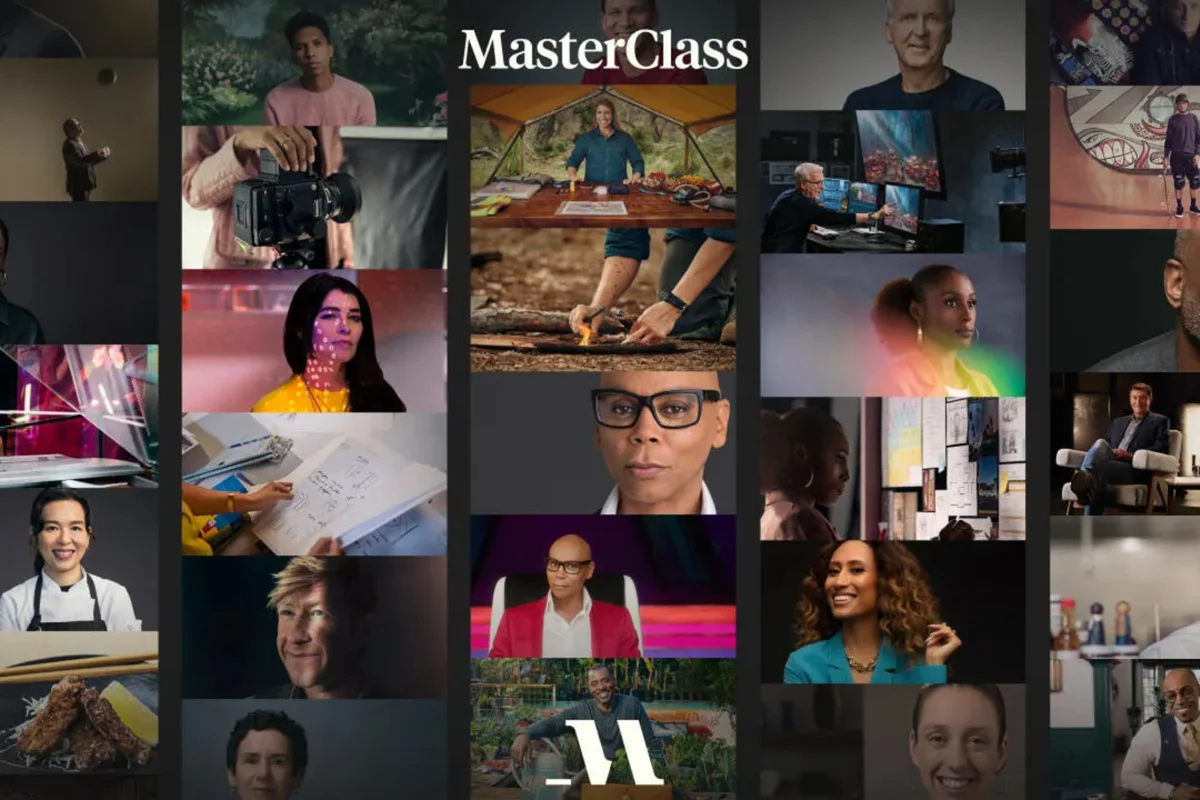
Founded in 2015 by David Rogier and Aaron Rasmussen, MasterClass was conceived with a singular premise: to make the knowledge of world-class practitioners accessible to anyone with an internet connection. Rather than employing traditional academic faculty, the platform recruits cultural icons, industry titans, and award-winning authorities to design and present bite-sized video modules. Over the years, the platform’s catalog has expanded significantly, now encompassing more than 200 distinct courses spanning diverse disciplines, including business strategy, culinary arts, creative writing, science, music, and design.
The operational architecture of MasterClass relies on cinematic production values and structured learning materials. Courses are broken down into short, easily digestible video segments that can be consumed across a wide array of devices, including smartphones, tablets, laptops, and living room streaming hardware. This design caters directly to modern professionals and lifelong learners who must integrate education into busy schedules. Furthermore, each course is typically supplemented by downloadable workbooks, interactive assignments, and community forums designed to foster peer-to-peer engagement and practical application.
In response to learners seeking more structured, outcome-oriented education, MasterClass later introduced "Sessions." Unlike traditional self-paced courses, Sessions follow a fixed timeline, require active collaboration, and encourage participants to complete hands-on projects with structured peer feedback. Previous Sessions have covered niche, high-demand skills such as video production, high-stakes negotiation, and commercial photography.
Pricing Tiers and Cost Breakdown
The current pricing structure of MasterClass is segmented into three distinct categories tailored to different usage patterns and household sizes:

- Standard Plan: Priced at $10 per month, this tier permits access for a single user at any given time. It is marketed toward individual learners who do not plan to share their login credentials or require multi-device simultaneous streaming.
- Plus Plan: Priced at $15 per month, this tier expands access to two concurrent users, making it suitable for couples or small households.
- Premium Plan: Priced at $20 per month, this tier supports up to six concurrent users.
When utilized to its maximum capacity by a household or group of six peers sharing a single Premium subscription, the monthly cost per user drops to approximately $3.33. This competitive pricing model places MasterClass on par with basic utility streaming services, significantly lowering the financial barrier to entry for professional-grade instruction.
Standout Curriculum and Notable Instructors
The appeal of MasterClass rests heavily on the pedigree of its instructors. The platform’s roster reads like a compendium of contemporary cultural and industrial leadership. Notable offerings in the current catalog include strategic business insights with high-profile entrepreneur and media personality Kim Kardashian, behavioral psychology and the neurology of habits with Dr. Anne Lembke, residential interior design with Joanna Gaines, and foundational creative writing methodologies with acclaimed author Margaret Atwood.
Among the platform’s most prominent offerings is a comprehensive 12-part curriculum led by legendary Beatles drummer Ringo Starr, titled "Drumming & Creative Collaboration." The course delves into drum kit fundamentals, rhythm arrangement, and the historical dynamics of working within one of the most influential bands in modern music history. Industry analysts note that securing instruction from figures of this caliber typically commands hundreds of dollars per hour in private settings, underscoring the disruptive value proposition of the platform’s digital model.
Market Implications and the Rise of On-Demand Lifelong Learning
The broader adoption of platforms like MasterClass reflects a fundamental shift in how society views skill acquisition. Traditional higher education continues to face scrutiny regarding tuition inflation and return on investment, creating a void that micro-learning platforms are eager to fill. By breaking complex disciplines down into cinematic, approachable modules, companies in the edtech sector are capturing a demographic of adult learners who prioritize practical, real-world utility over formal academic credentials.
Educational economists point out that the subscription model encourages continuous, lifelong learning rather than episodic, milestone-based education. However, critics argue that self-paced video platforms lack the rigorous accreditation and standardized testing of traditional universities, making them more suitable for personal enrichment and supplemental professional development rather than formal career entry.
Despite these limitations, the demand for flexible, expert-led instruction remains robust. As remote work and digital nomadism normalize continuous self-improvement, platforms that successfully bridge the gap between entertainment and education are likely to capture an increasing share of the consumer wallet.
For consumers evaluating the current promotional offerings, industry observers suggest assessing household needs and potential sharing arrangements to maximize the financial efficiency of the subscription tiers. With courses ranging from foundational business strategy to niche artistic endeavors, the platform continues to test the boundaries of what digital education can achieve in a crowded and competitive media marketplace.