
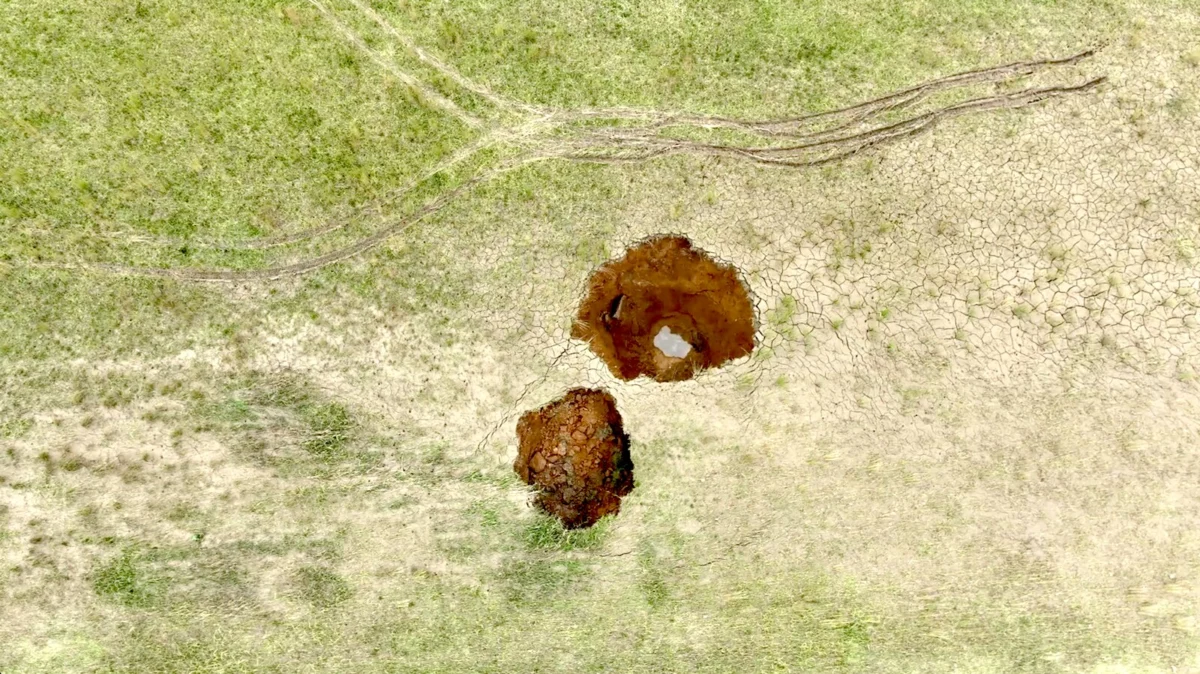
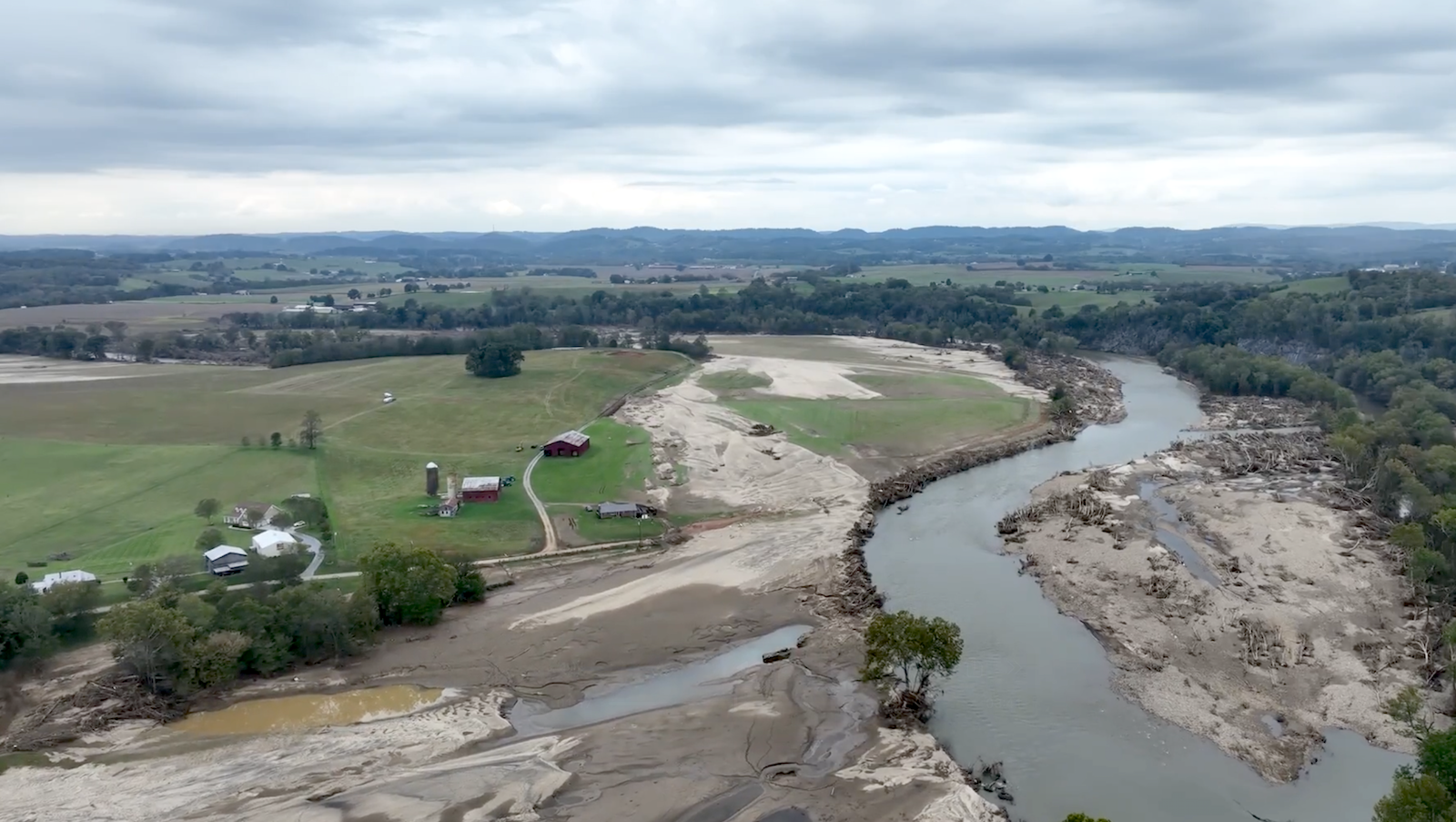
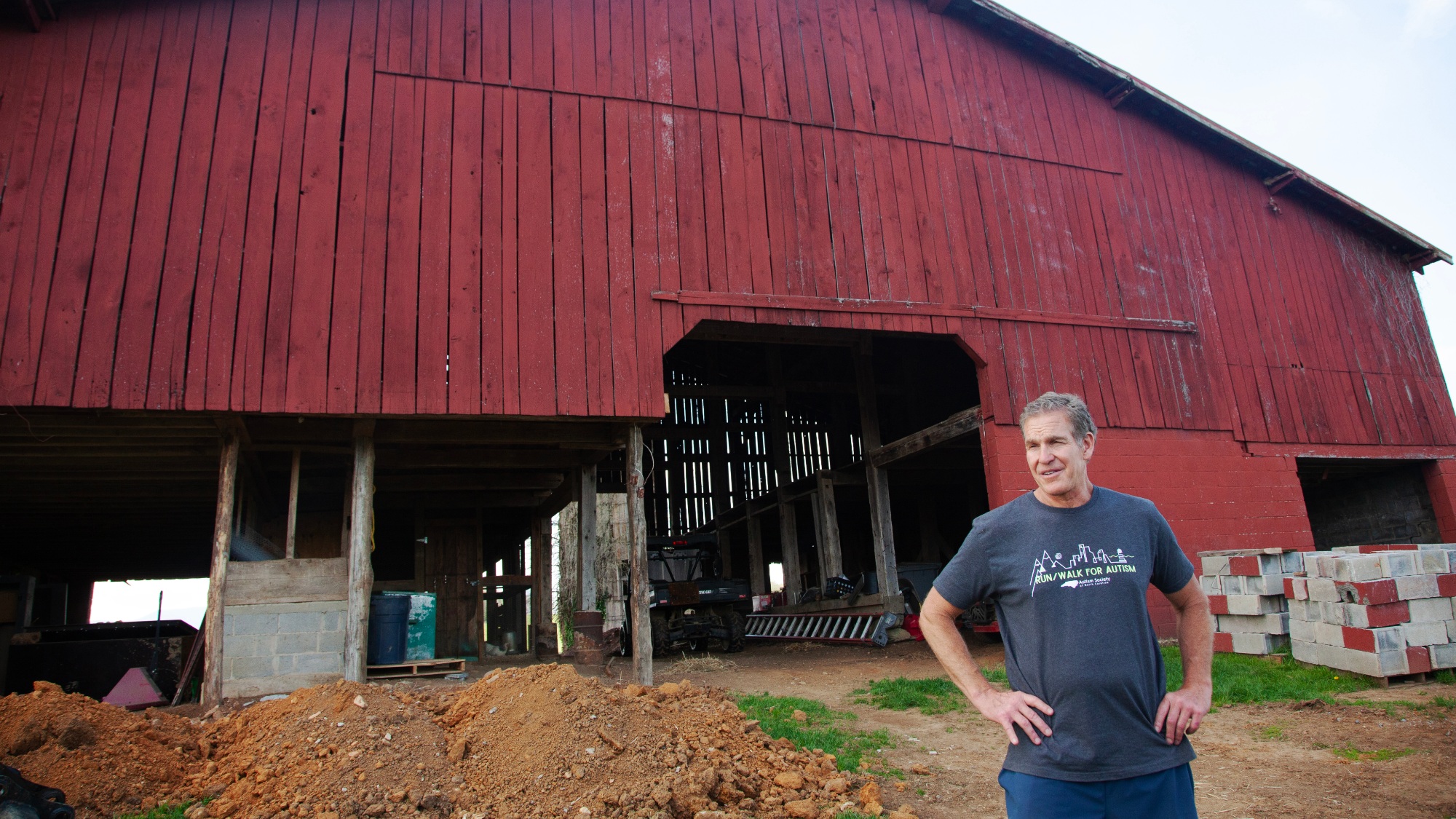
The cattle and hay farm owned by Will Runion, a 736-acre expanse nestled within a horseshoe bend of the Nolichucky River in northeast Tennessee, was once the epitome of Appalachian fertility. On the morning of Friday, September 27, 2024, the rhythm of the farm was dictated by two major ambitions: the completion of the season’s final hay harvest and the construction of a riverfront campground designed to stabilize the family’s income through agritourism. However, as Hurricane Helene arced upward from the Gulf Coast, it funneled a catastrophic volume of moisture into the narrow valleys of the Appalachian Mountains. By 11:00 a.m., the Nolichucky River had abandoned its banks, transforming from a placid waterway into a brown, surging torrent that would eventually swell to 1,200 feet wide—nearly ten times its habitual size.
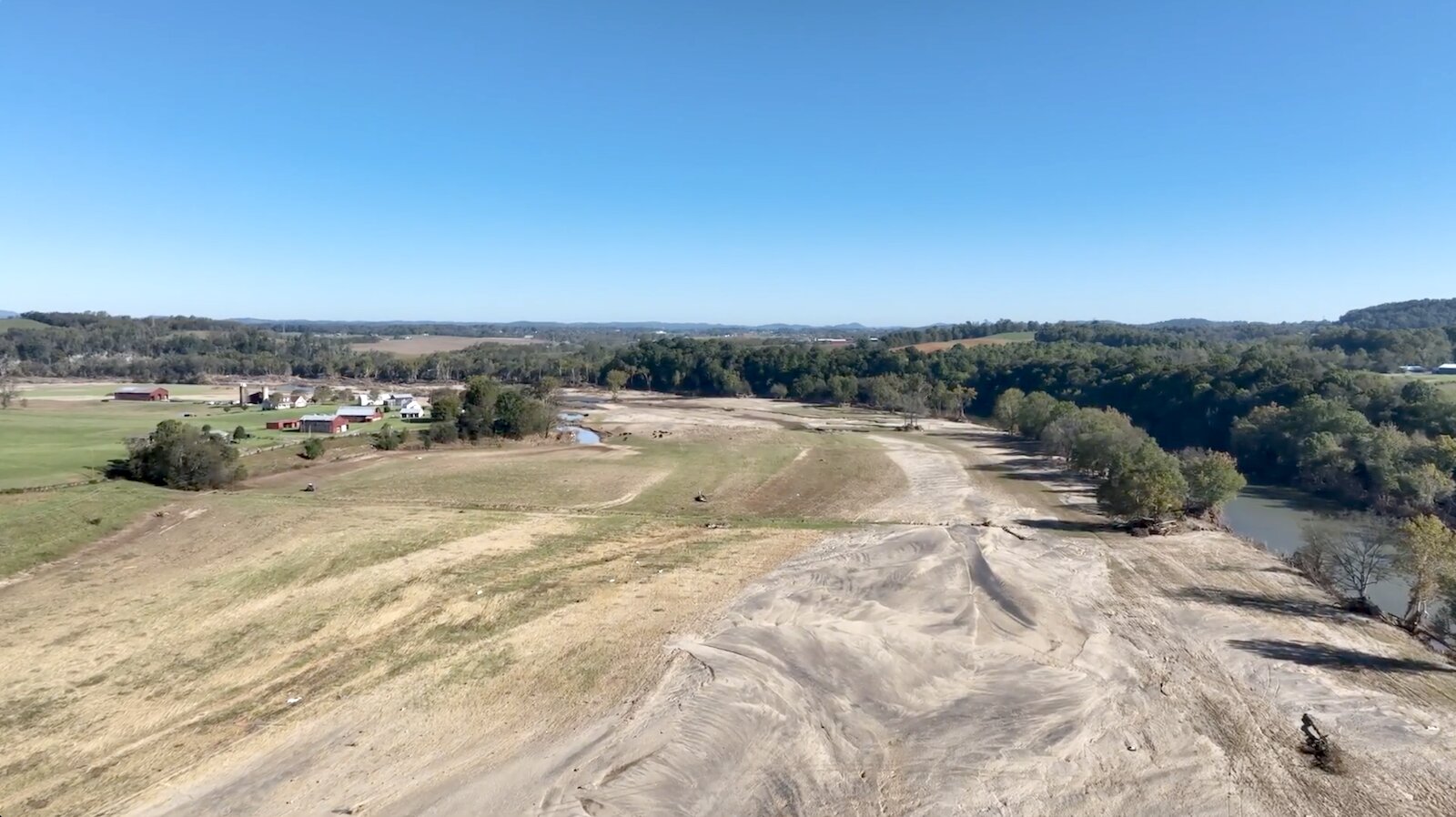
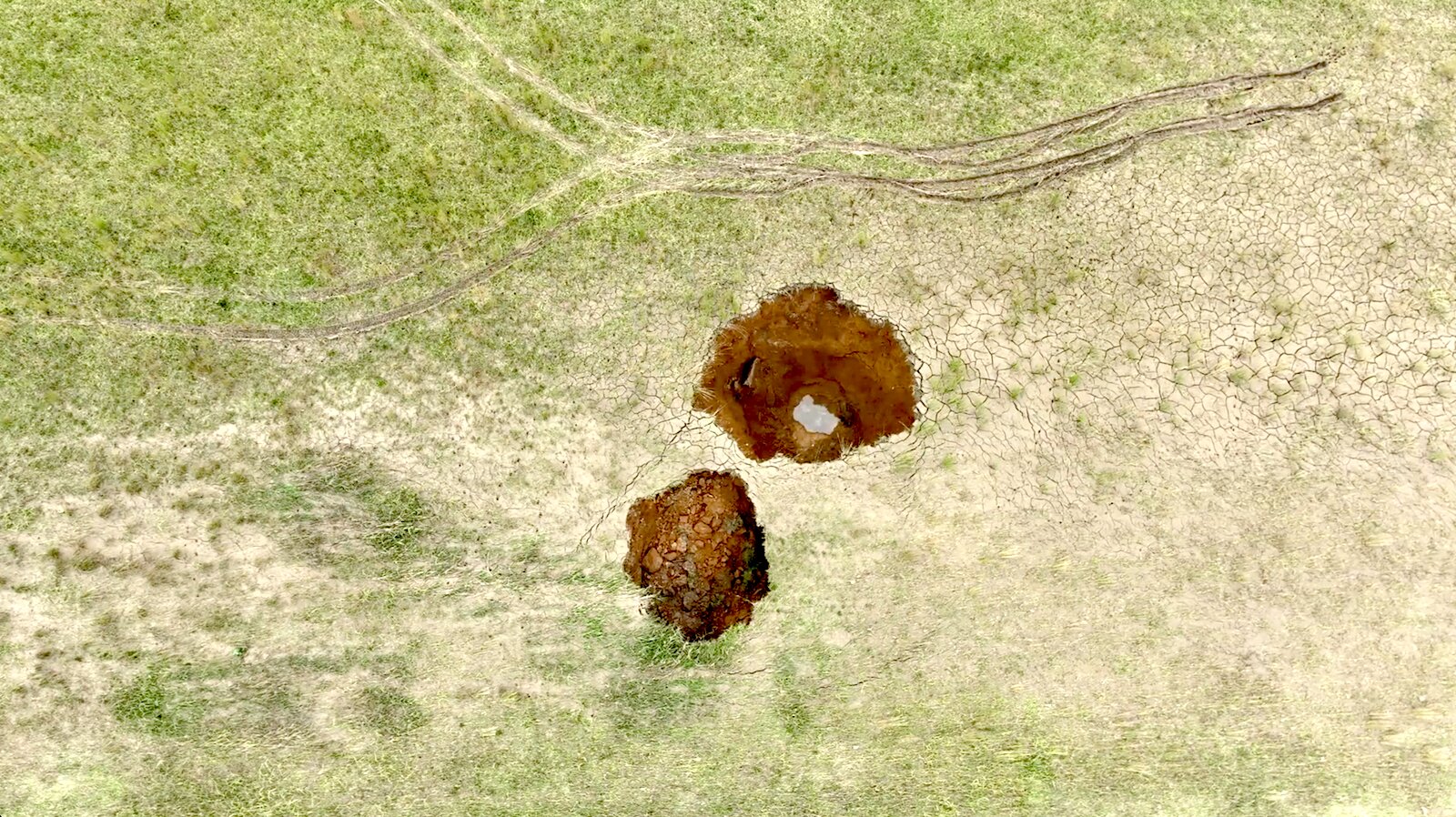
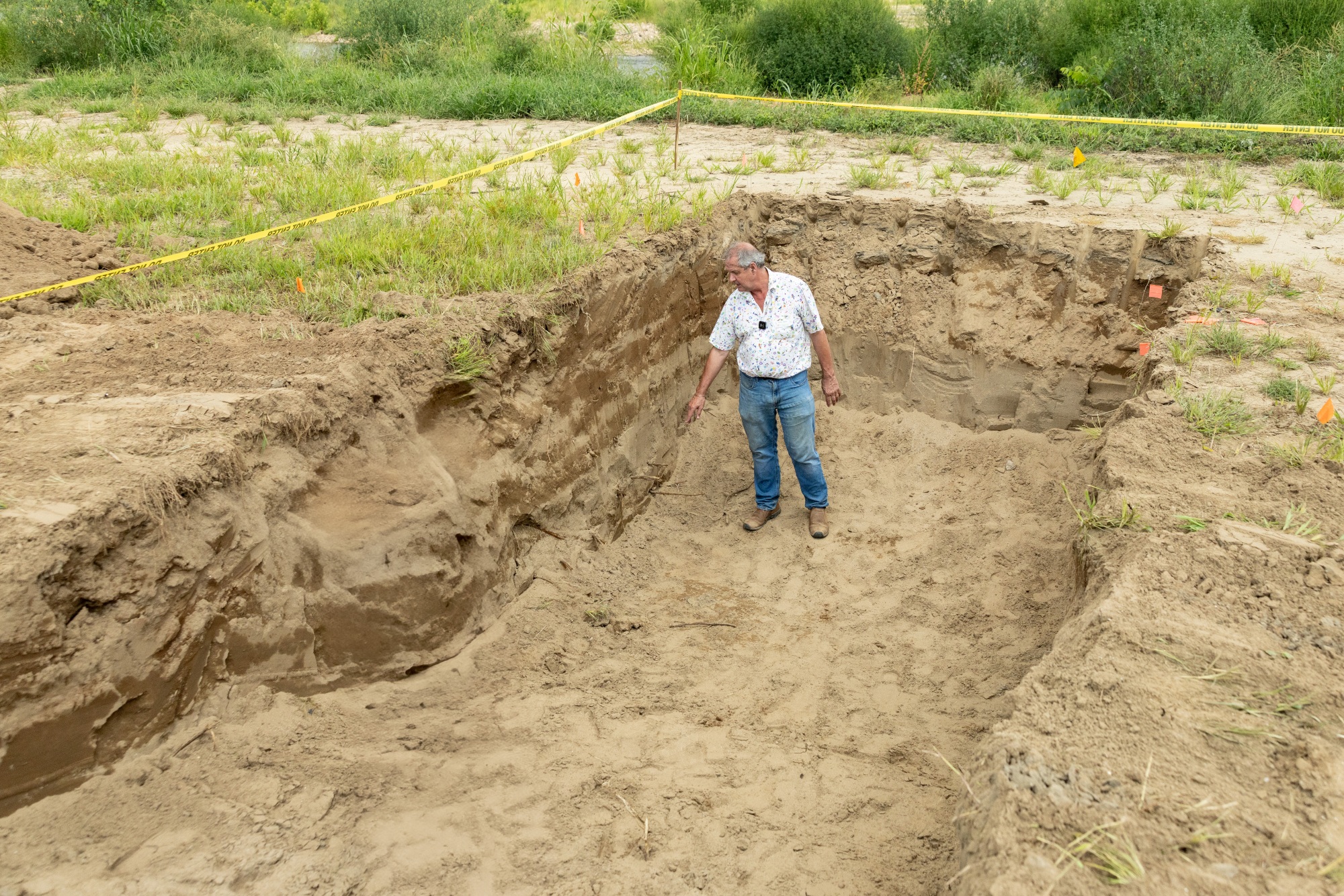
The immediate aftermath revealed a landscape that had been fundamentally altered. When the water finally receded at 8:00 p.m. that evening, Runion discovered that a third of his fields were buried under a graveyard of debris, dead fish, and thousands of stray tomatoes washed down from upstream commercial growers. More distressing than the physical debris were the geological scars: the flood had gouged out two holes the size of football fields, reaching depths of 12 feet, while other sections of prime hay pasture were buried under eight feet of sterile sand and silt. This scenario has become a hauntingly common reality for thousands of producers across the Southeast, sparking a desperate race to understand how to restore the very foundation of agriculture: the soil.
The Biological Bankruptcy of Flood-Damaged Land
To understand the gravity of the crisis facing Appalachian farmers, one must first understand the temporal scale of soil formation. In natural conditions, it can take up to 1,000 years to generate just one inch of topsoil. This thin, uppermost layer is a complex biological engine, fueled by decomposed organic matter, minerals weathered from bedrock, and a microscopic metropolis of bacteria, fungi, and invertebrates. This ecosystem facilitates nutrient cycling and creates a porous structure that allows roots to breathe and water to penetrate.
When Hurricane Helene dumped up to 30 inches of rain across southern Appalachia, it triggered a dual-pronged assault on this resource. In many areas, the sheer velocity of the water acted as a hydraulic plane, stripping away centuries of accumulated topsoil and leaving behind nothing but barren river rock or bedrock. In other locations, the flood acted as a depositional force, dumping "infant" materials—coarse sand and heavy silt—on top of existing fields.
Stephanie Kulesza, a nutrient and soil scientist at North Carolina State University, notes that for many farmers, the biological clock has effectively been reset to zero. Sand, unlike healthy topsoil, lacks the organic "glue" required to hold moisture or retain fertilizers. Without intervention, these fields are biologically bankrupt, unable to support the crops that have sustained the region for generations.
A Multi-Billion Dollar Blow to the Appalachian Economy
The economic data emerging in the months following the storm paints a grim picture of the regional agricultural sector. In North Carolina alone, Hurricane Helene caused an estimated $4.9 billion in damage to the state’s agriculture. Tennessee followed with approximately $1.3 billion in losses. These figures account for destroyed machinery, drowned livestock, and flattened barns, but they struggle to quantify the long-term loss of land productivity.
Agriculture in Appalachia is characterized by small-scale, often family-run operations. Because of the region’s rugged topography, farmers are historically tethered to "bottomlands"—the flat, fertile strips of land adjacent to rivers. While these areas are the most productive, they are also the most vulnerable to the "100-year storms" that are becoming increasingly frequent.
For farmers like Runion, the loss of a single season’s hay crop is a manageable setback, but the degradation of the soil is an existential threat. In a standard year, hay sales account for a third of Runion’s income. Without the ability to grow high-quality fescue or wheat, the thin margins that define modern farming vanish entirely. According to the North Carolina Chamber of Commerce, only about 40 percent of the state’s 42,500 farms reported a positive net income in 2022; a disaster of Helene’s magnitude threatens to push the remainder into permanent insolvency.
Chronology of a Crisis: From Survival to Restoration
The recovery process for Appalachian farmers has followed a grueling timeline, marked by physical labor and scientific uncertainty:
- September 2024: Immediate survival and salvage operations. Farmers moved livestock to higher ground and attempted to secure heavy machinery as river levels reached historic crests.
- October 2024 – March 2025: The "Big Clean." This phase involved the removal of thousands of tons of woody debris and household trash. FEMA crews assisted in shredding downed trees, while farmers utilized bulldozers to move sand deposits in a desperate attempt to uncover buried topsoil.
- April 2025 – June 2025: The first assessment of loss. As the spring growing season arrived, farmers realized that cleared fields remained unproductive. Cover crops like rye were sown to prevent further erosion, though many failed to germinate in the nutrient-poor sand.
- November 2025: The commencement of formal scientific trials. Researchers from the University of Tennessee and North Carolina State University established test plots on damaged farms to evaluate various soil amendments.
- Present Day: Ongoing monitoring. Farmers are now entering a multi-year cycle of "trial and error," using a mix of organic matter and synthetic fertilizers to jumpstart biological activity.
The Science of Restoration: Trials in the Sand
Forbes Walker, an environmental soil specialist with the University of Tennessee Extension, is leading the charge to find a "recipe" for recovery. When Runion first reached out to Walker with drone footage of his devastated acreage, Walker’s initial reaction was one of professional uncertainty. The academic literature on restoring flood-scoured Appalachian soil is remarkably thin.
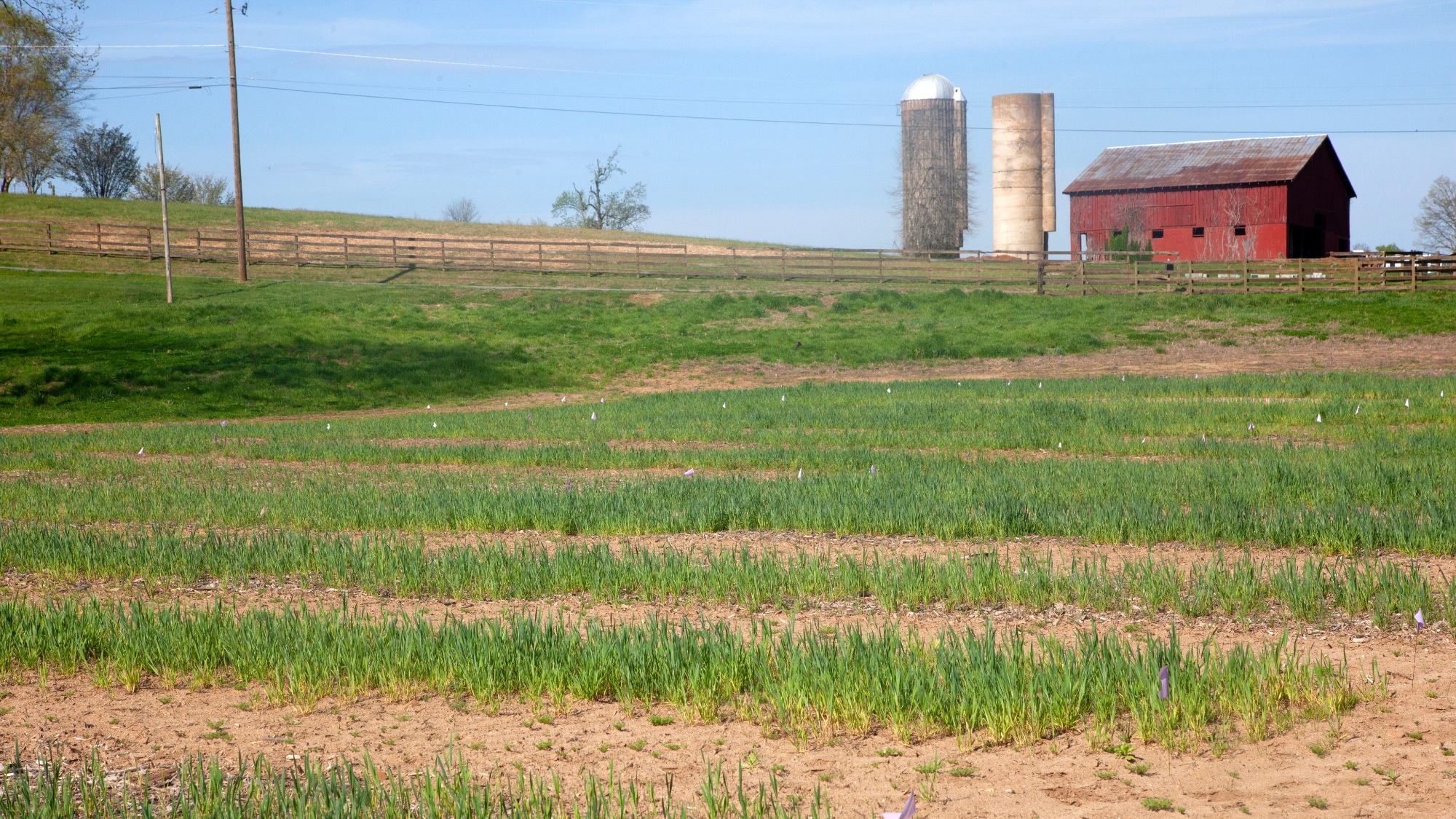
To bridge this knowledge gap, Walker and his team established over 300 test plots on Runion’s farm. The experiments focus on several key amendments:
- Biochar: A charcoal-like substance that can improve the soil’s ability to hold water and nutrients.
- Poultry Litter: A source of nitrogen and phosphorus that also introduces organic matter.
- Wood Chip Mulch: Utilizing the massive piles of debris left by the storm to create a protective matrix for new seeds.
- Triple 19 Fertilizer: A standard synthetic application (19% nitrogen, 19% phosphorus, 19% potassium) to provide an immediate chemical boost.
Early results from the spring of 2026 suggest that mulch-heavy plots are showing the most promise. While wood chips traditionally "rob" soil of nitrogen as they decompose, the aged mulch on Runion’s farm appears to be providing a stable environment for wheat and fescue to take root. However, Walker cautions that this is a "long-game" strategy. The goal is not just to grow a crop, but to rebuild the soil’s structure—a process that will likely take five years or more.
Weather Whiplash and the Climate Reality
The devastation of Hurricane Helene is not viewed by scientists as an isolated incident, but rather as a symptom of "weather whiplash." This phenomenon occurs when a region swings violently between climatic extremes—such as the prolonged droughts that preceded the 2025 floods in Texas, or the record-breaking rainfall that hit Appalachia after a dry summer.
Research supported by the U.S. National Science Foundation indicates that "100-year storms" are projected to become three times more likely over the next half-century. Furthermore, a warmer atmosphere holds approximately 7 percent more moisture for every degree Celsius of warming, leading to rainfall that is significantly heavier and more destructive. One study confirmed that the rainfall associated with Helene was 10 percent heavier due to man-made climate change.
This shift has created a "blind spot" in agricultural policy and science. Most existing flood research focuses on coastal salinity or the silty deposits of the Mississippi River delta. The high-velocity, scouring floods of mountainous regions require a different set of solutions, yet funding for such research remains precarious. The recent reduction in climate-related research funding at the federal level has left state universities and extension offices to shoulder the burden of developing localized resilience strategies.
Adapting for Survival: The Shift Toward Agritourism
For Will Runion and many of his neighbors, the path forward involves more than just fixing the dirt; it requires a fundamental shift in business strategy. The vulnerability of bottomland farming has accelerated interest in "income diversification."
Runion’s campground, originally a side project, has become his primary hope for financial stability. By moving the site 450 feet upland—well above the new flood markers—he is creating a revenue stream that is less dependent on the fickle health of his soil. Other farmers in North Carolina, such as Nicole DelCogliano, have leaned into intensive organic practices and direct-to-consumer marketing to maximize the value of the smaller acreage they are still able to farm. DelCogliano, who lost nearly a third of her vegetable fields to sand, managed a productive season by planting more densely and utilizing years of accumulated expertise in soil health.
Conclusion: The Road Ahead
The recovery of the Appalachian agricultural sector remains a work in progress, characterized by equal parts exhaustion and optimism. While the physical scars of Hurricane Helene—the gouged pastures and the piles of river rock—are still visible, the invisible work of restoration is happening beneath the surface.
As researchers like Forbes Walker and Emine Fidan continue to monitor their test plots, the data they gather will serve as a blueprint for the next generation of Appalachian farmers. The lessons learned on Will Runion’s 736 acres will likely define how the region responds to the next "100-year storm," which may arrive much sooner than its name suggests. For the farmers of the Nolichucky River valley, the dirt is no longer something to be taken for granted; it is a precious, fragile asset that must be painstakingly rebuilt, one inch at a time.










Leave a Reply