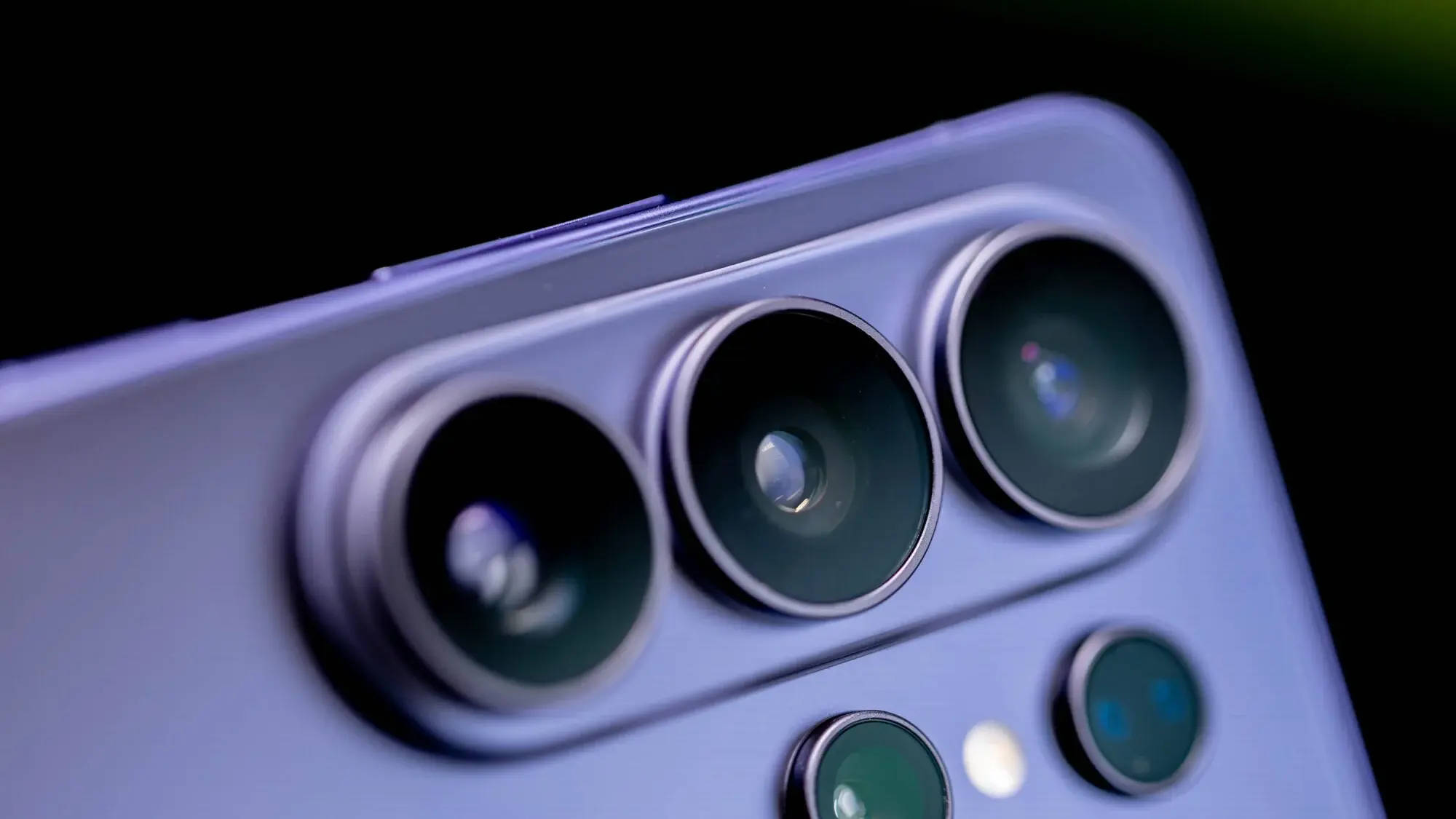
If you were waiting for the upcoming Samsung Galaxy S27 lineup to drop before upgrading your smartphone, recent industry reports suggest you might want to adjust your expectations, particularly if your primary motivation for switching devices is a significant leap in mobile photography capabilities. As the smartphone market matures, consumers have grown accustomed to iterative hardware updates, but a new leak from Samsung-focused news outlet SammyGuru indicates that the South Korean tech giant may be prioritizing internal optimization over radical camera sensor upgrades for the standard models in its next flagship series.
The Landscape of the Upcoming S27 Series
The smartphone industry has seen a cooling effect in hardware innovation over the past few years, with manufacturers focusing more on computational photography, artificial intelligence integration, and software-defined imaging rather than strictly increasing megapixel counts or sensor sizes. For the mainstream consumer, the Samsung Galaxy S27 and S27 Plus appear to be the embodiment of this trend.
Initial industry speculation, bolstered by earlier reports of a complete design overhaul for the S27 series, had led many analysts to believe that a major shift in the camera module architecture was imminent. However, the latest information suggests a more conservative approach. For those currently using a Galaxy S26, the S27 and S27 Plus may offer little incentive to upgrade from a strictly photographic perspective.
Analyzing the Technical Specifications
According to the reports, the standard S27 and the larger S27 Plus are expected to retain the same camera array found in their predecessors. The primary camera will likely continue to utilize a 50MP sensor—either the Sony IMX955 or the Samsung S5KGNG. While these sensors are highly capable and offer excellent dynamic range and low-light performance, they represent a status quo rather than a generational leap.
The auxiliary lenses are expected to follow the same pattern:
- Ultrawide Camera: A 12MP Sony IMX564 sensor, consistent with previous generations.
- Telephoto Lens: A 10MP 3x optical zoom lens, maintaining the same focal range and resolution.
- Front-Facing Camera: A 12MP selfie sensor, which has become the baseline for the series over the past several cycles.
From a hardware perspective, this stagnation suggests that Samsung is confident in its existing ISP (Image Signal Processor) capabilities and is perhaps shifting its R&D budget toward other areas of the device, such as battery efficiency, display technology, or the integration of on-device generative AI features, which have become a cornerstone of the "Galaxy AI" brand identity.
Hardware Upgrades for the Pro and Ultra Variants
While the entry-level models seem destined for a static camera setup, the higher-end variants—the Galaxy S27 Pro and the Galaxy S27 Ultra—are reportedly slated for more substantial improvements. This differentiation strategy allows Samsung to maintain a premium price gap between its standard flagship offerings and its "Pro" or "Ultra" tier devices.
The most notable change for the Ultra and Pro models is the transition to a new 200MP main sensor, identified in the reports as the Samsung S5KHP6. This represents a technical upgrade from the S5KHP2 sensor found in the S26 Ultra. A move to the HP6 sensor likely entails improvements in pixel-binning efficiency, faster autofocus tracking, and potentially better handling of high-contrast scenes.
Furthermore, both the S27 Pro and S27 Ultra are rumored to receive a boost to their front-facing camera systems, moving from the current 12MP standard to a 16MP resolution. While megapixel count is not the sole determinant of image quality, the increase could provide greater detail in selfies and higher fidelity for video conferencing, which remains a high-priority use case for business-focused users.

Regarding zoom capabilities, the S27 Pro is expected to retain a 3x optical telephoto lens, while the S27 Ultra will continue to leverage its 5x optical zoom hardware. These specifications reflect a matured camera system where Samsung is refining specific focal lengths rather than attempting to reinvent the optical zoom mechanism every year.
The Context of Smartphone Iteration
To understand why Samsung might be choosing this path, one must look at the broader context of the smartphone market. We are currently in a cycle where physical sensor size and optical glass have hit a point of diminishing returns for thin, portable devices. Most manufacturers are now limited by the physical depth of the camera bump; to put a significantly larger sensor into a phone would require a bulkier design that may not appeal to the mass market.
Furthermore, the "upgrade fatigue" affecting the industry is real. Many users are keeping their smartphones for three to four years rather than the traditional two-year cycle. By keeping the camera hardware consistent on the base models, Samsung may be signaling that they intend to market the S27 not as a "camera upgrade" device, but as an "experience upgrade" device, likely highlighting improvements in battery longevity, processor speed, and AI software capabilities.
Chronology and Expected Market Release
The Samsung Galaxy S27 lineup is currently projected to follow the traditional release cadence, with an announcement expected in January or February 2027. This timeline allows for a significant period of leaks and regulatory filings, which typically provide a more granular view of the devices as the launch date approaches.
Historically, the period leading up to a Samsung flagship launch is characterized by a "leaks cycle." We are currently in the early phase of this cycle. The information provided by SammyGuru and other sources should be treated as preliminary. Samsung often tests multiple prototypes during the development phase, and it is possible that some hardware configurations could shift as the company finalizes its supply chain orders for mass production.
Implications for the Consumer
What does this mean for the average consumer? If these leaks hold true, the decision-making process for potential buyers will be simplified. Those who prioritize mobile photography above all else will be pushed toward the S27 Pro or Ultra, while those who use their phones primarily for communication, media consumption, and light photography will find that the base S27 models remain perfectly capable workhorses without requiring a massive hardware overhaul.
This strategy also has implications for the secondary market. If the S27 and S27 Plus do not offer a significant camera jump over the S26, the S26 will likely retain a higher resale value, as it will remain competitive in terms of photographic output for a longer period.
Looking Ahead
As we move closer to the 2027 launch window, industry analysts will be watching for more than just sensor specifications. We will be looking for improvements in the computational photography stack—how the phone processes HDR, how it manages skin tones in various lighting conditions, and how it handles low-light noise reduction. Even with the same sensor hardware, improvements in the neural engine and software algorithms can lead to vastly different photographic results.
Samsung remains a leader in the global smartphone market, and its decisions regarding the S27 series will inevitably set the tone for the rest of the industry. While some users may be disappointed by the lack of a "wow" factor in the camera hardware of the base models, the move toward stability and optimization is a hallmark of a mature technology sector. We expect further leaks regarding the S27’s display technology, chipset performance (likely involving the next iteration of the Snapdragon or Exynos platforms), and battery chemistry in the coming months.
For now, the message to consumers is clear: if you are currently using a recent-generation Samsung flagship, the path forward is becoming increasingly defined by software intelligence rather than just the hardware in your pocket. As always, these reports remain subject to confirmation by Samsung in the coming year, and the final retail units may differ from current prototype leaks.