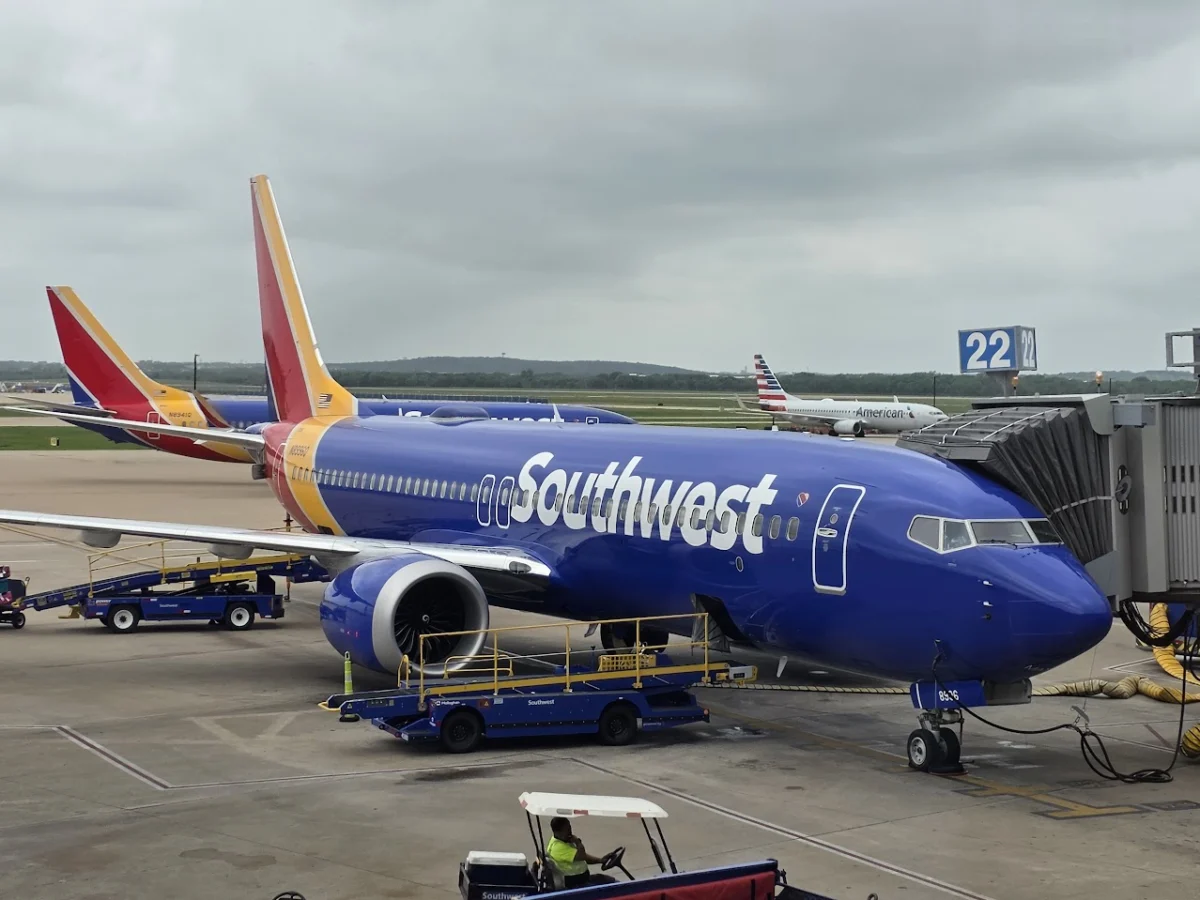
Southwest Airlines is poised to fundamentally alter its inventory management strategy by moving away from its long-standing tradition of releasing flight schedules in periodic, sporadic batches. According to recent industry reports, the carrier is preparing to adopt a rolling booking calendar that will allow customers to reserve flights up to 11 months in advance. This shift represents a significant evolution for the airline, aligning its operations more closely with global legacy carriers and facilitating more complex, multi-carrier travel itineraries.
For decades, Southwest’s "batch" release model functioned as a cornerstone of its operational philosophy. By waiting until just a few months before travel dates to finalize schedules, the airline maintained maximum flexibility to adjust routes based on shifting fuel costs, aircraft availability, and seasonal demand. However, in an era of hyper-competitive digital booking and growing international partnerships, this deliberate delay has increasingly become a commercial disadvantage.
A Departure from Historical Constraints
The traditional Southwest approach was rooted in a commitment to operational stability. By holding back schedules, the airline minimized the need to cancel or modify flights after customers had already purchased tickets. In a 2010 investor presentation, then-CEO Gary Kelly highlighted the logistical burden of the company’s legacy systems, noting that any flight cancellation required manual rebooking of every affected passenger.
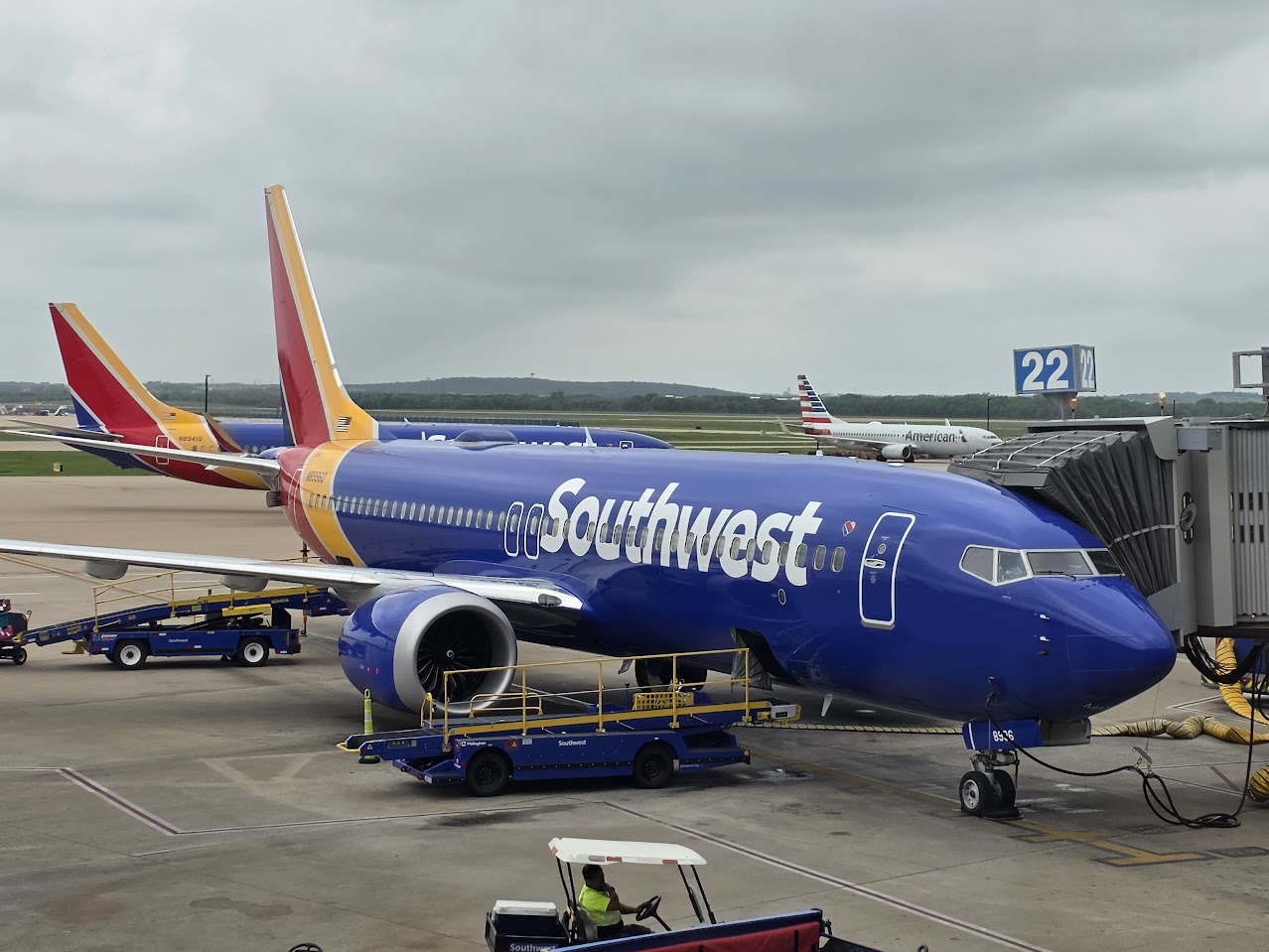
This limitation necessitated a conservative approach to schedule publication. However, the landscape changed significantly in May 2017, when Southwest completed its transition to the Amadeus Altéa passenger service system. This upgrade provided the airline with modern inventory management, automated rebooking capabilities, and a sophisticated architecture for managing interline connections. Despite the technological capacity to extend its selling window, Southwest remained committed to its batch-release cycle for years, likely fearing the customer service friction that comes with schedule revisions.
The Chronology of Schedule Expansion
The transition toward a longer-term planning horizon has been gradual. The following timeline outlines the key shifts in how Southwest manages its future capacity:
- Pre-2024: Southwest typically adhered to a 180-to-250-day window. This structure forced travelers and business groups to wait for the airline to "drop" new dates, often resulting in periods where no future flights were available for booking.
- April 26, 2024: In a major strategic pivot, Southwest announced it would extend its booking horizon beyond 300 days for the first time, opening flights through March 5, 2025. This move was explicitly framed as a response to the needs of vacationers, cruise passengers, and international partners.
- July 2025: SAP Concur terminated its legacy direct connection with Southwest, forcing the airline to integrate into modern distribution channels to ensure its flights remained visible to corporate travel managers.
- Present Day: Southwest is currently operating with a mix of expanded windows, but the internal shift toward a true rolling calendar—as suggested by industry analysts—would eliminate the "cliff" effect where customers are left waiting for the next announcement.
Strategic Drivers: The International and Digital Imperative
The primary driver behind this shift is the need for integration within the broader global aviation ecosystem. Southwest currently maintains interline agreements with 12 international carriers, including prominent names such as Singapore Airlines, Turkish Airlines, EVA Air, and French bee.
Under the old system, a customer booking a trip from Europe to a secondary U.S. city via an international partner often encountered a "blackout" period. If the international partner had released seats for a date 10 months out, but Southwest had not yet published its domestic schedule, the partner could not complete the itinerary. Consequently, the passenger would be routed onto a competitor’s flight. By extending the window, Southwest secures its position as a primary feeder for international arrivals, ensuring it captures the domestic leg of these long-haul journeys.
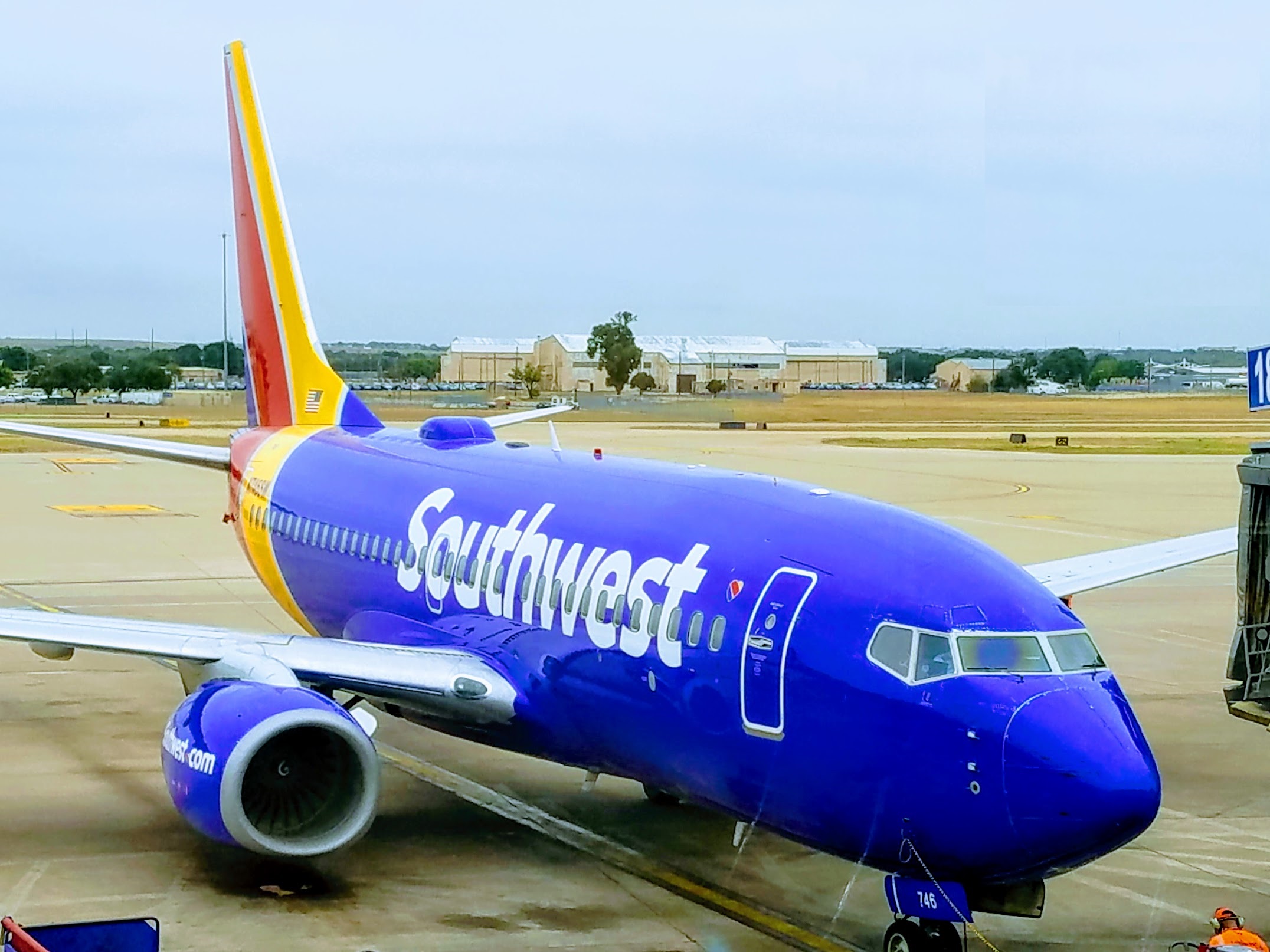
Furthermore, the airline’s recent digital strategy—exemplified by its increased presence on third-party aggregators and travel management platforms—demands a constant supply of inventory. If Southwest’s flights do not appear in a customer’s initial search, the sale is effectively lost to a competitor. A rolling calendar ensures that Southwest is always "in the market" regardless of when a customer decides to book.
Operational Risks and Consumer Implications
While the move to a rolling calendar is a win for convenience, it introduces new complexities for both the airline and the consumer. Extending the booking horizon to 11 months increases the likelihood of "schedule churn." Even with modern systems, airlines are prone to adjusting flight times or eliminating non-stop routes as they refine their network models.
For the traveler, this means that a flight booked nearly a year in advance may be subject to modifications. While assigned seating and automated rebooking technology mitigate the chaos of the past, travelers must still account for the reality that a long-term booking is essentially a commitment to a route, not necessarily a rigid time slot.
There are also financial nuances to consider. The airline industry rarely operates on a "first-come, first-served" price basis. In fact, opening a flight 11 months early does not guarantee the lowest fare. Airlines often hold back lower-tier inventory until they can gauge demand, meaning that early bookers may pay a premium for the privilege of securing their dates early.

Moreover, the terms of Southwest’s "Basic" fare structure remain a point of caution. Since flight credits for cancelled Basic fares typically expire six months from the original date of purchase, a consumer who books a flight 11 months out but cancels it two months before departure will likely forfeit the value of that ticket. Financial experts suggest that for speculative, long-term bookings, utilizing Rapid Rewards points is a safer strategy, as points are fully refundable back to the account without the restrictive expiration timelines associated with cash fare credits.
Future Outlook and Industry Analysis
The shift to a rolling window is more than an operational update; it is an acknowledgment that Southwest is no longer a purely domestic, point-to-point niche carrier. It is an airline that must function as a reliable partner in a global network.
As the industry moves toward more standardized, transparent, and long-range booking windows, Southwest’s ability to remain competitive will depend on its capacity to manage the inherent volatility of such long-term planning. While the airline has the technological infrastructure to support this change, the success of the initiative will ultimately rest on its ability to maintain the high level of customer trust that has defined its brand for decades, even as it operates in a more complex, long-lead environment.
By aligning its booking calendar with the broader travel industry, Southwest is closing a gap that has long hindered its growth in the corporate and international travel sectors. While the shift brings with it a need for consumer vigilance regarding fare types and cancellation policies, it effectively removes one of the final remaining barriers to the airline’s full integration into the global air travel market.