The landscape of science fiction journalism is undergoing a significant revival with the announcement that Starlog, once the preeminent authority on the genre, will return to newsstands on November 13, 2026. After a 17-year hiatus that began during the industry-wide consolidation of the late 2000s, the magazine is being resurrected as an annual print publication. Managed by Fangoria Holdings under the editorial guidance of io9 co-founder Annalee Newitz, the revival marks a milestone for a title that defined the "geek culture" aesthetic for over three decades.
A Half-Century of Science Fiction History
Founded in 1976, Starlog emerged during a pivotal era for speculative fiction. Its debut arrived just one year before the cultural phenomenon of Star Wars transformed science fiction from a niche subculture into a dominant pillar of global entertainment. The magazine’s original mission was to provide a serious, journalistic look at the craft of science fiction, moving beyond mere fan gossip to explore the mechanics of filmmaking, the intricacies of special effects, and the intellectual themes of the genre.
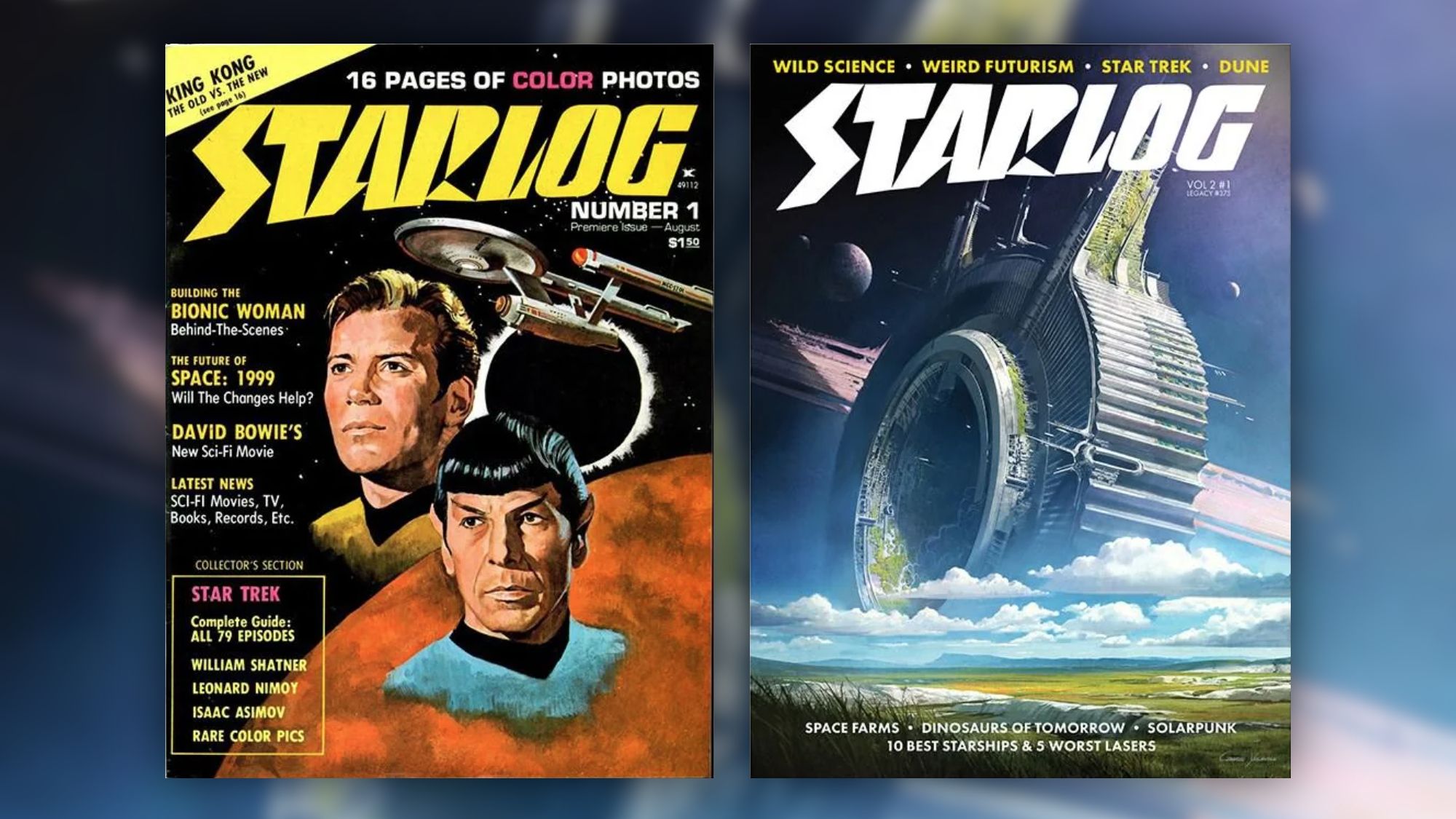
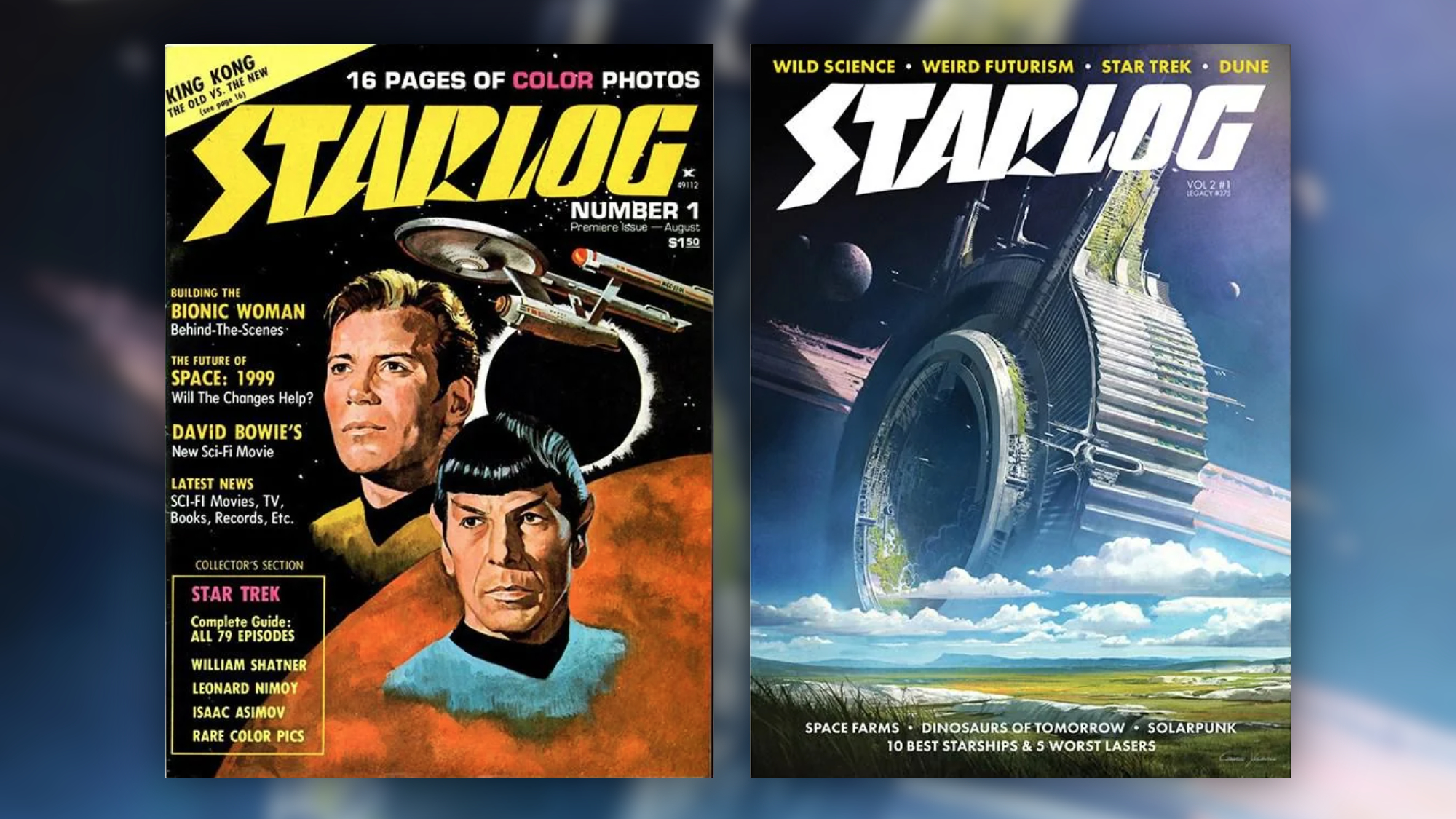
The inaugural issue featured a now-iconic cover by artist Jack Thurston, depicting William Shatner and Leonard Nimoy in their roles as Captain James T. Kirk and Mr. Spock. Set against the backdrop of the U.S.S. Enterprise navigating a black hole, the cover captured the adventurous spirit that would define the magazine’s tenure. Over the following 33 years, Starlog became a vital bridge between fans and creators, offering in-depth interviews with directors, writers, and actors, as well as essential behind-the-scenes reporting on franchises like Alien, Blade Runner, and the expanding Star Trek universe.
The Rise, Fall, and Evolution of Print Media
The decision to shutter Starlog in 2009 was emblematic of a broader crisis within the publishing industry. As the internet matured, the rapid delivery of news and digital databases began to erode the traditional monthly magazine model. Between 2008 and 2010, dozens of legacy publications folded under the pressure of declining subscription numbers and the shift of advertising revenue toward search engines and social media platforms.
However, the 2026 revival suggests a pivot toward a "collector-grade" model. By transitioning from a monthly format to an annual publication, Starlog is positioning itself as a curated, high-quality object rather than a ephemeral news cycle item. This strategy mirrors a wider trend in "analog nostalgia," where consumers are increasingly seeking tactile, high-production-value alternatives to the endless scroll of digital information. The resurgence of vinyl records, film cameras, and high-end art books indicates a consumer desire for permanence, a trend that the new Starlog hopes to capitalize on with its return as a collectible annual volume.
Editorial Vision and the Modern Era
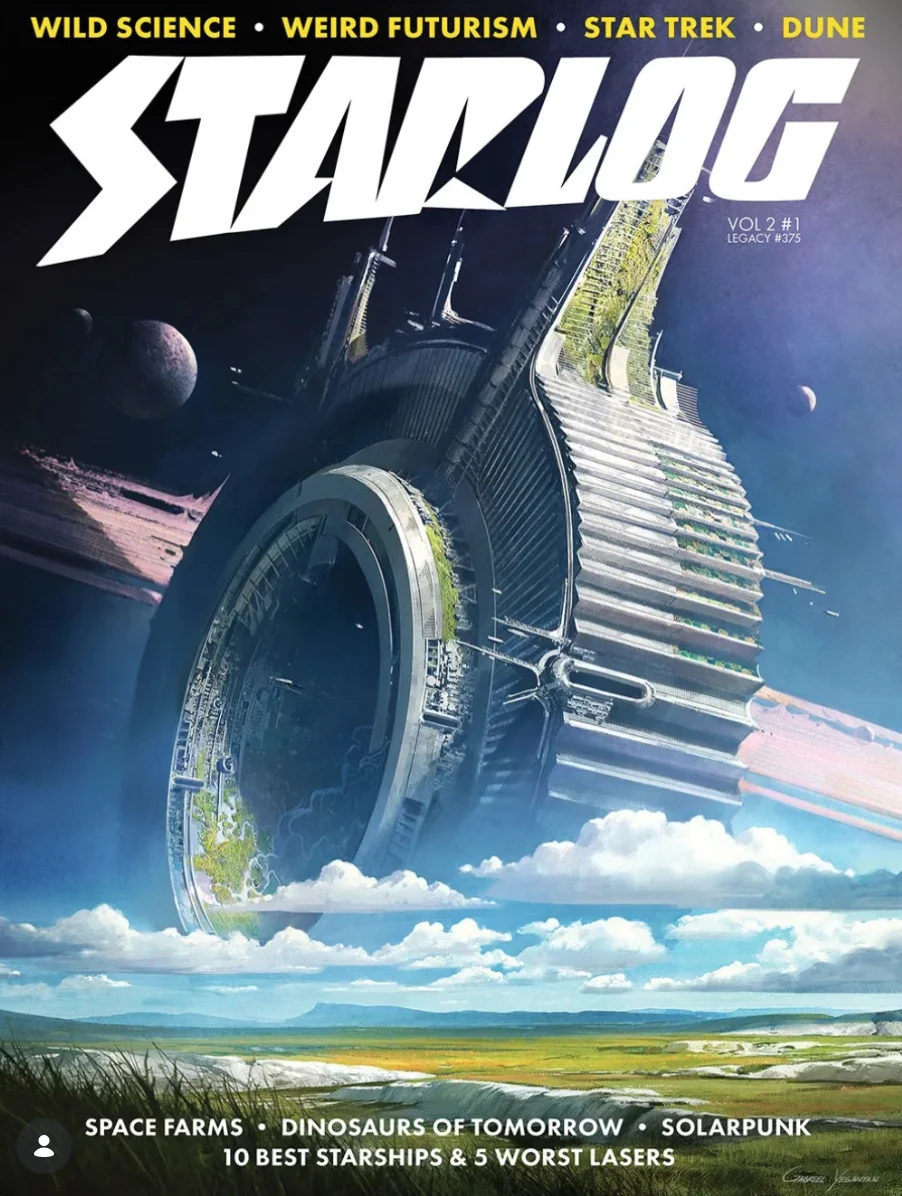
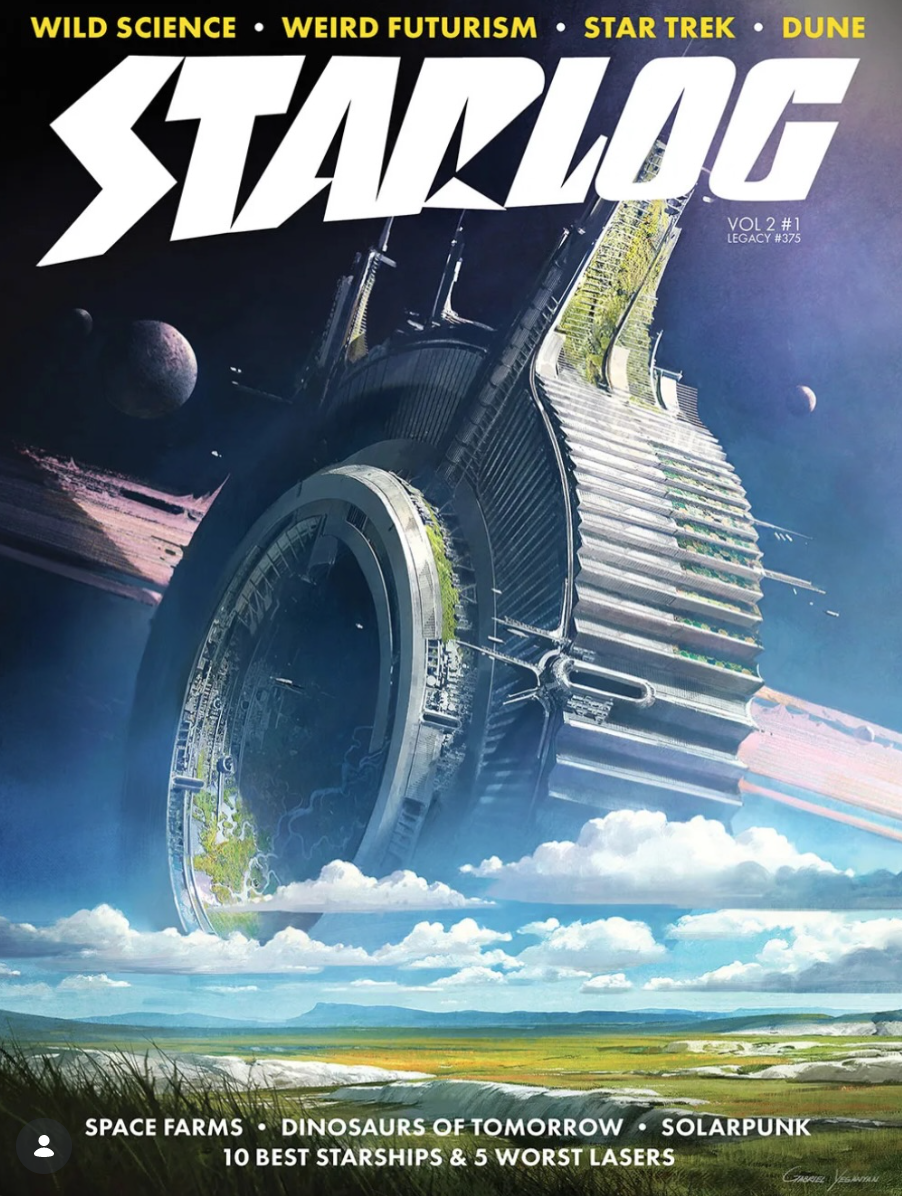
Under the stewardship of Annalee Newitz, the magazine intends to balance its legacy with contemporary perspectives. The upcoming Issue #375 will feature cover artwork by Armenian artist Gabriel Yeganyan, signaling a commitment to high-caliber, curated visuals that were a hallmark of the magazine’s peak years.
Tara Ansley, a representative of Fangoria Holdings, emphasized that the magazine’s return is not merely an exercise in nostalgia, but a response to the current state of the world. "During its original 33-year run, Starlog documented science fiction as it evolved across film, television, books, technology, and culture," Ansley noted. "Fifty years after the magazine first launched, the line between science fiction and the real world has become increasingly difficult to separate. That makes this an especially interesting time to bring Starlog back. Technology may change, but the most compelling questions have always been about people: how we live, what we create, and what kind of future we want to build."
The Significance of Issue #375
The numbering of the first revival issue as #375 is a symbolic choice that honors the magazine’s unbroken lineage. By continuing the numerical sequence, the publishers are signaling to long-time collectors that the current iteration is a legitimate successor to the original run. This continuity is expected to appeal to the aging demographic of original readers while providing a "legacy" entry point for younger fans of the genre who view the history of sci-fi with renewed academic and cultural interest.
The publication’s return comes at a time when the genre itself has become ubiquitous. In the 1970s and 80s, science fiction was often relegated to the fringes of mainstream media. Today, the largest box-office earners globally are almost exclusively genre-based. The challenge for Starlog in its new form will be to maintain its status as an "insider" publication in an era where the inner workings of film production are heavily publicized via social media, YouTube, and corporate-sponsored press events. To succeed, the publication will likely need to rely on the depth of its analysis and the prestige of its contributors to distinguish itself from the rapid, shallow coverage found online.
Broader Implications for Fan Journalism
The return of a legacy title like Starlog carries broader implications for the future of specialized journalism. If the annual print model proves sustainable, it could provide a roadmap for other shuttered publications to re-enter the market. The success of this venture will likely depend on the willingness of the core audience to transition from a monthly habit to an annual investment.
Economically, the model represents a low-risk entry into physical media. By bypassing the logistical nightmare of monthly distribution and high-frequency newsstand printing, Fangoria Holdings can focus on creating a single, high-quality issue that serves as both a magazine and a historical record of the year in science fiction.
Looking Ahead: The 50-Year Milestone
The 50th anniversary is more than just a marketing hook; it is a point of reflection for the entire science fiction community. The history of Starlog is, in many ways, the history of the modern blockbuster era. As the magazine prepares to return, it carries the weight of its archives—thousands of interviews and articles that documented the birth of the digital age, the evolution of visual effects, and the rise of the internet-connected fandom.
The pre-order launch for the 2026 edition has already generated significant interest across social media channels, suggesting that the brand recognition remains strong. As the industry moves further into a period where artificial intelligence, space travel, and biotechnological ethics dominate the public discourse, the return of a publication dedicated to exploring the intersection of these themes with entertainment feels timely.
Whether this revival will spark a broader trend of legacy media reboots remains to be seen. However, for those who spent their formative years pouring over the glossy pages of the 1970s and 80s, the arrival of Issue #375 on November 13 will be a moment of genuine cultural reconnection. It serves as a reminder that even in an age of rapid digital consumption, there is still a place for the careful, curated, and physical exploration of the stories that define our collective imagination.