
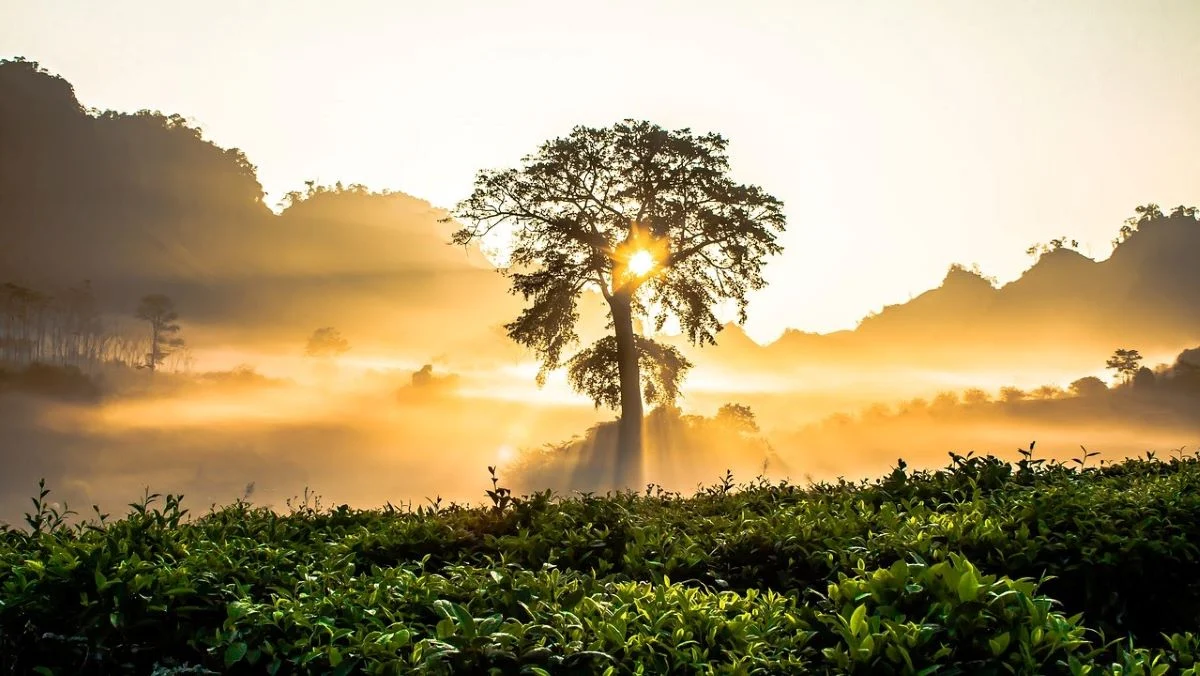
The arrival of Arbor Day on Friday, April 24, 2026, serves as a critical juncture for environmental policy and civic engagement across the United States. As the nation grapples with the accelerating effects of climate change, the Arbor Day Foundation has utilized this year’s observance to launch its most ambitious urban and community forestry initiative to date: the Million Trees Project. This campaign, designed to plant one million new trees while documenting the personal and cultural connections people share with nature, coincides with the 50th anniversary of the Tree City USA program, a cornerstone of American municipal environmentalism since the mid-1970s.
The dual milestone highlights a shift in how society views green infrastructure. No longer regarded merely as aesthetic enhancements for parks and boulevards, trees are increasingly recognized by scientists, urban planners, and economists as essential biological utilities. As clean air, potable water, and a stable climate become increasingly precarious in various regions of the world, the call for systematic reforestation has transitioned from a localized conservation effort to a matter of global survival.
A Legacy of Civic Commitment: 50 Years of Tree City USA
The Tree City USA program was inaugurated in 1976, a period defined by the nascent environmental movement following the first Earth Day in 1970. At its inception, the program included only 42 communities that met the foundational standards of urban forestry management. These standards required cities to establish a tree board or department, enact a municipal tree ordinance, spend at least $2 per capita on urban forestry, and observe Arbor Day with a formal proclamation and ceremony.
Five decades later, the program has expanded into a massive network of more than 3,500 cities and towns spanning all 50 states. This growth represents more than just a headcount of participating municipalities; it reflects a massive financial and structural commitment to the environment. In the most recent reporting cycle, these communities collectively invested more than $2 billion in the planting, maintenance, and protection of their urban canopies. This sustained investment has provided a blueprint for how local governments can mitigate the "urban heat island" effect, where paved surfaces and lack of vegetation cause cities to be significantly warmer than surrounding rural areas.
The 50th anniversary serves as a retrospective on how urban forestry has professionalized. Modern Tree Cities now utilize satellite imagery and AI-driven canopy assessments to determine where trees are most needed, often focusing on historically underserved neighborhoods where lack of shade correlates with higher energy costs and poorer health outcomes.
The Science of Sequestration and Purification
The Million Trees Project is grounded in the fundamental biological reality that trees are the most efficient carbon-capture technology currently available. According to data from the Intergovernmental Panel on Climate Change (IPCC) and various forestry research institutions, a single mature tree can absorb upwards of 48 pounds of carbon dioxide per year. Over the course of a century, one tree can sequester a ton of CO2, making large-scale planting initiatives a vital component of carbon-neutrality goals.
Beyond carbon sequestration, the role of trees in water management is increasingly critical as extreme weather events become more frequent. Forested areas and urban canopies act as natural sponges, absorbing rainwater and reducing the volume of runoff that enters storm sewers. This process not only prevents localized flooding but also filters pollutants—such as nitrogen, phosphorus, and heavy metals—before they reach aquifers and river systems. In many regions, the presence of healthy forests is the primary factor in ensuring the safety and affordability of the public water supply.
Atmospheric purification remains another primary driver for the Arbor Day Foundation’s initiatives. Trees act as "living lungs," removing particulate matter (PM2.5), nitrogen dioxide, and sulfur dioxide from the air. In dense urban environments, the reduction of these pollutants is directly linked to lower rates of asthma and cardiovascular disease among residents. The Million Trees Project aims to distribute these health benefits more equitably by targeting planting efforts in areas with the highest pollution indices.
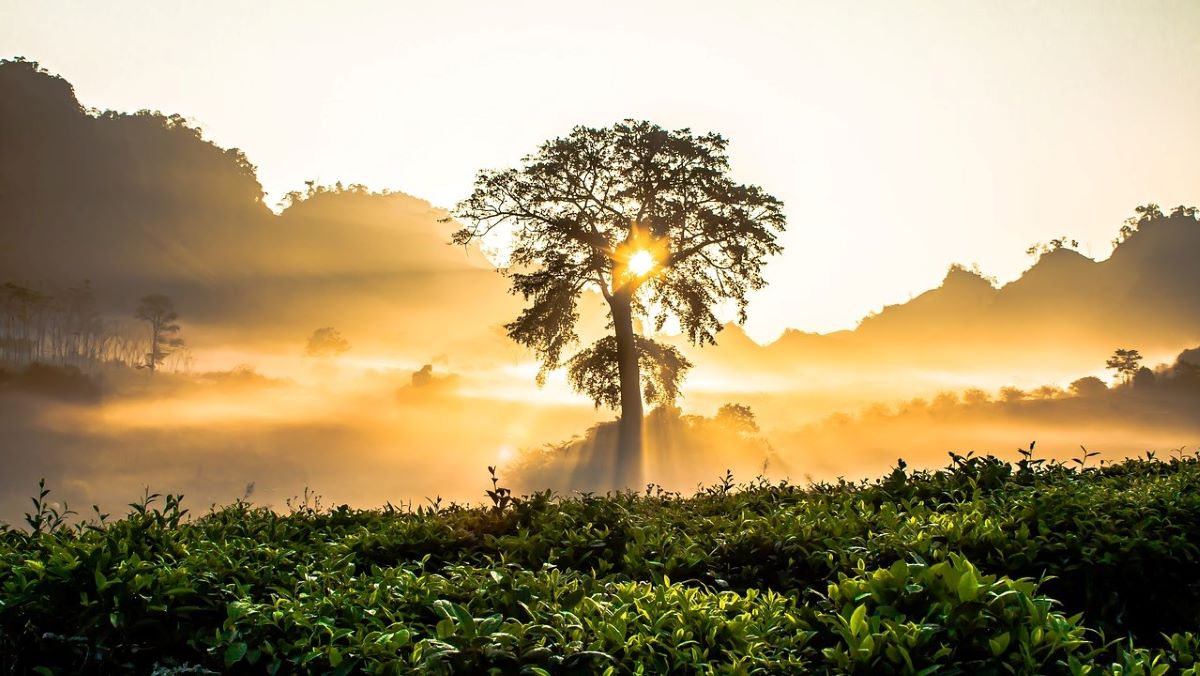
The Million Trees Project: A Three-Pronged Strategy
The Million Trees Project is not merely a numbers game; it is a multi-faceted campaign designed to foster long-term stewardship. The Arbor Day Foundation has outlined three primary avenues for public participation to ensure the goal of one million trees is met and exceeded:
- Direct Planting and Stewardship: Individuals are encouraged to plant trees on their own property, selecting species that are native to their specific hardiness zones to ensure maximum survival rates and biodiversity support.
- Community and Digital Storytelling: The project seeks to assemble the world’s largest collection of "tree stories." This component recognizes that environmental action is often driven by emotional and cultural connections. By documenting why people plant trees—whether in memory of a loved one, to celebrate a birth, or to restore a local landmark—the Foundation aims to build a global archive of ecological commitment.
- Virtual and Strategic Partnerships: Recognizing that not everyone has the physical space or the ability to plant a tree, the project allows for virtual participation. Through partnerships with global reforestation organizations, individuals can fund the planting of trees in critical ecosystems like the Amazon rainforest, the California Sierras, or the Mississippi River Valley.
Economic and Social Implications of Reforestation
The economic impact of the $2 billion annual investment by Tree City USA communities is substantial. Beyond the direct jobs created in arboriculture, landscaping, and nursery management, trees provide significant "ecosystem services" that have a measurable dollar value.
Property value analysis consistently shows that homes on tree-lined streets command higher prices than those in barren areas. Furthermore, the shade provided by a well-placed tree can reduce air conditioning costs by up to 30%, while acting as a windbreak in the winter can lower heating bills by a similar margin. On a municipal scale, the reduction in stormwater infrastructure costs and the mitigation of heat-related healthcare expenses provide a high return on investment for every dollar spent on tree planting.
Socially, the "Tree Equity" movement has gained momentum alongside the Million Trees Project. Researchers have noted a "canopy gap" in many American cities, where wealthier neighborhoods enjoy significantly more shade and green space than lower-income areas. The 2026 Arbor Day initiatives are specifically designed to address this disparity, treating the urban forest as a public health necessity rather than a luxury.
Global Context and Future Outlook
While the Arbor Day Foundation’s efforts are centered in the United States, they mirror a global trend toward massive reforestation. Programs such as the Bonn Challenge and the World Economic Forum’s "1t.org" initiative aim to restore one trillion trees globally by 2030. The Million Trees Project serves as a localized contribution to these international targets.
Experts warn, however, that planting is only the first step. The survival of these new forests depends on long-term maintenance and climate resilience. As global temperatures rise, foresters are now practicing "assisted migration," planting species that are traditionally found in slightly warmer climates to ensure the forests of 2026 can survive the conditions of 2076.
The 50th anniversary of Tree City USA and the launch of the Million Trees Project represent a transition from passive appreciation of nature to active restoration. In a political and social landscape that is often characterized by division, trees remain a rare point of consensus. They are viewed as a "simple solution" to complex problems, crossing the divides of technology, politics, and culture.
As the Arbor Day Foundation moves forward from this 2026 milestone, the focus remains on the "profound responsibility" of human intervention in the natural world. The organization’s leadership maintains that while the planet currently hangs in the balance, the collective action of planting—one tree, one community, and one million stories at a time—provides a tangible pathway toward a survivable and thriving future. The message of Arbor Day 2026 is clear: the trees planted today are not merely ornaments of the landscape, but the foundational infrastructure of the next century.








Leave a Reply