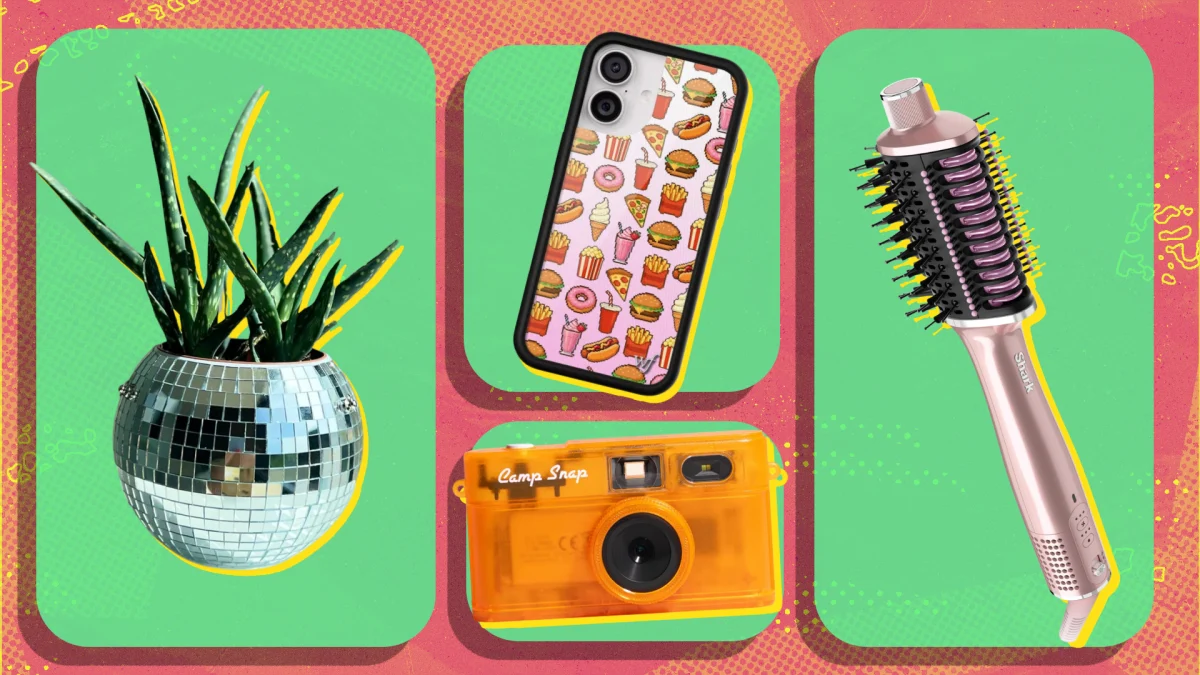
Navigating the rapidly shifting landscape of adolescent consumer preferences has become a complex endeavor for gift-givers in 2026. As digital platforms like TikTok and Instagram continue to dictate trends with unprecedented velocity, the margin for error when selecting items for teenage girls has narrowed significantly. Retail data indicates that Gen Z consumers prioritize brand identity, aesthetic cohesion, and social utility, often eschewing generic alternatives in favor of specific, viral-vetted products. According to recent market analysis from retail intelligence firms, the "gift-giving season" now begins as early as mid-October, driven by a cycle of social media discovery that turns niche items into mainstream essentials within weeks.
The Shift Toward Aesthetic and Functional Tech
The current retail environment is defined by a convergence of high-tech functionality and lifestyle-centric design. This shift is most visible in the personal electronics and beauty sectors, where products are no longer just tools but extensions of a user’s personal brand.
For instance, the adoption of advanced audio equipment like the Apple AirPods Pro 3 has become a baseline expectation for many students, reflecting a broader trend of prioritizing high-fidelity sound and active noise cancellation for study and travel. Similarly, the rise of the Hatch Restore 3—a device that utilizes light and sound to regulate circadian rhythms—signals a move toward wellness-focused gifting. Data suggests that over 65% of high-school-aged consumers express an interest in devices that assist with "sleep hygiene," a category that has seen a 22% increase in year-over-year search interest since 2024.
The Role of Viral Marketing and "Whimsymaxxing"
The cultural phenomenon of "whimsymaxxing"—a maximalist aesthetic characterized by colorful, nostalgic, and playful home decor—has significantly impacted the home goods sector. This trend has revitalized interest in products such as disco ball planters and color-changing smart lighting from manufacturers like Govee.
Industry experts note that this trend is not merely about ornamentation; it is an exercise in creating a curated environment suitable for digital content creation. The implications for the retail sector are clear: products that offer both decorative and functional utility, such as the Stanley All Day Mini Lunch Box or the Canon Ivy 2 Mini Photo Printer, are outperforming traditional gift categories. The Canon Ivy 2, in particular, has seen a surge in demand as users look for physical manifestations of their digital memories, effectively bridging the gap between social media documentation and tangible keepsakes.

Chronology of Modern Gift Trends
The trajectory of these trends can be traced back to the early 2020s, when the "TikTok-made-me-buy-it" phenomenon first gained traction.
- 2020–2021: A heavy emphasis on home-based activities, such as roller skating and DIY crafts, dominated the market as students spent significant time in remote learning environments.
- 2022–2023: The focus shifted toward "self-care" branding, bringing products like luxury hair oils and weighted blankets into the mainstream.
- 2024–2025: The current era, characterized by hyper-personalization, saw the introduction of items like the Camp Snap 2 camera, which caters to a growing desire for "low-fi" digital experiences that limit screen time while still allowing for photography.
- 2026: The current year has solidified the dominance of specialized tech, such as the Shark Glossi hair tool and red light therapy masks, which promise professional-grade results at home.
Analysis of Consumer Loyalty and Brand Identity
A crucial factor for gift-givers to consider is the intense brand loyalty exhibited by this demographic. When a product category reaches a saturation point, as seen with the transition from the Stanley tumbler to the Owala FreeSip, the shift is often rapid and industry-wide. Market analysts observe that this loyalty is driven by peer-to-peer influence rather than traditional advertising.
The inclusion of items like the Razer Kraken Kitty V3 headset in gift guides demonstrates the necessity of reconciling high-performance gaming hardware with a specific visual aesthetic. This dual-requirement—that a product must perform well while also conforming to a specific visual language—is the defining challenge for manufacturers. Companies that fail to provide options that align with these aesthetic goals often see their products relegated to secondary markets, regardless of technical superiority.
The Rise of "Quiet Tech" and Practicality
While viral products capture the headlines, there is a parallel trend toward practical, "quiet" technology. Items like the Kindle Paperwhite and Apple AirTags serve as high-utility gifts that address specific pain points, such as digital clutter and the frequent loss of personal items.
The popularity of wired headphones among the younger demographic, while initially viewed as a contrarian fashion statement, has proven to be a long-standing trend rooted in practical utility. The lack of charging requirements and the inherent reliability of a physical connection have created a persistent demand for these devices, defying the industry-wide push toward wireless connectivity.
Environmental and Social Considerations
Sustainability has emerged as a key consideration for the modern consumer. Products that emphasize longevity, such as water-safe jewelry that does not tarnish, or multipurpose items like the Shark FacialPro Glow, are gaining favor over disposable alternatives. This preference for durability aligns with the increasing emphasis on "capsule" collections, where consumers prioritize owning a few high-quality, versatile items over a larger volume of transient, lower-quality goods.

The Implications for Future Holiday Cycles
The retail sector anticipates that this pattern of "curated gifting" will continue to intensify. For the 2026 holiday season, retailers are focusing on the "unboxing experience" and the social shareability of products. The success of blind-box collectibles, such as those featuring popular characters, illustrates the enduring power of gamified retail.
Furthermore, the prevalence of gift cards for platforms like Etsy suggests a shift toward the "experience of discovery." By providing a gift card, the giver empowers the recipient to engage in the process of curating their own space, which aligns with the Gen Z value of autonomy in personal expression.
Summary of Best Practices for Gift-Givers
To successfully navigate the gift market for teenage girls, experts recommend the following strategies:
- Monitor Peer Trends: Utilize social media search trends to identify which specific brands are currently "in-favor."
- Prioritize Aesthetic Cohesion: If the recipient follows a specific style—such as the aforementioned whimsymaxxing or a minimalist approach—select products that fit within that visual framework.
- Focus on Functionality: Ensure that the gift serves a clear purpose, whether it is for school, sleep, personal care, or creative expression.
- Avoid Generic Substitutes: In the current climate, brand-name recognition is a significant component of the gift’s value. Providing a lower-tier alternative often results in the item remaining unused.
As we move toward the end of 2026, the retail landscape remains as dynamic as ever. The key takeaway for any consumer is that the "best" gift is one that recognizes the recipient’s identity as a participant in a broader, digital-native culture. By understanding the intersection of technology, style, and social influence, gift-givers can ensure their selections are not only well-received but also integrated into the daily lives of the recipients. The era of the "one-size-fits-all" gift has effectively passed; in its place is a highly nuanced, trend-responsive market that rewards those who take the time to understand the specific aesthetic and functional goals of the modern teenager.