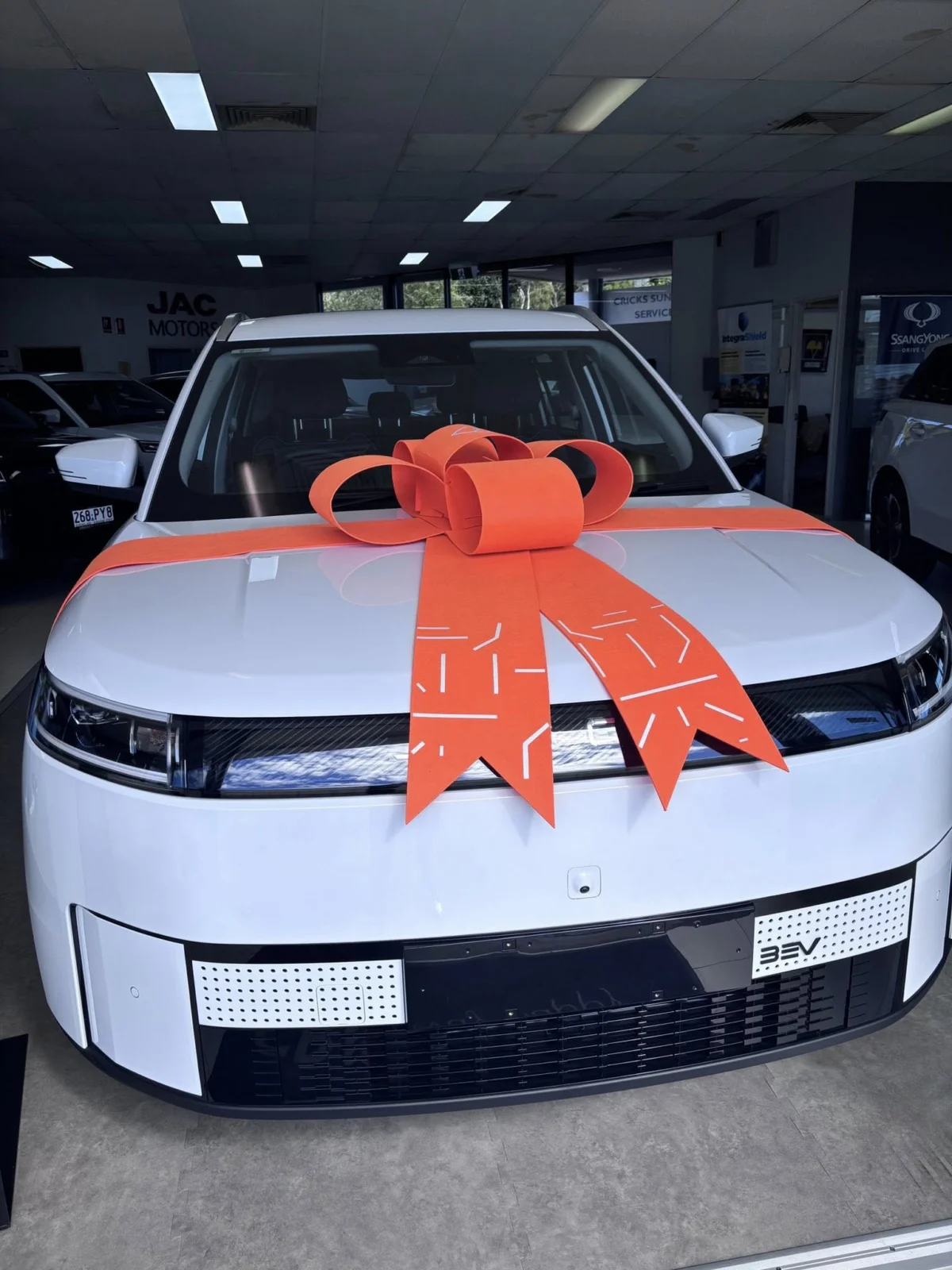
The global automotive landscape is currently undergoing a seismic shift that threatens the foundations of the world’s most established car manufacturers. Recent pronouncements from leadership at Toyota and Volkswagen, the two largest automakers by volume, indicate a growing sense of alarm as they confront a dual challenge: the rapid transition to electric vehicles (EVs) and the aggressive global expansion of Chinese manufacturers. This industrial upheaval is not merely a change in consumer preference but a fundamental disruption of the manufacturing, engineering, and supply chain models that have defined the industry for over a century. As legacy brands struggle with internal restructuring and aging production philosophies, Chinese firms, led by BYD, are rapidly capturing market share in regions once considered strongholds for Western and Japanese brands.
Toyota’s Warning and the Supplier Crisis
In a rare and candid address to the Japanese automotive supplier network, Toyota’s global CEO, Koji Sato, recently issued a stark ultimatum regarding the company’s future. Sato characterized the current state of the industry as a "battle for survival," warning that without a radical overhaul of productivity and efficiency, the incumbent giant could face obsolescence. This "sense of crisis" marks a significant departure from the typically measured public stance of Toyota leadership. Sato’s call for simplification highlights a massive bloat in the traditional manufacturing process; for instance, Toyota’s suppliers currently produce approximately 70,000 different variants of wiring harnesses.
The "Kaizen" philosophy of continuous improvement, which propelled Toyota to global dominance in the 1980s, is now being scrutinized for its adequacy in the face of the electric revolution. Critics and industry analysts suggest that Toyota’s "multi-pathway" strategy—which continues to invest heavily in internal combustion engines (ICE), hybrids, and hydrogen alongside EVs—may be a form of "willful blindness" to the speed of the market transition. While Toyota remains the world’s top-selling automaker, its reliance on a sprawling, complex supply chain is increasingly viewed as a liability when compared to the vertically integrated models of new-age competitors.
The pressure is particularly evident in markets like Australia, which serves as a bellwether for global trends due to its lack of domestic car manufacturing and open-market competition. In this arena, BYD has surged to become the second-highest supplier, with projections indicating it could outsell Toyota by 2030. Sato’s attribution of these losses to "inefficiency and slow deliveries" overlooks a more uncomfortable reality: Chinese plug-in vehicles are offering technological integration and price points that the Japanese "multi-pathway" approach currently cannot match.
Internal Strife and Production Gaps at Volkswagen
While Toyota grapples with its supply chain, the Volkswagen Group (VW) is facing an internal crisis that threatens its ability to pivot toward a sustainable EV future. CEO Oliver Blume recently proposed a radical restructuring plan aimed at cutting costs through factory closures and significant job reductions. However, the Volkswagen board, historically influenced by powerful labor unions and regional political interests in Lower Saxony, recently voted down these measures. This rejection mirrors the fates of previous CEOs like Herbert Diess and Carlos Ghosn, who faced immense internal resistance when attempting to force rapid modernization.
Volkswagen’s predicament is underscored by a widening gap between production capacity and market demand. Despite production figures falling by 25% over the last several years, the company continues to produce more vehicles than it can sell. Profit margins are being squeezed as the company is forced to offer discounts to move inventory of models that consumers increasingly view as less competitive than Chinese alternatives or Tesla’s offerings. The core of the problem appears to be a disconnect between the vehicles VW is building and the features—particularly software and battery efficiency—that modern buyers prioritize.
The struggle at the top of the automotive hierarchy suggests a grim outlook for smaller legacy manufacturers. If the industry’s two largest titans are struggling to maintain their footing, the "smaller fish" in the Western automotive ecosystem face an even steeper climb to remain relevant in a post-ICE world.
The BYD Strategy: Bypassing the United States
Contrary to the struggles of Western incumbents, Chinese manufacturers like BYD are reporting record-breaking growth and a demand that exceeds their current production capacity. A key component of BYD’s success is its strategic decision to bypass the heavily protected and tariff-laden United States market. Stella Li, BYD’s Executive Vice President, recently emphasized that the company does not need the U.S. market to achieve global dominance. Instead, BYD is focusing its resources on Europe, Southeast Asia, Latin America, and the Middle East.

BYD’s vertical integration is its primary competitive advantage. Unlike Toyota, which manages tens of thousands of variants from external suppliers, BYD produces almost every component of its vehicles in-house, including the critical battery technology (such as the Blade Battery). This allows for rapid innovation cycles and a cost structure that Western firms, burdened by legacy pension costs and fragmented supply chains, find impossible to replicate.
In regions like Brazil and the United Kingdom, consumers are increasingly drawn to EVs as a hedge against rising oil prices. BYD’s ability to offer high-quality, tech-heavy vehicles at a lower cost than European or Japanese counterparts is shifting the "value" perception of Chinese-made cars. The "Temu car" moniker, once used derisively, is being replaced by consumer praise for software integration and build quality.
Chronology of Market Displacement
The current disruption follows a historical pattern of automotive displacement that has occurred over the last fifty years:
- The 1970s: Japanese manufacturers (Toyota, Honda, Nissan) entered Western markets with affordable, fuel-efficient, and dependable cars, displacing many American and British brands that had become complacent.
- The 1990s: South Korean manufacturers (Hyundai, Kia) followed a similar trajectory, initially competing on price before evolving into leaders in design and warranty standards.
- The 2020s: Chinese manufacturers (BYD, MG, Geely) are now leading the third wave, using the transition to electric powertrains to leapfrog the century of expertise Western brands held in internal combustion technology.
This timeline suggests that the "bloodbath" currently described by industry analysts is the culmination of a decade-long shift in which China heavily subsidized its EV ecosystem while Western brands focused on short-term profits from high-margin SUVs and trucks.
The Engineering Deficit and the "Accountant Problem"
A significant factor in the decline of Western automotive prowess is the shift in corporate priority from engineering to "financialization." For decades, many Western automakers have viewed their engineering departments as cost centers to be optimized or outsourced, rather than the core of their competitive advantage. This has led to a reliance on "accountant solutions"—strategies designed to squeeze profits out of existing operations through stock buybacks and legal lobbying for protective tariffs—rather than genuine innovation.
Industry experts argue that the West needs a "manufacturing ecology" similar to what has been developed in Chinese tech hubs like Shenzhen. This involves:
- Rapid Innovation Cycles: Moving from a five-to-seven-year model cycle to a two-to-three-year cycle.
- Engineering Supremacy: Re-elevating the role of engineers over lawyers and lobbyists within the corporate hierarchy.
- Vertical Integration: Reducing the complexity of the supply chain to improve software and hardware synergy.
Innovation was essentially "designed out" of many Western automotive firms because their structures were built to maintain the status quo of the internal combustion engine. Now, as the "mojo" of the ICE era fades, these companies find themselves lacking the internal talent and agility required to compete in a software-defined vehicle market.
Regional Impact and the Role of Tariffs
The implementation of aggressive tariffs—such as the 100% duty on Chinese EVs in the United States and the varying tariffs in the European Union—has yielded mixed results. While these measures have temporarily shielded domestic manufacturers in the U.S., they have not stopped the momentum of Chinese brands in Europe or the "Rest of the World" (ROW). Hard data indicates that tariffs in the EU have not significantly deterred Chinese imports, as these companies often have enough margin to absorb the costs or are already planning localized manufacturing within European borders, such as BYD’s new plant in Hungary.
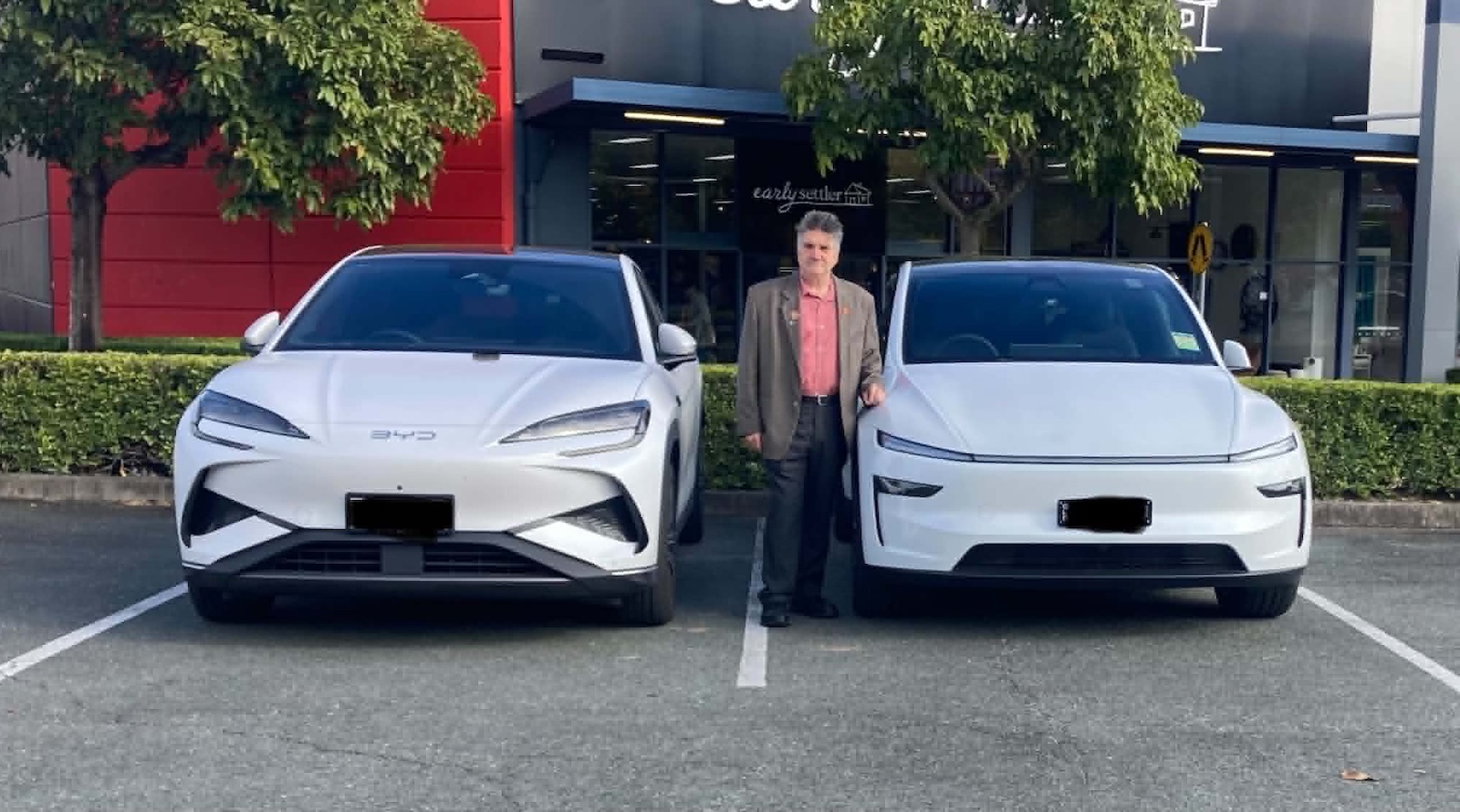
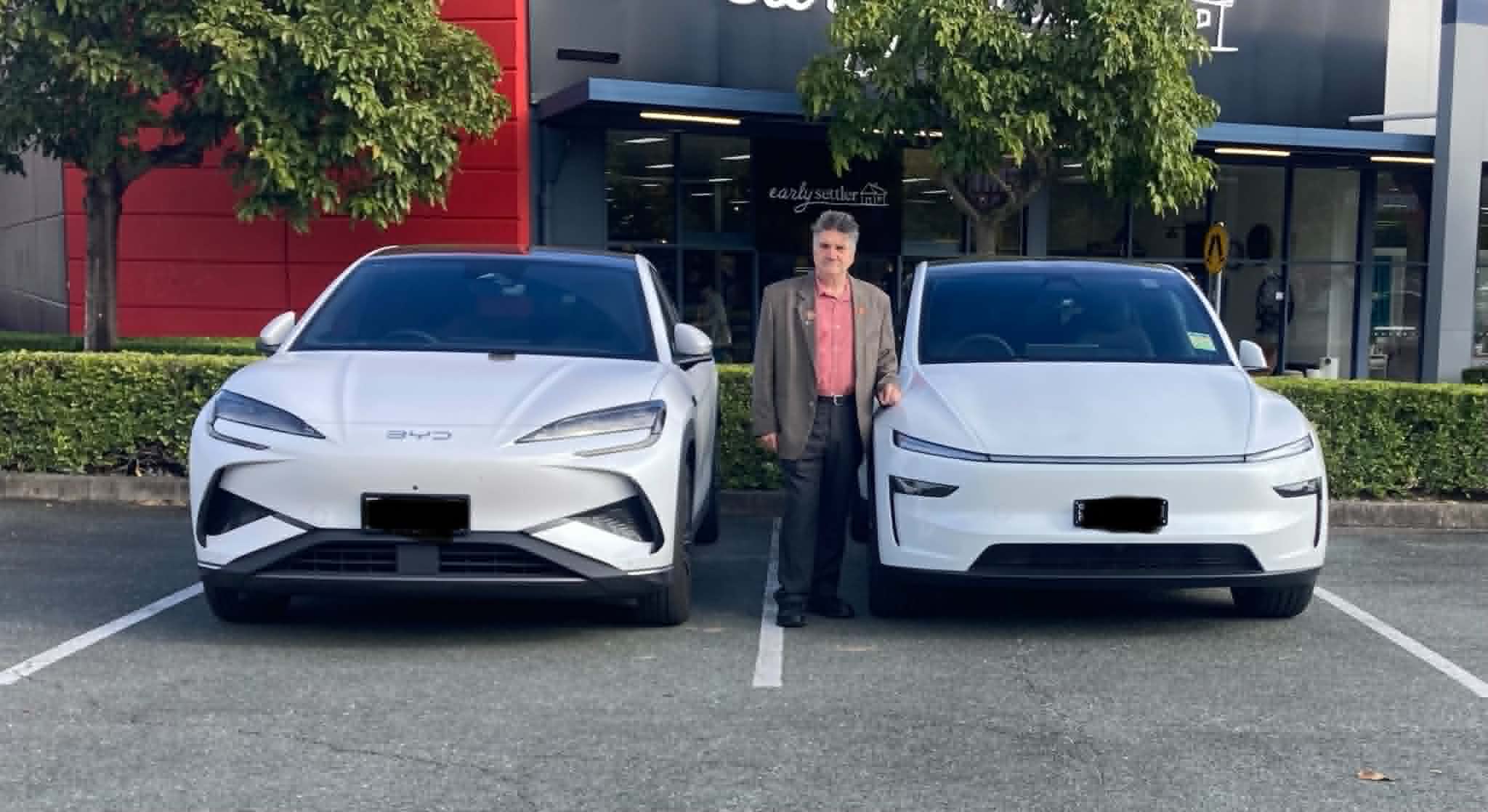
In markets like Australia, where no such protectionist barriers exist, the shift is visible in real-time. The presence of Chinese EVs in supermarket parking lots and on suburban streets has become a daily reality. This "open-air laboratory" shows that when consumers are given a choice between a legacy ICE vehicle and a high-tech, competitively priced Chinese EV, the latter is increasingly winning.

Broader Implications for the Global Economy
The decline of the Western automotive industry carries profound implications for global economics and labor markets. The automotive sector is a massive employer and a driver of secondary industries. If giants like Volkswagen or Toyota are forced to significantly downsize, the ripple effects will be felt across the German and Japanese economies, potentially leading to long-term industrial decline in these nations.
Conversely, the rise of Chinese automotive power represents a shift in the global center of gravity for high-tech manufacturing. The "future is bright and electric," as many advocates suggest, but the beneficiaries of that future appear to be those who invested in the battery supply chain and software integration a decade ago. For the legacy incumbents of the West and Japan, the window to "see, believe, and respond" is closing rapidly. The transition is no longer a distant threat; it is a current reality that is redefining what it means to be a global automotive leader.