
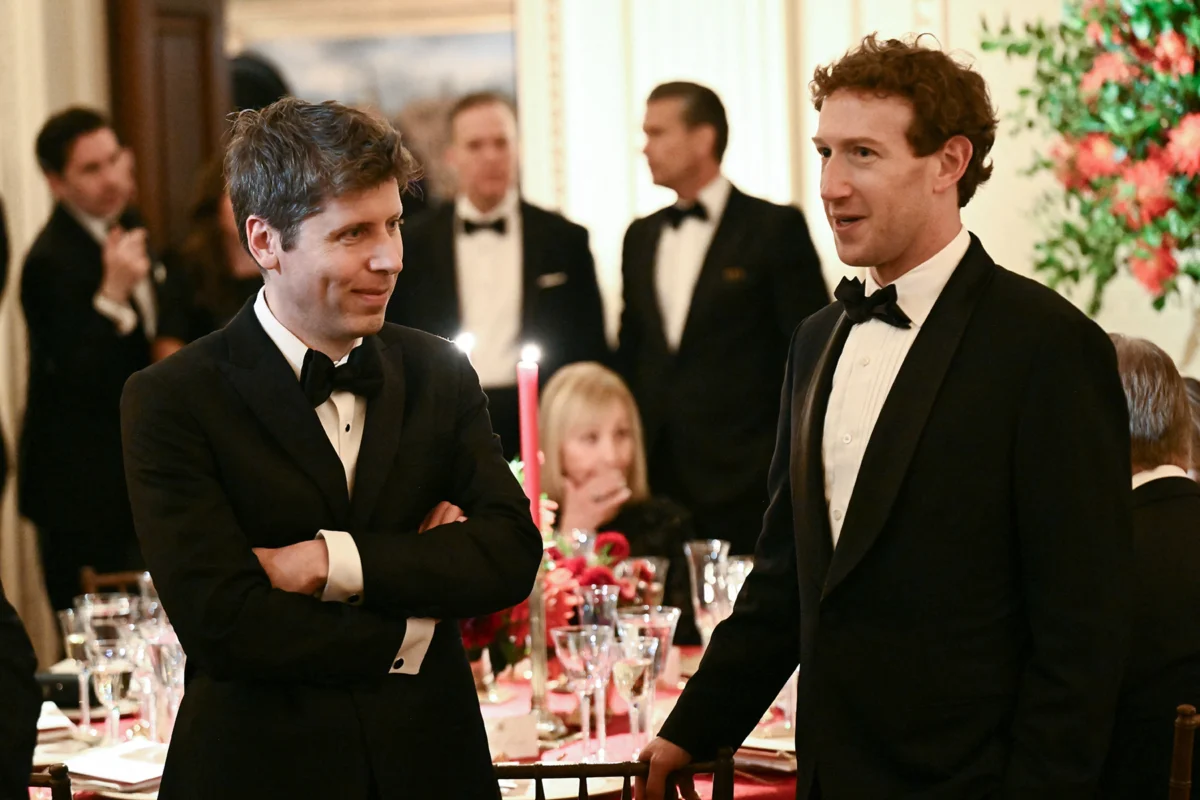
The state dinner hosted by President Donald Trump for Chinese President Xi Jinping brought together an unprecedented assembly of prominent figures from international diplomacy, domestic politics, global technology, and financial markets. Held at the White House, the high-profile gathering served as a backdrop for high-stakes bilateral discussions between the world’s two largest economies. However, beyond the diplomatic protocols and official delegations, the 134-seat guest list functioned as an expansive index of the most powerful corporate executives, media magnates, and institutional leaders in the United States.
The event took place amidst a delicate period in U.S.-China relations, characterized by ongoing negotiations over trade, technological supremacy, and geopolitical security. By seating Silicon Valley pioneers alongside traditional industrial titans, Wall Street executives, and key legislative figures, the administration underscored the intricate relationship between modern economic power and statecraft.
High-Tech Titans and Silicon Valley Leadership
The presence of the technology sector’s most influential executives dominated the guest list, many of whom were already gathered in Washington, D.C., to participate in a concurrent presidential artificial intelligence summit. The intersection of emerging technologies and geopolitical strategy was highlighted by the attendance of established leaders such as Meta CEO Mark Zuckerberg, OpenAI CEO Sam Altman, Tesla and SpaceX CEO Elon Musk, Amazon founder Jeff Bezos, Alphabet co-founder Sergey Brin, and Apple CEO Tim Cook.
Alongside these established figures were executives whose companies have experienced explosive growth amid the global artificial intelligence boom. Nvidia CEO Jensen Huang, whose semiconductor hardware has become foundational to modern AI infrastructure, secured a prominent seat. Lisa Su, CEO of Advanced Micro Devices (AMD), was also in attendance, representing a major competitor in the specialized processing and semiconductor markets that remain central to both American technological innovation and international trade controls.
The inclusion of these executives reflects the reality that modern geopolitical competition between the United States and China is inextricably linked to technological dominance, particularly in semiconductors, data processing, and artificial intelligence development. Analysts note that maintaining open channels between Washington policymakers and the leaders of critical tech supply chains has become a core component of contemporary executive branch strategy.
Financial Institutions and Industrial Power
Beyond the technology sector, the guest list featured an extensive roster of leaders from traditional banking, finance, and heavy industry. Wall Street was strongly represented by institutional heads including Jamie Dimon, CEO of JPMorgan Chase, and Jane Fraser, CEO of Citigroup. The participation of major financial figures underscores the reliance of international trade and sovereign debt management on private banking institutions.
The industrial and energy sectors also maintained a visible footprint at the dinner, with representatives from major American oil conglomerates, including ExxonMobil, securing invitations. These energy executives navigate complex global markets where American foreign policy decisions directly impact extraction rights, shipping lanes, and international commodity pricing.
Political loyalty and philanthropic contributions were similarly recognized within the broader composition of the guest list. Longtime supporters and major political donors, such as Miriam Adelson, were included among the attendees, highlighting the enduring role of high-net-worth benefactors within contemporary American political coalitions.
Media Influence and Judicial Representation
The event extended beyond economic leaders to include influential figures from national media and the federal judiciary. Prominent television personalities and commentators from Fox News, including Bret Baier, Laura Ingraham, and Jesse Watters, were among the invited guests. Their presence highlighted the close alignment between the administration’s political messaging apparatus and mainstream conservative media platforms.
Notably, the guest list also included three members of the United States Supreme Court: Chief Justice John Roberts, Justice Amy Coney Barrett, and Justice Brett Kavanaugh. The presence of the nation’s highest judicial officers at a partisan political and diplomatic state event drew attention from legal scholars and governance watchdogs, who often emphasize the institutional importance of maintaining clear boundaries between the judicial branch and executive-led political functions.
Congressional leadership was represented by figures such as House Speaker Mike Johnson, alongside key executive branch officials including Secretary of State Marco Rubio, Director of National Intelligence and policy advisors like Stephen Miller, and Health and Human Services figures such as Robert F. Kennedy Jr.
Chronology and Diplomatic Context
The state dinner was the culmination of a meticulously planned diplomatic visit designed to address friction points between Washington and Beijing. Relations between the two nations have remained tense over issues ranging from tariff policies and intellectual property enforcement to maritime security in the South China Sea and ongoing regional conflicts.
In the days preceding the dinner, bilateral talks focused heavily on establishing frameworks for artificial intelligence governance, stabilizing supply chains for critical minerals, and managing macroeconomic stability. While official readouts from the White House and Chinese state media emphasized the necessity of open communication channels, the inclusion of corporate leaders signaled that commercial interests remain central to the bilateral relationship.
The juxtaposition of traditional diplomacy with a gathering of corporate executives illustrates the evolving nature of state visits in the 21st century. Rather than relying solely on career diplomats and elected officials, modern administrations frequently incorporate private sector leaders into state-level events to project economic strength and signal alignment on industrial policy.
Broader Implications and Public Response
The concentration of immense economic and political power within a single room has prompted discussions regarding the influence of unelected executives on public policy. Critics and transparency advocates point out that closed-door gatherings involving heads of state and corporate magnates offer limited visibility into the specific agreements or understandings reached concerning trade, regulation, and national security.
Conversely, supporters of such engagements argue that private sector participation is essential for effective governance, particularly in sectors like technology and finance where innovation and capital allocation are driven primarily by private enterprise rather than government directives. With global supply chains facing persistent vulnerabilities and geopolitical tensions remaining high, the decisions made by the executives present at the dinner carry profound implications for domestic employment, inflation, and international commerce.
As the administration continues to navigate its second-term agenda, the intersection of corporate power and foreign policy will remain a defining feature of its approach to global governance. While the public details of the conversations held over dinner remain private, the collective influence of the attendees ensures that their economic and strategic priorities will continue to shape the trajectory of American policy for the foreseeable future.










Leave a Reply