You step out of the grocery store into the sprawling expanse of a packed parking lot, the evening air cooling around you. As you reach for your keys, a sudden, jarring sensation of mental vacancy sets in. You scan the rows of vehicles, but the mental map of where you parked has vanished. This frustrating lapse is more than just a momentary oversight; it is a window into the complex, often fragile process of episodic memory—the mechanism by which we record the "what, where, and when" of our daily existence.
While memory retrieval difficulties are frequently dismissed as a routine consequence of the aging process, new research from the University of California, Berkeley, suggests that the culprits behind these lapses may be far more specific than the mere passage of time. A groundbreaking study published in the journal Nature Neuroscience has identified a critical failure in the brain’s internal communication system during deep sleep, revealing how the buildup of a protein associated with Alzheimer’s disease interferes with the vital task of memory consolidation.
The Mechanism of Midnight Memory Consolidation
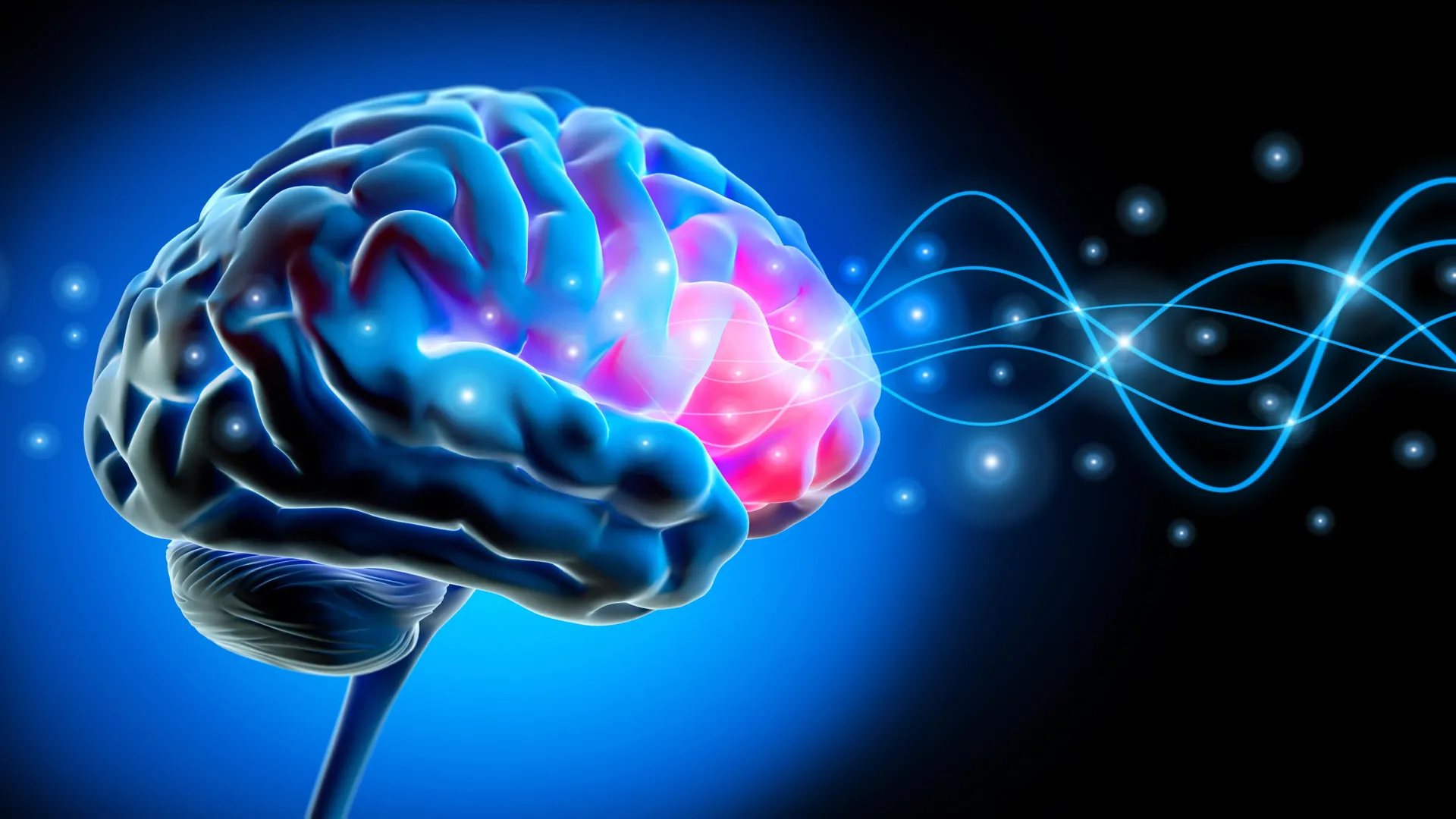
Human sleep is not a uniform state of rest but a highly orchestrated sequence of physiological phases. Among these, non-REM (rapid eye movement) sleep—specifically the deepest stage—is essential for cognitive maintenance. During this period, the brain undergoes a profound transformation. Large cohorts of neurons rhythmically shift from an inactive state to a firing state in a synchronized, cascading sequence. These movements generate slow electrical waves that ripple across the cerebral cortex, beginning in the frontal region and traveling outward.
Neuroscientist Omer Sharon, a postdoctoral researcher at UC Berkeley’s Center for Human Sleep Science, describes these waves as the bedrock of memory. "Each slow wave reflects an enormous population of neurons switching off and back on together," Sharon explains. For memories to be effectively moved from short-term storage to long-term retention, these electrical events must cascade in an orderly, uninterrupted sequence across vast swaths of the brain. When this synchronization is lost, the brain’s ability to "save" the day’s experiences is fundamentally compromised.
The Tau Protein and the Rise of "Lonely Waves"
The research team, directed by former Berkeley sleep researcher Matthew Walker, discovered that this delicate electrical choreography is frequently disrupted in aging brains. The primary driver of this disruption appears to be the accumulation of tau, a protein known for its pathological role in Alzheimer’s disease.
In a healthy, younger brain, slow waves travel in long, coordinated arcs, spanning distances roughly equivalent to the width of a human hand across the scalp. However, in older adults—even those who have not been diagnosed with dementia—these waves behave differently. As tau accumulates in the frontal cortex, the waves lose their connectivity. Instead of flowing in wide, sweeping patterns, they appear fragmented, isolated, and diminished. Researchers have termed these disjointed electrical events "lonely waves."
The correlation is striking: the more pronounced the buildup of tau in the frontal cortex, the more fragmented the sleep waves become. Consequently, individuals exhibiting these "lonely waves" perform significantly worse on overnight memory tests. The study utilized word-association tasks, where participants learned pairs of words before sleep and were tested on their retention the following morning. The results provided a clear, quantitative link: the shorter the distance the brain waves traveled during the night, the fewer word associations the participants could recall the next day.
A Multimodal Research Approach
The study’s findings are bolstered by a rigorous, multi-faceted methodology. To confirm that these sleep disruptions were linked to neurobiological changes, the Berkeley team employed a variety of advanced diagnostic tools:
- Electroencephalograms (EEG): Researchers monitored the nocturnal brain activity of two distinct cohorts: cognitively healthy young adults (early 20s) and older adults (mid-60s to mid-70s). The EEG data provided the baseline evidence of "lonely waves" in the older group.
- Positron Emission Tomography (PET) Scans: Working with Dr. William Jagust, a professor emeritus of public health and neuroscience, the team used radioactive tracers to visualize tau distribution in the brains of the older participants. This revealed a direct spatial relationship between frontal cortex tau deposits and the breakdown of traveling slow waves.
- Spinal Fluid Analysis: To ensure the findings were not restricted to a single measurement technique, the team collaborated with neurologist Yo-El Ju at Washington University in St. Louis. By analyzing spinal fluid for markers of Alzheimer’s-related proteins—specifically the ratio of tau to amyloid—the researchers corroborated the PET scan findings. Even in a separate cohort using a different biological medium, the presence of these proteins remained a consistent predictor of disrupted sleep patterns.
Implications for Aging and Alzheimer’s Research
One of the most critical aspects of this research is that the subjects were not necessarily suffering from clinical Alzheimer’s disease. Many of the participants who displayed "lonely waves" and elevated tau levels were considered to have memory performance within the "normal" range for their age. This suggests that the physiological degradation of memory pathways begins long before the onset of symptomatic dementia.
"These people did not have Alzheimer’s," Sharon noted. "They had tau in their brains, but with subclinical impacts." By observing these individuals over several years, the researchers were able to witness a longitudinal decline: as frontal tau levels increased, the slow waves became increasingly disorganized, and the participants’ ability to retain new information overnight suffered a measurable decline.
This finding shifts the scientific narrative. Memory decline is often viewed as a generic side effect of aging, but this study suggests it is more accurately viewed as a clinical pathology. It is not simply the age of the brain that matters, but the specific accumulation of neurotoxic proteins in regions responsible for generating global neural synchrony.
Future Horizons: From Identification to Intervention
While the study establishes a clear link between tau, sleep, and memory, it stops short of declaring causation. Researchers are currently grappling with a "chicken-or-the-egg" scenario: Does the buildup of tau cause the breakdown of these waves, or does the disruption of these waves prevent the brain from clearing out proteins like tau?
"We can see tau and lonely waves rising together over time," Sharon said. "What we cannot yet say is which leads—and that question will shape how we design interventions."
The potential for future clinical application is significant. If "lonely waves" can be used as an early, non-invasive biomarker for Alzheimer’s pathology, physicians might one day be able to identify individuals at risk years before memory loss becomes severe. Furthermore, if scientists can develop methods to stabilize or restore the coordination of these electrical waves—perhaps through targeted stimulation or pharmacological intervention—it may provide a new avenue for slowing the progression of memory impairment.
The study, co-authored by a multidisciplinary team including Xi Chen, James Westphal, Chelsea Brown, and Vyoma D. Shah, represents a significant step forward in our understanding of the sleeping brain. Funded by the National Institute on Aging at the National Institutes of Health, the work underscores the necessity of interdisciplinary collaboration in solving the mysteries of neurodegeneration.
As the global population ages, the challenge of preserving cognitive health has moved to the forefront of medical science. By peering into the quiet, rhythmic cycles of the sleeping brain, researchers have found a vital clue to one of the most common and distressing aspects of human aging. While we may not yet have a cure for the forgetting that comes with time, we are, for the first time, beginning to understand the electrical silence that precedes it.