
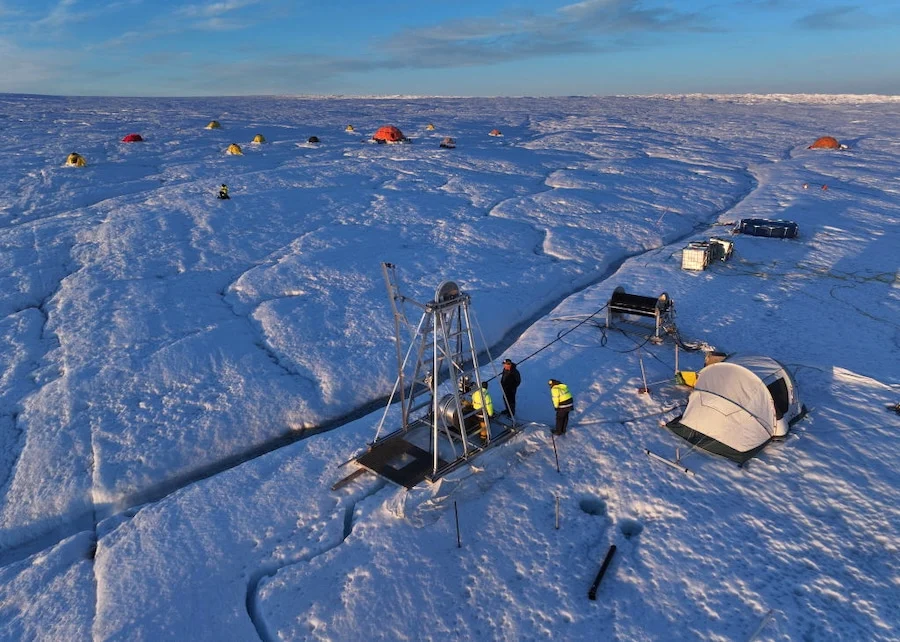
As the international community continues to grapple with accelerating global temperature anomalies, scientific focus has increasingly zeroed in on methane, the second most significant driver of human-induced climate change after carbon dioxide. While carbon dioxide frequently dominates public discourse due to its centuries-long persistence in the atmosphere, methane operates as a short-lived yet exceptionally potent climate pollutant. Composed of a single carbon atom bonded to four hydrogen atoms, this colorless and odorless gas is the primary constituent of natural gas and is generated through a complex matrix of biological and geological processes. With atmospheric concentrations reaching historic highs in recent years, researchers, policymakers, and environmental scientists are urgently evaluating how methane emissions are tracked, where they originate, and what targeted interventions can be deployed to curb their devastating environmental and public health impacts.
The Scientific Foundations of Methane: Origins and Atmospheric Behavior
Methane is naturally abundant and forms through both biotic and abiotic pathways. Geologically, subterranean methane is produced when ancient organic matter is subjected to intense heat and pressure over millions of years, forming the vast natural gas reservoirs exploited for industrial energy. Non-organic geological formations can also generate methane deep within the Earth’s crust without the presence of biological precursors. Biologically, the gas is a byproduct of methanogenesis—an anaerobic respiration process executed by specialized microorganisms known as archaea. These microbes thrive in oxygen-depleted environments, generating methane in natural settings such as wetlands, freshwater bodies, and the digestive tracts of ruminant animals like cattle, sheep, and goats, as well as termites.

When released into the atmosphere, methane acts as a highly efficient heat absorber. It intercepts infrared radiation emitted from the Earth’s surface and redirects it back downward, amplifying the greenhouse effect. Although natural methane sinks—primarily chemical reactions in the troposphere and absorption by soil microbes—help regulate baseline levels, anthropogenic emissions since the industrial revolution have completely overwhelmed these natural buffers.
The primary distinction between methane and carbon dioxide lies in their atmospheric lifetimes and radiative efficiencies. Over a 20-year timescale, methane traps approximately 86 times more heat per unit of mass than carbon dioxide. Even when evaluated over a 100-year horizon, its warming potential remains roughly 28 to 30 times greater. However, methane breaks down in the atmosphere much faster than carbon dioxide, with an average lifespan of about 12 years compared to centuries. This dynamic creates a unique policy window: rapidly reducing methane emissions yields immediate climate-cooling benefits, making it arguably the most effective leverage point for stabilizing global temperatures over the next two decades. According to the Intergovernmental Panel on Climate Change (IPCC), global methane emissions must be slashed by roughly 34 percent below 2019 levels by the year 2030 to maintain a viable pathway toward limiting global heating to 1.5 degrees Celsius above pre-industrial levels.
Chronology and Escalation of the Methane Crisis
The upward trajectory of atmospheric methane concentrations has alarmed climate scientists for decades, prompting a gradual shift from localized monitoring to global policy initiatives.

- Pre-Industrial Era: Atmospheric methane concentrations hovered stably around 700 parts per billion (ppb) for centuries.
- Late 20th Century: Accelerated industrialization, intensive livestock farming, and the widespread commercial extraction of fossil fuels drove steady increases in atmospheric concentrations, pushing past 1,700 ppb by the late 1990s.
- 2016: Following the formal lifting of restrictions on U.S. liquefied natural gas (LNG) exports, a massive infrastructure expansion began, transforming North America into a leading global exporter and locking in long-term fossil fuel dependencies.
- 2021 (COP26): At the United Nations Climate Change Conference in Glasgow, Scotland, the United States and the United Kingdom launched the Global Methane Pledge. Participating nations formally agreed to cut global methane emissions by at least 30 percent relative to 2020 levels by 2030.
- 2023–2025: Despite growing international commitments, recent data compiled by agencies like the World Meteorological Organization and the International Energy Agency (IEA) revealed that atmospheric methane surged to a new record of 1,934 ppb—representing a 265 percent increase over pre-industrial levels—while industrial emissions stubbornly persisted above 120 million metric tons annually.
Comprehensive Source Analysis: Human Activities and Natural Feedbacks
Human activities account for approximately 60 percent of global methane emissions, with the remaining 40 percent stemming from natural sources. More than 90 percent of anthropogenic emissions are concentrated in three primary sectors: agriculture, fossil fuels, and waste management.
Agriculture
Agricultural operations drive roughly 40 percent of human-caused methane emissions. The single largest contributor within this sector is livestock farming, which accounts for about 32 percent of global anthropogenic emissions. This occurs primarily through enteric fermentation, a digestive process unique to ruminants where gut microbes break down fibrous plant material, generating methane as a metabolic byproduct. Manure storage facilities, particularly large-scale dairy and swine operations, further compound these emissions. Additionally, rice cultivation contributes approximately 8 percent of human-caused methane; the practice of maintaining flooded paddies creates an ideal oxygen-depleted environment for methanogenic microbes.
Fossil Fuels
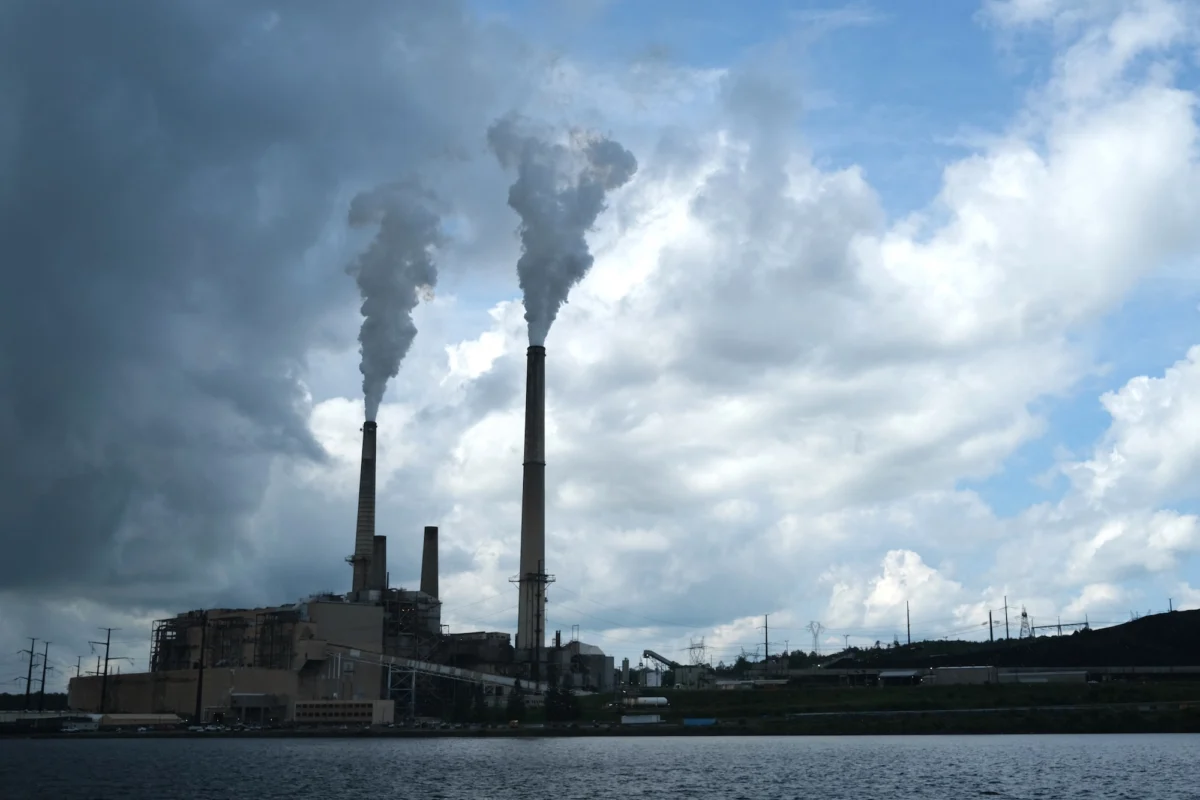
The extraction, processing, transport, and combustion of fossil fuels account for roughly 35 percent of anthropogenic methane emissions. Oil and gas operations alone represent 23 percent, driven by intentional venting—the release of unwanted gas during extraction—and fugitive leaks across pipeline networks and distribution infrastructure. Coal mining contributes an additional 12 percent, as methane trapped within coal seams escapes during extraction, ventilation, and through emissions from abandoned underground mines. Compounding this challenge is the phenomenon of "super-emitters"—massive, concentrated leak events often linked to remote fossil fuel infrastructure or large landfills. Satellite imaging has revealed that a small fraction of extraordinary leaks account for more than half of all industrial leakage volumes, highlighting systemic oversight failures in traditional reporting inventories.

Landfills and Waste Management
Solid waste disposal sites and wastewater treatment facilities generate approximately 20 percent of human-caused methane emissions. As organic waste decomposes anaerobically beneath layers of municipal refuse, microorganisms produce vast quantities of gas. Rapid urbanization and population growth in developing nations are projected to increase solid waste volumes significantly, threatening to accelerate waste-sector emissions faster than any other category by 2030.
Natural Sources and Climate Feedback Loops
Wetlands represent the largest natural source of methane, accounting for approximately one-third of total global emissions. Water-saturated soils create optimal conditions for microbial methane production. However, rising global temperatures and altered precipitation patterns are accelerating wetland emissions through a dangerous positive climate feedback loop. Tropical wetlands are expanding due to shifting rainfall, while thawing Arctic permafrost unfreezes long-dormant organic matter and microbial populations. Furthermore, the destabilization of marine methane hydrates—ice-like crystalline structures sequestered on ocean floors—poses a long-term risk of catastrophic releases should ocean warming continue unchecked.
Methodological Advances in Methane Measurement
Accurate quantification remains a cornerstone of effective mitigation policy, yet measuring an invisible gas dispersed across vast geographic areas presents formidable engineering challenges. Scientists rely on two complementary approaches: "bottom-up" and "top-down" methodologies.

Bottom-up approaches aggregate local estimates. For example, researchers calculate national agricultural emissions by multiplying livestock headcounts by standardized emissions factors per animal, or estimate industrial output based on equipment counts and assumed baseline leak rates. While valuable for broad inventories, bottom-up models frequently underestimate total emissions because they fail to account for anomalous, highly volatile super-emitter events.
Conversely, top-down approaches utilize atmospheric sampling via aircraft, high-altitude balloons, and advanced satellite constellations. Modern satellite technology has revolutionized monitoring by pinpointing localized ultra-emitters in real-time, offering an independent verification mechanism. Discrepancies between these methods are often stark; direct measurement studies have repeatedly shown that actual fossil fuel emissions can exceed official government inventories, such as those maintained by the U.S. Environmental Protection Agency, by 60 percent or more.
Economic and Public Health Implications
The consequences of unmitigated methane emissions extend far beyond atmospheric heating. In the lower atmosphere, methane acts as a crucial chemical precursor in the formation of ground-level ozone. Unlike the stratospheric ozone layer, which protects the Earth from harmful ultraviolet radiation, tropospheric ozone is a dangerous pollutant that damages human respiratory tissue, exacerbates asthma, and suppresses agricultural productivity.

Public health experts estimate that methane-induced ozone pollution contributes to approximately 500,000 premature deaths globally each year. Conversely, analytical modeling indicates that avoiding every million metric tons of methane emissions would prevent thousands of premature cardiovascular and respiratory deaths, avert thousands of emergency room visits, and safeguard hundreds of thousands of metric tons of staple crops like wheat, rice, and maize from yield degradation.
Mitigation Strategies and Future Outlook
Mitigating the methane crisis requires a multi-pronged approach that integrates structural economic transitions with targeted technical interventions. In the energy sector, phasing out fossil fuels while accelerating the deployment of wind, solar, and other zero-emission technologies remains the ultimate objective. In the near term, however, deploying rigorous leak detection and repair (LDAR) protocols, replacing outdated pneumatic equipment, and mandating vapor recovery systems across active oil and gas fields can achieve immediate reductions. The IEA estimates that existing technologies could slash the oil and gas sector’s methane emissions by up to 70 percent, with a significant portion of those reductions achievable at net-zero cost through the commercial recovery and sale of captured gas.
Within agriculture, dietary shifts toward sustainable, plant-based alternatives and the reduction of widespread food waste offer substantial long-term mitigation potential. On the production side, innovations such as dietary additives—including specific seaweed supplements and chemical inhibitors like 3-NOP—have demonstrated the capacity to reduce enteric fermentation emissions in cattle by 40 to 80 percent without compromising animal health. For rice cultivation, adopting intermittent drainage techniques known as "Alternative Wetting and Drying" can drastically curtail microbial activity in paddies.

Ultimately, while international frameworks such as the Global Methane Pledge have successfully galvanized political awareness, bridging the implementation gap between diplomatic promises and verified industrial action remains the defining challenge of the decade. Immediate, aggressive intervention to curb methane emissions offers the most powerful, rapid lever humanity possesses to slow the pace of global heating, protect public health, and secure a stable climate future.








Leave a Reply