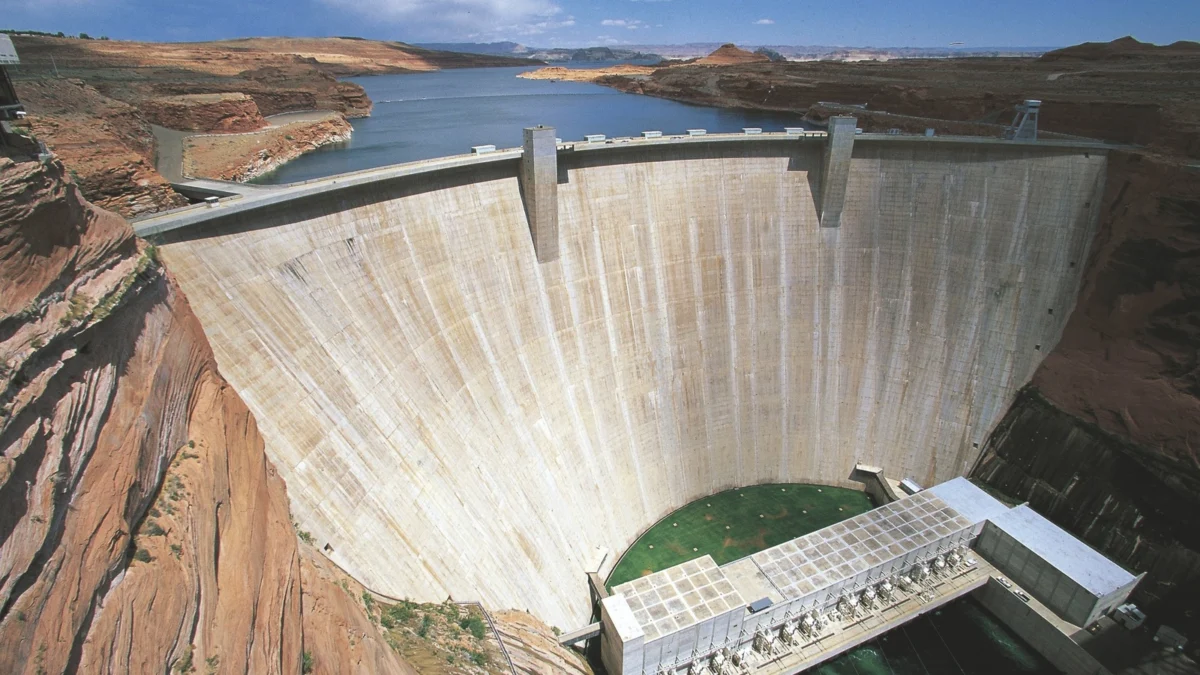
The American Southwest is currently enduring its most severe dry period in 1,200 years. Spanning 27 years, this relentless megadrought is fundamentally altering the hydrology of the Colorado River, a vital lifeline supporting approximately 40 million people, millions of acres of farmland, and critical ecosystems across seven U.S. states and northern Mexico. At the heart of this unfolding crisis is the Glen Canyon Dam and the massive reservoir it created, Lake Powell. Once lauded as an engineering marvel that unlocked the economic potential of the arid West, the dam and its shrinking reservoir have transformed from regional assets into costly liabilities. As climate change accelerates the depletion of the river’s headwaters, policymakers, scientists, and local stakeholders are being forced to confront a proposal that was once dismissed as entirely unthinkable: draining Lake Powell completely.
A Fragile Hydrological System Under Siege
The crisis on the Colorado River is driven by a compounding set of climate pressures. Roughly 80 percent of the river’s annual flow originates as snowpack in Colorado’s Rocky Mountains. However, rising global temperatures have steadily reduced the accumulation of winter snow and caused it to melt much earlier in the spring. This premature runoff leaves river flows critically depleted during the peak heat of late summer and early autumn. Simultaneously, warmer weather has dramatically increased evaporation rates across the river’s network of 40 reservoirs, most notably its two largest storage facilities: Lake Mead, held back by the Hoover Dam, and Lake Powell, located upstream on the Utah-Arizona border.
The consequences of this continuous water deficit have reached historic thresholds. Last month, Lake Powell plummeted to a record low, sinking to less than 150 feet above its "dead pool" level—the critical threshold at which water can no longer flow naturally through the dam’s bypass tubes to reach Lake Mead roughly 300 miles downstream. This dramatic drop in water levels has triggered severe operational challenges. Hydropower generation at both the Glen Canyon and Hoover dams has plummeted, forcing utilities to seek replacement energy sources. Meanwhile, municipal water deliveries to the Lower Basin states of Arizona, California, and Nevada have faced steep curtailments, compelling local governments and industries to enact sweeping conservation mandates.
The Human and Economic Toll
The ripple effects of the Colorado River crisis are being felt across multiple sectors of the Southwestern economy. Agricultural producers, who have historically consumed the vast majority of the river’s water allocations, are increasingly forced to fallow productive fields, threatening regional food production and rural economies. In rapidly growing urban centers, municipal planners and real estate developers have been forced to pause major housing construction projects due to a lack of guaranteed, long-term water supplies.
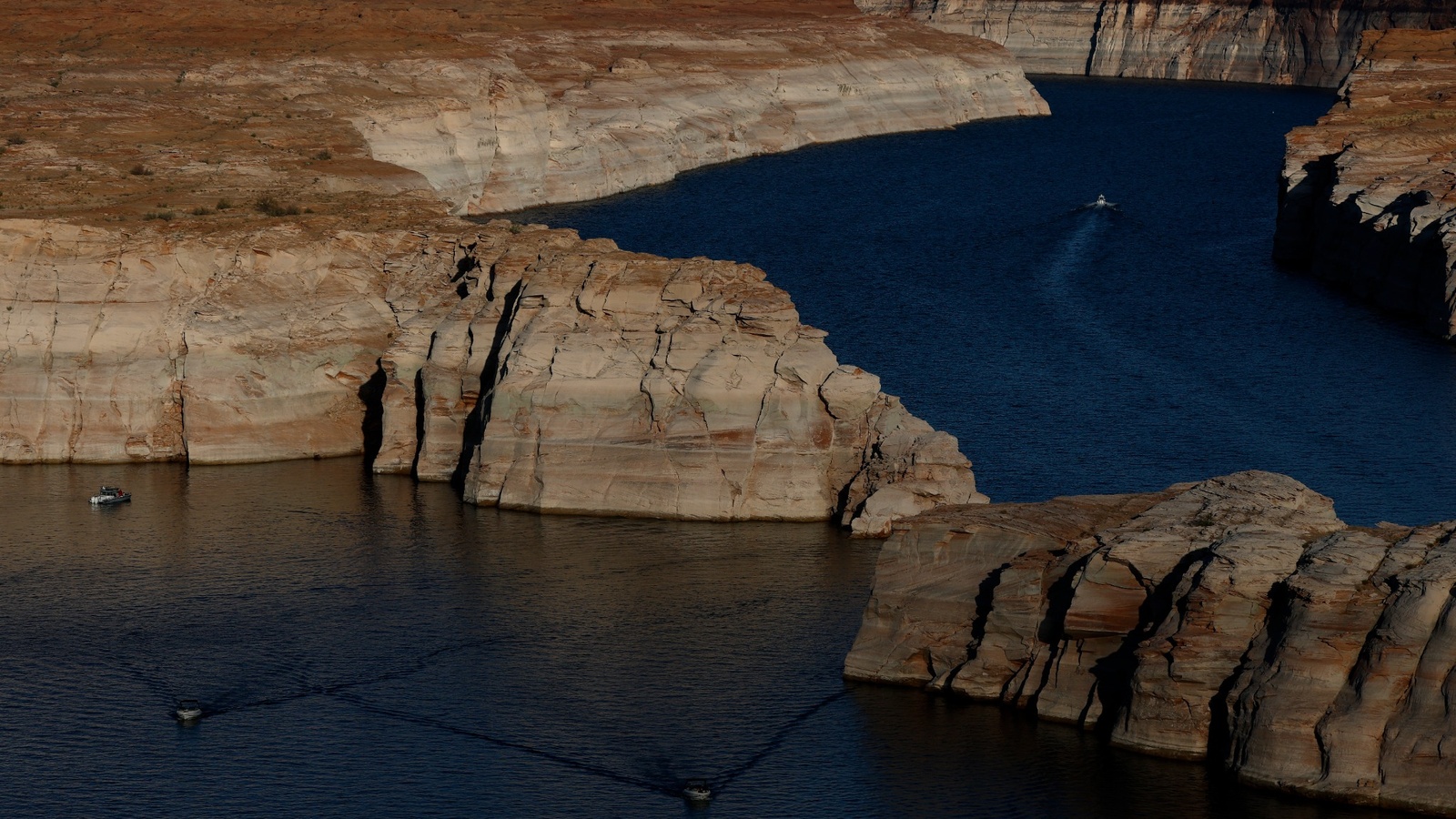
Environmental management has also been severely compromised. The federal Bureau of Reclamation has repeatedly curtailed its "environmental flows"—engineered releases of cold water from Lake Powell designed to protect endangered native fish species and rebuild downstream sandbars in the Grand Canyon. Without these high-flow pulses, the ecological health of the river corridor continues to degrade, threatening biodiversity and altering natural sediment transport processes.
Faced with shrinking supplies and competing demands, federal and state agencies have weighed a series of desperate interventions. Proposals have ranged from attempting to prop up Lake Powell with emergency water transfers from upstream storage to mandating unprecedented 40 percent reductions in downstream water deliveries. Financial incentives have also been deployed to pay farmers to voluntarily keep their water allocations in the river rather than drawing them for irrigation. Yet, as these stopgap measures prove insufficient for the scale of the crisis, attention has increasingly shifted toward structural changes, including the radical idea of dismantling or bypassing the infrastructure that created Lake Powell in the first place.
Historical Context and the Rise of "Fill Mead First"
When the Glen Canyon Dam was authorized and constructed in the 1960s, its proponents hailed it as an economic engine for the interior West. It promised cheap, reliable hydroelectric power, heavily subsidized irrigation water for cotton and alfalfa growers, lucrative lakeside real estate development, and a vast aquatic playground for recreational boaters. However, conservationists and environmental advocates fiercely opposed the project from its inception, mourning the deliberate drowning of Glen Canyon—a labyrinth of red rock gorges, soaring spires, hidden grottoes, and hanging gardens that many considered even more visually stunning and ecologically diverse than the Grand Canyon.
For decades, suggestions to remove the dam and restore Glen Canyon were routinely dismissed by mainstream policymakers as financially prohibitive, legally impossible, and practically unviable because they would eliminate a major source of regional electricity. In recent years, however, a more nuanced and pragmatic approach has gained traction among environmental groups, most notably the Glen Canyon Institute.
Rather than physically demolishing the massive concrete structure of the dam—a multi-billion-dollar undertaking fraught with logistical hurdles—advocates have championed a strategy known as "Fill Mead First." The core proposal involves drilling new diversion tunnels near the riverbed, situated well below the dam’s existing bypass tubes, to intentionally drain Lake Powell. The water would be entirely stored in Lake Mead, significantly consolidating the region’s remaining water supplies while reaping multiple ecological and operational benefits.
Structural Vulnerabilities and the Threat of Operational Failure

The push to reconsider the future of Glen Canyon Dam is driven as much by engineering reality as it is by environmental advocacy. Eric Balken, executive director of the Glen Canyon Institute, notes that the infrastructure is increasingly working against the very people it was built to serve.
"For more than four decades, the Glen Canyon Dam was considered a huge asset to the river basin," Balken said. "But it is now becoming a liability because it might actually prevent water from flowing downstream. All of the core assumptions around the dam have been turned on their head."
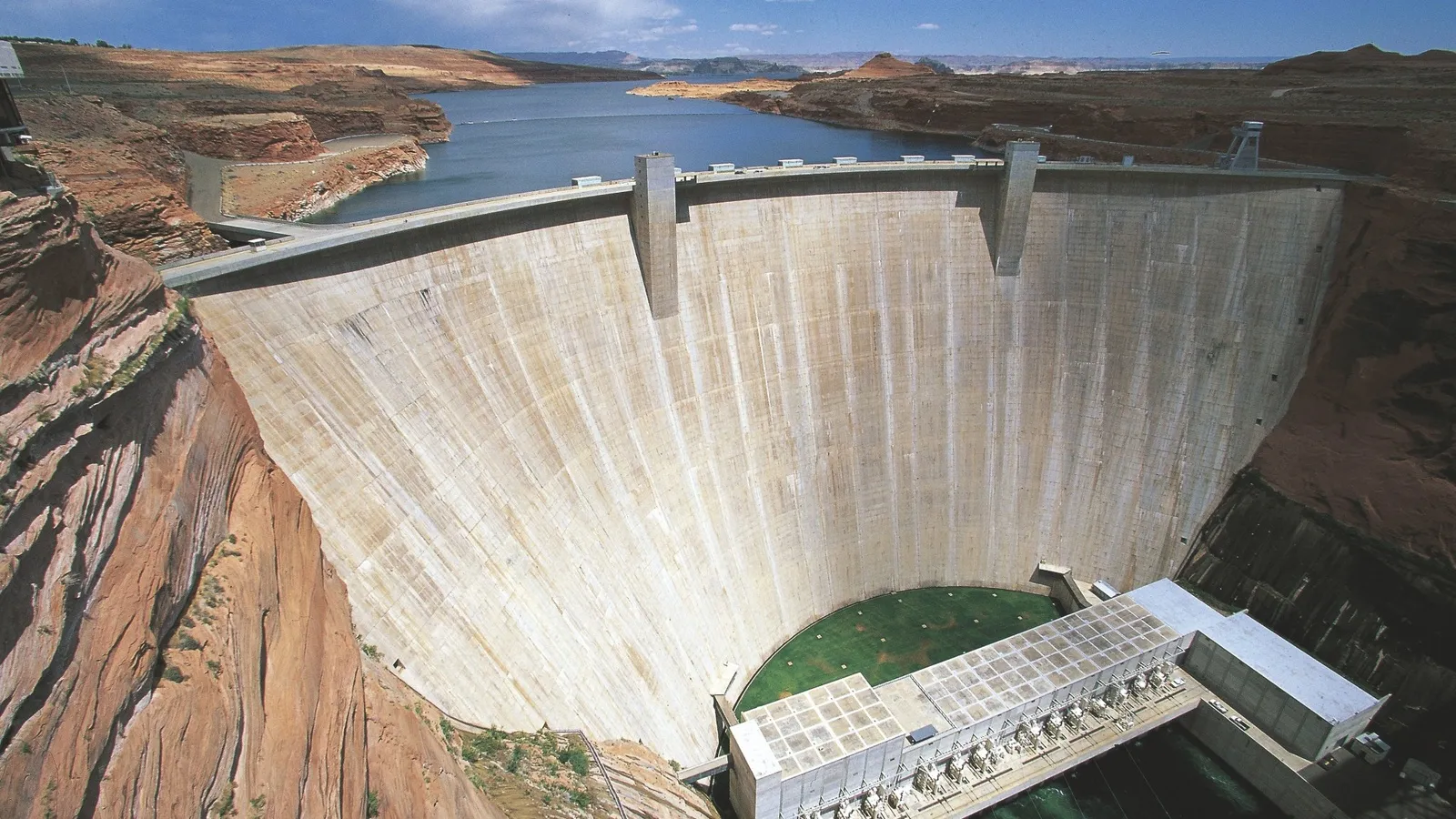
These liabilities stem directly from the dam’s physical design. Lake Powell’s water level is now dangerously close to dropping below its minimum power pool. When this occurs, the massive penstocks—the large pipes that deliver water to the dam’s eight hydroelectric turbines—will be left completely high and dry, halting power generation entirely. At that point, water can only be released through the dam’s lower bypass tubes.
However, these bypass tubes were never engineered for continuous, long-term operation under high-pressure conditions. Discharging sustained high volumes of water through them risks severe structural vibrations, concrete scouring, and mechanical failure that could cause irreparable harm to the dam itself. Furthermore, because these tubes possess less than half the discharge capacity of the penstocks, relying on them exclusively would make it exceedingly difficult for Upper Basin states—Colorado, New Mexico, Utah, and Wyoming—to fulfill their legally mandated water delivery obligations to the Lower Basin states and, under international treaty, to Mexico.
Shifting Perspectives Among Regional Stakeholders
Recognizing these severe infrastructure bottlenecks, regional attitudes toward modifying the dam have undergone a notable evolution. Kathryn Sorensen, director of research at the Kyl Center for Water Policy at Arizona State University, acknowledges that discussing lower release structures is no longer treated as a fringe idea. Similarly, Jack Schmidt, director of the Center for Colorado River Studies at Utah State University, describes the installation of lower outlets as an "utterly reasonable idea" that warrants serious consideration in long-term basin management plans.
Proponents of the Fill Mead First initiative argue that the loss of Glen Canyon Dam’s 730-megawatt hydroelectric capacity can be readily replaced by modern renewable energy infrastructure, pointing to large-scale solar installations such as the 690-megawatt Gemini solar project near Las Vegas as proof of feasibility.
Lower Basin states, which rely heavily on Lake Mead and have frequently seen their allotments restricted to maintain water levels in Lake Powell, have formally urged federal authorities to prioritize infrastructure modifications over further delivery cuts. In a joint letter sent last year to Interior Secretary Doug Burgum, representatives of the Lower Basin states argued that "addressing the infrastructure limitations may be the one long-term measure that would best achieve operation and management improvements to the Glen Canyon Dam."
Furthermore, draining Lake Powell could yield immediate water-savings benefits by drastically reducing evaporative losses. Hydrological experts estimate that approximately 11 percent of the reservoir’s total volume is lost to annual evaporation under current operating conditions. "On a river that is much smaller than anyone expected, that water really matters," Sorensen noted, though she cautioned that executing such a plan still faces formidable obstacles.
Roadblocks, Costs, and Competing Visions
Despite growing support among certain academic and environmental circles, the proposal to drain Lake Powell faces substantial political, financial, and logistical roadblocks. Notably, the federal government did not include the total drainage of Lake Powell as a viable option in its environmental impact statement for post-2026 Colorado River operations, finalized by the Bureau of Reclamation in August.
Local opposition is also fierce. Officials in Page, Arizona, whose local economy relies heavily on a thriving water-based recreation and tourism industry centered around Lake Powell, have strongly resisted any measures that would empty the reservoir.
Groups representing motorized and off-road recreation, such as the BlueRibbon Coalition, have emerged as prominent opponents of the plan. In response to potential water management shifts, the coalition introduced a model legislative proposal called the Colorado River Abundance Act. This alternative vision aims to secure the region’s water future by constructing advanced seawater and brackish water desalination facilities powered by nuclear energy, alongside advanced wastewater reuse technologies, with an estimated price tag of $40 billion.
In addition to political and economic hurdles, time is a critical constraint. Engineering, environmental review, funding acquisition, and the subsequent construction of new deep-water diversion tunnels at Glen Canyon would likely take a decade or more to complete, during which the river basin would remain vulnerable to ongoing climate shocks.
Ecosystem Transformation and the Uncertain Future
The long-term contraction of the Colorado River continues to reshape riverine ecosystems that scientists describe as "novel"—environments fundamentally altered by more than seventy years of heavy human intervention and the absence of natural seasonal flooding cycles.
While the Bureau of Reclamation has historically utilized high-flow releases from Glen Canyon Dam to rebuild downstream sandbars, create shallow-water habitats for endangered native fish, and cool river temperatures to suppress invasive warm-water species like bass, the ongoing drought has forced the cancellation of many of these planned environmental pulses.
Proponents of draining Lake Powell argue that emptying the reservoir would ultimately allow Glen Canyon to regenerate naturally. As the river flushes accumulated sediment downstream, native flora such as cottonwoods and willows would reestablish themselves, helping to crowd out invasive species like tamarisk. Wildlife populations, including river otters, beavers, and migratory birds, would likely return, while long-submerged archaeological sites, sacred Native American spaces, and dramatic geological formations—including natural stone arches, amphitheaters, and hidden waterfalls—would slowly emerge from the receding silt.
At the same time, scientists warn that a radical shift in hydrological regimes would trigger complex, unpredictable changes across the hundreds of miles of river ecosystems downstream, including the Grand Canyon. A restored, un-dammed flow would bring massive seasonal fluctuations in volume, increased sediment loads, and high turbidity, while potentially introducing non-native sport fish previously trapped in Lake Powell into native fish refugiums.
As global temperatures continue to rise and the water levels in the nation’s largest reservoirs hover near historic lows, the debate over the future of the Glen Canyon Dam highlights the difficult trade-offs facing modern water managers. While the prospect of draining Lake Powell remains a controversial and complex proposition, mounting pressures suggest that current management strategies may simply be delaying an inevitable reckoning. As Eric Balken observed, relying on temporary fixes to prop up an overstressed system is merely "kicking the can down the road—but they are running out of road."