The landscape of building infrastructure is undergoing a fundamental transformation, driven by the rapid adoption and technological maturation of central heat pump water heaters (HPWH). As global energy policies shift toward decarbonization and strict electrification mandates for commercial and multi-family residential sectors, the technology powering hot water delivery has moved to the forefront of sustainable engineering. During the inaugural sessions of Heat Pump Water Heater Week, industry experts, manufacturers, and policy analysts convened to outline how these systems are overcoming historic barriers related to cost, space, and installation complexity.
The Context of the Heat Pump Water Heater Initiative
Heat Pump Water Heater Week serves as a critical junction for stakeholders in the green building sector. The event, organized by the Advanced Water Heating Initiative, functions as a collaborative platform to address the technical and financial hurdles that have historically slowed the adoption of climate-friendly water heating. For decades, commercial buildings—including apartment complexes, hotels, and large-scale grocery stores—relied on gas-fired boilers or electric resistance heaters. While these systems were inexpensive to install, they were notoriously inefficient, often wasting significant energy in the process of standby heat loss.
The transition to centralized heat pump systems represents a move toward thermodynamic efficiency. By extracting heat from ambient air or ground sources, these systems can provide hot water at a fraction of the energy consumption of traditional methods. However, the complexity of retrofitting older buildings and the high initial capital expenditure (CAPEX) required for large-scale installations have necessitated a new wave of innovation in both hardware design and financial engineering.

Technological Advancements: Packaged vs. Specified Systems
A primary theme of the recent discussions centered on the shift toward "packaged" central heat pump systems. Historically, installing a large-scale hot water system required weeks of on-site labor, involving the integration of various components from disparate manufacturers. This piecemeal approach often led to performance gaps and reliability issues.
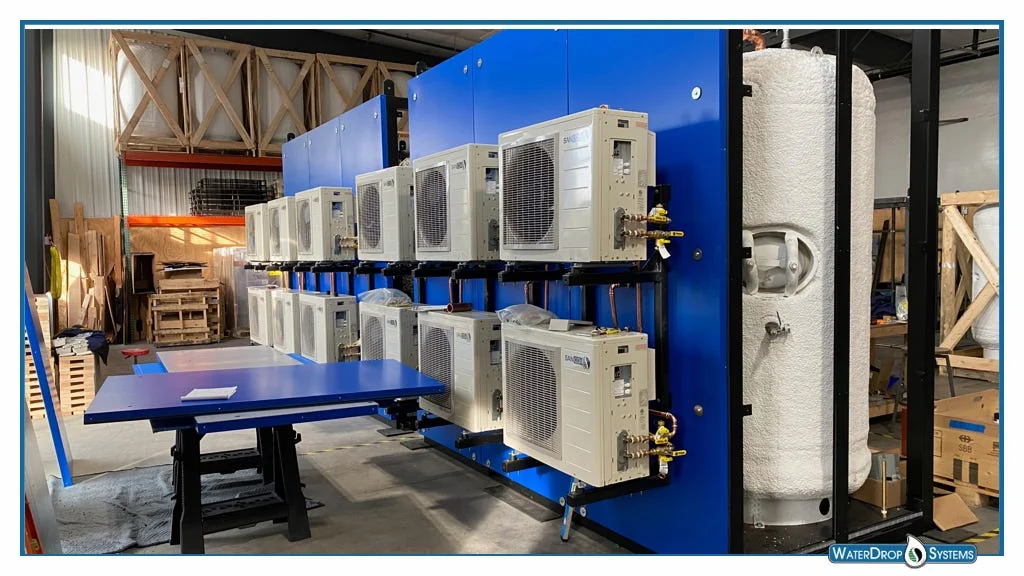
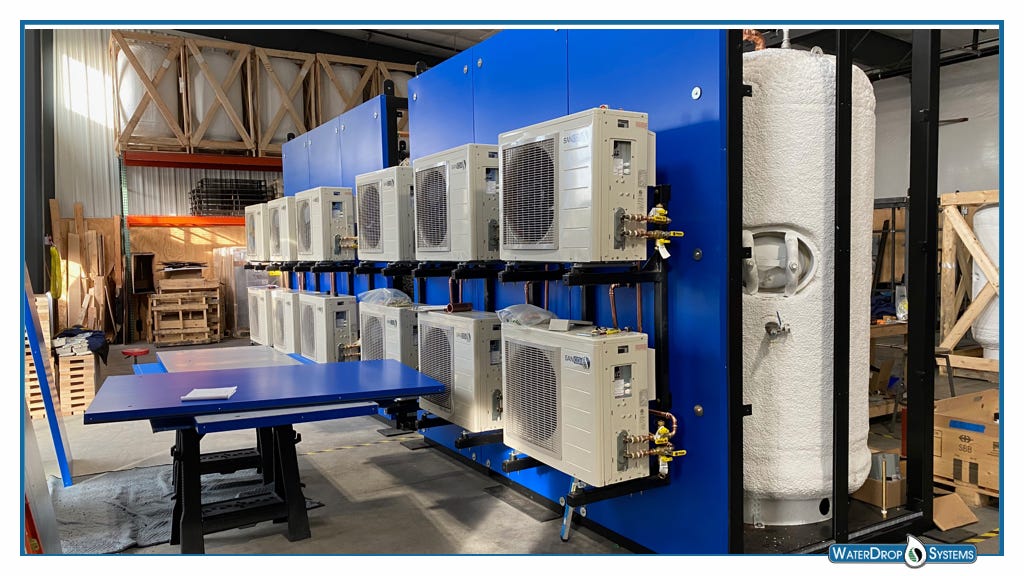
Modern packaged systems, such as those demonstrated by Water Drop Solutions, are changing this paradigm. These units are assembled, plumbed, and tested within a controlled laboratory environment before being delivered to the construction site as a complete, "skid-mounted" module. By eliminating the need for complex on-site assembly, developers can reduce installation time by as much as 40 to 60 percent. Albert Rooks of Water Drop Solutions emphasized that the "plug-and-play" nature of these skids allows for seamless integration into existing building mechanical rooms, significantly reducing the risk of human error during the installation phase.
Conversely, "specified" systems—custom-engineered solutions designed for buildings with severe space constraints—remain a vital alternative. Companies like Lync are leading the charge in this sector, providing systems that can be shipped in components and assembled on-site. This flexibility is essential for retrofit projects in urban centers where mechanical rooms may be undersized or access points, such as doors and hallways, prevent the entry of large, pre-assembled skids.
The Financial Catalyst: Overcoming Upfront Barriers
While the operational savings of HPWH systems are well-documented, the high initial cost remains the single greatest impediment to widespread adoption. To address this, the industry is experimenting with three distinct financial models: on-bill financing, leasing, and incentive braiding.

On-bill financing, advocated by representatives from Bradford White, allows utility companies to provide the capital for an HPWH upgrade, with the cost being recovered through a small, manageable charge on the building owner’s monthly utility bill. This model shifts the financial burden away from the upfront investment and aligns it with the operational savings generated by the new equipment.
Leasing, a model popularized by firms like Palmetto, offers an even more robust solution. By treating hot water as a service rather than a capital asset, property managers can avoid the high initial investment entirely. These leases often include comprehensive maintenance and remote monitoring, ensuring that the system operates at peak efficiency throughout its lifecycle.
Perhaps the most aggressive approach is the "braiding" of incentives, a strategy being deployed by Carbon Zero Buildings in the California market. By aggregating federal tax credits, state-level energy rebates, and local utility incentives, developers can frequently reduce the net cost of installation to zero. This "stacking" of financial instruments has proven highly effective, resulting in a surge of installations in regions with high energy costs and strong climate commitments.
The New Generation of Hardware: Product Innovations
The manufacturing sector has responded to these market demands with a wave of new product releases that emphasize both capacity and performance. The recent industry showcase highlighted several key technological breakthroughs:
- Daikin’s Mega Q: This system utilizes a cascading design that eliminates the need for electric resistance backup. By layering the heat exchange process, the system can achieve high-output temperatures required for commercial applications without sacrificing the efficiency gains of heat pump technology.
- Eco2Systems’ 40 kW Unit: Designed for high-density environments, this unit consolidates the capacity of eight to ten individual heat pumps into a single, streamlined chassis. This reduces the footprint of the mechanical room and simplifies the plumbing architecture required for large buildings.
- Rheem’s Torin: Demonstrating the versatility of modern engineering, the Torin model is capable of both domestic hot water heating and hydronic space heating. By utilizing an inverter-driven compressor, it can modulate its output based on demand, allowing for high efficiency even during periods of low usage.
- Nyle’s Velo System: Specifically engineered for the retrofit market, the Velo is designed to fit through standard doorway dimensions. It supports both single and multipass configurations, offering a degree of versatility that is critical for older buildings undergoing deep energy retrofits.
Implications for the Built Environment
The implications of these advancements are profound. According to recent data from the Department of Energy, the commercial building sector accounts for approximately 18 percent of total U.S. energy consumption. Water heating is a significant portion of this usage, particularly in the hospitality and multi-family sectors.
By moving away from combustion-based water heating, building owners are not only lowering their carbon footprint but are also insulating themselves against the volatility of fossil fuel prices. Furthermore, the shift toward electric-based water heating creates a more resilient grid. When managed through smart controls, these systems can act as "thermal batteries," storing hot water during periods of high renewable energy production and reducing the strain on the electrical grid during peak demand.
Challenges and Future Outlook
Despite the momentum, challenges remain. The industry must continue to address the training gap; while the technology has matured, the workforce requires specialized skills to design, install, and maintain these complex systems. Furthermore, the performance of HPWHs in colder climates—where the ambient heat source is less abundant—remains a subject of intense focus. Engineering teams are currently refining high-temperature heat pump cycles that can maintain efficiency even in sub-zero temperatures.
As Heat Pump Water Heater Week continues, the focus is expected to pivot toward policy advocacy and the role of municipal building codes in mandating these technologies for new construction. The transition is no longer a matter of technological feasibility; it is now a matter of scale and implementation. With manufacturers producing more efficient, modular, and affordable products, and with financial models becoming increasingly creative, the central heat pump water heater is poised to become the standard for modern, sustainable infrastructure. The industry’s ability to sustain this growth will be the definitive factor in the broader effort to decarbonize the built environment by 2050.