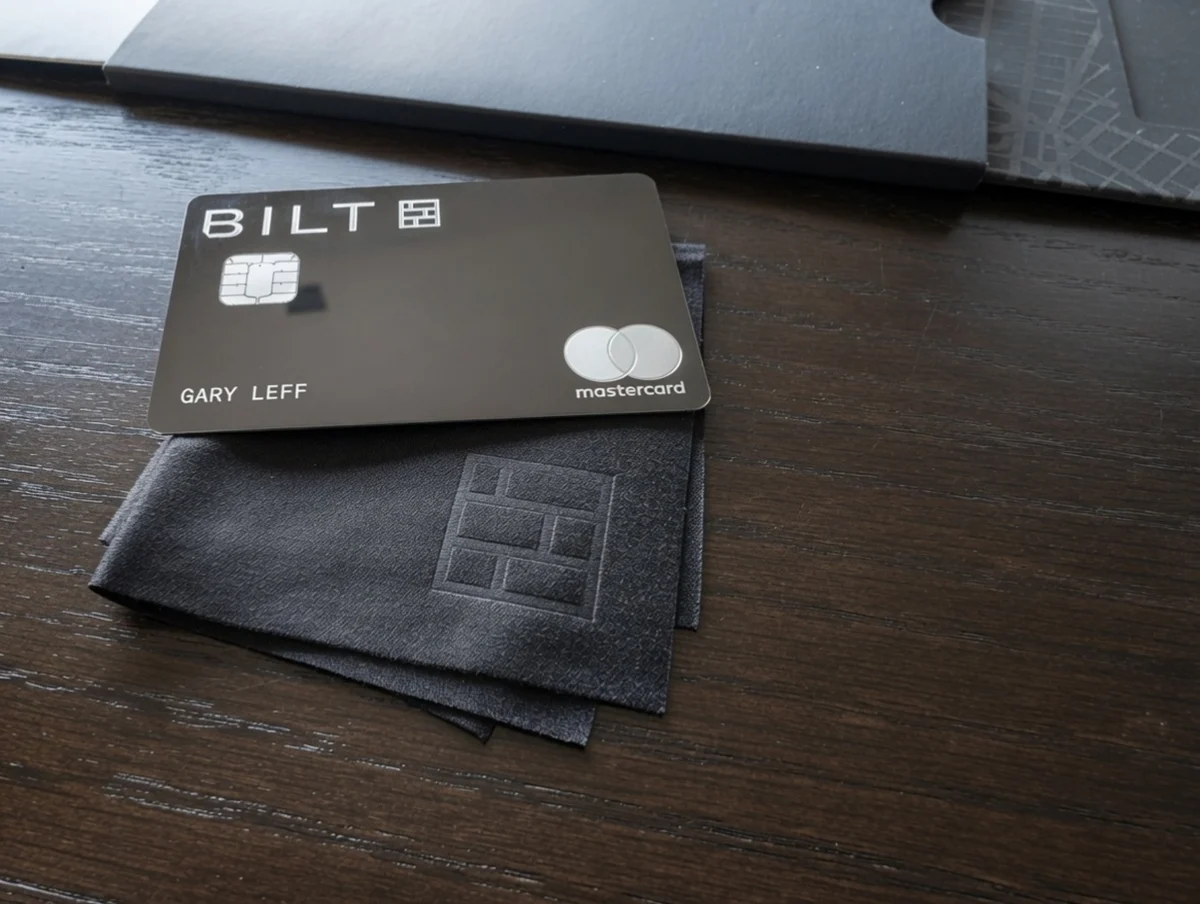
Bilt Rewards, the loyalty program known for allowing renters to earn points on monthly housing payments, has officially announced a transition in its credit card reward structure. The company is shifting its standard earning model toward a new system centered on Bilt Cash, a move that alters how users accrue value on non-rent spending. While the transition will eventually become the default for all cardholders, the company has provided a grace period for existing members and new applicants to retain the legacy rewards structure, provided they take proactive action before the end of the calendar year.
The Evolution of the Bilt Rewards Program
Since its inception, Bilt Rewards has sought to disrupt the credit card industry by addressing a significant gap in the loyalty market: the inability to earn meaningful rewards on rent payments. By partnering with property management companies and utilizing a proprietary payment system, Bilt enabled users to earn points on their largest monthly expense without the traditional transaction fees typically associated with credit card rent payments.
Historically, the Bilt Mastercard has offered a unique value proposition, balancing the ability to earn points on rent with a standard points-earning structure for dining, travel, and other daily purchases. As the program has scaled, Bilt has frequently adjusted its benefits to align with changing market conditions and its broader ecosystem of travel and lifestyle partners. The latest update, which emphasizes Bilt Cash, represents a strategic pivot toward a model that prioritizes flexible spending rewards over traditional point-based multipliers on certain categories.
Understanding the Structural Change
The core of the shift involves moving away from the legacy structure—where cardholders earned a fixed number of points per dollar spent across various categories—toward a model that emphasizes Bilt Cash. For many users, the legacy system allowed for predictable point accrual, which was particularly valuable for those who transferred points to airline and hotel loyalty programs.
Under the new model, users will see changes in how their spending habits translate into rewards. While Bilt has suggested that high-volume spenders may actually find more value in the Bilt Cash model, the transition is not uniform for all users. The primary distinction lies in how rewards are calculated on non-rent spending versus the accumulation of credits that can be applied to future housing obligations or other financial transactions.
For those who rely on the card to maximize travel point balances, the transition to Bilt Cash may require a recalibration of their earning strategy. However, the company asserts that for the average cardholder, the new structure provides a more streamlined and potentially lucrative path to offsetting their housing costs.
Chronology of the Transition
The timeline for these changes is structured to minimize disruption while ensuring that all users eventually migrate to the new model. The key dates and milestones for the transition are as follows:
- October 2026: Bilt officially announces the sunsetting of the legacy earning structure for all accounts.
- December 31, 2026: The deadline for existing cardholders and new applicants to "opt-in" to preserve the legacy earning structure.
- Ongoing: Cardholders retain the ability to proactively switch to the new Bilt Cash model at any time.
- Renewal Date: Once a cardholder reaches their annual renewal date, if they have not opted to preserve the legacy model or have previously opted into the new model, their account will automatically transition to the new structure.
It is critical for cardholders to note that the move to the new model is irreversible. Once a user migrates to the Bilt Cash structure, they cannot revert to the legacy system, making the decision-making process during this transition period a significant consideration for long-term loyalty strategy.
Analysis of Implications for Consumers
The decision to shift to a Bilt Cash-centric model has implications for how users manage their personal finances. For a significant portion of the Bilt user base, the card serves as a primary tool for liquidating rent payments into travel points. The legacy structure was optimized for high-value redemptions, such as business-class flights or luxury hotel stays, where the effective value per point often exceeds one cent.

The Bilt Cash model, by contrast, appears to lean toward a "cash-back-adjacent" experience. While Bilt Cash offers simplicity, it may not offer the same ceiling for value as the legacy points-earning system. Financial analysts suggest that users who engage in high-frequency spending on the card—outside of their rent—will be the most affected by this change. For these users, the opportunity cost of moving to the new system must be weighed against the convenience of having direct credits available for their rent or other expenses.
Furthermore, the requirement for users to manually opt-in to retain their current benefits places the burden of engagement on the consumer. This "opt-out" style of account management is increasingly common in the fintech space, designed to encourage users to review their account settings and engage with the latest features of the platform.
Strategic Rationale and Official Positioning
While Bilt has not released a granular breakdown of the specific profit-margin shifts driving this decision, industry observers point to the rising costs of loyalty program management. Credit card issuers are facing increased pressure from interchange fee regulations and the rising costs of travel partner point redemptions. By incentivizing a move toward Bilt Cash, the company may be looking to manage its long-term liability regarding travel rewards, which are traditionally more expensive to fund than cash-equivalent credits.
From a user-experience standpoint, Bilt maintains that the transition is intended to provide more flexibility. By allowing rewards to be applied directly to housing payments, the program reduces the barrier to entry for those who find the complexities of airline and hotel transfer partners to be an unnecessary hurdle.
Navigating the App-Based Opt-In Process
Bilt has integrated the opt-in process directly into its mobile application to facilitate a seamless transition for its user base. Cardholders can navigate to their account settings to view their current status and determine whether they wish to preserve the legacy structure.

To preserve the legacy model, users must access the designated section within the Bilt app before the end-of-year deadline. Given the irreversible nature of the switch, the company has provided clear visual prompts to ensure users are aware of the consequences of their choices. This digital-first approach aligns with Bilt’s identity as a modern, tech-forward financial services provider, though it necessitates that users remain vigilant regarding notifications from the platform.
Broader Impact on the Loyalty Industry
The changes at Bilt Rewards reflect a broader trend in the credit card industry, where issuers are constantly balancing the attractiveness of their rewards programs with the necessity of sustainable business models. As competition for younger, urban renters intensifies, Bilt’s ability to retain its user base while modifying its core value proposition will be a significant test of its brand loyalty.
For the wider ecosystem of credit card points and miles, this move serves as a reminder of the inherent volatility in rewards programs. Consumers are often cautioned that point valuations and earning structures are subject to change, and this update from Bilt is a prime example of why diversification of reward portfolios remains a best practice for savvy consumers.
As the industry moves into the next fiscal year, the market will be watching to see what percentage of the Bilt cardholder base chooses to retain the legacy structure versus those who embrace the new model. The data gleaned from this transition will likely influence future product developments and rewards configurations across the fintech sector. For now, the priority for all Bilt cardholders remains clear: assess your personal spending patterns, review the upcoming changes, and take the necessary steps before the December 31 deadline to ensure your rewards strategy continues to align with your financial goals.