In the quiet, rarefied atmosphere of the Starmus VIII festival held in Tenerife, Canary Islands, on October 18, Artemis II astronaut Victor Glover offered a perspective on space exploration that shifted the focus from technical triumph to profound human empathy. While the primary narrative of the historic April 2026 mission centers on the engineering prowess required to send four humans into the deep void of space, Glover’s reflection centers on a different, more terrestrial discovery: the "sea level effect." This philosophical framework challenges the common assumption that one must leave the atmosphere to appreciate the fragility and interconnectedness of life. Instead, Glover argues that the true mission of space exploration is to cultivate a renewed sense of wonder and kindness for the human experience here on Earth.
The Artemis II mission, which launched on April 1, 2026, represented the first crewed lunar voyage in over half a century. Following the conclusion of the Apollo program in 1972, humanity’s presence beyond low-Earth orbit had been effectively paused. The mission served as a critical precursor to the Artemis III lunar landing, testing the Orion spacecraft’s life support, navigation, and communication systems under the duress of deep-space radiation and isolation. Alongside Victor Glover, the crew included NASA astronauts Reid Wiseman and Christina Koch, and Canadian Space Agency astronaut Jeremy Hansen. Together, they ventured further from Earth than any previous human expedition, executing a complex "free-return" trajectory that swept them behind the moon, effectively severing their real-time contact with the billions of people they left behind.
A Chronology of Isolation and Return
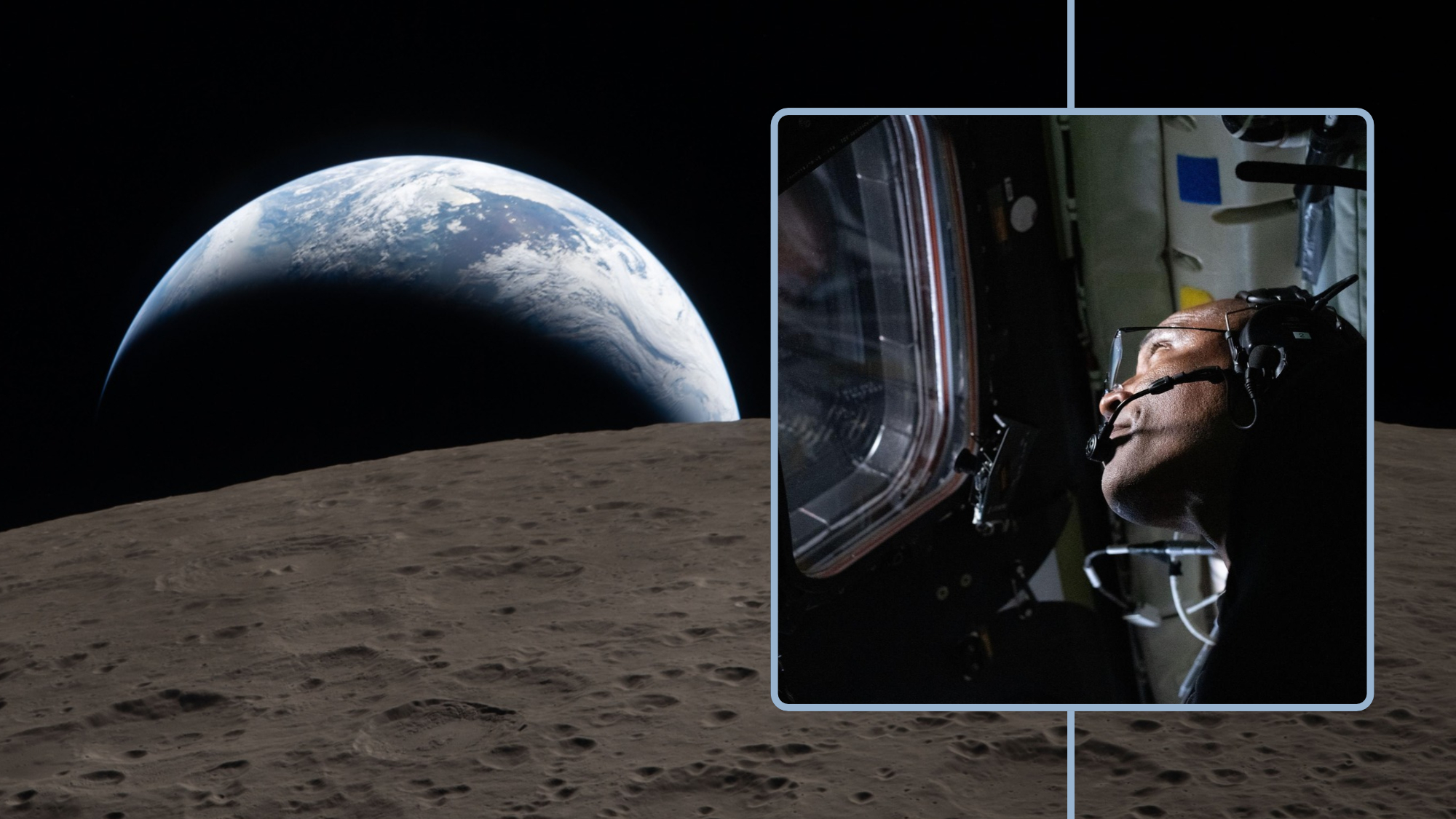
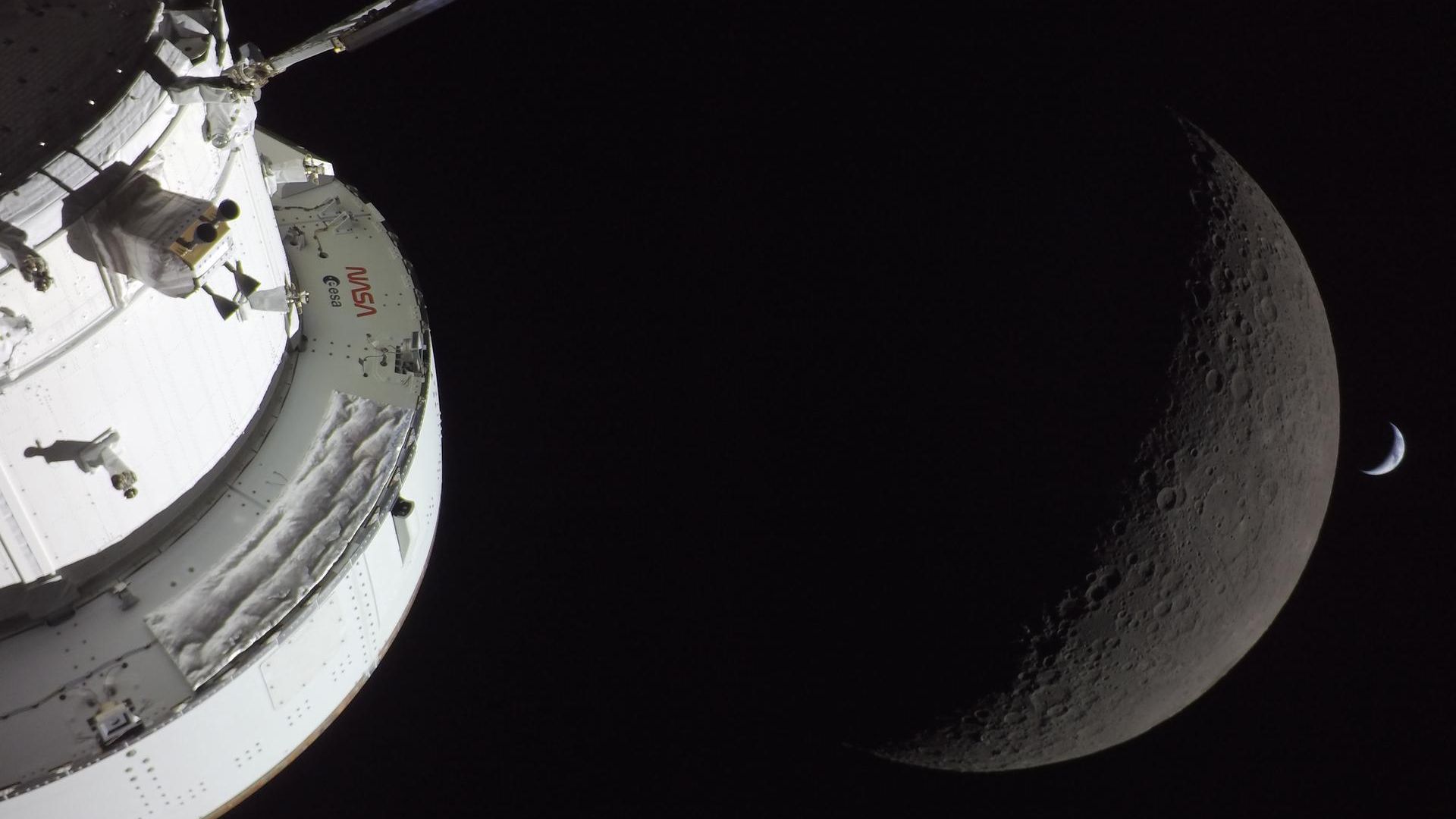
The mission timeline highlights the specific moment that fundamentally altered the crew’s perspective. As the Orion spacecraft passed behind the lunar farside, the crew experienced a 40-minute window of total radio silence. During this period, the Earth was physically obscured by the lunar mass. For the astronauts, this was not merely a loss of signal; it was a total severance from the collective human experience. When the spacecraft emerged from the lunar shadow, the sight of the Earth—appearing as a fragile, luminous crescent against the infinite black—served as a catalyst for what many spacefarers describe as the "Overview Effect."
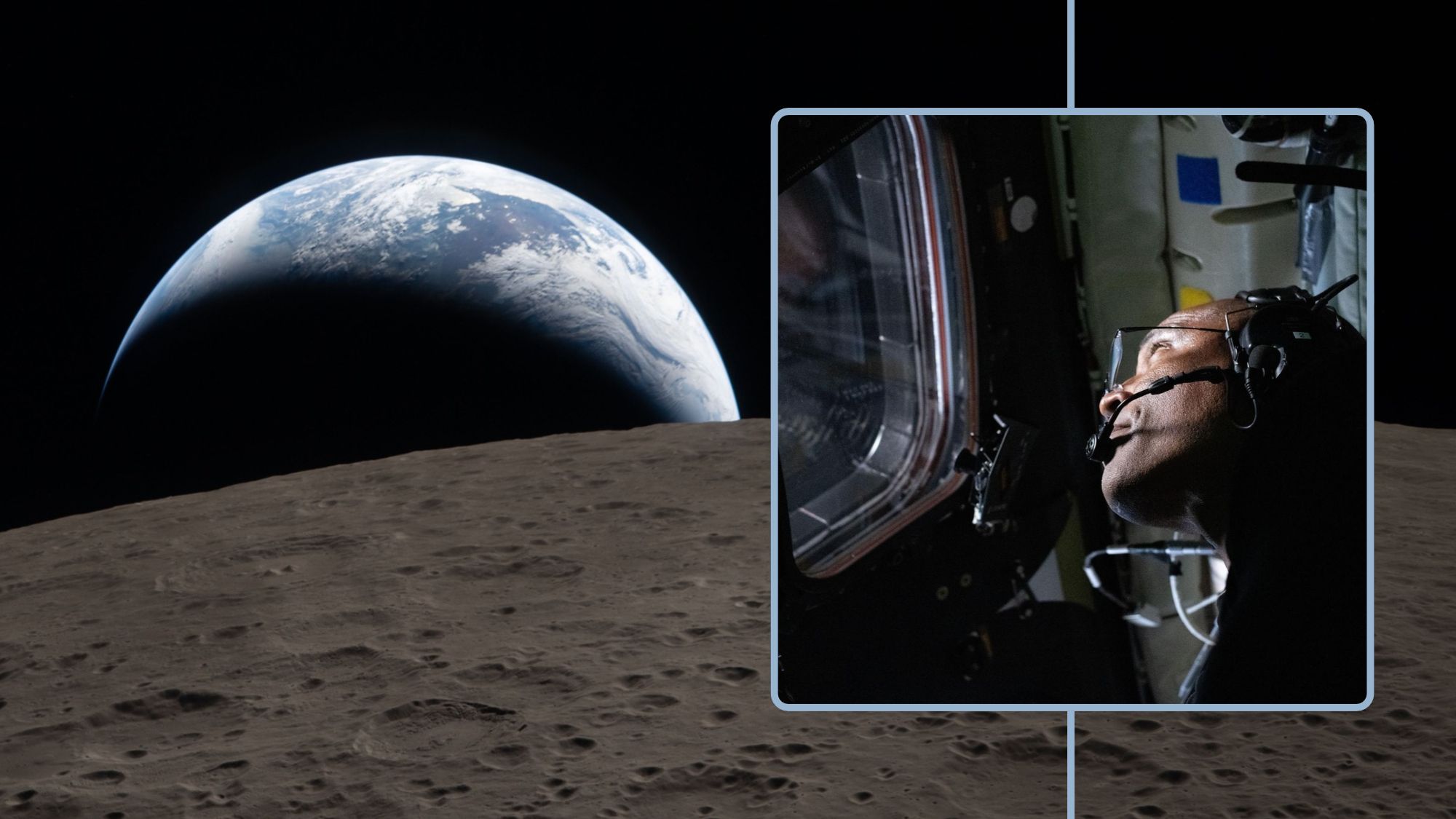
The Overview Effect is a well-documented cognitive shift reported by astronauts, characterized by a sudden, intense awareness of the planet’s borders as arbitrary and its atmosphere as paper-thin. However, Glover’s contribution to this discourse is the nuance of the "sea level effect." He posits that the intense isolation of deep space does not create a new type of human, but rather strips away the distractions of modern existence, leaving behind a raw, primal longing for social connection. When the crew finally regained contact with ground control and their families, the emotional weight of that reconnection was, according to Glover, the most significant achievement of the entire flight.
Scientific and Sociological Context
To understand the gravity of Glover’s reflections, one must consider the extreme environment of the Orion capsule. Unlike the International Space Station (ISS), which orbits roughly 250 miles above the surface, the Artemis II crew reached distances exceeding 240,000 miles. At this range, the psychological impact of distance is compounded by the lack of a "visible" Earth.
Psychologists and space medicine experts have long studied the effects of "Earth-out-of-view" phenomena. Data from NASA’s Human Research Program indicates that prolonged isolation can lead to "third-quarter phenomenon," a period of decreased morale and increased tension often occurring halfway through a mission. By acknowledging his own desire for human connection at the moment of maximum isolation, Glover provides a rare, candid look at the psychological realities of deep-space travel—realities that will become increasingly critical as NASA and its international partners prepare for the multi-year missions required for human exploration of Mars.
Official Responses and the Legacy of Artemis
NASA’s broader objective with the Artemis program is not merely to return to the moon but to establish a sustainable presence that fosters international cooperation and scientific advancement. The agency has repeatedly emphasized that the program is designed to inspire the next generation of engineers, scientists, and explorers.
Reaction from the scientific community regarding Glover’s comments has been largely supportive. Experts in the field of space philosophy, such as those associated with the International Academy of Astronautics, argue that the "human element" of exploration is often undervalued in favor of technical metrics like payload capacity or fuel efficiency. By championing the "sea level effect," Glover effectively bridges the gap between high-stakes aerospace technology and the daily lives of people who will never leave the ground. This message aligns with NASA’s efforts to promote "STEM for All," aiming to make the benefits of space exploration—both in terms of technological spin-offs and philosophical perspective—accessible to the general public.
The Philosophy of the ‘Sea Level Effect’
Glover’s call to action is centered on the concept of "active observation." He contends that modern life, characterized by high-speed digital interactions and constant environmental noise, has led to a state of "familiarity-induced indifference." He cites the process of photosynthesis—the miraculous ability of a leaf to convert sunlight into the energy that sustains life—as an example of a miracle that humans overlook daily.
"We have to choose to be moved by these things," Glover remarked during his Starmus address. His proposed solution is a conscious recalibration of how individuals interact with their local environment. He suggests that the awe one feels looking at the Earth from the moon can be replicated by observing the natural world at home, provided the observer approaches it with intentionality rather than indifference.
Implications for Future Exploration
As the global space economy grows, with private entities and national space agencies vying for lunar resources and technological dominance, the tone set by astronauts like Glover becomes increasingly important. The implications of the Artemis II mission extend beyond the success of the Orion spacecraft; they speak to the character of the individuals chosen to represent humanity in the cosmos.
If the goal of the Artemis program is to expand the reach of civilization, then the preservation of human empathy becomes a primary mission requirement. Glover’s reflections suggest that the most challenging aspect of space exploration is not the physics of rocket propulsion or the thermodynamics of reentry, but the maintenance of one’s humanity while detached from the collective.
By grounding his experience in the desire to return to "other Earthlings," Glover has framed the future of space exploration as an exercise in humility. His words serve as a reminder that as we look outward toward the moon and beyond, the most valuable technology we possess is our capacity to recognize the inherent worth of our peers. Whether one is navigating a spacecraft around the lunar farside or managing the stressors of a daily commute, the capacity for wonder and the commitment to human connection remain the common threads that bind the human experience.
Conclusion: A Mission for the Future
The legacy of the Artemis II mission will likely be measured in two ways: the technical data harvested from the Orion spacecraft’s systems and the cultural shift initiated by the crew’s testimony. As we move closer to the 2030s, the era in which a human Mars landing becomes a plausible reality, the psychological framework provided by Glover will be essential.
The "sea level effect" is more than a metaphor; it is a pragmatic approach to living. By encouraging people to find the extraordinary in the ordinary, Glover is advocating for a more compassionate society—one that views the fragility of our planet not just as a visual spectacle from space, but as a reason to treat our fellow humans with greater care. As he aptly noted, the hardest place to recognize a miracle is in the people we see every day. Transforming that perspective is the next great frontier for humanity, a mission that requires no rocket, only a change of heart.