
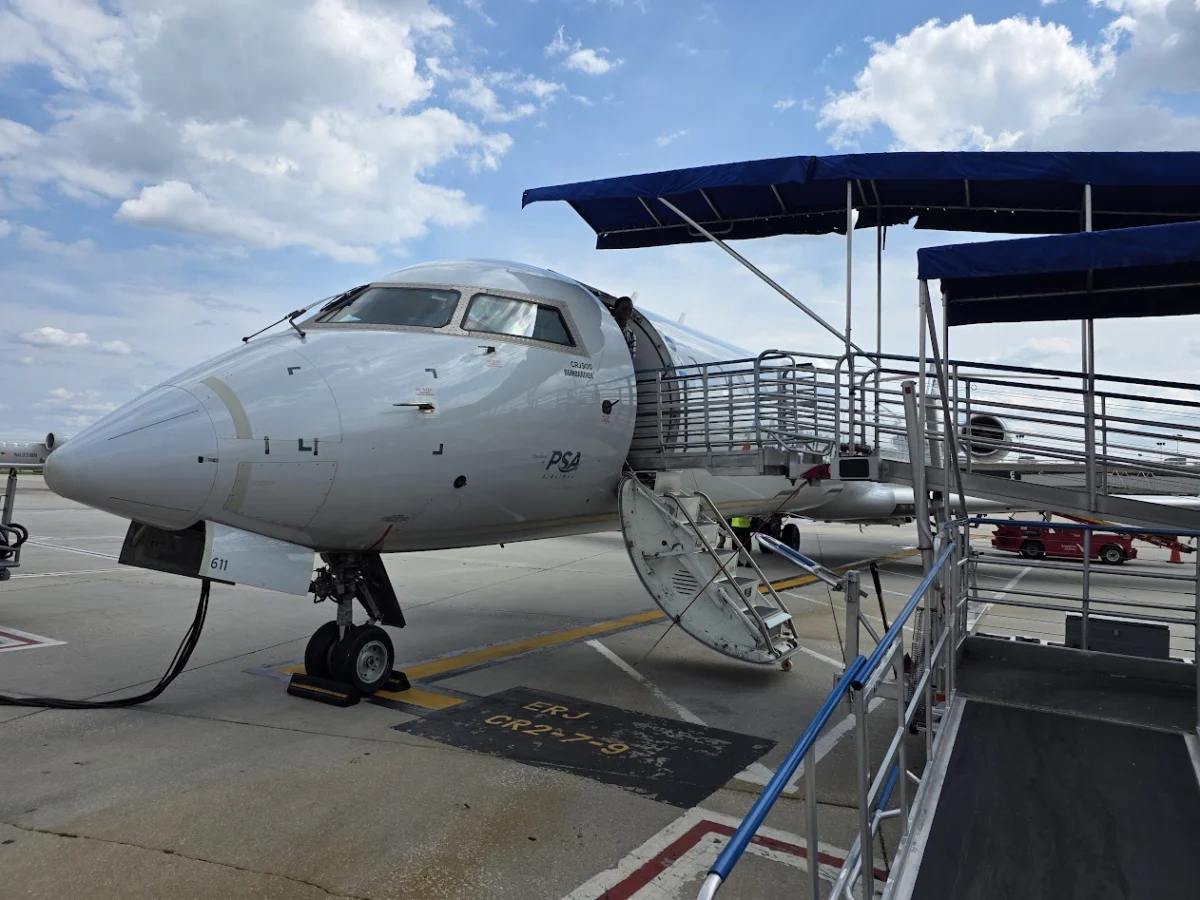
A viral rumor currently circulating across major social media platforms, including Reddit, X, and Facebook, alleges that approximately 120 airline pilots have been removed from flight status by the Federal Aviation Administration (FAA) due to the unauthorized use of passenger-facing in-flight Wi-Fi. The unsubstantiated claim asserts that investigators have begun issuing warrants for the seizure of personal mobile devices to verify browsing histories. Despite the widespread nature of these allegations, there is currently no verifiable evidence to support the occurrence of a mass grounding, the freezing of pilot certificates, or the execution of federal warrants related to this purported investigation.
The digital wildfire began with an anonymous screenshot, purportedly originating from a group text message chain, which claims that a regional carrier specializing in Bombardier CRJ operations based in the eastern United States is the primary subject of this investigation. The speculation has led to significant concern within the aviation community, forcing unions and industry observers to scramble to verify the legitimacy of the claims.
Chronology of the Allegations
The narrative gained traction in mid-September 2026, when screenshots of a speculative message regarding a "Wi-Fi witch hunt" began appearing in dedicated aviation forums, most notably the r/AirlinePilots and r/flying subreddits. The original poster of the Reddit thread acknowledged that they had no firsthand knowledge of the source or the specific airline involved, noting only that the information had been forwarded to them via a private group chat.
Within hours of the initial post, the rumor evolved to include specific allegations that pilots at an East Coast-based regional airline had been grounded, and that their professional certificates were under review by the FAA. As the story spread to Facebook and X, users began identifying potential carriers that match the description—specifically those operating fleets of CRJ-700 and CRJ-900 aircraft. PSA Airlines, a wholly-owned subsidiary of American Airlines, became a primary focus of the speculation due to its significant operational footprint in the eastern U.S. and its large pilot workforce represented by the Air Line Pilots Association (ALPA).
Analysis of Operational and Legal Realities
From an industry perspective, the logistical implications of grounding 120 pilots at a single regional carrier would be immediate and severe. According to official data from the Air Line Pilots Association, PSA Airlines employs approximately 1,845 pilots. A sudden loss of 120 pilots—roughly 6.5% of the total workforce—would necessitate immediate, widespread flight cancellations and significant staffing disruptions. As of this report, no such operational collapse has been observed at any major regional carrier.
Furthermore, the legal process surrounding FAA enforcement actions makes the claims highly improbable in their current form. A Letter of Investigation (LOI) from the FAA does not constitute an immediate suspension of a pilot’s medical or commercial certificate. While an airline may choose to administratively remove a pilot from the flight schedule pending an internal investigation, the FAA follows a rigorous, multi-step process for certificate action. This includes formal notice, the right to legal counsel, and an extensive appeals process through the National Transportation Safety Board (NTSB) or federal courts. An "emergency order" to revoke certificates would require a documented, immediate threat to aviation safety, a high threshold that is typically reserved for egregious safety violations rather than personal device usage.
Regulatory Framework: Part 121 and Electronic Devices
The anxiety surrounding this rumor highlights the strict regulatory environment governing cockpit behavior. Under 14 CFR § 121.542, commonly known as the "Sterile Cockpit Rule," flight crewmembers are strictly prohibited from engaging in any activity that could distract them from their duties during critical phases of flight. The regulation goes further, explicitly forbidding the use of personal wireless devices or laptops during all Part 121 flight time, except for specific tasks related to the safe operation of the aircraft, emergency procedures, or company-approved employment duties.
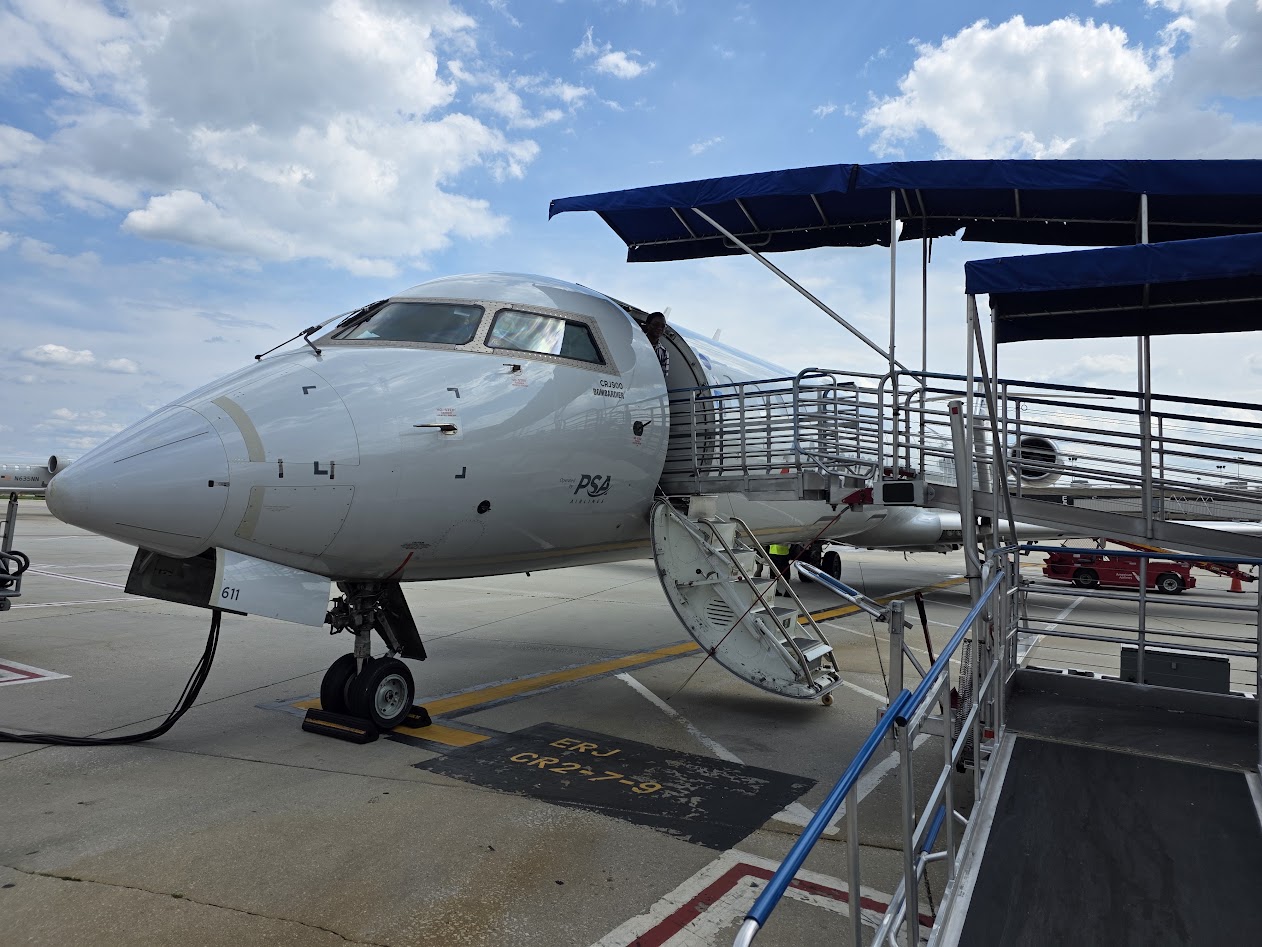
This regulation was significantly tightened in 2014 following high-profile incidents of cockpit distraction. In one notable case, two pilots became so engrossed in their personal laptops that they lost situational awareness, overflying their destination by approximately 150 miles. The FAA’s mandate is clear: the cockpit is a professional environment where situational awareness is paramount, and the use of passenger Wi-Fi for personal entertainment—such as streaming, social media, or web browsing—is a clear violation of safety protocols.
Industry Responses and Fact-Checking
Several pilot unions have moved quickly to address the rumors, informing their members that the claims of a mass investigation are false. Multiple comments in aviation-focused forums indicate that union representatives have sent formal communications to pilots at various carriers, explicitly stating that no such mass grounding or FAA-led "witch hunt" is occurring.
The incident serves as a modern echo of previous viral aviation hoaxes. In 2015, an image of an Etihad Airways technical logbook entry circulated online, listing a complaint about "in-flight Wi-Fi" because the pilot was allegedly unable to access social media, Tinder, and adult content websites. That document was later debunked as a prank, and the individual responsible eventually admitted to fabricating the log entry, which caused significant, unintended reputational damage to the pilot whose employee number was used in the post.
Broader Implications for Aviation Safety
While the current story appears to be an internet fabrication, it underscores a legitimate and ongoing concern for aviation regulators: the intersection of personal technology and cockpit discipline. As in-flight connectivity becomes a standard feature on commercial aircraft, the temptation for crew members to utilize these systems for personal use increases.
The FAA and airline operators utilize various forensic methods to monitor system usage, and unauthorized access to cabin Wi-Fi by the flight deck can be traced through server logs and connection metadata. Even if the current rumor is false, the fear it has generated among the pilot community serves as a potent reminder of the professional expectations placed on flight crews.
Conclusion
The claim that 120 pilots have been grounded due to Wi-Fi usage lacks any factual basis or corroborating evidence from official sources. The story bears the hallmarks of a "digital urban legend," propagated by anonymous social media accounts and amplified by the rapid nature of information sharing in the aviation enthusiast community.
Industry experts emphasize that while the FAA is rigorous in its enforcement of safety regulations, it operates through established legal channels that do not involve spontaneous, mass-scale removals of flight crews based on unverified internet claims. Pilots and industry observers are encouraged to rely on official communications from the FAA and their respective unions, rather than anonymous screenshots, to remain informed on regulatory matters. As of now, operations at all major regional airlines continue to function within normal parameters, and no evidence of a federal investigation of this magnitude has materialized.










Leave a Reply