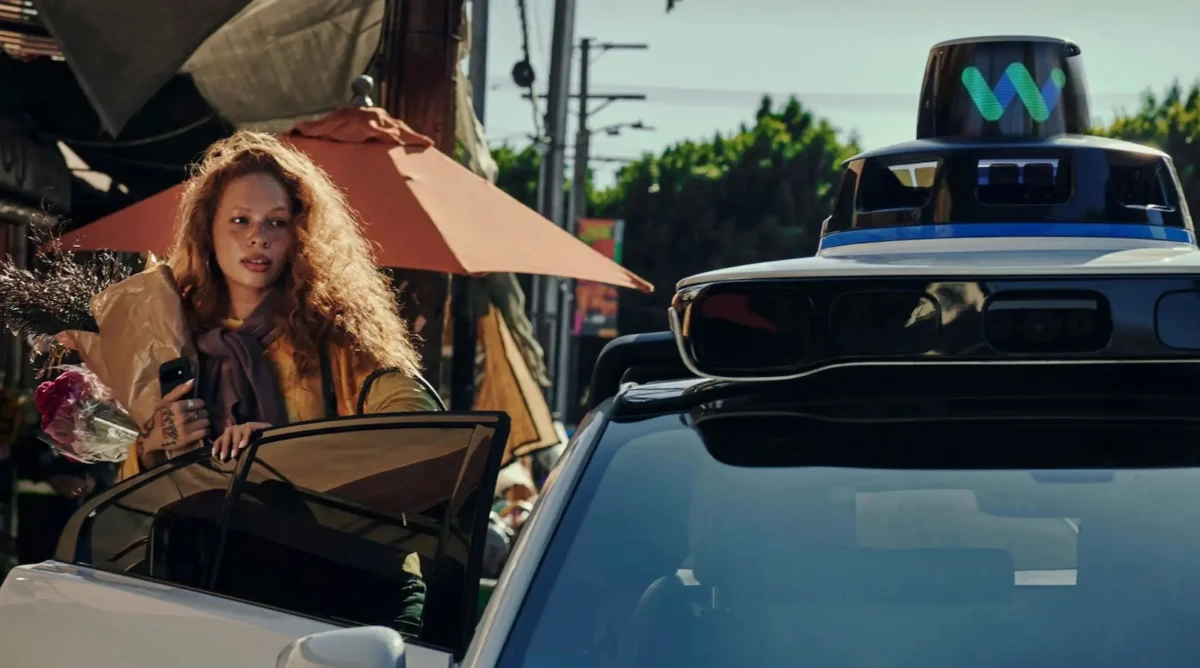
The daily routine of navigating urban environments often involves a complex, unspoken mental checklist for women. This routine frequently includes situational awareness assessments, the strategic use of mobile phones to simulate conversation, and the routine sharing of live GPS locations with friends or family. For many, transit is not merely a logistical necessity but a series of calculated risk-management decisions. Recognizing this reality, Waymo, the autonomous driving technology company, has launched a new initiative—headlined by a short film titled "Built for women. Designed for peace of mind"—that highlights how self-driving technology aims to mitigate these concerns by offering a private, controlled, and autonomous transit environment.
The Landscape of Urban Mobility and Personal Safety
For decades, urban planners and transportation researchers have documented a "safety gap" in public and ride-hail transit. According to a 2023 study by the International Transport Forum, women are significantly more likely than men to report feelings of insecurity when traveling at night, waiting for transport, or sharing vehicles with strangers. This anxiety often leads to "trip chaining"—a pattern of travel where individuals avoid certain routes or times of day to minimize exposure to perceived risks.
Waymo’s recent market research aligns with these broader societal findings. Internal data released by the company indicates that over 50% of female riders in its established service areas report that the autonomous nature of the service improves their overall sense of personal safety. By removing the presence of a human driver—a variable that can introduce unpredictability or discomfort—Waymo aims to provide a space where the rider maintains total autonomy over their environment.
A Chronology of Waymo’s Service Evolution
Waymo’s journey toward addressing rider experience began long before the launch of this specific campaign. The company’s trajectory highlights a shift from pure technological validation to a focus on the human-centric benefits of automation:
- 2009: Google begins the "Chauffeur" project, later to become Waymo, with the goal of mapping and navigating complex urban environments.
- 2018: Waymo launches its first fully autonomous commercial ride-hailing service in the Phoenix, Arizona, metropolitan area, branded as Waymo One.
- 2020–2022: Expansion into San Francisco and Los Angeles marks a significant move into dense, complex urban environments where transit safety concerns are more pronounced among the general public.
- 2023–2025: As the fleet size increases, the company shifts focus toward user-experience research, specifically targeting rider demographics to understand how autonomous transit influences behavioral patterns.
- 2026: Waymo releases its latest campaign, focusing explicitly on the gendered experiences of mobility and the psychological benefits of removing human drivers from the ride-hail equation.
The Role of Creative Collaboration
To communicate this message, Waymo opted for an entirely women-led creative and production team. The film, which serves as the centerpiece of the initiative, was directed by Mollie Mills. The production benefited from the cinematography of Autumn Durald and was overseen by executive producer Onye Anyanwu, with editing by Mah Ferraz and a soundtrack curated by music producer Shakari “Trakgirl” L.

By prioritizing female voices in the storytelling process, Waymo seeks to establish credibility with a demographic that has historically been underserved by traditional transportation models. The film emphasizes that the absence of a driver allows for a "personal sanctuary" where riders can engage in work calls, listen to music, or enjoy complete silence without the need for social performance or hyper-vigilance.
Analysis: Implications for Autonomous Transportation
The implications of this shift in focus are twofold: they speak to both the marketing strategy of autonomous vehicle (AV) companies and the broader potential of technology to solve sociological problems.
From a marketing perspective, Waymo is differentiating itself from traditional ride-hailing services like Uber or Lyft. While those platforms rely on human contractors, Waymo’s primary value proposition in this campaign is the "zero-human" experience. By marketing the absence of a driver as a feature rather than just a technological milestone, Waymo is addressing a specific pain point—personal security—that competitors cannot easily replicate without significant investment in vehicle design and automation.
From a sociological perspective, the data suggests that technology can be a catalyst for behavioral change. If urban residents feel safer in autonomous vehicles, the adoption rates for these services may accelerate, particularly among demographic groups that have historically opted for private vehicle ownership as a defensive measure. This could eventually lead to a reduction in the total number of private cars on the road, as the perceived safety risks of "shared" transport are lowered by the removal of the human driver.
Broader Societal and Economic Impacts
The move toward autonomous, private-space transit has potential long-term effects on urban planning. If riders feel they can work, rest, or relax safely, the car becomes an extension of the home or office. This shift could redefine how urban centers are designed, potentially reducing the need for extensive parking infrastructure if residents feel confident in the reliability and safety of autonomous ride-hailing.
Furthermore, the economic impact of such a shift could be substantial. The "mental energy" mentioned by Waymo’s Chief Marketing Officer, Suzanne Philion, refers to the cognitive load associated with navigation and personal security. By alleviating this, companies may find that riders are willing to pay a premium for the convenience of an autonomous, private environment.

However, challenges remain. Critics of autonomous vehicles point to the need for rigorous safety standards, regulatory oversight, and the potential for these services to exacerbate traffic congestion if not managed correctly. Moreover, the accessibility of these services remains limited to specific geographic "geofences," meaning that the benefits of this increased safety are currently only available to residents of high-tech, affluent urban corridors.
Future Outlook and Industry Responses
Industry analysts note that Waymo is currently at a critical juncture. Having successfully demonstrated that their vehicles can navigate complex city streets safely, the company is now attempting to build brand loyalty and trust. By aligning with social issues like women’s safety, Waymo is positioning itself as a company that is not just selling a ride, but a safer, more predictable way of living in a city.
While no direct competitors have launched a campaign with an identical focus, the industry is closely watching how consumer sentiment shifts. If Waymo’s campaign results in a measurable increase in ridership among women, it is likely that other autonomous vehicle developers, such as Cruise or Zoox, will follow suit with their own messaging regarding safety and user privacy.
In conclusion, the focus on the female transit experience marks a maturation of the autonomous vehicle industry. Moving beyond the "wow factor" of self-driving cars, the focus has shifted toward the mundane, daily reality of how people move. By acknowledging that a ride is rarely just a ride, and that the environment in which one travels is deeply linked to one’s peace of mind, Waymo is attempting to weave its technology into the fabric of daily life. The success of this initiative will ultimately depend on whether the company can maintain its technological reliability while continuing to earn the trust of its riders. As the technology continues to scale, the definition of a "safe" commute will likely continue to evolve, with autonomous vehicles positioned at the center of that transformation.