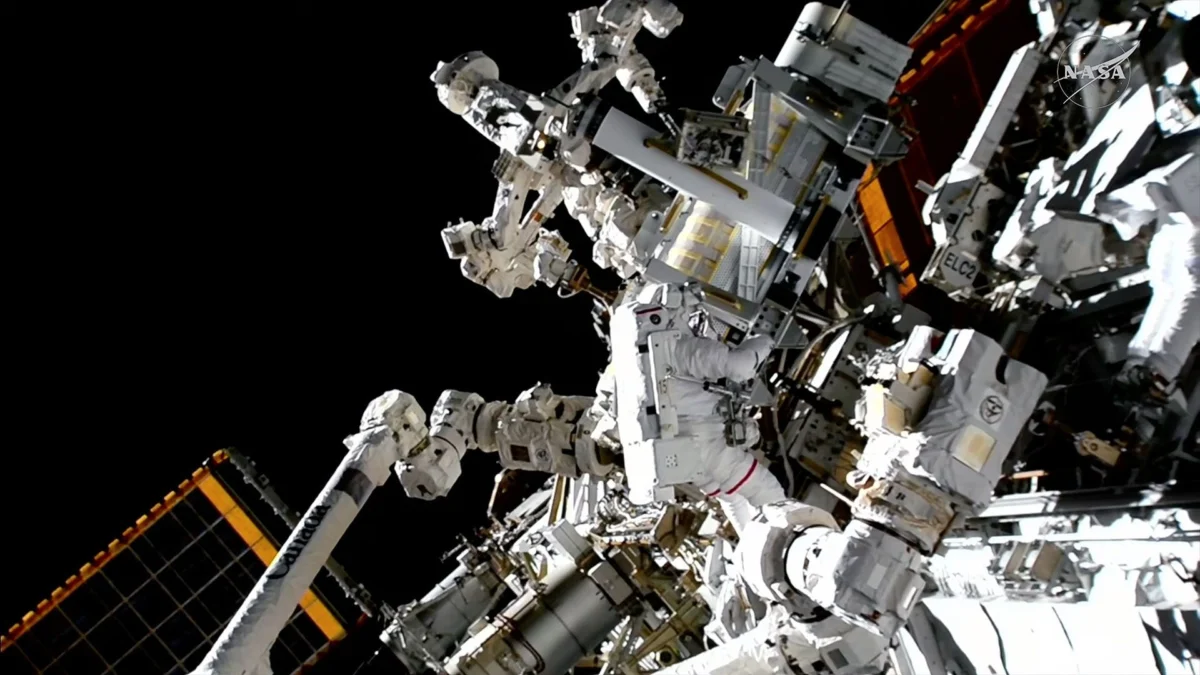
In a landmark achievement for orbital infrastructure, the International Space Station (ISS) has officially reached a critical milestone in its energy capacity. On November 5, 2026, NASA astronaut Anil Menon and Canadian Space Agency (CSA) astronaut Joshua Kutryk successfully deployed the eighth and final International Space Station Roll-Out Solar Array (iROSA). This complex operation, executed during a nearly seven-hour spacewalk, marks the conclusion of a multi-year project designed to modernize the station’s aging power grid and ensure robust energy levels through the facility’s planned decommissioning at the end of the decade.
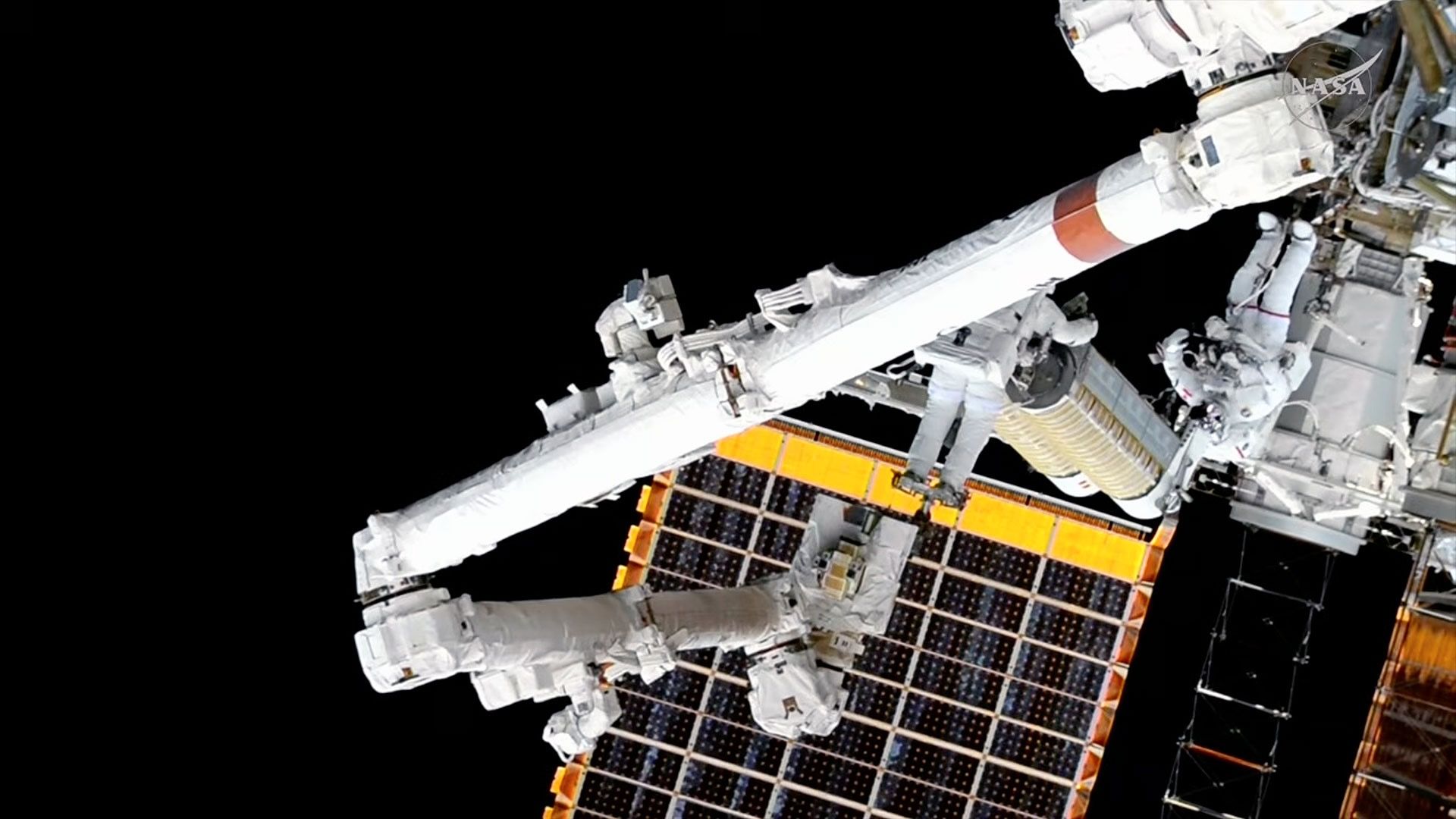
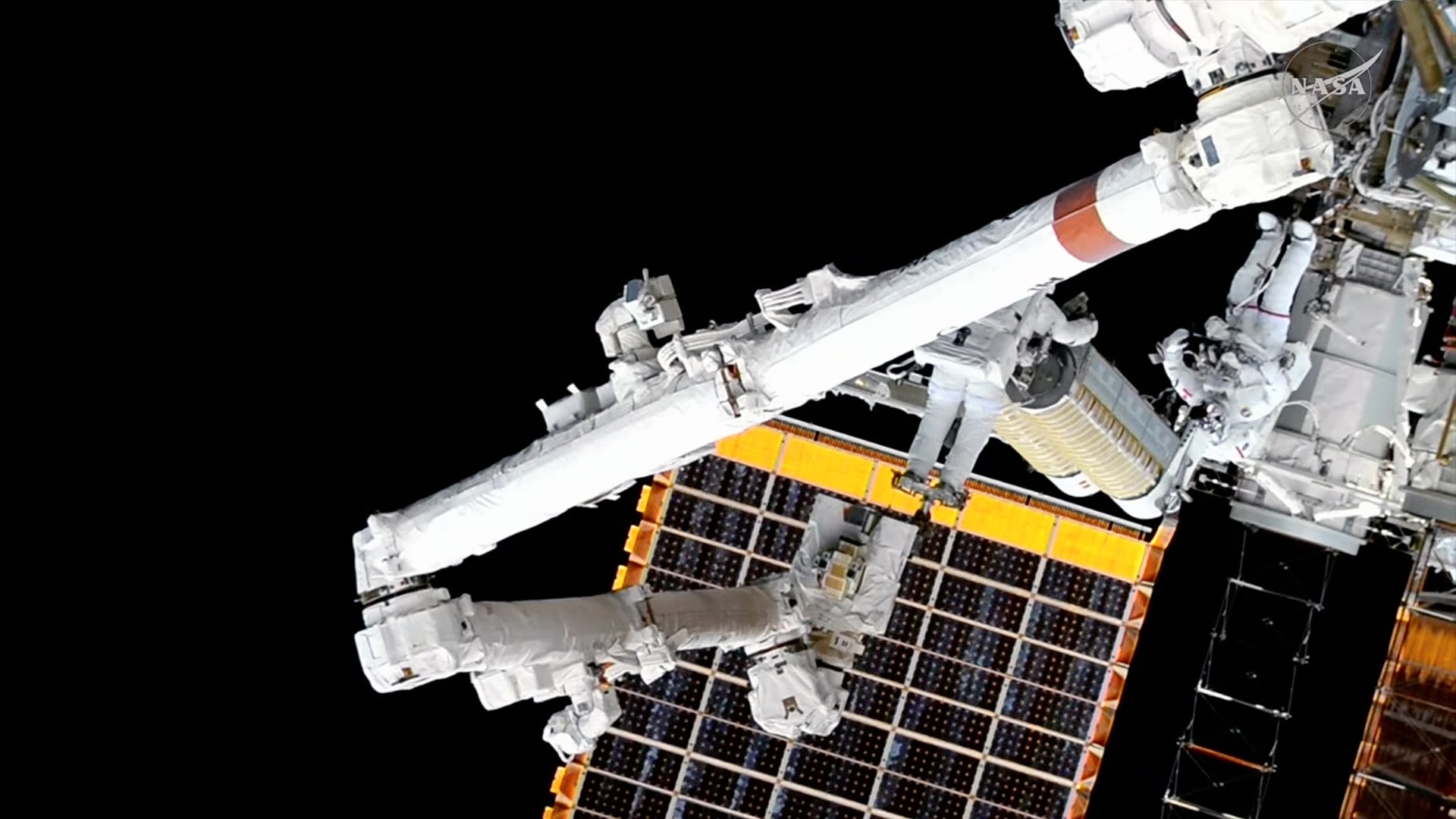
The extravehicular activity (EVA) commenced at 8:36 a.m. EST, with the two flight engineers working on the station’s starboard backbone truss. The task involved maneuvering a 750-pound (340-kilogram) solar array assembly from its temporary storage pallet to its final mounting position using the station’s Canadarm2 robotic arm. The successful deployment of this final unit signifies the completion of a massive logistical and engineering effort that began in June 2021, transforming the station’s power-generating capabilities for its remaining years in orbit.
A Legacy of Power and Technical Evolution
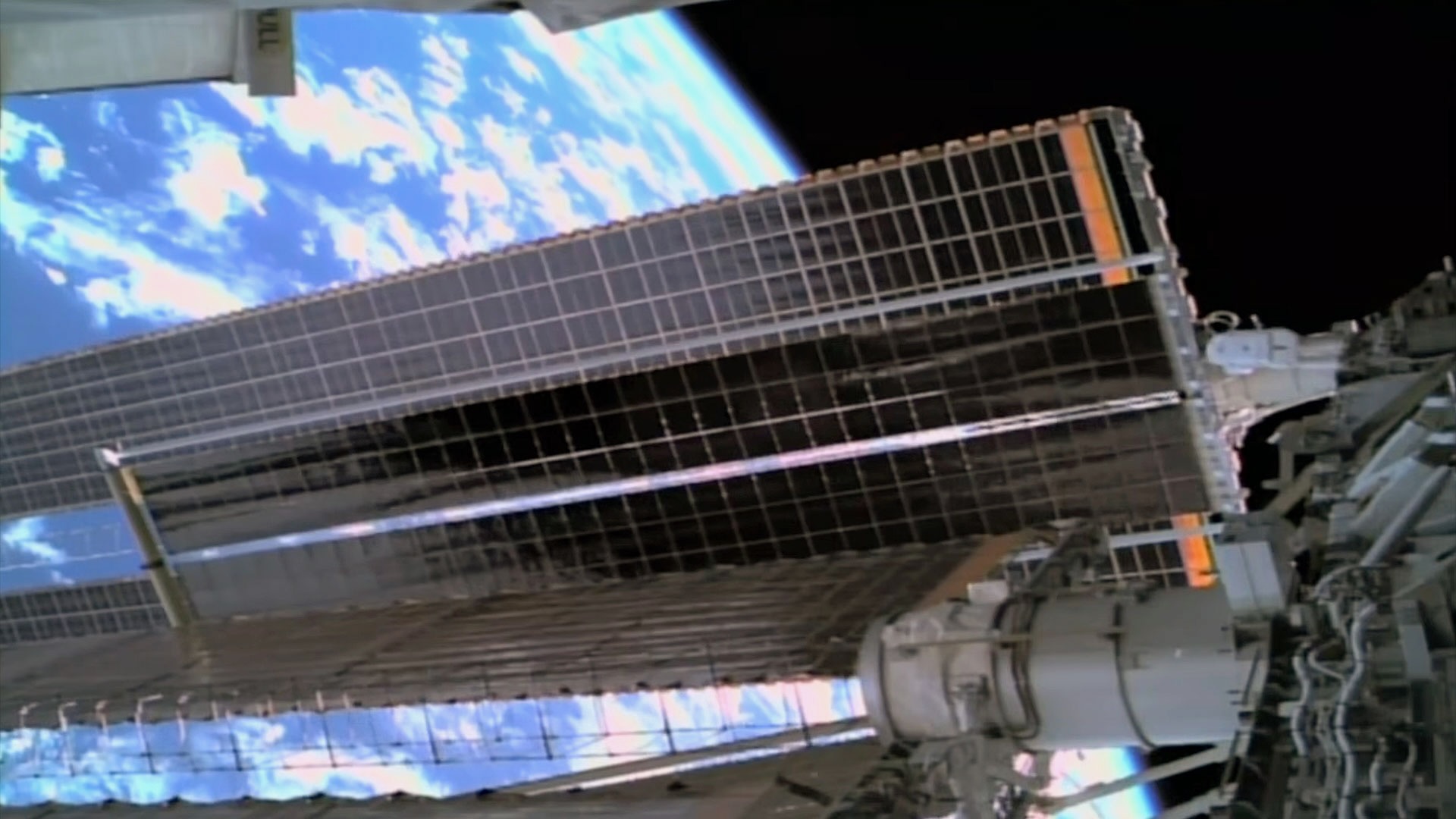
The original solar arrays, which have served the ISS since the early 2000s, were designed with a 15-year operational lifespan. As the station moved well beyond this threshold, the arrays began to exhibit expected signs of degradation, including reduced efficiency and increased fragility. To prevent a power deficit that could jeopardize scientific research and life-support operations, NASA initiated the iROSA project.
Unlike the rigid, heavy panels of the original solar arrays, the iROSA units utilize a flexible, roll-out technology. These arrays are significantly more compact when stowed, allowing them to be transported in the trunk of a SpaceX Dragon cargo spacecraft. Once deployed, they unfurl using the inherent potential energy stored in carbon composite booms, requiring no motorized deployment mechanisms. The new arrays are roughly half the size of the original wings but are capable of producing nearly 40% more power. By augmenting the existing system rather than replacing it entirely, the iROSA project effectively revitalized the station’s power channels, ensuring the ISS remains a viable laboratory through 2030.
Chronology of the iROSA Integration
The deployment of the final array on November 5 was the culmination of a rigorous, phased installation strategy spanning over five years. The deployment schedule highlights the international cooperation essential to the station’s maintenance:
- June 2021: The first pair of iROSAs were installed on power channels 2B and 4B by NASA astronaut Shane Kimbrough and ESA astronaut Thomas Pesquet.
- December 2022: NASA astronauts Josh Cassada and Frank Rubio successfully deployed the arrays for the 3A and 4A power channels.
- June 2023: NASA’s Steve Bowen and Woody Hoburg expanded the grid further by installing arrays on the 1A and 1B channels.
- October 2026: Menon and Kutryk performed the penultimate spacewalk to install the seventh array, setting the stage for the final installation.
- November 5, 2026: The eighth and final array was successfully locked into position on the 3B channel, concluding the augmentation project.
Navigating Technical Challenges in Orbit
The final EVA was not without its complications. During the installation phase, flight controllers in Mission Control observed an unexpected reading—the system reported only half of the anticipated shunt current. This anomaly was a significant concern, as the array’s electrical health is paramount to the mission’s success. Nichole Stilwell, serving as the spacewalk officer, instructed the crew to pause operations while the team on the ground investigated the potential connectivity issues.
Safety protocols dictate that no electrical connections be adjusted while the solar arrays are exposed to direct sunlight, which generates immediate voltage. The astronauts waited for the ISS to transition into the Earth’s shadow, allowing for a safer environment to inspect the cabling. During this wait, the crew focused on housekeeping tasks, including cleaning the worksite and parking the Canadarm2. Once the station moved into the eclipse phase, ground teams diagnosed the issue, and the crew was able to resolve the connection fault. Upon returning to the sunlit side of the orbit, the telemetry showed optimal shunt currents, providing the "go" signal for final deployment.
Engineering Success and Future Implications
The final deployment process was a display of mechanical precision. Once the restraint bolts were released, the solar array unfurled to its full 19-meter (63-foot) length in approximately 10 minutes. This autonomous unfolding, driven solely by the energy stored in the booms, demonstrated the efficiency of the iROSA design.
The completion of this project holds profound implications for the final years of the ISS. The station currently supports a diverse array of microgravity research, from pharmaceutical development to advanced materials science, all of which require consistent, high-capacity electricity. With the power grid fully restored and augmented, the ISS is well-positioned to maintain its current scientific output until its scheduled controlled deorbit in late 2030.
Furthermore, the techniques refined during these eight spacewalks have provided NASA with invaluable data regarding deep-space infrastructure maintenance. The experience gained in handling large, flexible hardware in a vacuum will inform the development of future space stations, including the Lunar Gateway and commercial low-Earth orbit outposts.
Official Recognition and Human Achievement
As the spacewalk concluded, the achievement was celebrated by ground control as a milestone for the entire international community. "It is fitting that we just surpassed 26 years of constant human presence on the International Space Station," said Stilwell in a transmission to the crew. "You all showed us what the best of humanity looks like, executing one of the most difficult and dangerous tasks humans do and making it look easy."
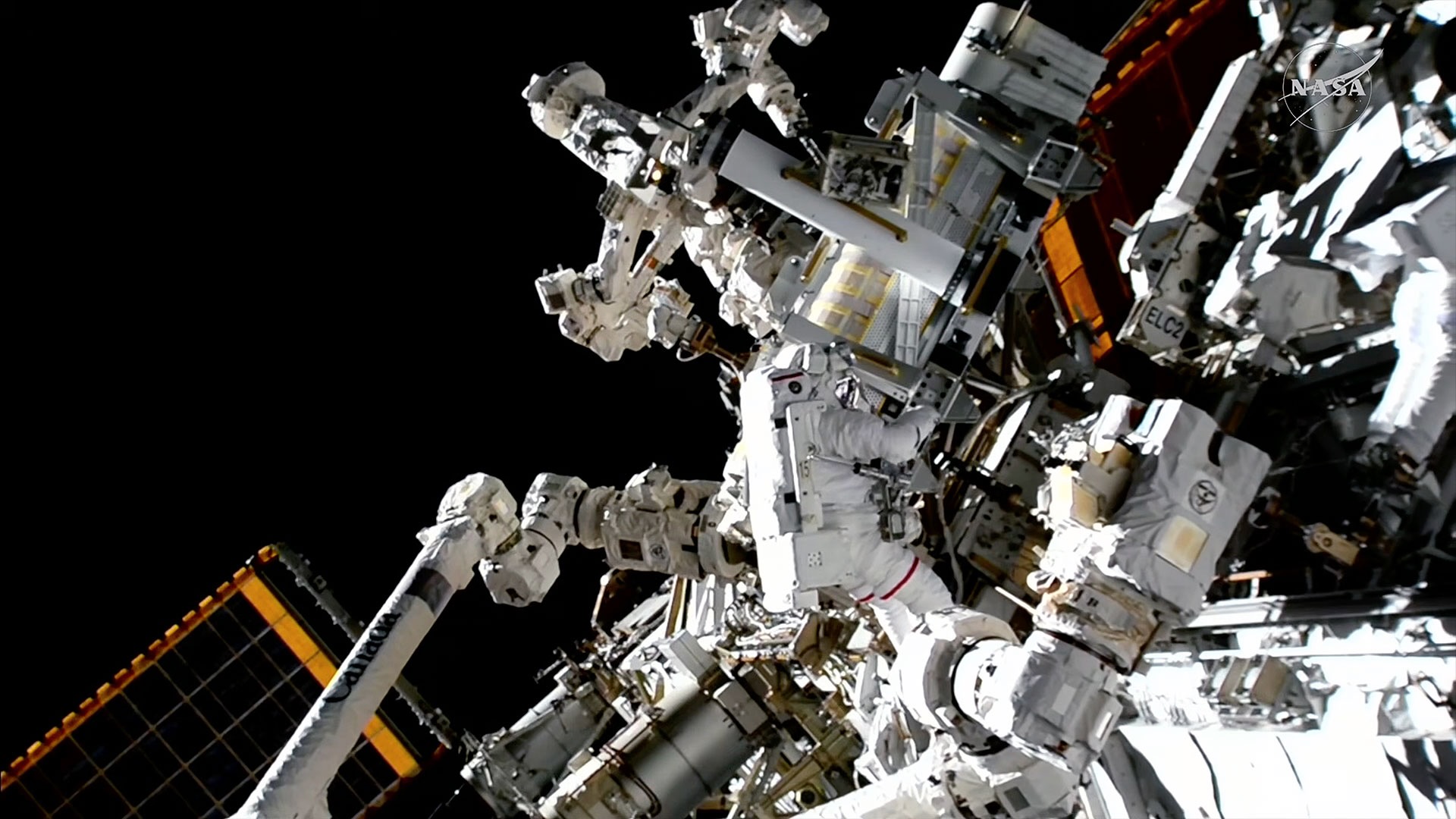
For Menon, the mission added another chapter to his growing experience in extravehicular activity, bringing his total time spent in a spacesuit outside the station to 33 hours and 30 minutes over four EVAs. Kutryk, having now completed two spacewalks, added 14 hours and 10 minutes to his record.
This mission represented the 101st U.S. spacewalk conducted at the ISS without the support of the Space Shuttle, underscoring the shift toward commercial and international partnership in orbital operations. As of November 2026, the total number of EVAs dedicated to station assembly, maintenance, and upgrades has reached 286.
The successful completion of the iROSA project serves as a definitive capstone to the station’s assembly and maintenance history. By securing the power grid for the final four years of the station’s life, the crew of Expedition 75 has ensured that the ISS will finish its mission as a fully operational, high-performance facility, providing a stable platform for the next generation of space explorers to transition toward the future of human presence in low-Earth orbit.