
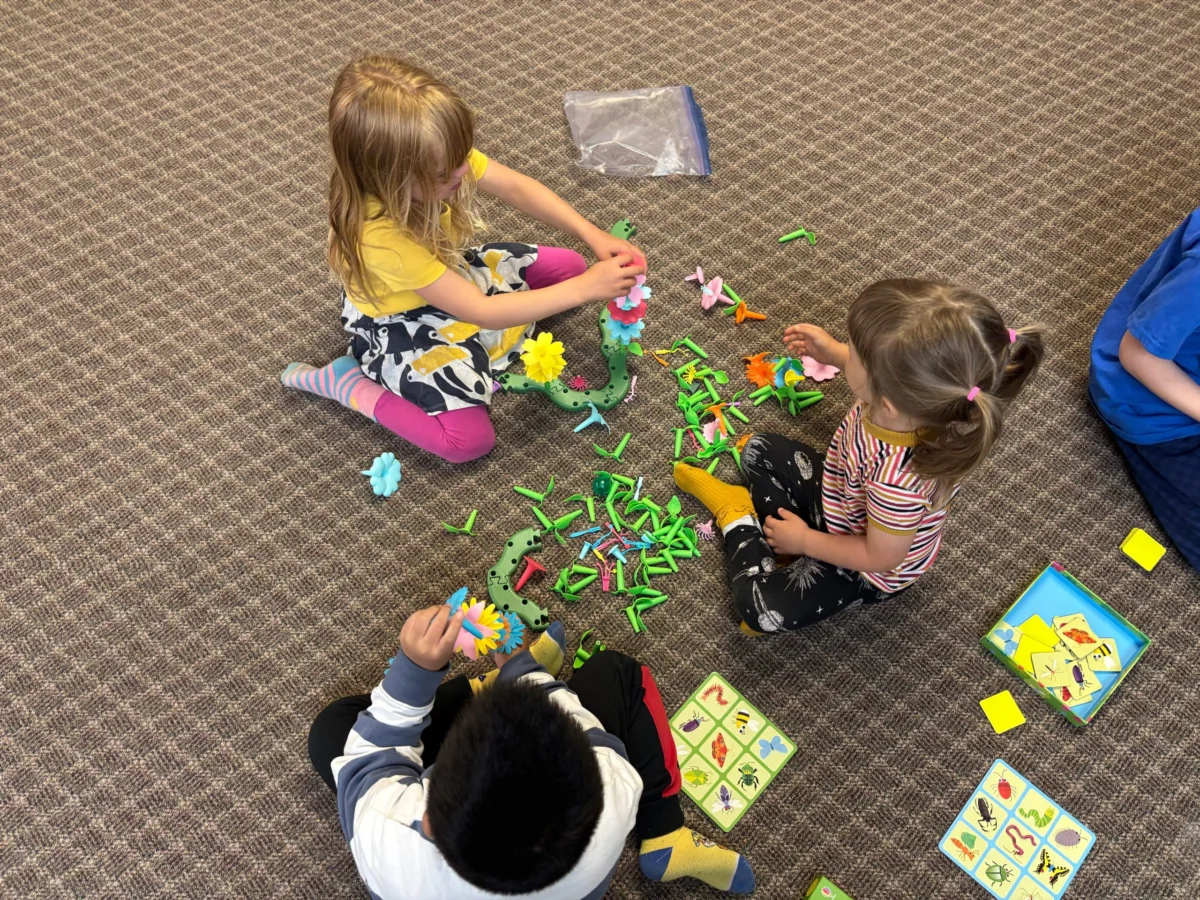
In the remote coastal town of Seward, Alaska, the intersection of economic survival and social infrastructure recently became the focal point of a unique urban experiment. Nestled on an inlet approximately two hours south of Anchorage, Seward—a community of 2,800 residents—faced a debilitating crisis that threatened its year-round stability: a chronic, systemic lack of licensed child care. This scarcity forced working parents to make impossible choices between professional advancement and family obligations, creating a "child care desert" that stifled the local economy.
The narrative of Seward’s transformation began in 2018, when local advocate Casie Warner, then a home visitor assisting low-income families, identified a recurring pattern of economic fragility. Parents were consistently unable to sustain full-time employment or attend essential medical appointments due to the absence of reliable childcare. As the town grappled with these challenges, it became clear that the issue was not merely a personal struggle for parents but a structural barrier to the town’s growth. The situation reached a breaking point in 2021, when a windfall of $1 million from Norwegian Cruise Line—part of a larger $10 million support package for Alaskan port communities affected by pandemic-related tourism declines—provided an unexpected catalyst for change.
The Chronology of a Crisis and Recovery
The economic landscape in Seward is highly seasonal, driven by a tourism industry that causes the population to swell during summer months. However, the town relies on a core group of year-round employers, including the state’s maximum-security prison and various medical facilities, to maintain its infrastructure. By 2019, the child care sector began to buckle; a local program operated by the Qutekcak Native Tribe closed unexpectedly, stripping the town of 20 critical slots. The situation worsened in 2021 when a federal Title I-funded preschool program shuttered due to shifting enrollment demographics, leaving only two licensed programs to serve over 80 children in need.
Recognizing that the community’s sustainability was at stake, the Seward City Council made a landmark decision to allocate the Norwegian Cruise Line donation to the twin pillars of housing and child care. Casie Warner, transitioning to lead the nonprofit Happy Youth Programs and Educational Resources (HYPER), spearheaded the implementation of a comprehensive strategy.
By 2023, the results of this investment began to manifest. Within five years of the initial assessment, the town saw a 150 percent increase in licensed child care slots. This growth was achieved through a multi-faceted approach: funding provider training to meet state licensing requirements, offering start-up grants for home-based businesses, establishing salary retention bonuses for early educators, and creating a temporary subsidy program to alleviate tuition burdens for families.

Supporting Data and the Rural Child Care Gap
The struggle in Seward mirrors a national epidemic. According to data from the Center for American Progress, approximately 96 percent of Alaska’s children reside in child care deserts—defined as areas with three or more children for every one licensed slot. In rural, low-income pockets of the state, the ratio is even more severe, with nine children competing for every single available spot.
The economic repercussions of this deficit are profound. A 2023 report from the U.S. Chamber of Commerce Foundation revealed that Alaska suffered an estimated $165 million in economic losses due to parents’ inability to access child care. This loss manifests as reduced labor force participation, decreased tax revenue, and a hindered capacity for local businesses to recruit and retain staff. The impact is compounded by the fact that rural families are more likely to face food insecurity and live below the poverty line, factors that are inextricably linked to school readiness. Research suggests that fewer than half of children from low-income families are prepared for kindergarten by age five, a gap that is notably wider in communities lacking early childhood infrastructure.
The Human Element: Perspectives from the Frontline
For residents like Ella Wright, the lack of child care was a career-defining hurdle. Wright and her husband were forced to limit their hours in nursing and mental health sectors for years until their daughter secured a preschool spot. “We had no breaks,” Wright noted, illustrating the psychological and financial toll on families.

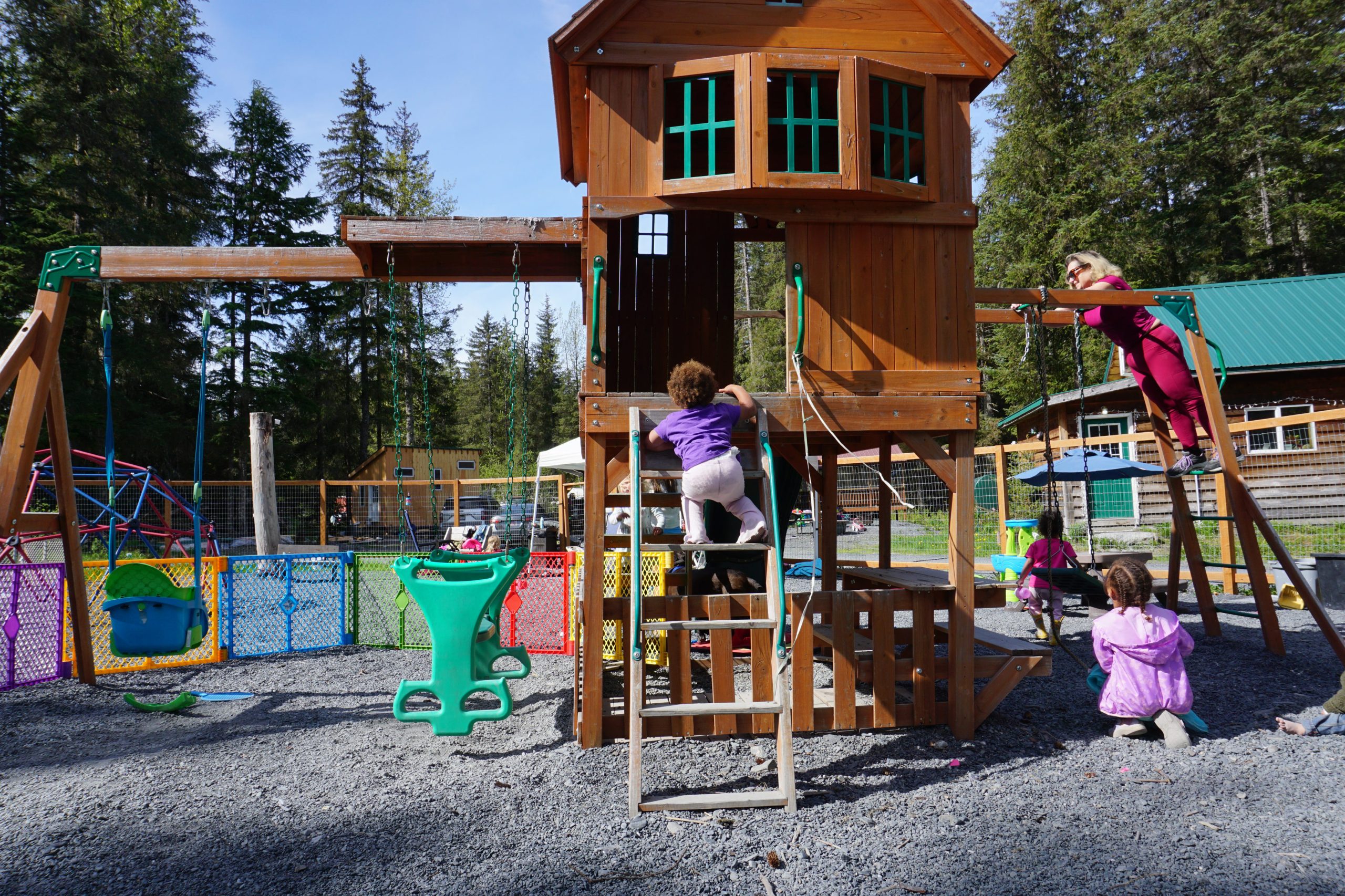
On the supply side, providers like Josie McClain have become the backbone of the community’s recovery. Operating one of only two 24-hour programs in Seward, McClain provides essential services for shift workers at the prison and hospital. With $10,000 in support from HYPER, McClain expanded her home-based program, building a screened-in porch that allowed her to attain group child care status and accommodate 12 children instead of eight. Yet, the work remains grueling. Despite the influx of funding, providers face rising costs for supplies and food, often exacerbated by the necessity of traveling over two hours to Anchorage for affordable goods.
The volatility of the labor market also remains a concern. Katie Shepard, co-operator of the Timberline Learning Center, emphasizes that the regulatory requirements for child care are immense, acting as a deterrent for many potential providers. “Unless we had that kind of money [from the grant] to put into something like this, I don’t think it would have been possible,” Shepard remarked.
Official Responses and Policy Implications
The role of government in sustaining this momentum remains a subject of intense debate. While the state of Alaska allocated roughly $6 million in 2025 to expand child care assistance eligibility and an additional $6 million for operational grants, these measures have faced political friction. Governor Mike Dunleavy’s recent vetoes of $6.4 million in workforce retention funding and $3.7 million for Head Start programs have introduced new uncertainty for providers and advocates alike.

Policy experts, such as Hailey Gibbs of the Center for American Progress, argue that while private donations provide a vital spark, they are not a sustainable substitute for public policy. “It’s impossible math otherwise for these programs to continue operating,” Gibbs stated. The long-term viability of Seward’s child care industry depends on creating a stable, recurring revenue stream.
Future Outlook: The Path Toward Sustainability
As Seward looks to the future, the community is evaluating potential long-term funding models, with a primary focus on tourism taxes. With the completion of a new cruise ship dock, the town expects an influx of larger vessels and a higher volume of visitors. Proponents of the tax suggest that a portion of this revenue should be ring-fenced for critical local infrastructure, including child care.
The ripple effect of this investment is clear: a stable child care sector strengthens local schools, attracts a consistent workforce, and ultimately creates a more resilient community. As Casie Warner noted, the goal is to ensure that Seward remains a viable place for families to put down roots, not just a transient destination for seasonal travelers. “We have to support our year-round economy,” Warner said, reflecting the sentiment of a town that has turned a crisis of access into a blueprint for rural resilience.

The success of the Seward model serves as a case study for other rural municipalities facing similar demographic and economic pressures. It demonstrates that while child care is often viewed as a private responsibility, it is, in reality, a public good essential to the functioning of modern economies. Whether through local tax initiatives, state-level support, or strategic private partnerships, the lessons from Seward underscore a singular truth: when a community prioritizes the needs of its youngest residents, it invests in its own future.










Leave a Reply