
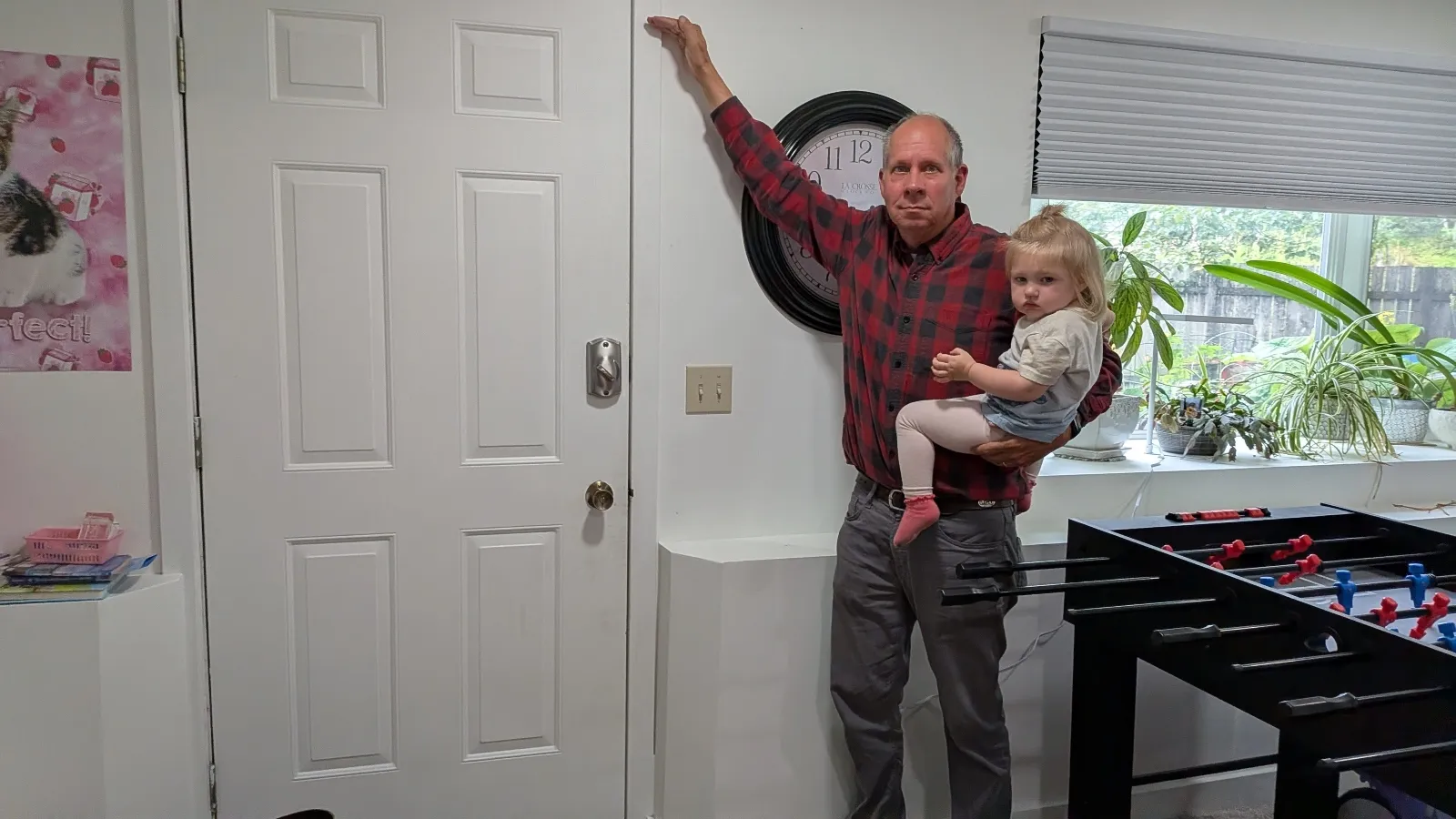
Two years ago, John Lowrey woke in the dead of night to a sound that defied reason—the roaring surge of water violently breaching his home. At 65 years old, the retiree and father of five barely had time to react before a three-foot wall of glacial meltwater smashed through his basement door, ripping it entirely off its heavy-duty hinges. Frigid water poured through the bay windows, instantly destroying the family’s piano, cherished heirloom cedar chests, and irreplaceable personal property. His 29-year-old daughter frantically piled family photo albums onto a bed until the mattress itself began to float.
The catastrophic inundation ruined structural insulation, electrical appliances, and vital historical documents, leaving the family with a staggering $150,000 repair bill. "We lost everything," Lowrey recalled.
At the time, Lowrey operated under the comforting assumption that this was a once-in-a-century anomaly—a freak tragedy in an otherwise idyllic landscape. He did not know then that the floodwaters would return the very next summer. And the summer after that.
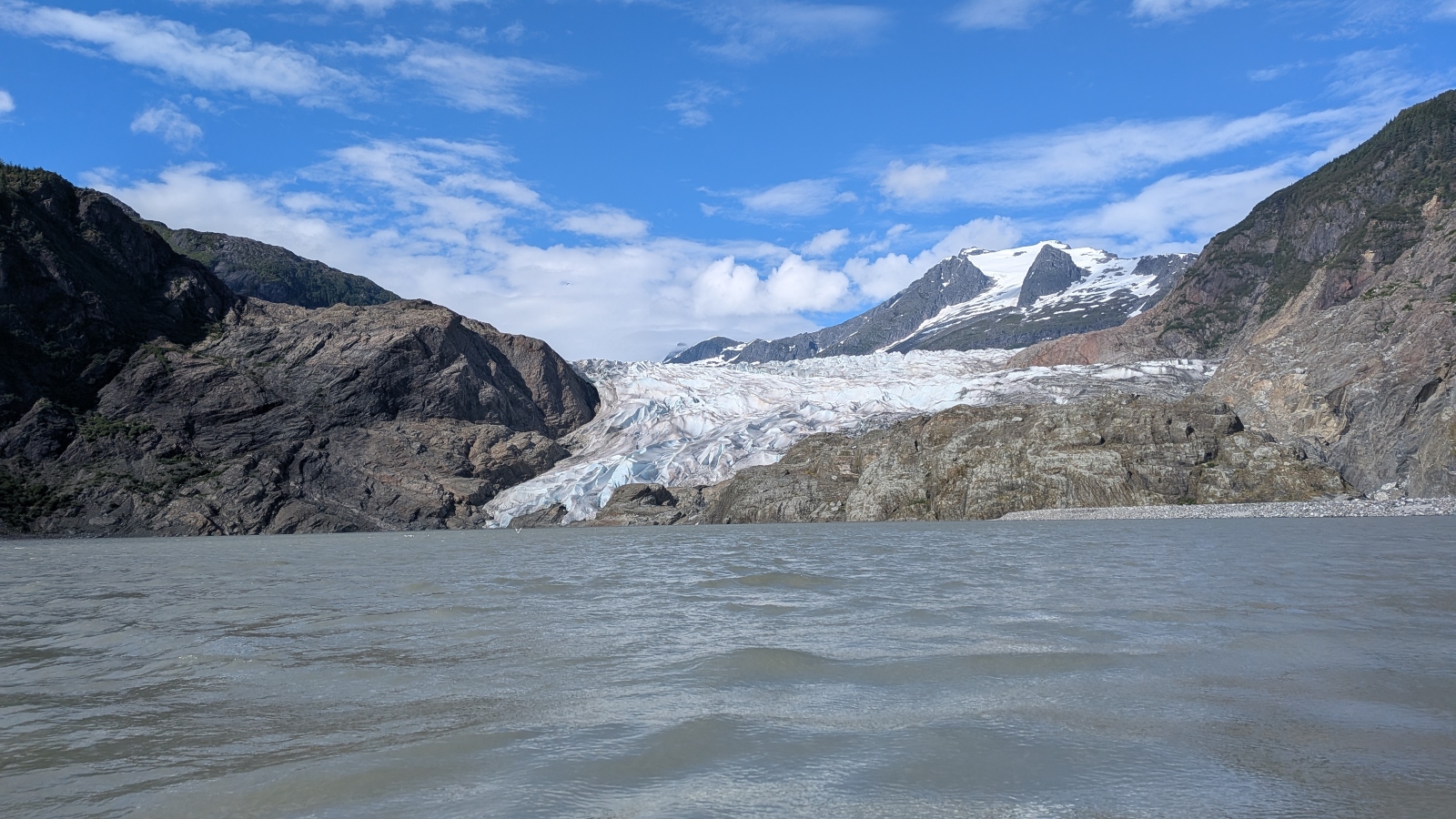
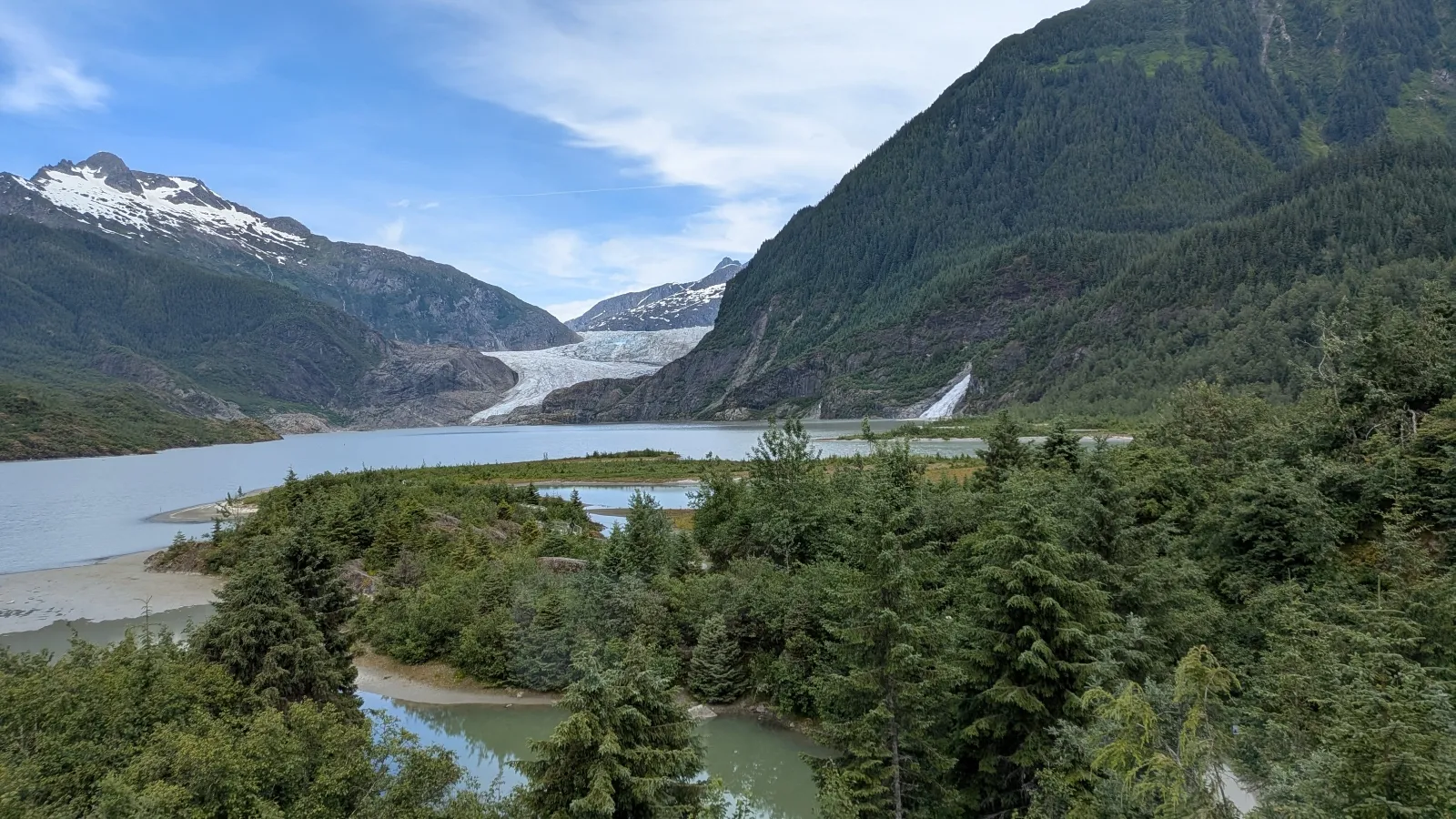
Juneau finds itself on the frontline of a terrifying climate reality. As Alaska continues to warm at a staggering rate of two to three times the global average, the city’s iconic Mendenhall Glacier has become ground zero for an escalating environmental crisis. Since 2011, relentless rain and surging meltwater collecting in an adjacent geographic depression known as Suicide Basin have systematically breached natural ice dams, unleashing catastrophic glacial outburst floods into the residential neighborhoods lining the Mendenhall River.
For more than a decade, these events remained minor seasonal nuisances. But the trajectory shifted dramatically in 2023, when the river spiked to a historic record high of nearly 15 feet. That benchmark was shattered in 2024, followed by yet another record-breaking inundation in 2025. With another major flood striking last month, glaciologists and hydrologists warn that these recurring disasters are the new normal, expected to recur annually for decades to come.
This relentless cycle has forced Juneau’s community leaders and residents to confront a daunting question that is increasingly relevant to vulnerable populations across the globe: How do you adequately prepare for a natural disaster when you know with absolute certainty that it will return, year after year?
The Anatomy of a Glacial Outburst Flood
Nestled amidst the rugged, glacier-carved mountains and vast wilderness of southeast Alaska, Juneau is the state capital and home to approximately 32,000 residents. Accessible solely by air or sea, the city is defined by its deep historical ties to the surrounding wilderness. Yet, this geographical isolation also complicates emergency response and infrastructure reinforcement.
The mechanics behind the city’s existential threat lie in Suicide Basin, a side-basin of the Mendenhall Glacier. During the warmer summer months, regional precipitation and accelerated glacial melting fill the basin rapidly. The massive wall of the Mendenhall Glacier acts as an unstable natural dam. As water levels rise, the immense hydrostatic pressure eventually lifts the edge of the glacier, carving a subterranean drain. This triggers a sudden, violent deluge downstream. During a major outburst, the basin can empty upwards of 15 billion gallons of water—enough to fill roughly 22,000 Olympic-size swimming pools—into the Mendenhall River in a matter of days.
The human and financial toll has escalated exponentially. In 2023, a massive outburst flood inundated roughly two dozen homes, famously sweeping a residential house directly into the swollen river and causing millions of dollars in infrastructural damage. Just one year later, an even larger flood impacted nearly 300 homes across the valley.
While glacial outburst floods—known scientifically as jökulhlaups—occur in other mountainous regions around the globe, including Iceland, the Swiss Alps, and the Himalayas, Juneau is unique. Few places on Earth feature dense residential neighborhoods situated directly in the immediate, predictable path of these recurring glacial torrents.
Empowering Residents Through Advanced Technology
In the face of chronic environmental threats, Juneau has transformed into a living laboratory for climate adaptation and early-warning systems. Recognizing that traditional emergency responses are inadequate for predictable, recurring disasters, local scientists and municipal officials have shifted their strategy toward radical transparency and real-time data accessibility.
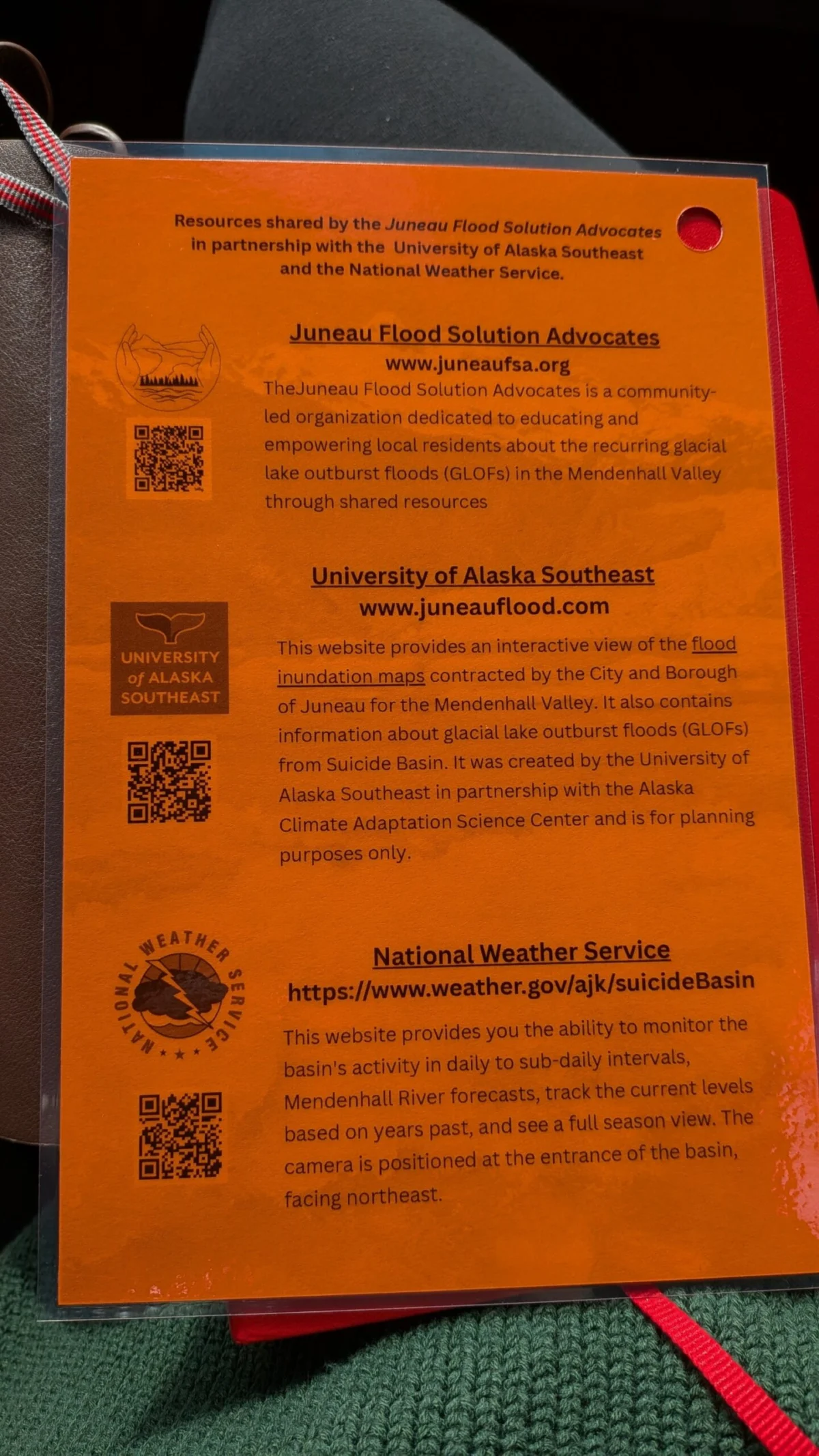
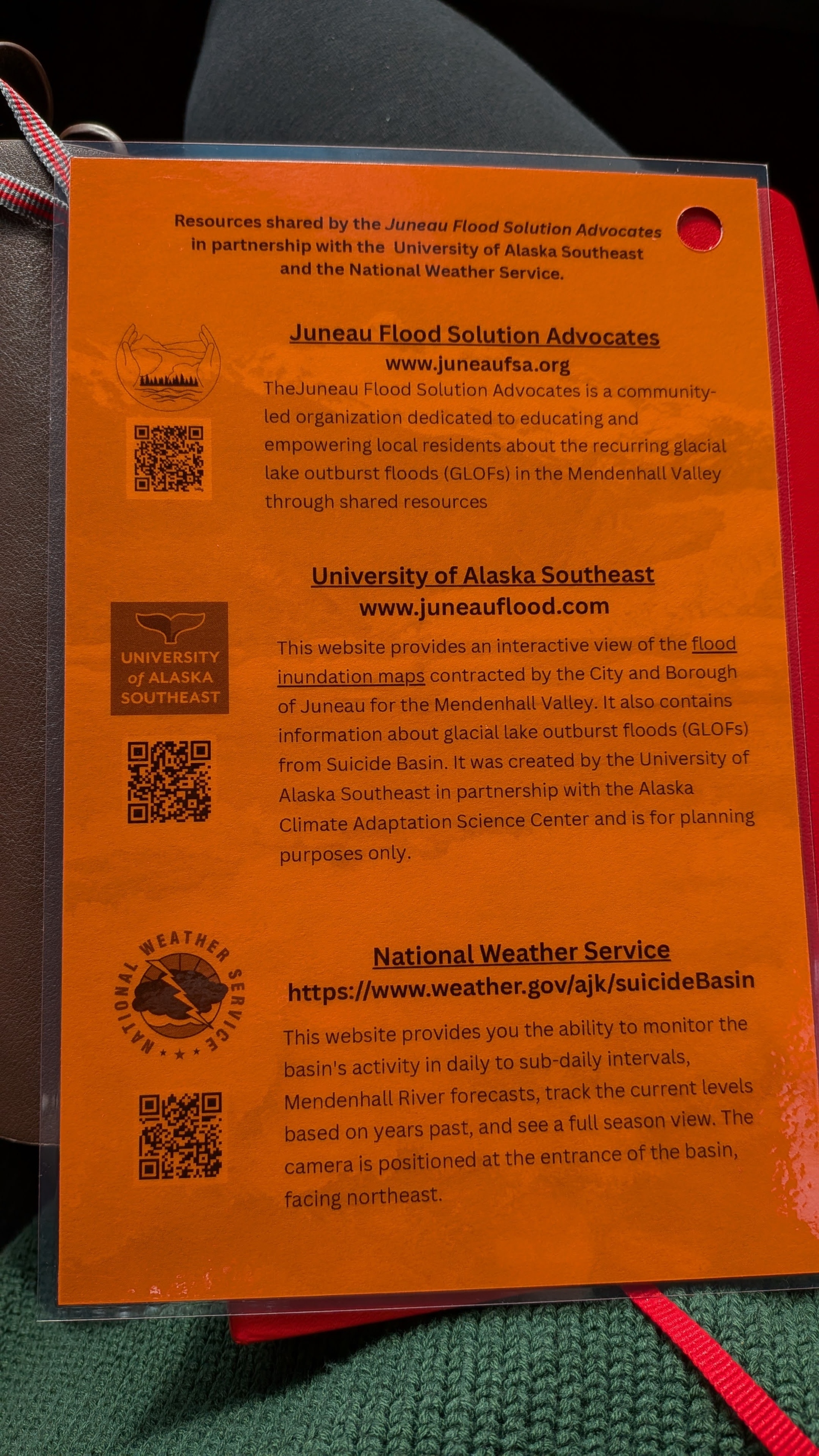
In 2025, researchers from the University of Alaska Southeast and the Alaska Climate Adaptation Science Center, in close collaboration with the city government, launched a sophisticated online flood-forecasting dashboard. The tool translates complex hydrometeorological data—such as basin fill rates, weather forecasts, and glacial pressure metrics—into an intuitive, user-friendly interface.
The dashboard provides residents with precise, localized flood maps and hour-by-hour predictions. This technological leap gives homeowners crucial hours to elevate valuables, install heavy-duty barriers, or evacuate safely before the icy waters arrive. Last year alone, more than 15,000 people accessed the dashboard for real-time updates.
Eran Hood, an environmental scientist who helped develop the platform, believes Juneau’s model holds profound implications for disaster management worldwide. "You can do the same thing with hurricanes, storm surges," Hood noted. "You could do the same thing with floods on rivers like the Mississippi. The goal is to find the best way to provide people with information that gives them the power to make decisions. That to me is the biggest lesson from this."
Community Adaptation and Municipal Defense
The availability of precise data has fundamentally altered how Juneau residents and city planners approach hazard mitigation. The Mendenhall Valley landscape is now dotted with "For Sale" signs as a sluggish real-time buyer’s market takes hold within the designated flood zone. For those who remain, adaptation has become a way of life.
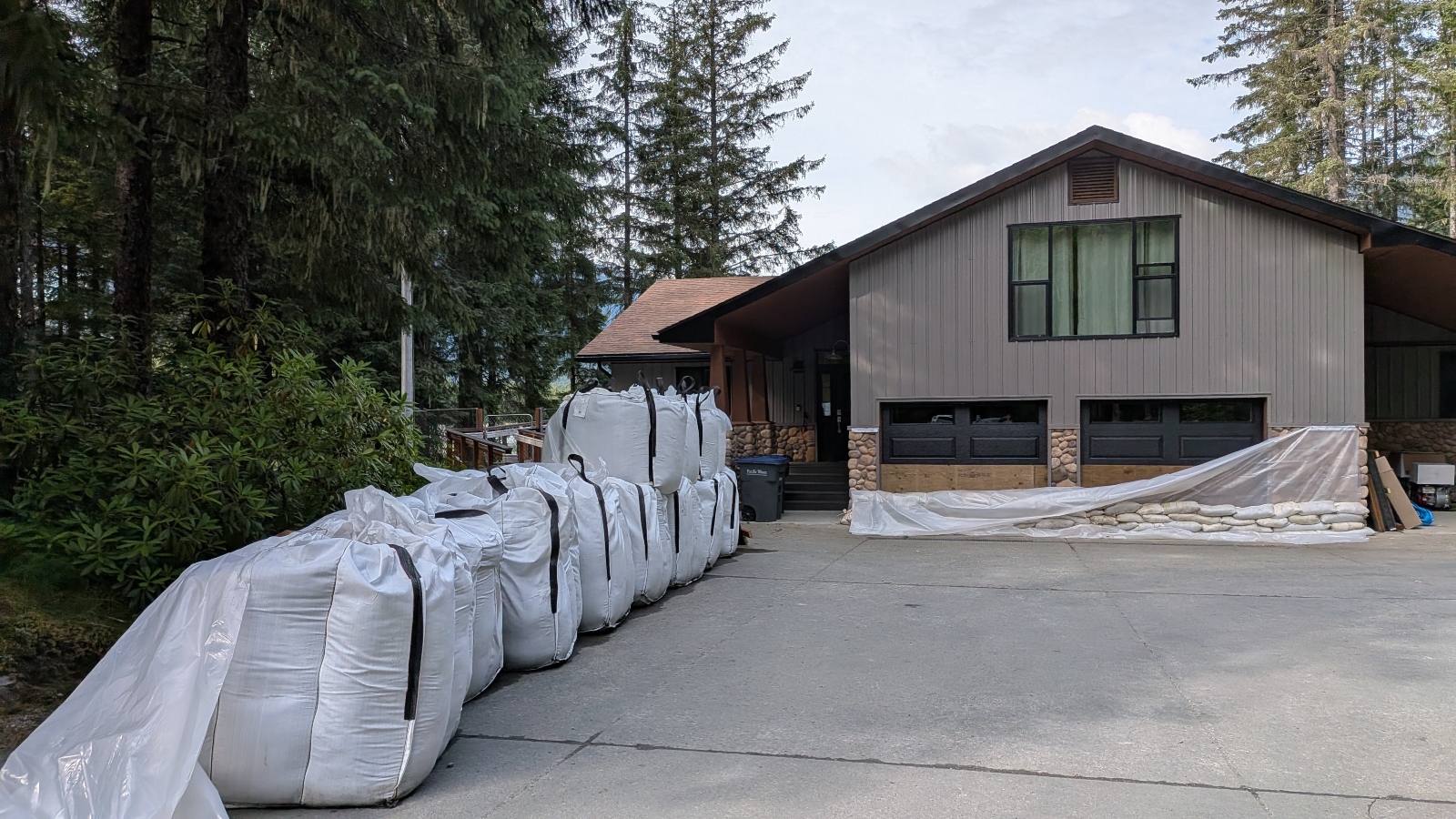
Homeowners have taken matters into their own hands, employing aggressive private mitigation strategies. Some residents have excavated drainage moats around their perimeters, while others have invested heavily in jacking up their entire houses several feet off the ground. Many, like Mark Miller, 75, rely on heavy sandbagging and constant vigilance. Two years ago, Miller awoke to a wall of gray slush surging into his garage. The resulting cleanup took seven months and cost $35,000. Today, he checks the online dashboard constantly, placing sandbags against exterior doors to counteract the water’s immense pressure.
On a municipal level, local authorities are using the same scientific forecasts to engineer large-scale structural defenses. Nate Rumsey, deputy director of engineering and public works for the city of Juneau, acknowledged the gravity of the situation. "Another severe flood could put the viability of our community at risk," Rumsey stated during an inspection of the city’s rapidly expanding flood defenses.

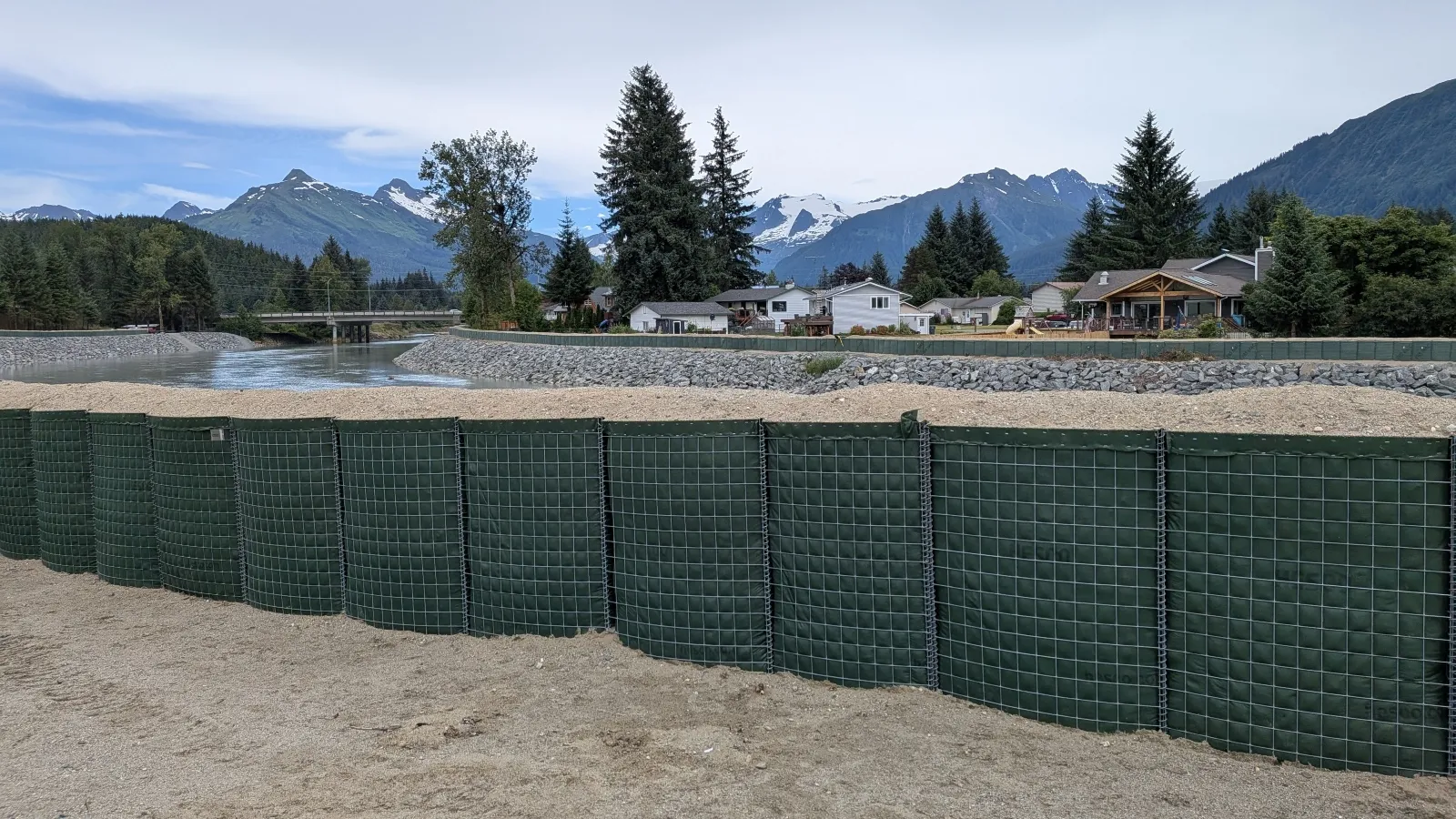
Working alongside the U.S. Army Corps of Engineers, the city has deployed roughly six miles of temporary flood barriers along the Mendenhall River. These systems utilize Hesco bastions—interlocking, fabric-lined, wire-mesh baskets filled with tons of gravel and dirt that snap together like giant Lego bricks. Stacked up to four layers high, these green walls wind directly through residential neighborhoods, running behind public libraries and elementary schools, and occasionally resting mere inches away from home foundations.
The dashboard has played an instrumental role in maintaining public trust during the construction of these divisive walls, helping homeowners visualize what the temporary infrastructure is designed to withstand.
Living on the Edge of Change
For individuals like Alyssa Fischer, the climate crisis is no longer an abstract academic concept. A 33-year-old single mother, Fischer was fast asleep when a surge of icy water turned her street into a raging river, washing away her front porch and pouring into her garage. Facing rapidly rising currents, she carried her eight-year-old daughter and four-year-old son through knee-deep water while shouting to wake her neighbors. She managed to secure her pet duck, quail, and goose in the bed of her pickup truck as the water level crept past the vehicle’s tires.
Today, Fischer’s life is inextricably linked to the monitoring of Suicide Basin. During peak flood season, she checks the municipal dashboard on an hourly basis, fluent in the metrics of cubic feet per second and precipitation timelines.
"Before it impacted my life, it was like, ‘Oh, that’s interesting,’" Fischer reflected, standing in her backyard. "Now, I want to know what’s happening. It’s your life, it’s your money and your investment, and understanding what’s actually happening in the world around you and how it’s going to affect you is everything."
Armed with battery-powered radios, flashlights, and the real-time data of a digital dashboard, Juneau’s residents continue to brace for the inevitable. Their resilience offers a stark blueprint for communities around the globe preparing to face an increasingly volatile and predictable climate future.








Leave a Reply