
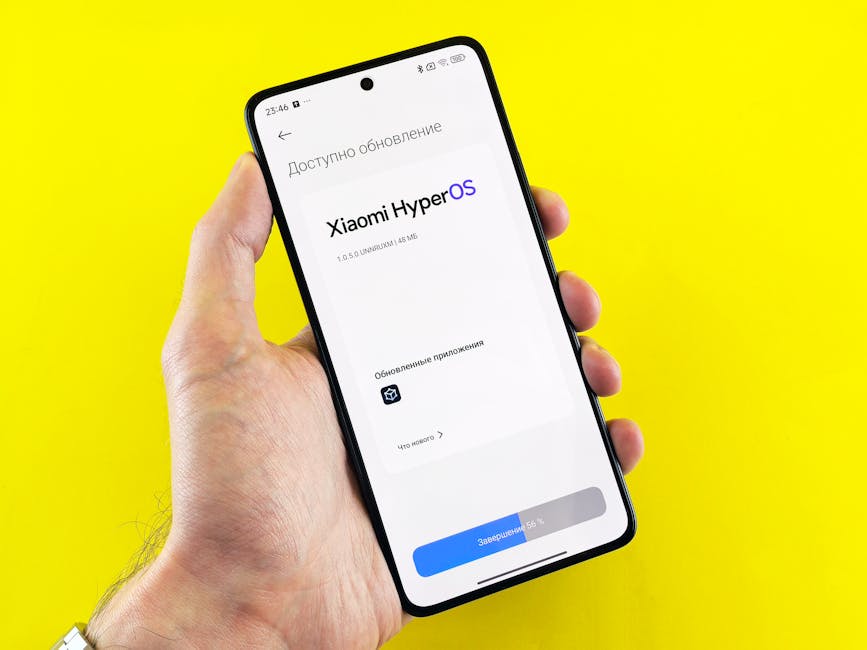
Why Isn’t My Xiaomi Phone Updating? Troubleshooting and Solutions
The inability of a Xiaomi smartphone to receive and install system updates can be a frustrating experience, impacting security, performance, and access to new features. This comprehensive guide delves into the multifaceted reasons behind this common issue and provides actionable solutions for users to diagnose and resolve update problems. Understanding the underlying causes is crucial, ranging from simple software glitches to network limitations, storage constraints, and even hardware-related malfunctions. By systematically addressing each potential culprit, users can significantly increase their chances of successfully updating their Xiaomi devices.
One of the most frequent reasons for a Xiaomi phone failing to update is an unstable or insufficient internet connection. System updates, especially major ones, can be quite large, often several gigabytes in size. A weak Wi-Fi signal, intermittent mobile data, or a connection that drops frequently can interrupt the download process, leading to an update failure. The phone might report an error or simply stop the download progress without clear explanation. To combat this, ensure you are connected to a stable and strong Wi-Fi network. Avoid public Wi-Fi networks, which can sometimes be unreliable or have bandwidth limitations. If using mobile data, ensure you have a sufficient data plan and a strong cellular signal. It’s also advisable to download updates when your phone is charging, as the phone might pause or cancel large downloads if the battery level is too low to prevent potential battery drain issues during the update process.
Insufficient storage space on the device is another prevalent obstacle to software updates. Android operating system updates, and particularly Xiaomi’s MIUI or HyperOS, require a significant amount of free space for the download and subsequent installation. This free space is needed not only for the update files themselves but also for temporary files created during the installation process and for the operating system to function correctly during the transition. If your internal storage is nearly full, the system will prevent the download or installation to avoid system instability. Xiaomi phones typically notify users when storage is low, but sometimes the system might not be aggressive enough in its warnings, or users might overlook them. To resolve this, free up storage by deleting unused apps, clearing app caches and data, uninstalling unnecessary photos and videos (consider cloud storage or a computer backup), and removing downloaded files. A good rule of thumb is to aim for at least 15-20% free internal storage before attempting a significant system update.
System glitches and temporary software bugs within the current operating system can also interfere with the update process. Sometimes, the update service itself might encounter an error, or existing corrupted system files could prevent new ones from being installed correctly. A simple restart of the device can often resolve these transient software issues. By performing a full reboot, you clear the temporary memory (RAM) and restart all running processes, which can clear out any conflicting or stuck processes that might be hindering the update. For more persistent glitches, a cache partition wipe can be beneficial. This process, performed through the phone’s recovery mode, clears temporary system files without affecting user data. It’s a less drastic measure than a factory reset and often effectively resolves issues related to corrupted cache data that might be blocking updates.
Corrupted update files can also be a silent culprit. If the initial download of the update package was incomplete or corrupted due to network interruptions or server issues on Xiaomi’s end, the installation will inevitably fail. The phone might try to install the corrupted package repeatedly, leading to a frustrating loop. In such cases, manually deleting the partially downloaded update file and attempting to download it again is the recommended approach. This can usually be done through the "About phone" or "System update" section in the settings. If the option to delete the downloaded update isn’t readily apparent, a cache wipe (as mentioned above) might also remove these corrupted files, allowing for a fresh download.
Outdated firmware versions can sometimes prevent the installation of newer updates. Xiaomi’s update servers often push updates sequentially, meaning you might need to install intermediate updates before you can reach the latest version. If your phone is significantly behind on updates, it might not be able to directly jump to the newest release due to dependencies on older system components. In such scenarios, it’s crucial to check for and install all available updates, even if they seem minor or incremental. Continue checking for updates after each successful installation until no further updates are available, or until you reach the desired version. This ensures that all necessary prerequisite software is in place for the larger updates.
Region-specific software rollouts and staged updates are common practices employed by manufacturers like Xiaomi. Updates are often not released globally to all devices simultaneously. Instead, they are rolled out in batches or to specific regions to monitor for bugs and server load. This means that even if a new update is announced, it might not be available for your specific device in your geographical location yet. Patience is key in these situations. You can check online forums and tech news websites for information on the global or regional release status of the update you are waiting for. Occasionally, changing your region in the phone’s settings to a region where the update is already available might trigger its download, but this should be done with caution as it can sometimes affect app availability or regional services.
Developer options and third-party modifications can also be the cause of update failures. If you have enabled developer options and made changes to system settings, or if you have installed custom ROMs or root access, these can interfere with the official over-the-air (OTA) update process. Official updates are designed to install on stock firmware. Attempting to install an official update on a modified system can lead to bootloops, data loss, or complete failure. If you are experiencing update issues and have tinkered with developer options or rooted your device, it’s advisable to revert to stock firmware before attempting an official update. This usually involves flashing the official firmware package through a tool like MiFlash.
Server-side issues with Xiaomi’s update servers can also be a temporary roadblock. Sometimes, the servers responsible for distributing updates might be overloaded, undergoing maintenance, or experiencing technical difficulties. This is beyond the user’s control and will resolve itself over time. If you suspect this might be the case, try checking for updates at a later time or on a different day. Online communities and user forums are often good places to gauge if other users are experiencing similar update issues, which can indicate widespread server problems.
Malware or intrusive applications can sometimes interfere with system processes, including the update mechanism. While less common, a malicious app could block or corrupt update downloads and installations. If you suspect malware, running a reputable antivirus scan on your device is a good first step. If malware is detected, remove it and then attempt the update again. Uninstalling recently installed applications, especially those downloaded from unofficial sources, can also help isolate the problem.
Finally, in rare instances, a hardware defect might be preventing updates. A faulty storage module or other internal component could cause read/write errors that disrupt the update process. However, this is usually accompanied by other system instability issues. If you have exhausted all software troubleshooting steps and your phone continues to refuse updates, and exhibits other unusual behavior, it might be worth considering a professional diagnosis from an authorized Xiaomi service center. However, before reaching this conclusion, thoroughly revisit all the software-related solutions as they account for the vast majority of update failures.





Leave a Reply