The prospect of human interplanetary travel has long captured the global imagination, transitioning rapidly from the realm of science fiction into the concrete planning stages of modern aerospace engineering. As government space agencies like NASA, alongside private commercial heavyweights such as SpaceX, inch closer to mounting crewed missions to the Red Planet, a fundamental question looms over the entire endeavor: Are humans truly willing to sacrifice their physical well-being—and potentially their lives—to walk on Martian soil? Recently, a broad public inquiry conducted by Live Science engaged readers on this exact dilemma, revealing a complex psychological landscape defined by a tension between adventurous pioneering and the sobering medical realities of deep-space exploration.
While engineers focus on the propulsion systems, life support modules, and landing mechanisms required to cross the vast expanse of the solar system, medical researchers continue to sound the alarm regarding the profound biological toll a journey to Mars would exact. From debilitating cosmic radiation and microgravity-induced bone degradation to psychological distress and severe isolation, the hazards are well-documented yet exceptionally difficult to mitigate. As the debate intensifies, understanding why individuals are still eager to volunteer for what amounts to a high-risk expedition provides invaluable insight into the enduring human drive for exploration, even as science dictates extreme caution.
The Physical Toll of the Red Planet Journey
Embarking on a voyage to Mars exposes the human body to an array of hostile environmental factors entirely alien to terrestrial evolution. Chief among these concerns is space radiation. Unlike Earth, which is shielded by a thick atmosphere and a powerful magnetosphere, deep space is flooded with galactic cosmic rays (GCRs) and solar particle events (SPEs). Prolonged exposure to this high-energy radiation significantly increases an astronaut’s lifetime risk of developing cancer, damages the central nervous system, and can lead to degenerative tissue diseases.
Furthermore, the physical journey itself involves months of transit through microgravity. In a weightless environment, the human body undergoes rapid physiological deconditioning. Astronauts routinely experience muscle atrophy and significant bone mineral density loss—often comparable to advanced osteoporosis—at a rate of roughly 1% to 1.5% per month. Cardiovascular changes, fluid shifts toward the upper body, and vision impairment known as spaceflight-associated neuro-ocular syndrome (SANS) further complicate the physiological ledger.
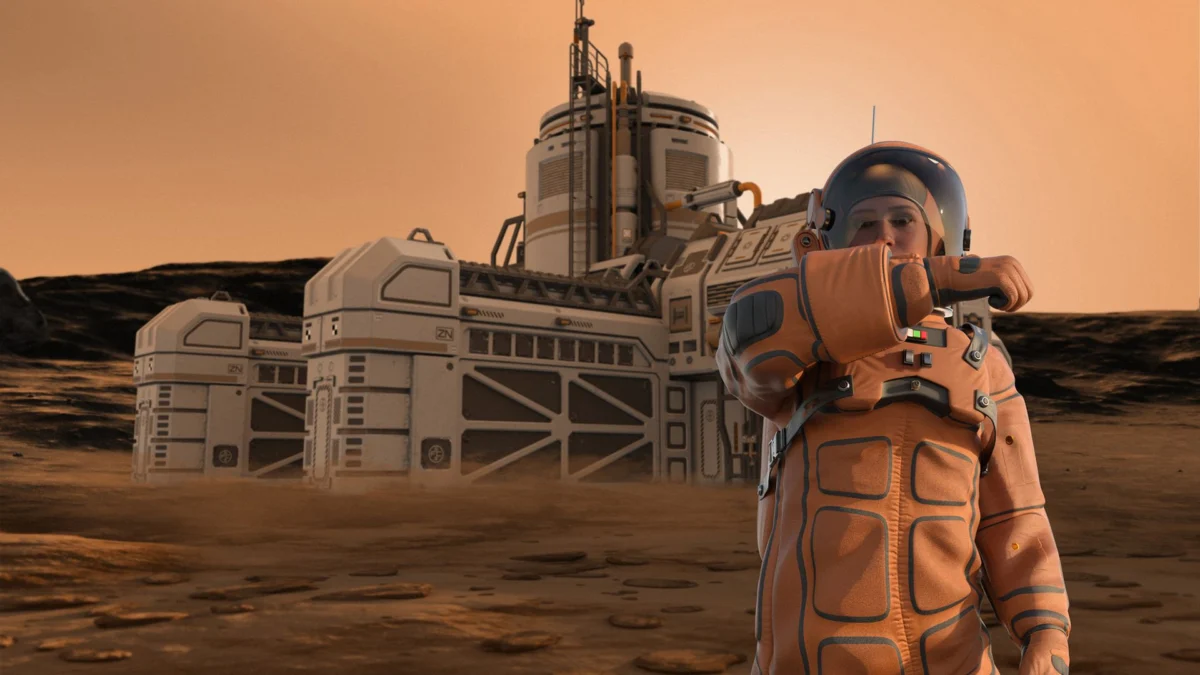
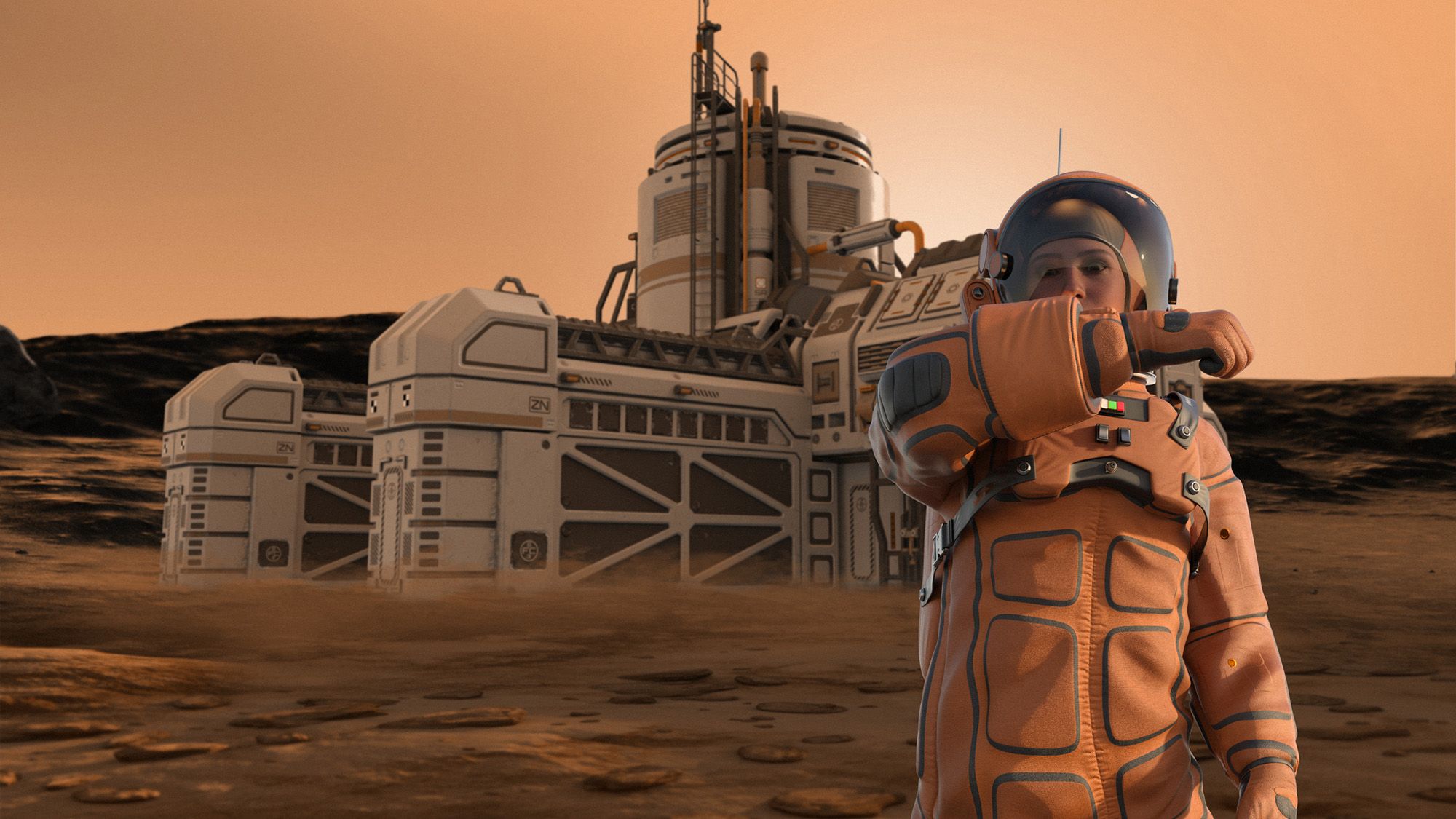
Upon arrival, Mars offers only about 38% of Earth’s gravity. While this is an improvement over total weightlessness, it remains unknown whether Martian gravity is sufficient to halt or reverse the long-term degradation of human bones and muscles during a multi-year stay. Additionally, the Martian surface is plagued by fine, toxic perchlorate dust that clings to suits and equipment, posing severe respiratory hazards if inhaled inside a habitat.
Public Sentiment and the Willingness to Explore
Despite these formidable biological obstacles, public interest in visiting Mars remains remarkably resilient. When Live Science posed the question to its readership regarding whether they would board a rocket to the Red Planet despite the known health hazards, the responses painted a nuanced picture of calculated risk versus existential ambition.
A notable segment of respondents expressed an absolute willingness to make the one-way trip, viewing the opportunity as the pinnacle of human achievement. For these individuals, the chance to contribute to the expansion of the human species across the cosmos outweighs the personal health risks, including the elevated probability of radiation-induced illness or premature death. This mindset mirrors the historic attitudes of maritime explorers who sailed across uncharted oceans knowing that scurvy, shipwreck, and starvation were likely outcomes.
Conversely, a substantial portion of the readership adopted a more pragmatic or hesitant stance. These respondents highlighted the irreversible nature of deep-space health damage, questioning the ethics of sending humans on missions from which they may never fully recover physically. Concerns regarding mental health—stemming from months of confinement, extreme isolation, communication delays with Earth of up to 24 minutes each way, and the psychological weight of knowing rescue is impossible—were frequently cited as decisive deterrents.
A Chronology of Martian Ambitions
The modern quest to send humans to Mars is built upon decades of robotic exploration, technological advancement, and shifting geopolitical and commercial priorities.
The timeline of Mars exploration accelerated significantly in the late 20th and early 21st centuries:
- 1965: NASA’s Mariner 4 completes the first successful flyby of Mars, returning the first close-up images of another planet and dispelling romantic notions of lush alien landscapes.
- 1976: The Viking 1 and Viking 2 landers successfully touch down on the Martian surface, conducting the first-ever complex biological experiments in search of extant microbial life.
- 1997: The Mars Pathfinder mission deploys Sojourner, the first wheeled rover on another planet, capturing global public attention and reviving serious scientific discussions about human habitation.
- 2012: NASA’s Curiosity rover lands inside Gale Crater, establishing a continuous robotic presence on the planet and assessing its past habitability.
- 2020s: Commercial entities, most notably SpaceX led by Elon Musk, begin aggressive development of heavy-lift reusable launch systems—such as Starship—explicitly designed with human transport to Mars as their ultimate objective. Space agencies worldwide update their long-term roadmaps, aiming for crewed orbital or surface missions by the late 2030s or early 2040s.
Medical Countermeasures and Technological Solutions
To bridge the gap between human ambition and biological survival, space agencies and private contractors are actively developing advanced countermeasures. Protecting astronauts from radiation is a primary engineering hurdle. Proposed solutions include designing spacecraft with storm shelters lined with water tanks or hydrogen-rich polyethylene materials to absorb high-energy particles, alongside the development of pharmacological radioprotectant drugs designed to repair cellular DNA damage in real-time.
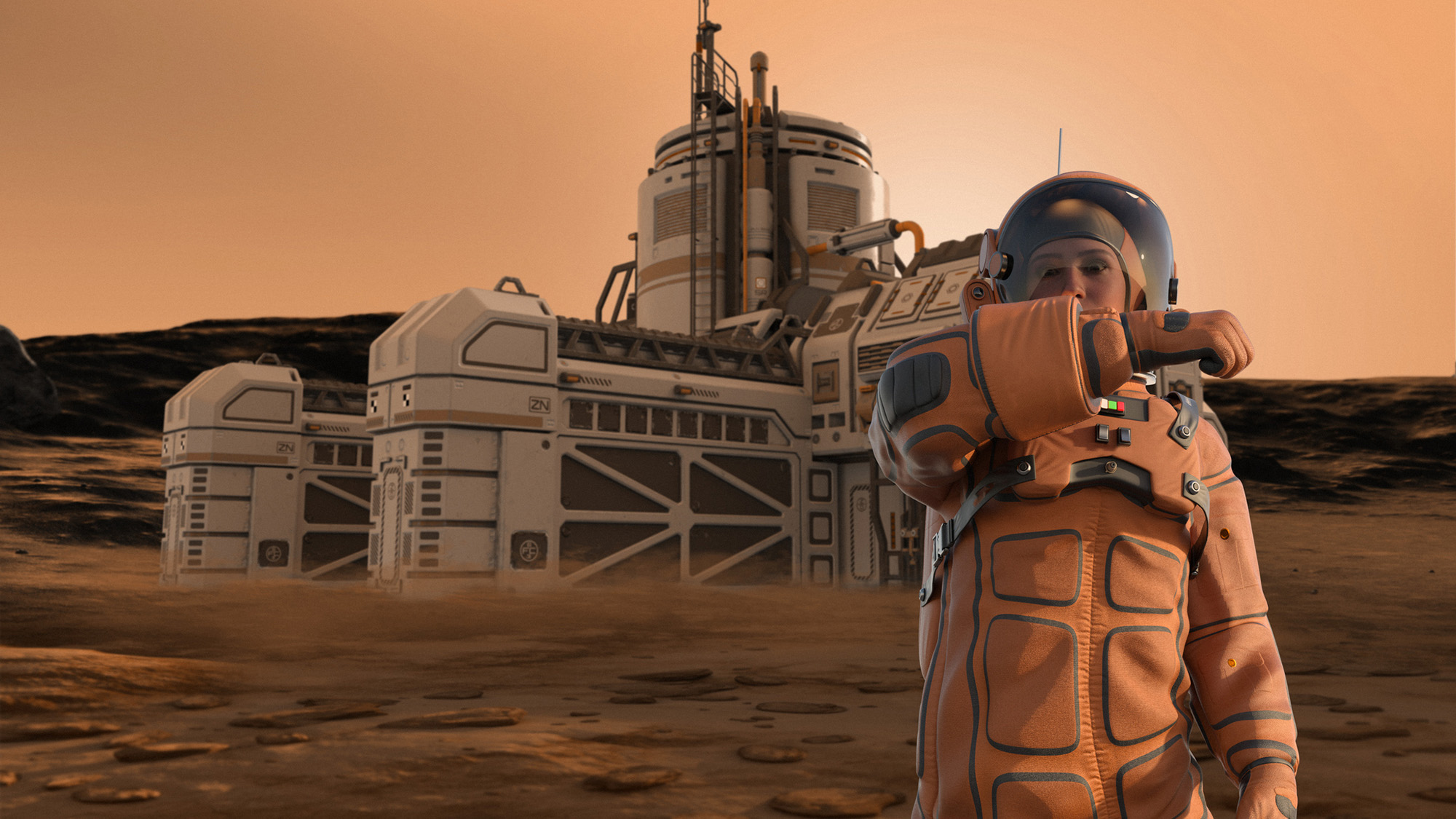
To combat microgravity degradation, rigorous daily exercise regimens involving specialized resistance and aerobic machines are mandatory on the International Space Station, and similar protocols will be scaled for transit vehicles. Artificial gravity concepts, such as tethered spacecraft that spin to generate centrifugal force, are also frequently studied, though they add significant mechanical complexity and mass to mission architectures.
Psychological support systems have likewise evolved. Modern mission simulations—such as NASA’s CHAPEA (Crew Health and Performance Exploration Analog) habitat deployments—isolate volunteer crews in Mars-like environments on Earth for a year or longer. These studies help researchers understand interpersonal dynamics, sleep deprivation, and operational stress, enabling mission planners to select resilient candidates and optimize crew support structures.
Broader Implications for Humanity’s Future
The ongoing dialogue surrounding the health risks of visiting Mars touches upon deeper philosophical questions about humanity’s place in the universe. Critics often argue that finite resources should be prioritized to solve pressing terrestrial crises, such as climate change, poverty, and ecological degradation on Earth, rather than spent on perilous interplanetary escapades. From this perspective, accepting severe health risks for the sake of planting a flag on a barren world represents an unnecessary expenditure of capital and human capital.
Proponents, however, view interplanetary expansion not as an abandonment of Earth, but as a vital insurance policy for the continuation of human civilization and consciousness. In an era marked by existential threats—ranging from asteroid impacts to potential global pandemics or nuclear conflict—establishing a self-sustaining multi-planetary species ensures that human history, art, and science do not perish with a single planetary disaster.
Furthermore, the medical research required to keep astronauts alive on Mars yields immediate, tangible benefits back on Earth. Technologies developed to monitor and treat radiation sickness, bone density loss, cardiovascular decline, and closed-loop life support systems frequently find applications in terrestrial medicine, improving healthcare outcomes for everyday patients.
As aerospace engineers refine propulsion technologies and medical teams devise novel ways to shield the human body from the harsh realities of the cosmos, the journey to Mars transitions from theoretical debate to imminent reality. Whether the first pioneers stepping onto the Martian dust will be hailed as reckless gamblers or visionary heroes remains to be seen, but the public fascination with their plight demonstrates that the urge to explore uncharted horizons remains an indelible part of the human spirit.