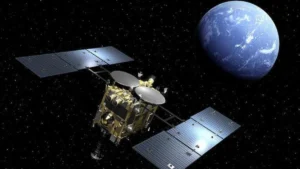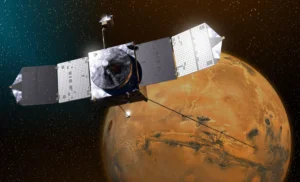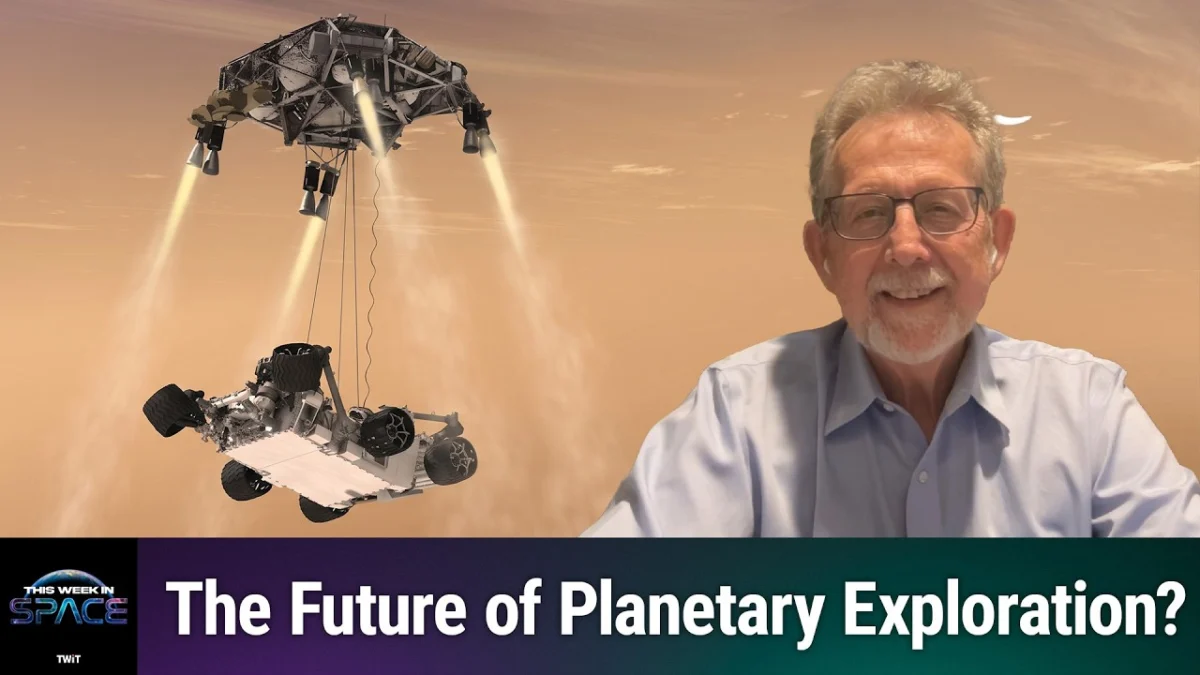
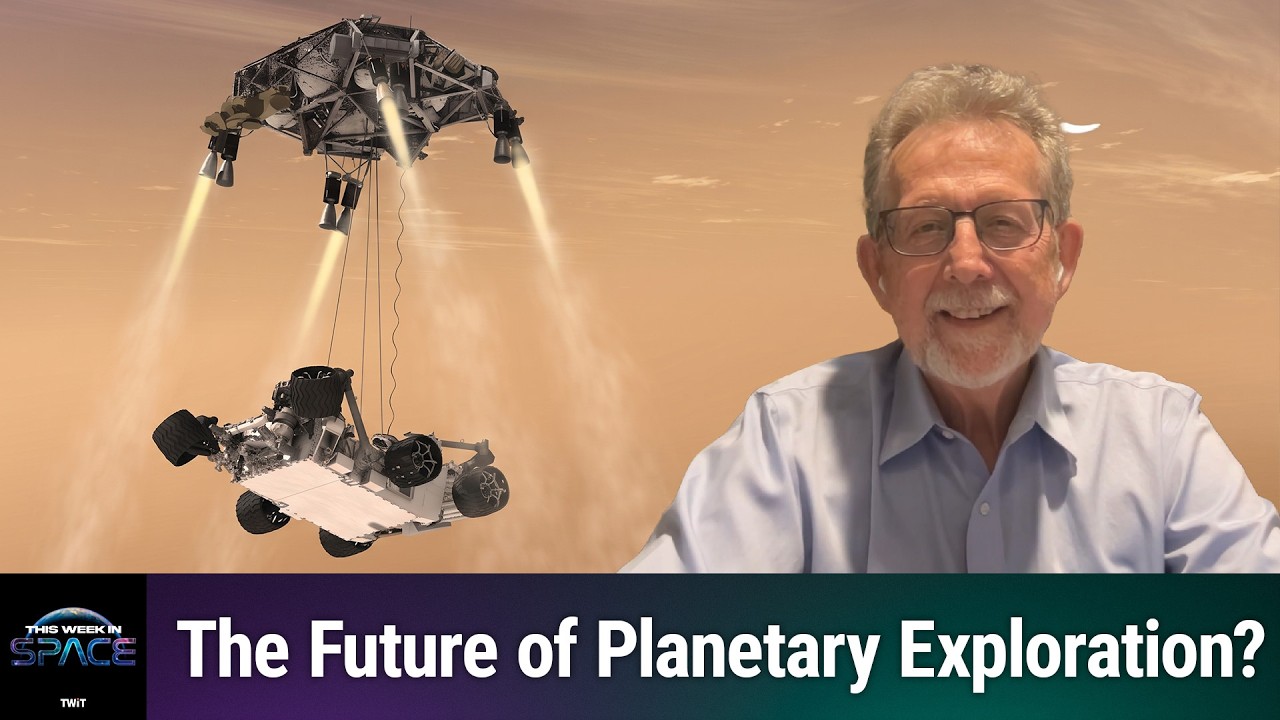
The relentless drive to understand our solar system and the origins of life has shifted from the realm of speculative science fiction to a disciplined, data-driven mission led by autonomous explorers. On the latest episode of This Week In Space, hosts Tariq Malik and Rod Pyle hosted former NASA Chief Scientist Dr. Jim Green to discuss the critical role of robotics in planetary exploration. As humanity looks toward the outer reaches of the solar system, the consensus among experts remains clear: before human boots touch the regolith of distant moons or the rusted plains of Mars, the vanguard will always be comprised of silicon and steel.
Dr. Green, who spent decades at the helm of NASA’s scientific endeavors, emphasized that robots serve as the essential eyes and ears for human curiosity. These machines are designed to operate in environments that are not merely hostile, but lethal to human physiology. From the extreme radiation belts surrounding Jupiter to the crushing depths of subterranean oceans on icy moons, robotics technology has evolved from simple landers to sophisticated, AI-driven laboratories capable of autonomous decision-making.
The Evolution of Robotic Exploration
The history of robotic exploration is marked by a steady progression of technological maturity. In the early days of the space race, missions were often "one-shot" attempts, characterized by high failure rates and limited capabilities. The transition from the Mariner and Viking programs to the current era of the Perseverance and Curiosity rovers represents a monumental leap in engineering.
The 1970s marked the first successful soft landings on Mars, providing the world with its first close-up look at the Martian surface. These early platforms were limited by their reliance on Earth-based commands, which introduced significant latency—often several minutes—between a request and its execution. Today’s modern rovers utilize advanced hazard-avoidance algorithms, allowing them to navigate complex terrain autonomously. This leap in capability is what enables missions to investigate "dark and scary" places—areas where the terrain is treacherous and sunlight is too faint to provide consistent power for traditional solar arrays.
Strategic Objectives and the Search for Life
The primary driver behind the current generation of robotic missions is the search for biosignatures. Dr. Green noted that our understanding of habitability has undergone a paradigm shift. We no longer look solely for liquid water on the surface of planets; we now explore the potential for "sub-ice" oceans.
The search for life has moved toward targets like Europa (Jupiter’s moon) and Enceladus (Saturn’s moon). These bodies are encased in thick layers of ice, shielding them from the harsh radiation of their parent planets. Beneath these shells, tidal heating likely maintains liquid water oceans that interact with rocky cores, creating a chemical environment potentially conducive to prebiotic processes.
Robotic missions like the upcoming Europa Clipper are designed to perform flybys that will analyze the composition of the plumes ejected from these icy surfaces. By measuring the chemical constituents of these plumes, scientists hope to determine whether the necessary ingredients for life—carbon, hydrogen, nitrogen, oxygen, phosphorus, and sulfur—are present in the required ratios.
Supporting Data: The Cost and Complexity of Deep Space Missions
The investment in robotic exploration has yielded significant returns in scientific knowledge. According to NASA’s budgetary data, the robotic planetary science portfolio has consistently produced discoveries that redefine our place in the cosmos. For example, the Mars Science Laboratory (Curiosity) mission, with a total lifecycle cost of approximately $2.5 billion, has provided over a decade of continuous geological and atmospheric data.
The economic model of space exploration is also changing. The emergence of public-private partnerships, such as those with SpaceX and Blue Origin, has lowered the cost of launching payloads into orbit. This, in turn, has allowed NASA to allocate more of its budget toward the development of sophisticated sensors and scientific instrumentation.
The Role of Commercial Innovation
While state-sponsored agencies like NASA define the scientific agenda, the commercial sector is rapidly democratizing access to space. This extends to the hobbyist and educational levels, as seen in the recent release of the Estes Industries scale model of the SpaceX Falcon 9 rocket. While primarily an educational tool, such products reflect the growing public interest in aerospace engineering and the normalization of space flight in the cultural zeitgeist.
The retail price point of $149.99 for high-fidelity models signals a market that is increasingly focused on the intersection of STEM education and commercial aerospace. By encouraging interest in rocketry and orbital mechanics, these initiatives serve as a pipeline for the next generation of aerospace engineers who will eventually design the next "scary place" robots.
Implications for Human Colonization
The discourse around robotic exploration is inherently tied to the future of human spaceflight. Dr. Green and the hosts of This Week In Space underscored a vital truth: robots do not replace humans; they prepare the way. Before a crewed mission to Mars can be safely attempted, robotic precursors must map the environment, characterize the radiation levels, and potentially demonstrate the viability of In-Situ Resource Utilization (ISRU).
ISRU technology, which involves extracting oxygen, water, and fuel from the Martian atmosphere or soil, is the "holy grail" of long-duration spaceflight. If robotic missions can successfully prove that these resources can be harvested at scale, the timeline for human occupation of Mars could be significantly accelerated.
The Ethical and Scientific Challenges
As we send more robots to pristine environments, the scientific community remains vigilant about the risk of forward contamination. The Committee on Space Research (COSPAR) maintains strict planetary protection guidelines to ensure that Earth-based microbes are not accidentally transported to worlds like Europa or Mars, where they could compromise the integrity of future life-detection experiments.
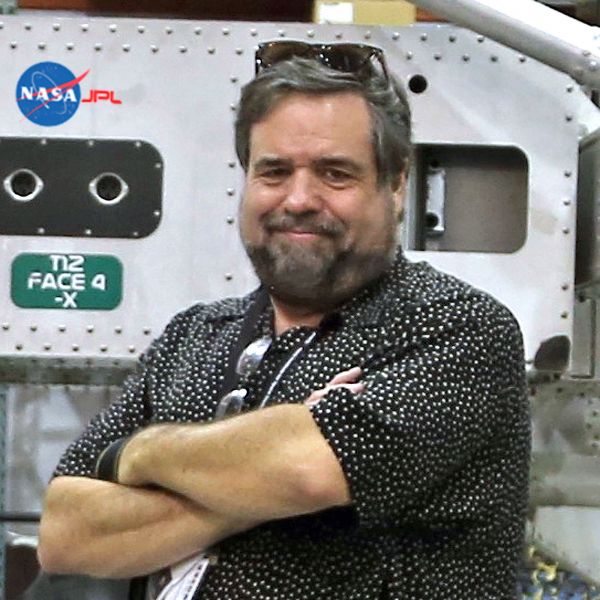
Engineering for "dark and scary" places also requires a mastery of thermal management and power generation. Without the benefit of solar energy, future robots will rely heavily on Radioisotope Thermoelectric Generators (RTGs), which convert the heat from the natural decay of plutonium-238 into electricity. Managing these complex systems in the extreme cold of the outer solar system is one of the most difficult engineering challenges currently facing NASA.
Looking Toward the Future
The next decade promises to be the most active period in the history of robotic space exploration. With missions to the icy moons of Jupiter and the ongoing efforts to bring samples back from the Martian surface, we are entering a phase where the questions we ask are becoming increasingly specific. No longer are we asking if planets exist; we are asking what is happening in the deep, dark subsurface of those planets.
Dr. Green’s optimism regarding the discovery of life is shared by many in the astrobiology community. The convergence of better sensors, more capable rovers, and a deeper understanding of extreme environments on Earth—such as hydrothermal vents on the ocean floor—suggests that we are closer than ever to answering the ultimate question: are we alone?
The integration of advanced AI into these robotic systems will further increase the efficiency of these missions. Future rovers will be able to perform "on-the-fly" scientific analysis, identifying rocks or soil samples of high interest without waiting for instructions from a team on Earth. This level of autonomy will be crucial as we expand our reach beyond the Moon and toward the distant, mysterious corners of our solar system.
In conclusion, the mission to explore the "dark and scary" places of space is a testament to human ingenuity. By delegating the most dangerous tasks to autonomous systems, we have managed to extend our reach across millions of miles, uncovering secrets that were once locked away in the shadows of distant worlds. As we continue to refine these technologies, the partnership between human curiosity and robotic capability will undoubtedly remain the cornerstone of our exploration of the final frontier. Whether through the lens of a camera on a distant moon or the data stream of an atmospheric probe, these machines are not just exploring space; they are expanding the boundaries of what is possible for humanity.