
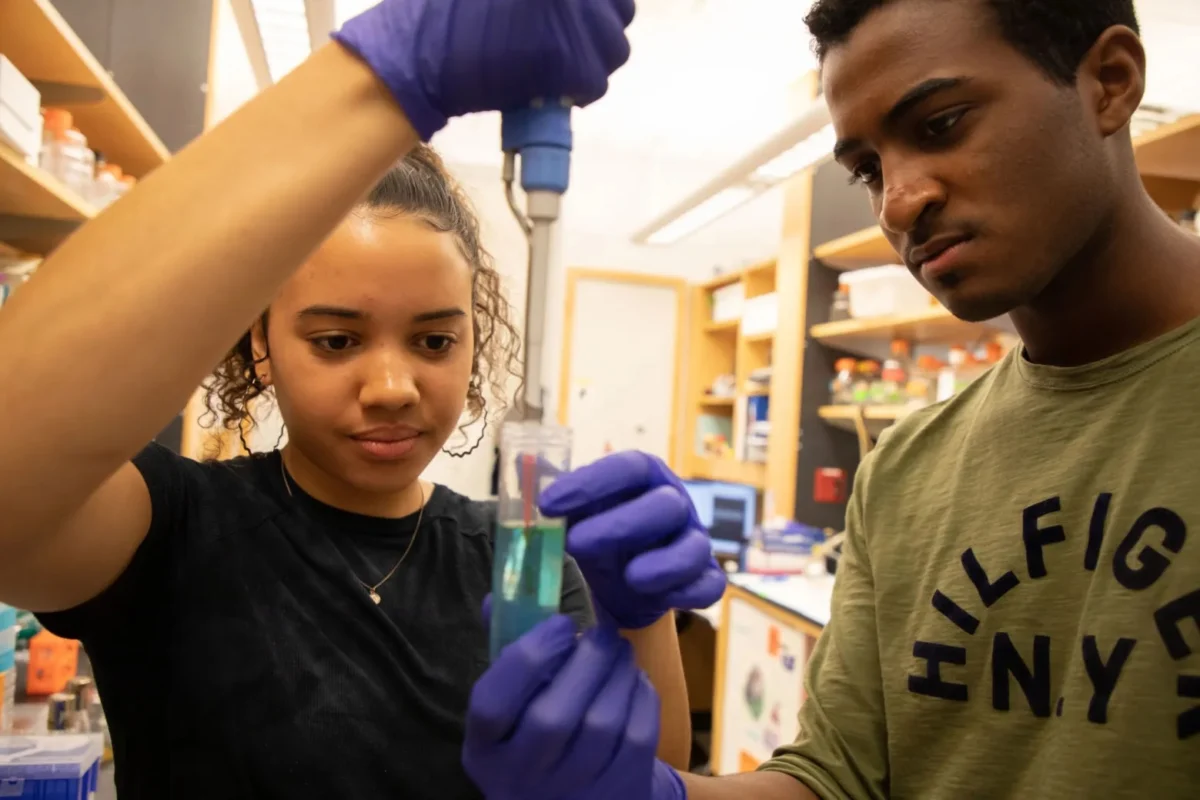
The current landscape of the American technology sector remains characterized by a profound lack of diversity, particularly at the highest echelons of corporate leadership. Recent data indicates that only 3 percent of executive roles within the technology C-suite are held by Black professionals. This disparity is not merely a statistical anomaly; it serves as a stark indicator of systemic barriers that persist from the earliest stages of a student’s academic journey through their professional ascent. Addressing this "talent gap" requires a fundamental shift in how the educational ecosystem interacts with underrepresented communities, moving beyond superficial recruitment efforts toward a comprehensive overhaul of K-12 STEM engagement.
The Origin Point of the Talent Gap
The absence of Black representation in STEM—Science, Technology, Engineering, and Mathematics—is an issue with a well-documented origin point. Research into educational equity consistently identifies the K-12 pipeline as the primary filter that determines future professional outcomes. When a seven-year-old child questions the lack of facial recognition software accuracy for her demographic, or a ninth-grade student struggles to grasp the foundational logic of a computer algorithm, the seeds of future professional exclusion are being sown.
Educational experts argue that the concept of "visibility" is a critical catalyst for student aspiration. The adage "students cannot be what they cannot see" is particularly relevant in technical fields where mentors and role models are scarce. Currently, the professional pipeline for STEM careers often narrows significantly before a student reaches a university setting. By the time many students reach college orientation, the lack of prior exposure and foundational training often renders them unable to compete with peers who benefited from early, robust STEM immersion.
A Collaborative Blueprint for Change
Recognizing that systemic change requires interdisciplinary cooperation, a partnership has formed between three key figures in the education sector: Patrice S. Johnson, CEO of the nonprofit Project Scientist; Tiffany Taylor, president of the ASU+GSV Summit; and Asya Johnson, founder and principal of the HBCU Early College Prep High School. This alliance originated during an education summit in San Diego, where the participants transitioned from high-level discussion to the creation of an actionable blueprint designed to bridge the gap between K-12 schooling and professional readiness.
The partnership aims to leverage the unique strengths of different educational entities. Project Scientist focuses on the critical early stages of development, offering out-of-school programs, "explorer clubs," and innovation labs that provide consistent technical exposure throughout a student’s K-12 experience. These programs emphasize hands-on, real-world experimentation, ensuring that students do not view STEM as an abstract discipline, but as a practical toolset for problem-solving.
The Role of HBCUs as Innovation Incubators
Historically Black Colleges and Universities (HBCUs) occupy a vital position in this strategy. Despite historically receiving a smaller share of philanthropic and governmental funding compared to predominantly white institutions, HBCUs consistently outperform in terms of STEM education outcomes. While they represent only 9 percent of four-year, degree-granting institutions, they are responsible for awarding 28 percent of all STEM bachelor’s degrees earned by Black students in the United States.
The integration of HBCUs into this new pipeline model acknowledges them as essential infrastructure for the innovation economy. By fostering early connections between K-12 students and HBCU environments, the initiative seeks to normalize the pursuit of advanced technical degrees. This approach includes mentorship programs, job shadowing, and paid internships that provide students with a clear understanding of professional expectations long before they enter the job market.
Integrating Ethics and Civic Justice into Technical Curricula
A significant component of this initiative involves reimagining what STEM education looks like in the classroom. At the HBCU Early College Prep High School, for instance, the curriculum is designed to intersect with social and civic issues. Students are tasked with projects that apply scientific principles to real-world dilemmas, such as analyzing the physics of bullet velocity to understand forensic evidence or utilizing chemistry to design safety equipment for civic demonstrations.

When a student engages in a debate over algorithmic bias, they are learning computer science through the lens of ethics and social responsibility. This methodology transforms STEM from a purely technical pursuit into a tool for civic engagement. Educators involved in the project emphasize that this pedagogical shift is essential; it encourages students to view themselves as creators of the future rather than passive recipients of technological change.
Chronology of the Initiative
The current initiative is the result of a multi-phase development process:
- Initial Engagement: Stakeholders convened at the ASU+GSV Summit to identify the specific failure points in the transition from secondary to higher education for Black students in STEM.
- Strategic Alignment: The formation of a tri-party coalition between Project Scientist, the HBCU Early College Prep High School, and the ASU+GSV platform.
- Operational Integration: The deployment of pilot programs that offer continuous technical mentorship and professional networking opportunities to K-12 students.
- Expansion: Current efforts are now focused on scaling these programs and increasing the institutional commitment from corporate partners to provide internships and long-term career support.
Broader Economic and Social Implications
The implications of a more diverse STEM workforce extend beyond social justice; they represent a significant economic necessity. McKinsey & Company and other research organizations have repeatedly highlighted that a more diverse workforce drives innovation and economic growth. When the pool of talent is limited by systemic barriers, the global market loses out on critical perspectives and solutions to complex problems.
The failure to address the "pipeline gap" leads to a recurring cycle where the lack of representation at the entry level results in a lack of representation at the executive level. The cost of this inaction is not merely lost individual potential, but a collective loss of innovation. By fostering a sense of belonging and providing clear, supported pathways, the current initiative seeks to ensure that the next generation of Black professionals is not only prepared for the workforce but is actively shaping the trajectory of the tech industry.
Challenges and Future Outlook
Despite the momentum behind these initiatives, significant challenges remain. The reliance on nonprofit and philanthropic funding for these programs underscores a broader lack of systemic, government-led support for STEM equity. While corporate partnerships are increasing, they often focus on short-term recruitment rather than long-term infrastructure building.
The success of the current coalition suggests that when educators, innovators, and investors operate within the same room, tangible progress is possible. However, the long-term viability of these efforts will depend on the willingness of the broader tech and education sectors to institutionalize these practices. The ultimate goal is to move beyond the current model—where diversity is a project—to a model where diversity is a structural expectation.
As the program organizers note, the future of the technology industry depends on who is invited to the table. The current efforts by Project Scientist and its partners are intended to be a foundational step toward a future where the demographics of the C-suite finally reflect the demographics of the population at large. By anchoring this change in the K-12 classroom, the initiative addresses the problem at its roots, ensuring that the doors of opportunity remain open for all students, regardless of their background, long after the current generation of leaders has moved on.
The call to action is clear: sustained investment in education, a commitment to rigorous and relevant curriculum, and the intentional creation of mentorship networks are the necessary components of a more inclusive future. The work being done today at the intersection of HBCUs and K-12 preparatory programs provides a concrete model for how the nation can begin to close the talent gap and secure a more innovative and equitable future.









Leave a Reply