The landscape of commercial aviation, travel rewards, and loyalty programs is undergoing a dynamic shift as airlines and financial institutions roll out new promotions, operational adjustments, and infrastructure upgrades. From competitive flash sales on transatlantic business-class routes to ambitious international route expansions, travelers are navigating a complex ecosystem of expanding opportunities and persistent service challenges. Industry analysts note that autumn 2026 is emerging as a pivotal period for airline revenue strategies, co-branded credit card incentives, and the delicate balance between passenger accommodation and carrier operations.

Transatlantic Award Sales and Premium Cabin Dynamics
Airlines are heavily competing for high-value premium passengers through aggressive award pricing and promotional seat sales. Recent market data highlights a stark contrast in how carriers price business-class redemption to Europe. Atmos Rewards currently leads the value proposition, allowing members to secure round-trip business-class travel to Europe for between 90,000 and 110,000 points. In comparison, United Airlines requires cardholders to redeem approximately 144,000 round-trip points for similar itineraries.

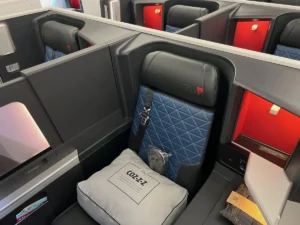
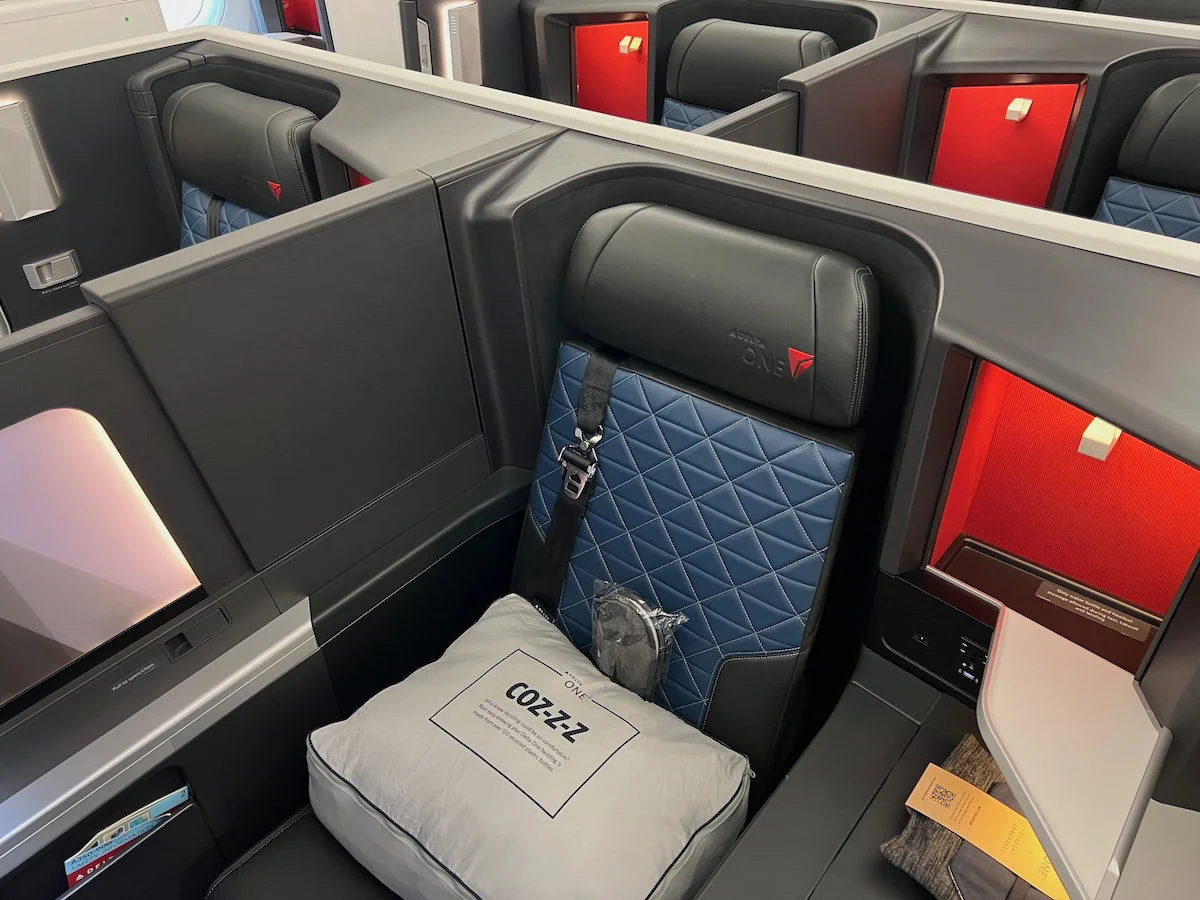
Meanwhile, Delta Air Lines launched a targeted three-day Delta One award sale for bookings made between October 27 and October 29, 2026. While the flash sale advertises entry-level pricing starting at 115,000 SkyMiles for select transatlantic routes, frequent flyer analysts point out that availability remains highly fragmented. Many travelers have reported that while certain off-peak dates yield competitive pricing, the broader inventory pool offers mixed value when compared to competing alliance programs.
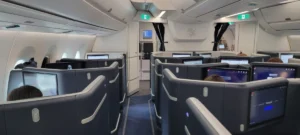
Concurrently, airlines continue to refine their premium cabin offerings to capture the booming luxury travel segment. Air India is moving forward with a comprehensive overhaul of its international premium products, introducing a newly curated suite collection designed to modernize its widebody fleet. Similarly, passengers reviewing ultra-luxury options continue to praise products like Emirates’ Airbus A380 first-class suites, which feature onboard showers, private dining, and personalized service on regional hops such as Mumbai to Dubai, despite calls from travelers for extended flight durations to fully enjoy the amenities.

Route Expansions and Strategic Network Developments
Network planners are also capitalizing on shifting regional demands by introducing strategic long-haul and niche international routes. Alaska Airlines announced a significant transpacific expansion, confirming daily service between Anchorage, Alaska, and Tokyo Narita. Operating from May 13 to September 7, 2027, the 3,434-mile route will utilize Boeing 737 MAX 8 aircraft, marking a notable deployment of narrowbody equipment on an international transpacific corridor. This move reflects a broader industry trend toward deploying fuel-efficient single-aisle aircraft on thin long-haul routes that previously required larger widebody jets.

In the lodging sector, global hotel networks are aggressively restructuring their loyalty and rewards architectures to maintain customer retention. BWH Hotels has initiated a comprehensive overhaul of its Best Western loyalty infrastructure to streamline member tiers and point redemptions. Simultaneously, Bilt Rewards has unveiled a sweeping roadmap of programmatic changes for 2027, introducing a new "Daily Rewards" feature, extended Bilt Cash expiration timelines, revised hotel redemption caps, and a streamlined card-earning structure designed to appeal to urban renters and millennial spenders. Minor Hotels is also incentivizing travel through GHA DISCOVERY promotions, offering 30 bonus Discovery Dollars (D$) for stays across participating global properties.
Co-Branded Credit Cards and Points Maximization Strategies

Credit card issuers are intensifying competition in the travel rewards space through elevated welcome offers and expanded spend-acceleration opportunities. Chase has reintroduced enhanced welcome incentives across its entire portfolio of Southwest Airlines consumer credit cards, offering sign-up bonuses ranging from 80,000 to 90,000 Rapid Rewards points. These promotional bursts are designed to capture holiday travel spend and secure long-term cardholder loyalty.
In addition to credit card bonuses, travel rewards experts emphasize the utility of online shopping portals as a cost-free method for accumulating miles. Programs operated by major carriers—including the American Airlines shopping portal—frequently run referral incentives. For instance, current portal promotions offer existing members 500 bonus miles per successful referral, while referred users receive a 1,000-mile bonus upon meeting minimum purchase thresholds through retail partners.

Furthermore, airline loyalty programs are adjusting their elite status qualification metrics. Recent updates to airline status structures allow members to fast-track tier progression through welcome bonuses, ongoing card spend, and status-match challenges. Earning status credits through anniversary bonuses and promotional accelerators puts higher tiers—such as Platinum status, which unlocks preferential award availability and complimentary upgrades—within closer reach for frequent flyers.
Labor Disputes and Workplace Accommodations in the Cabin

While financial and operational expansions dominate corporate headlines, airlines continue to face internal labor challenges and legal scrutiny regarding workplace accommodations. A prominent legal battle has emerged involving Southwest Airlines and a long-serving flight attendant, Lisa Patterson. Patterson has filed a lawsuit against the Dallas-based carrier alleging disability discrimination, claiming that the airline repeatedly failed to provide reasonable accommodations for her severe allergy to pet dander.
According to court filings, the plaintiff asserts that exposure to household pets traveling in the aircraft cabin triggers severe medical reactions that render her violently ill. The case underscores a growing regulatory and operational tension within the commercial aviation industry: balancing the permissive policies regarding emotional support and pet travel in cabins against the occupational health and safety rights of crew members with medically documented environmental sensitivities. Legal experts suggest that the outcome of this litigation could establish vital legal precedents regarding how commercial carriers manage disability accommodations and cabin environmental controls for frontline personnel.

Broader Industry Implications and Outlook
The convergence of aggressive award sales, credit card competition, network experimentation, and labor litigation points to a maturing aviation market in late 2026. Airlines are aggressively chasing ancillary revenue and high-yield premium passengers while simultaneously defending against rising operational and legal overheads. For consumers and business travelers, navigating this landscape requires strategic awareness of shifting loyalty valuations, promotional windows, and the evolving rights and responsibilities of both passengers and airline personnel. As carriers prepare for the 2027 fiscal year, market observers anticipate continued refinement in loyalty program monetization and fleet deployment strategies.