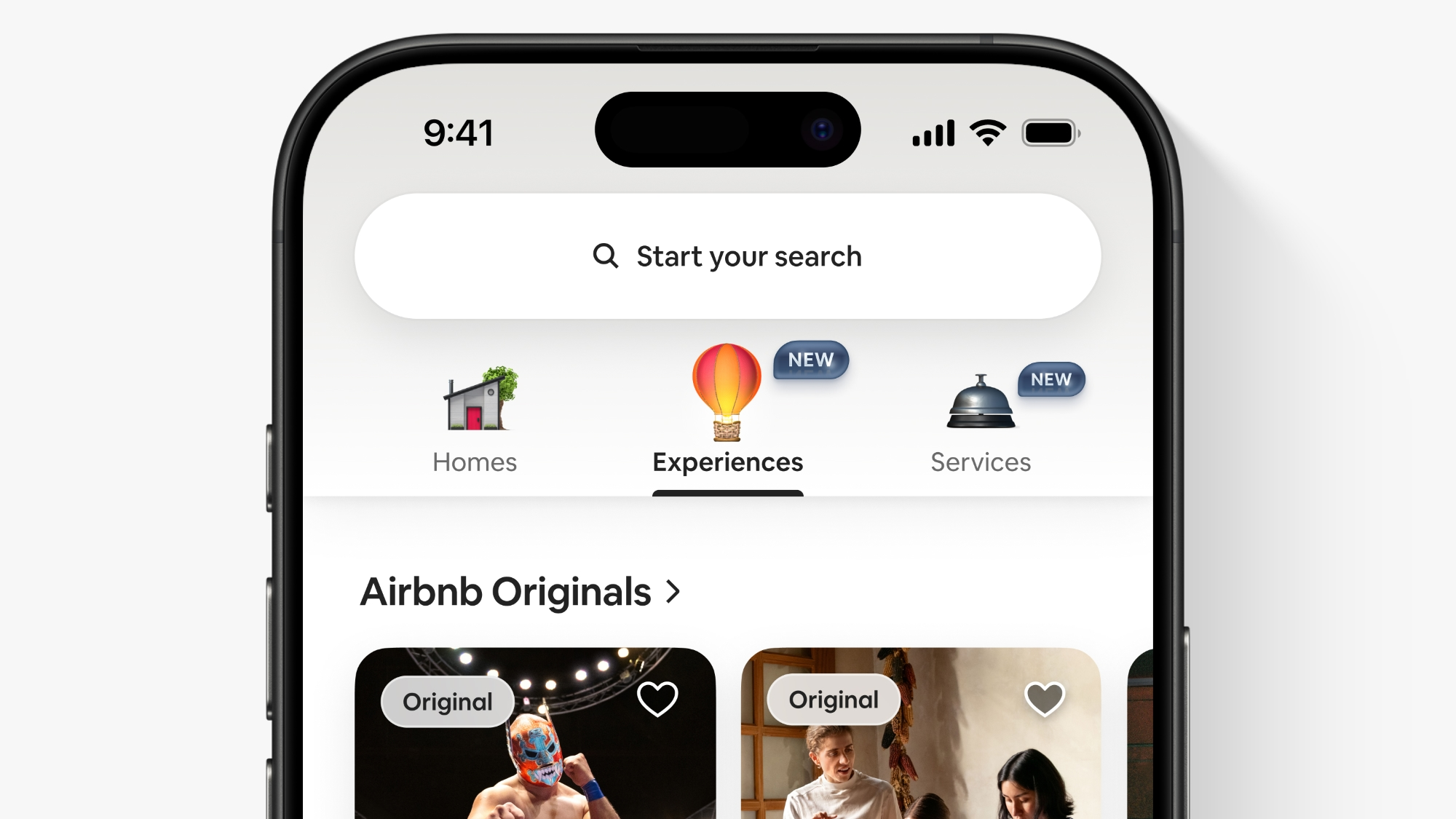
Airbnb has officially committed to a firm timeline for the deployment of its highly anticipated artificial intelligence travel agent, announcing during its Q3 earnings call on Thursday that the technology will debut in the first half of 2027. This move marks a strategic shift for the short-term rental giant as it seeks to move beyond the constraints of traditional, text-heavy AI chatbots to create a bespoke, “generative UI” experience tailored specifically for the complexities of travel planning.
The announcement, delivered by CEO Brian Chesky to shareholders and analysts, represents the culmination of months of development and high-level strategy regarding the role of AI in the hospitality sector. While the company has long teased its intentions to integrate advanced AI into its platform, this specific commitment provides a clear roadmap for the next eighteen months of product development.
A Departure from Conventional Chatbot Paradigms
For several months, Brian Chesky has been vocal about his skepticism regarding the efficacy of general-purpose AI chatbots for travel. In various industry forums and interviews, he has argued that current iterations of AI—often capable of simple, transactional tasks like booking a doctor’s appointment or reserving a table—are ill-equipped to handle the emotional and logistical nuances of planning a vacation.
“Travel is aspirational,” Chesky stated during the Q3 earnings call. “Discovering where to go and where to stay is part of the experience. In fact, 80% of travelers say they enjoy spending time researching trips.”
Chesky’s philosophy centers on the belief that a successful travel agent must facilitate discovery rather than simply automate it. He noted that the typical user experience for travel involves high-engagement activities: browsing high-resolution photography, comparing different property layouts, analyzing location proximity via maps, and collaborating with fellow travelers. A standard text-based chatbot, in his view, risks stripping away the “joy of anticipation” that defines the early stages of trip planning.
The Technology Behind the Agent: Generative UI
To solve the limitations of text-based interaction, Airbnb is developing what it calls a “custom-designed, AI-native experience.” Rather than generating a long-form textual response, the Airbnb AI agent will function as a dynamic interface composer.
The system will draw from a comprehensive library of hundreds of specialized UI components—including interactive maps, comparative pricing tables, visual itineraries, and calendar widgets—and assemble them in real-time. This concept, often referred to as “Generative UI,” ensures that the user is presented with the most relevant visual information based on their specific query. For example, if a user asks about properties near a specific landmark that are suitable for large groups, the agent will instantly render a visual layout that allows for side-by-side comparison of units rather than forcing the user to parse through a lengthy, AI-generated summary.
This approach is designed to keep the user engaged within the Airbnb ecosystem, leveraging the platform’s nearly two decades of proprietary data on how guests and hosts interact. By incorporating institutional knowledge about booking habits, dispute resolution, and community standards, the agent is expected to offer a level of utility that third-party, general-purpose AI agents cannot replicate.
Post-Booking Utility and Support
A critical component of Airbnb’s strategy is that the agent will extend its utility well beyond the initial discovery and booking phase. The company intends for the AI to serve as a comprehensive concierge throughout the lifecycle of a trip.
This includes:
- Reservation Management: Handling real-time changes to dates or guest counts.
- Financial Resolution: Streamlining the process for payment inquiries, refunds, and cancellations.
- Safety and Support: Providing 24-hour safety assistance, which is currently a high-priority service area for the platform.
- Service Integration: Over the long term, the agent will evolve to suggest and book local experiences and specialized services, expanding on the platform’s 2025 redesign that emphasized curated travel activities.
By automating these complex, often high-friction tasks, Airbnb aims to significantly reduce the burden on its human customer support teams while simultaneously improving the customer satisfaction score (CSAT) for travelers who encounter issues during their stay.
Chronology of AI Integration at Airbnb
The trajectory toward this 2027 launch has been deliberate:
- Early 2025: Airbnb rolls out a major platform redesign, putting a renewed focus on “Experiences” and “Services” as part of its core offering.
- Mid-2026: CEO Brian Chesky begins public discourse regarding the limitations of general-purpose AI and the need for a “travel-specific operating system.”
- September 2026: Chesky formally commits to an AI agent project, emphasizing that the interface must be visual and aspirational.
- October 2026 (Q3 Earnings): The company officially commits to a Q1 or Q2 2027 release window and provides technical specifications regarding its Generative UI architecture.
Financial Performance and Growth Context
The announcement of the AI agent occurred against the backdrop of an exceptionally strong financial quarter. Airbnb reported a 19% revenue growth to $4.87 billion, a figure that exceeded analyst expectations and signaled a robust recovery in travel demand.
“Airbnb is back in growth mode,” Chesky told analysts. “It’s rare for a marketplace of our size to reaccelerate growth, but that’s exactly what we’re doing. Q3 was our fastest revenue growth in more than three years.”
The company has consequently raised its revenue growth forecast for 2026, shifting from a mid-teens expectation to the high teens. This financial momentum provides the necessary capital to invest heavily in the R&D required for the AI agent’s development. Wall Street analysts have noted that by positioning the agent as a tool for "reaccelerating growth," Airbnb is effectively framing the project not just as a feature update, but as a primary engine for future market share expansion.
Strategic Implications and Market Analysis
The move to build an in-house agent highlights a broader trend among major tech platforms: the shift from “Chatbot-as-a-service” to “AI-as-an-operating-system.” By building a system that can manipulate its own UI in real-time, Airbnb is attempting to insulate itself from the rise of third-party travel aggregators or general-purpose AI assistants like those being developed by major search giants.
If successful, this technology could establish a new standard for the travel industry. Currently, most travel sites function as static databases. If Airbnb can shift this to a fluid, intent-driven interface, it could create a significant competitive moat. The ability to seamlessly handle complex requests—such as “Find me a quiet home in Tuscany that is within walking distance of a bakery, has a dedicated workspace, and costs under $300 a night for a group of three”—in a single, visually intuitive interface could fundamentally change how consumers research travel.
However, the success of this project will depend on the accuracy of the underlying models and the system’s ability to maintain the high-trust environment the platform is known for. With the 2027 deadline set, the company is now in a race to refine its neural network training data, ensuring the agent understands not just the logistics of travel, but the nuances of the human experience that make a trip memorable. As the platform prepares for this launch, the industry will be watching closely to see if Airbnb’s bet on “Generative UI” pays off as the next evolution of digital commerce.