
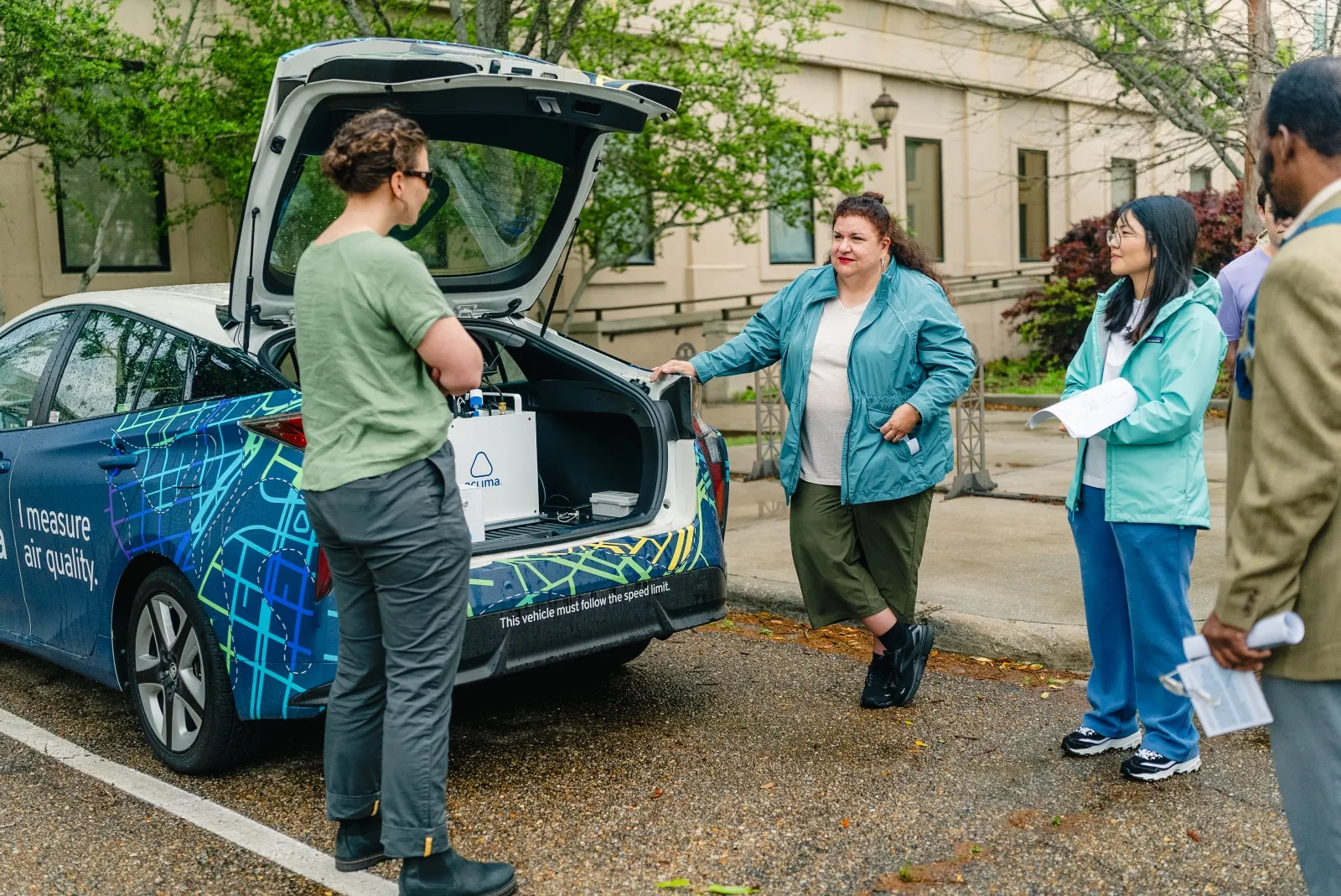
Across vast stretches of the United States, millions of residents wake up every morning with virtually no way of knowing whether the air entering their lungs is safe or heavily laced with invisible toxins. This information vacuum is the result of a decades-long, systemic decline in federal funding for public air quality monitoring, a shrinking fleet of aging government detectors, and a geographic mismatch that routinely places complex monitoring equipment miles away from the nation’s heaviest industrial polluters.
The stakes of this environmental data blind spot have never been higher. Climate change has supercharged extreme weather events, driving unprecedented wildfire smoke into communities that historically enjoyed pristine air, while expanding data center footprints and worsening urban heat waves that amplify ground-level ozone concentrations. Simultaneously, the political landscape has shifted; under the Trump administration, federal regulators have systematically delayed, weakened, or outright rescinded environmental accountability rules designed to cap corporate emissions.
With the official public monitoring infrastructure crumbling, vulnerable communities have increasingly taken matters into their own hands, deploying affordable, low-cost air sensors to track industrial output in real time. However, an exhaustive investigation by the nonprofit newsroom Floodlight reveals that powerful corporate interests are aggressively moving to shut down this last line of defense.
A Legislative Wave Sweeps the Rust Belt and Gulf Coast
Beginning in 2024, a coordinated legislative push orchestrated by chemical and manufacturing trade groups has swept through industrial states. Lawmakers in Louisiana, Ohio, and Kentucky have successfully passed remarkably similar bills designed to invalidate community-collected air data, stripping local residents and state regulators of the ability to use grassroots evidence in environmental enforcement actions. Similar legislative efforts have been introduced in West Virginia, though they have repeatedly stalled due to intense political wrangling and industry infighting.
At the heart of these legislative measures is a common legal mechanism: they explicitly bar state and local regulators from utilizing air-quality data for enforcement, permitting decisions, or penalties unless the readings meet rigid, EPA-approved technical standards. Proponents of these bills argue that community monitoring equipment lacks the scientific rigor and calibration required for regulatory enforcement.
Yet, the true motivations behind these industry-backed bills became transparent during legislative debates in West Virginia. When state lawmakers attempted to craft a compromise version of the bill—one that would have accommodated community monitoring provided the devices met stringent manufacturer accuracy standards—the chemical industry balked. Rather than embracing calibrated, reliable community data, corporate lobbyists rejected the compromise outright.
Internal corporate correspondence uncovered during the legislative fight laid bare the industry’s true intentions. In one leaked email obtained by investigative journalists, an official at chemical giant Chemours wrote that a compromise accuracy standard “essentially codifies what we are trying to prevent.” Representatives from the West Virginia Manufacturers Association similarly dismissed the modified bill as “toothless” because it failed to completely shield corporations from grassroots accountability.
The Decay of the Nation’s Early-Warning System
To understand the current legislative battles, experts point to the systemic degradation of the nation’s official early-warning system. Established in the wake of the landmark 1963 Clean Air Act, the federal air monitoring network revolutionized pollution tracking by providing regulatory agencies with the empirical data needed to identify hazards and penalize polluters. Over the subsequent decades, this public oversight contributed to dramatic reductions in ambient air pollution nationwide.
However, the infrastructure that delivered those historical victories is now failing. According to Chet Wayland, who directed the EPA’s Air Quality Assessment Division for nearly twenty years, the public network is visibly showing its age and shrinking year by year.
The retreat is particularly severe when examining monitors dedicated to tracking hazardous air pollutants—toxic chemicals explicitly linked to cancer, neurological disorders, and reproductive harm. Data compiled by Floodlight reveals a steep downward trajectory over the past two decades. The national monitoring network tracking vinyl chloride, the notorious carcinogen that triggered a national panic during the catastrophic 2023 train derailment in East Palestine, Ohio, shrank by more than 50 percent between 2004 and 2025. Networks dedicated to tracking other lethal industrial byproducts, such as chloroprene and benzene, experienced identical contractions.
An analysis of major industrial polluters across Kentucky, Louisiana, Ohio, and West Virginia highlights the sheer scale of the monitoring gap. Among the top 100 industrial facilities examined, the primary chemical released by 71 of those plants is not measured by any government air monitor operating within the state. Heavy industrial solvents and acids—including hydrochloric acid, sulfuric acid, and methanol—frequently escape public detection entirely, as no active EPA-reporting monitor is configured to capture them.
Academic research reinforces these findings. A 2025 study co-authored by Penn State assistant professor Nelson Roque revealed that nearly six in ten U.S. counties lack a single public air monitoring station. These geographic deserts do not affect all populations equally; extensive U.S. EPA demographic analyses show that low-income communities and people of color bear a disproportionate share of the elevated cancer risks driven by unmonitored toxic air emissions.
Louisiana: The Epicenter of the Corporate Loophole
Louisiana serves as a primary case study for how monitoring gaps intersect with corporate lobbying and regulatory rollbacks. As a national epicenter for the oil, gas, and petrochemical industries, Louisiana features numerous fence-line communities situated directly adjacent to massive industrial facilities. Yet, state-run monitors are routinely located miles away from the pollution sources, failing to capture emissions of volatile organic compounds and carcinogens.
To bridge this chasm, local groups sought outside assistance. Under the Biden administration, the Louisiana Environmental Action Network (LEAN) secured a $500,000 federal grant funded by the Inflation Reduction Act. The funding was earmarked to establish community air monitoring networks across 27 designated pollution hot spots.
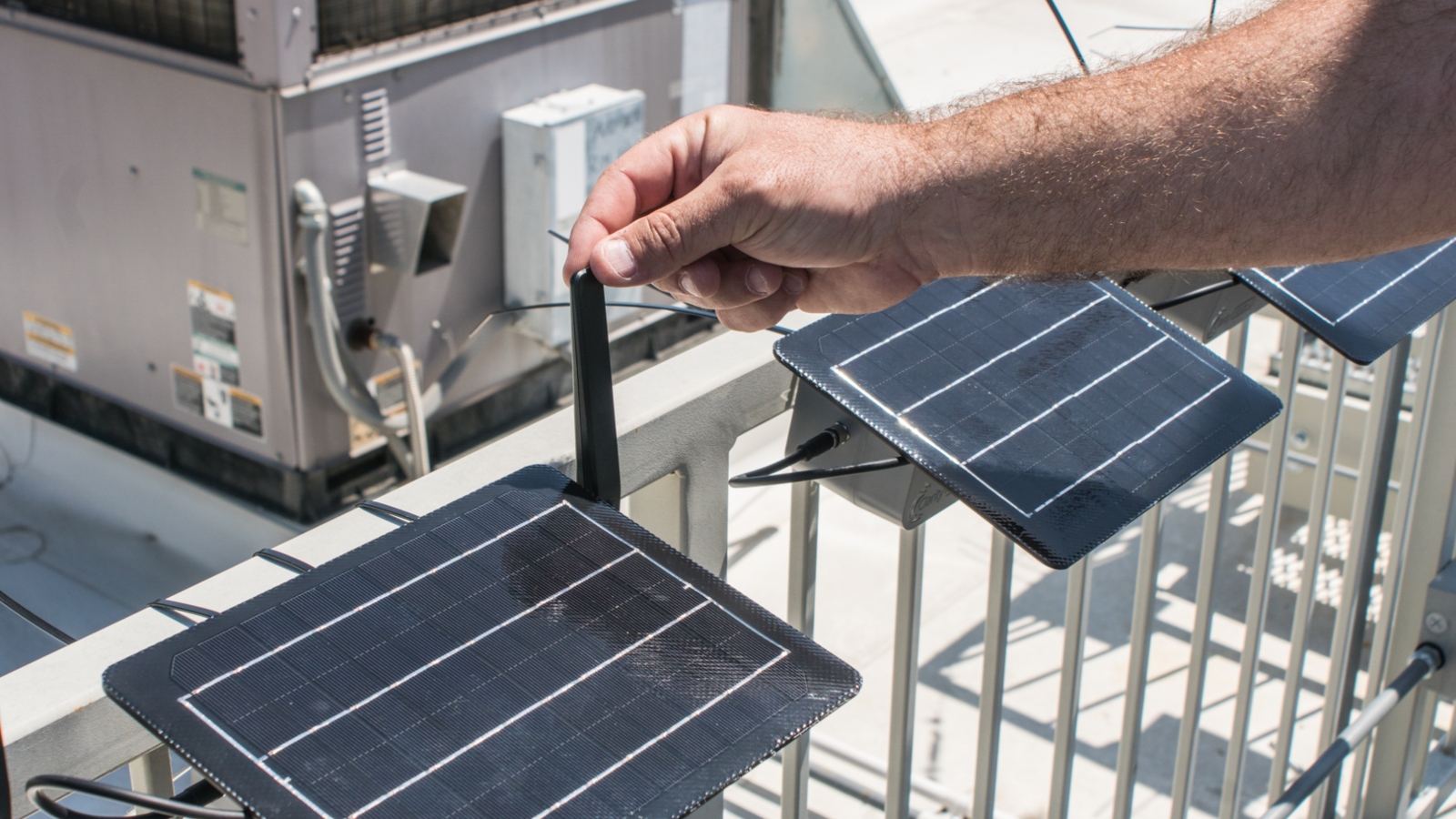
The initiative was short-lived. LEAN managed to install monitoring equipment in only four communities before the incoming Trump administration abruptly canceled the grant program. Marylee Orr, executive director of LEAN, described the funding revocation as being akin to “having your legs knocked out from under you.”
While federal funding vanished, the state legislature moved to cement corporate protections. In 2024, Louisiana became the first state in the nation to enact the Community Air Monitoring Reliability Act (CAMRA). Drafted with the direct assistance of the Louisiana Chemistry Association (LCA), the law forbids the use of non-standard air monitoring data in regulatory enforcement actions.
Defending the legislation, LCA President David Cresson argued that the law ensures environmental enforcement relies strictly on minimum U.S. EPA standards, maintaining that residents remain free to monitor air quality for personal information even if they cannot use the data to legally challenge polluters.
Parallel to state-level restrictions, powerful national lobbies mounted aggressive campaigns at the federal level. The American Chemistry Council (ACC), which spent more than $22 million on federal lobbying in a single recent election cycle, successfully petitioned the EPA alongside the American Fuel & Petrochemical Manufacturers for regulatory relief. While industry groups initially requested a blanket two-year exemption from strict Biden-era emissions rules designed to slash toxic outputs from petrochemical plants by nearly 80 percent, the EPA ultimately granted targeted exemptions to more than 60 individual facilities, with federal officials currently evaluating whether to rescind the rule entirely.
Regional Replication: Kentucky and Ohio Follow Suit
The legislative playbook developed in Louisiana quickly spread to neighboring industrial states. In Kentucky, residents living near the historic Rubbertown industrial complex in west Louisville had long fought for transparency. Following extensive multi-agency studies in the early 2000s that confirmed dangerously high levels of toxic pollutants, local authorities instituted continuous air monitoring and regulatory overhauls. Over the span of fifteen years, those interventions successfully drove down toxic air contaminants in the Louisville metro area by nearly 80 percent, with the most hazardous chemicals plummeting by 96 percent.
Despite this proven local success, the Kentucky General Assembly reversed course in March 2025 by passing House Bill 137. Heavily lobbied by the Kentucky Chemical Council, the American Petroleum Institute, Dow Chemical, and Chemours, the legislation mirrored Louisiana’s CAMRA law by restricting the admissibility of community-collected air data. Lloyd "Rusty" Cress, executive director of the Kentucky Chemical Council, defended the measure, while corporate spokespeople maintained that third-party data must be authenticated by trained technicians through official channels before triggering enforcement mechanisms.
A parallel battle unfolded in Ohio, where state lawmakers buried a restrictive air-monitoring provision inside a comprehensive state budget bill without a named sponsor. The measure effectively neutered the state’s historical "air nuisance rule," which had long empowered citizens to seek legal remedies against industrial emitters whose operations endangered public health.
The policy change drew immediate legal pushback. Miranda Leppla, an environmental attorney representing local plaintiffs, filed a lawsuit challenging the budget rider. Among the plaintiffs is Donna Ballinger, a resident of Middletown, Ohio, who lives within feet of a sprawling steel manufacturing facility. Ballinger told investigators that industrial fallout routinely rains down on her property, while chemical fumes frequently burn her eyes and throat. Despite mounting a low-cost air monitor in her front yard, Ohio’s new legal framework prohibits her from introducing her device’s readings as evidence of a public nuisance.
Defending the state’s stance, Tony Long, general counsel for the Ohio Chamber of Commerce, argued that uncalibrated community monitors risk spreading misinformation. Comparing grassroots sensors to uncalibrated law enforcement equipment, Long asserted that legal guardrails are essential to prevent frivolous litigation against the business community.
West Virginia and the Debate Over Data Credibility
In West Virginia, corporate lobbying efforts encountered fierce legislative resistance, resulting in a protracted political stalemate. The West Virginia Department of Environmental Protection operates a skeletal monitoring network comprising just 14 sites spread across 12 counties, leaving 43 counties completely unmonitored.
An analysis of the state’s 25 largest industrial air polluters indicates that not a single facility operates within 25 miles of a public monitor capable of detecting its primary chemical emission. When the West Virginia Manufacturers Association backed legislation in 2024 to criminalize or invalidate the use of community-generated air data in regulatory actions, the bill passed the state House of Representatives before dying in the Senate amid intense internal industry disagreements over technical standards.
Subsequent legislative sessions in 2025 and 2026 failed to revive the measure, driven largely by corporate leaders who rejected any legislative compromise that incorporated manufacturer-standardized community monitoring.
The Proven Efficacy of Rigorous Monitoring
Public health advocates emphasize that expanding, rather than restricting, air monitoring yields tangible improvements in public safety. Empirical data underscores this dynamic. When the EPA enacted mandatory fence-line benzene monitoring requirements for petroleum refineries in 2018, the number of facilities exceeding federal safety thresholds dropped by half within five years, according to an analysis by the Environmental Integrity Project.
Conversely, the lack of localized data leaves residents in the dark regarding chronic health outcomes. Reonda Victor, a resident of Louisiana’s industrial corridor between Baton Rouge and New Orleans—an area colloquially known as "Cancer Alley"—exemplifies the human toll of the information deficit. Having lost her mother, grandmother, and sister to breast cancer, Victor underwent genetic screening to assess her personal risk, only to discover she carried no genetic predisposition to the disease. The public air monitoring station closest to her residential neighborhood tests exclusively for lead, leaving her and her neighbors with no scientific way to determine whether industrial chemical exposures contributed to their family tragedies.
"Without information, we don’t know," Victor said. As industry lobbyists continue to erect legal barriers against grassroots data collection, the question of what Americans are breathing remains increasingly difficult to answer.








Leave a Reply