
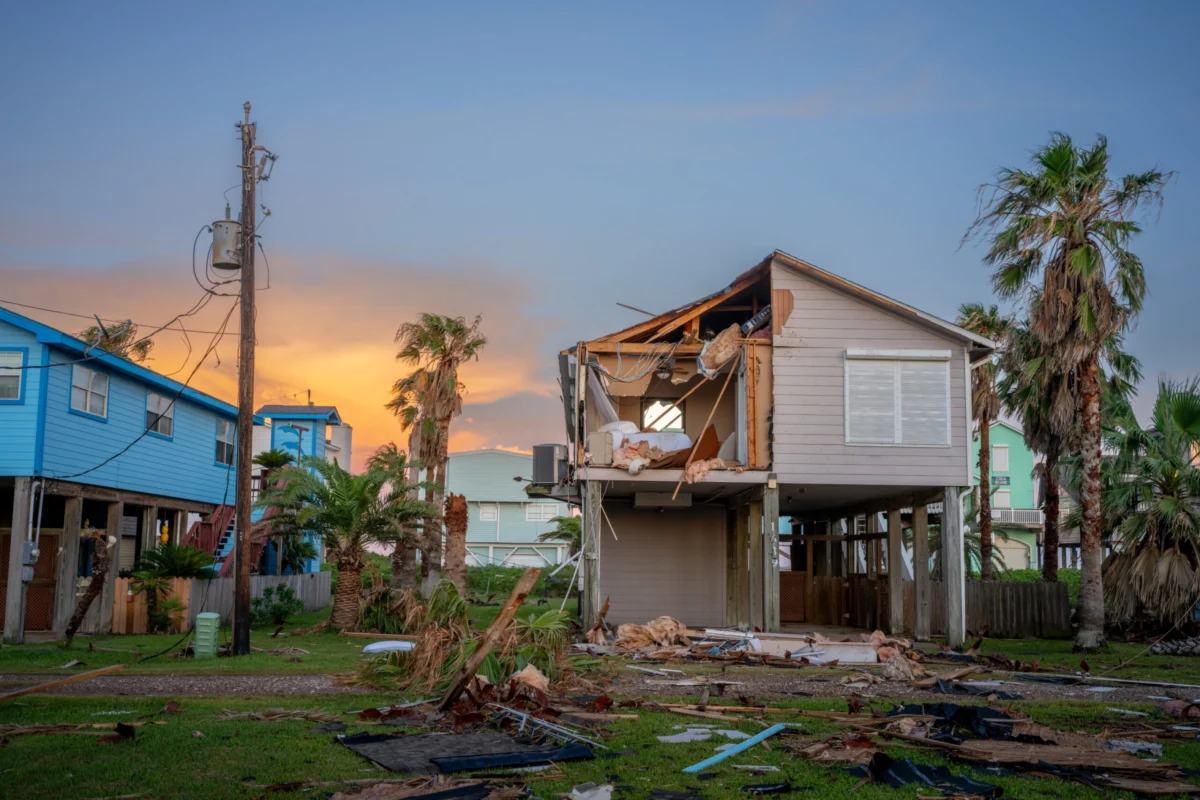
As the escalating frequency of billion-dollar weather disasters alters the American landscape, a profound financial disparity has emerged within the nation’s housing market. Homeowners in predominantly Black and Hispanic communities across the United States areShouldering a disproportionate share of skyrocketing property insurance costs. According to a landmark study released by the Consumer Federation of America, these communities face systemic premiums that drastically outpace those levied in predominantly white neighborhoods, creating an invisible yet formidable barrier to generational wealth and housing stability.
The findings illuminate a compounding crisis: as greenhouse gas emissions drive global temperatures upward and fuel increasingly destructive hurricanes, wildfires, and floods, the financial fallout is unevenly distributed along racial and socioeconomic lines. This phenomenon is rapidly transforming the American insurance market into a new frontier for civil rights and economic justice debates.
Decoding the Disparities: What the Data Shows
The Consumer Federation of America report, published in July, provides a stark quantitative breakdown of the crisis. By analyzing identical insurance policies across diverse geographic areas—thereby controlling for variations in home value, physical structure, and coverage limits—the researchers isolated the systemic gaps in pricing.
The analysis revealed that homeowners residing in predominantly Hispanic ZIP codes pay an average of 30 percent more annually for identical coverage compared to their counterparts in predominantly white communities. In monetary terms, this translates to an extra $950 per year. Meanwhile, homeowners in predominantly Black ZIP codes face a 16 percent markup, amounting to an average of $500 more annually.
When compounded over the life of a standard 30-year mortgage, these disparities accumulate into staggering financial penalties. Homeowners in Hispanic communities shell out at least an additional $28,500 over three decades solely for insurance coverage, while those in Black communities pay an extra $15,000. For working-class and middle-class families already navigating a severe national cost-of-living and housing affordability crisis, these thousands of dollars represent a significant drain on household budgets, limiting discretionary spending, emergency savings, and investments in education or retirement.
Geographic Hotspots and State-Level Extremes
The burden of these pricing gaps varies significantly by geography, with certain states exhibiting extreme disparities.
For predominantly Hispanic ZIP codes, the most acute pricing penalty is concentrated in Florida. Homeowners there pay a staggering 58 percent more—amounting to an average of $5,014 annually—for the exact same coverage found in comparable white communities. Other states with pronounced gaps for Hispanic neighborhoods include New York, where residents pay 20 percent more ($431 annually); Washington, with an 18 percent markup ($278); Massachusetts, at 16 percent ($244); and Kansas, at 15 percent ($633).
For predominantly Black ZIP codes, the steepest penalties are found in the industrial Midwest and the Mid-Atlantic. Michigan leads the nation with a 74 percent disparity, costing Black homeowners an extra $1,768 per year. Pennsylvania follows closely with a 57 percent gap ($1,048 annually). Additional states displaying notable pricing inequities include New Jersey at 22 percent ($332), Massachusetts at 20 percent ($321), and New York at 19 percent ($417).
These localized spikes occur against a backdrop of generalized volatility. Across the board, average home insurance costs nationwide surged by roughly 24 percent between 2021 and 2024, driven by catastrophic weather events and inflation in the cost of construction materials and labor. However, the extra padding borne by communities of color suggests that structural inequities are exacerbating broader market trends.
Historical Context: The Legacy of Redlining
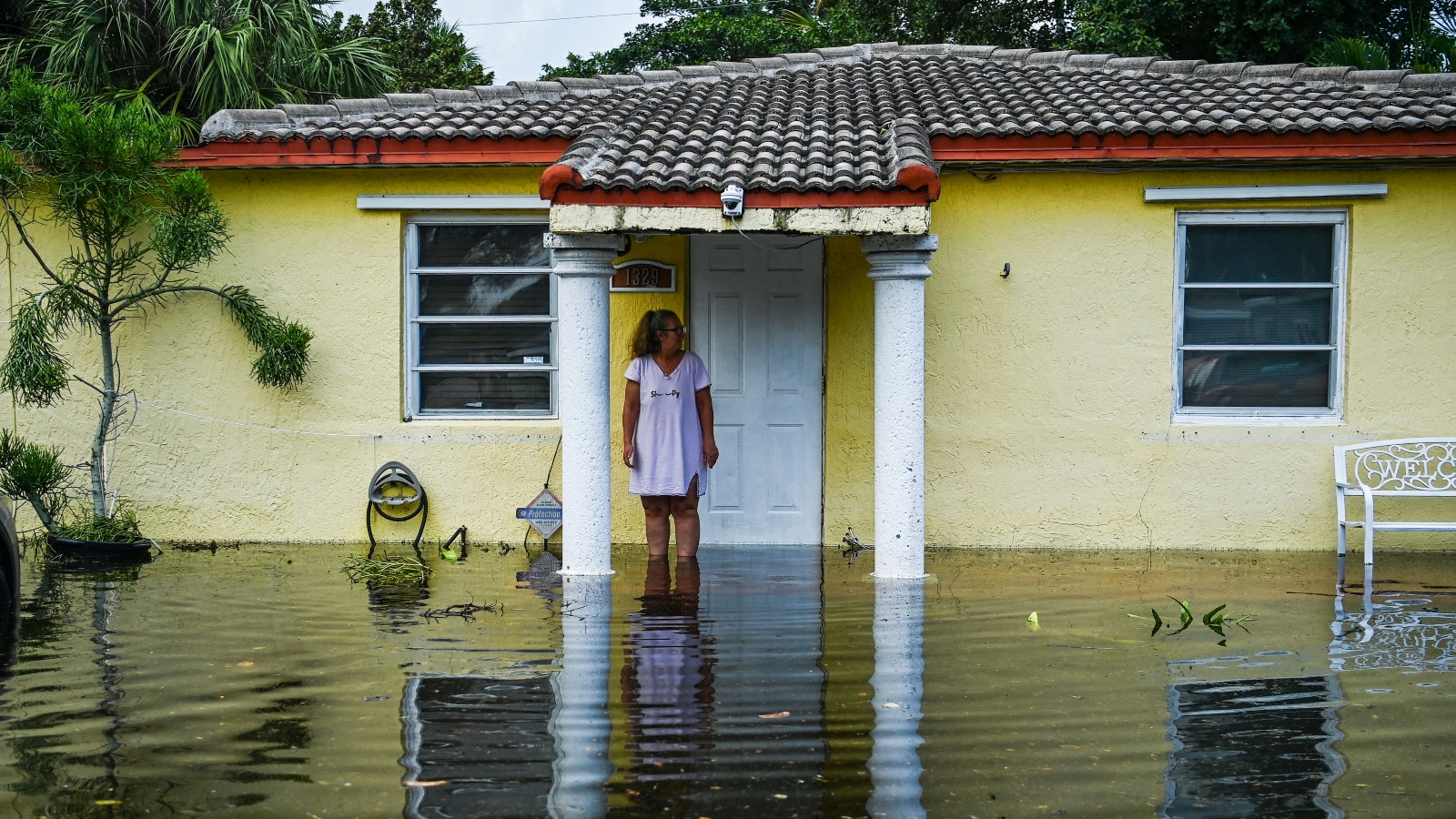
To understand the roots of contemporary insurance disparities, housing experts and historians point to the mid-20th-century practice of redlining. Formalized by federal agencies and private lenders in the 1930s, redlining involved drawing literal red lines on maps around neighborhoods—primarily populated by people of color—to designate them as hazardous financial risks. Residents in these zones were systematically denied mortgages, home improvement loans, and insurance coverage.
Although the federal Fair Housing Act of 1968 outlawed explicit housing discrimination and redlining, the legacy of the practice cast a long shadow. Generations of denied capital investment created entrenched patterns of residential segregation, lower property values, and underfunded public infrastructure in communities of color.
Today, these historical inequities manifest in myriad ways, affecting everything from urban heat-island vulnerability and access to green spaces to health outcomes and educational quality. In the context of property insurance, critics argue that modern actuarial models continue to penalize these same neighborhoods—not necessarily through explicit racial animus, but through proxies that correlate heavily with race, such as credit scores, historical property values, and localized infrastructure deficiencies.
Industry Perspective: Risk, Regulation, and Actuarial Science
The insurance industry strongly pushes back against allegations of systemic racial discrimination, maintaining that premium calculations are strictly mathematical, legally compliant, and grounded in objective risk assessment.
Mark Friedlander, a spokesperson for the Insurance Information Institute, emphasized that rates are determined by actuarial science and subject to rigorous oversight by state regulators.
"Using race, or any proxy for race, to set insurance rates is illegal in every U.S. jurisdiction, and state insurance regulators review and approve the rating factors insurers use precisely to guard against that," Friedlander stated. He added that many of the communities cited in fairness reports happen to be located in geographic zones with inherently higher catastrophe exposure, older housing stock, or elevated repair and rebuilding costs.
According to industry representatives, insurers are responding to mounting climate liabilities. As extreme weather events increase in frequency and severity, insurers are withdrawing from high-risk markets—such as parts of California, Louisiana, and Florida—or aggressively raising rates to maintain solvency. From this perspective, the pricing discrepancies reflect physical realities of risk and exposure rather than demographic targeting.
The Algorithmic Age and Modern Mechanisms of Bias
Despite strict regulatory prohibitions against utilizing race in underwriting, consumer advocates and housing researchers argue that modern underwriting practices—particularly those incorporating artificial intelligence, big data, and algorithmic modeling—can inadvertently perpetuate historical disparities.
Insurers increasingly rely on proprietary predictive models that evaluate vast arrays of non-traditional data points to price policies and manage claims. While these tools are designed to predict risk more accurately, they can inadvertently encode historical socioeconomic disparities.
A prominent example highlighted by consumer groups is the heavy reliance on credit scores in setting insurance rates. Previous research by the Consumer Federation of America revealed that homeowners with lower credit scores face an average penalty of $1,996 annually—nearly double the cost—for their insurance policies. Because structural economic inequities have historically resulted in lower average credit scores among Black and Hispanic populations, the widespread use of credit-based insurance scoring creates a compounding disparate impact.
"I’m not saying that they have some secret race factor that they put into their model," said Sharon Cornelissen, director of housing at the Consumer Federation of America and a co-author of the report. "A lot of this bias can kind of creep in if they’re not paying attention to potential unequal impacts. A lot of this could be through AI models or other factors that have a disproportionate impact on Black and Hispanic communities."
This dynamic echoes past legal battles over insurance redlining. In the 1990s, major insurers settled massive federal lawsuits involving discriminatory practices. For instance, Nationwide agreed to a $17.5 million settlement following allegations that it discouraged agents from selling policies in Black neighborhoods and used racial profiling to deny coverage. Similarly, American Family Mutual Insurance Company paid more than $16 million to settle allegations that it provided inferior policies or denied coverage to Black homeowners based on race.
While overt redlining of that nature is largely a relic of the past, contemporary critics argue that systemic bias has simply evolved into sophisticated, automated forms.
Broader Socioeconomic Implications and the Affordability Crisis
The convergence of climate change, rising inflation, and discriminatory pricing structures threatens to undermine the foundation of homeownership for millions of American families. Homeownership remains the primary vehicle for building middle-class wealth in the United States. When insurance costs consume an increasingly large share of household income, families face difficult choices between maintaining adequate coverage, keeping up with mortgage payments, or forgoing homeownership altogether.
Moira Birss, a senior fellow at the Climate and Community Institute, described the financial burden as unconscionable amid a nationwide cost-of-living crisis. The tens of thousands of dollars extracted through inflated premiums represent capital that could otherwise be dedicated to home maintenance, emergency savings, or long-term investments.
Furthermore, underinsurance or the complete lack of accessible coverage leaves vulnerable communities dangerously exposed when disasters strike. Without adequate insurance payouts following a hurricane or flood, families are often unable to rebuild, accelerating cycles of displacement and community destabilization.
Pathways Forward: Resilience, Transparency, and Reform
As the debate intensifies, stakeholders across the political and economic spectrum are calling for proactive solutions to address the converging crises of climate vulnerability and housing affordability.
Industry leaders like Friedlander emphasize that the most sustainable way to lower insurance costs is through aggressive risk reduction. This includes bolstering community resilience by modernizing building codes, investing in public mitigation infrastructure—such as seawalls, improved drainage, and wildfire-resistant landscaping—and expanding state-backed mitigation grant programs to help lower-income homeowners harden their properties.
Conversely, consumer advocacy organizations are pushing for regulatory reform and corporate accountability. The Consumer Federation of America’s report calls upon state insurance commissioners and lawmakers to enforce fair housing laws rigorously, demand greater transparency regarding proprietary underwriting algorithms, and scrutinize rating factors that exhibit a disproportionate adverse impact on communities of color.
Without intentional policy interventions and enhanced regulatory oversight, housing and climate experts warn that the burden of a warming planet will continue to fall heaviest on those least equipped to bear it, widening the racial wealth gap and threatening the stability of the American housing market for decades to come.










Leave a Reply